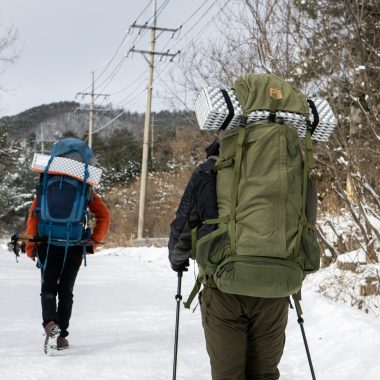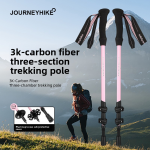
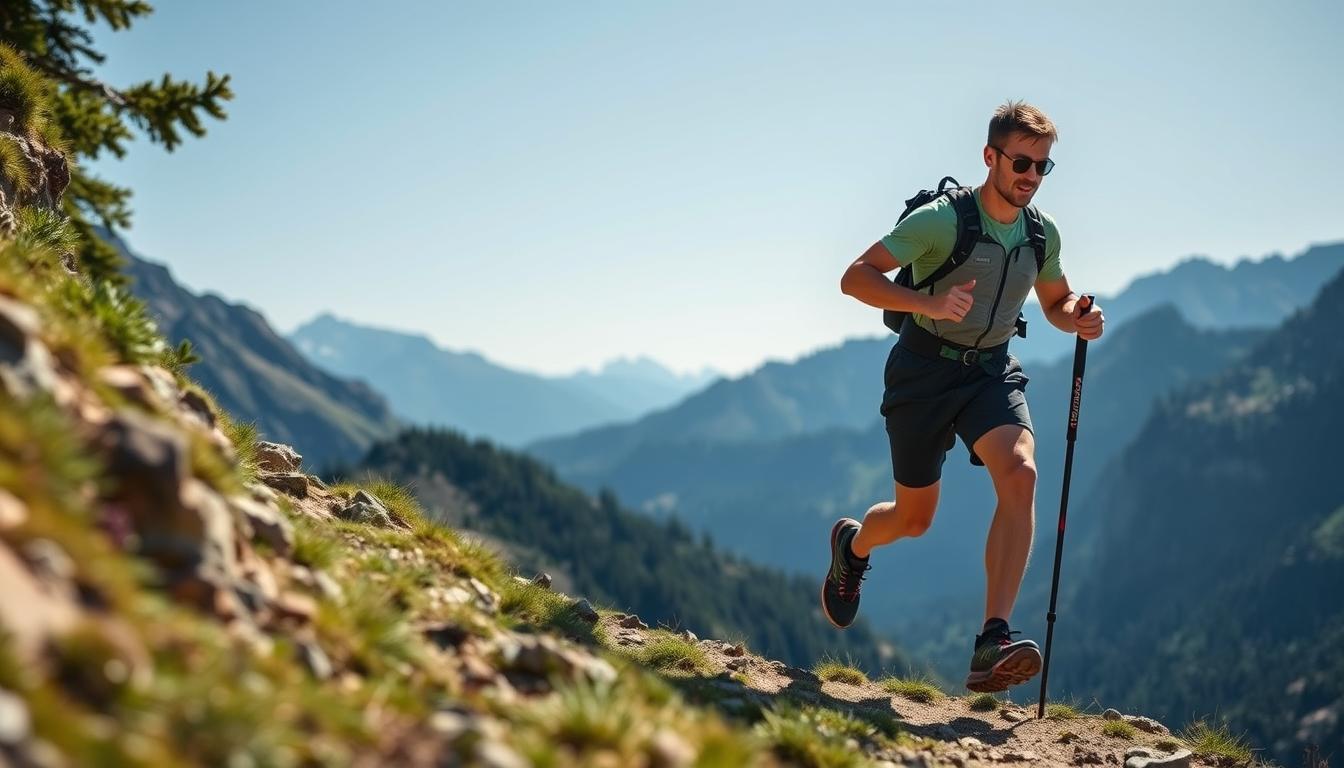
Trail running poles can transform your mountain adventures by providing stability, reducing joint impact, and enhancing your uphill performance. But with countless options available, choosing the right poles can feel overwhelming. This comprehensive guide will walk you through everything you need to know about selecting the perfect trail running poles for your needs, whether you’re tackling technical alpine terrain or preparing for your first ultramarathon.
Why Use Poles for Trail Running?
Before diving into the technical aspects of choosing poles, let’s understand why they’ve become essential equipment for many trail runners:
Performance Benefits
- Enhanced Uphill Power: Poles engage your upper body muscles, distributing effort and increasing climbing efficiency by up to 20%
- Improved Balance: Additional points of contact with the ground provide stability on technical terrain
- Faster Descents: Poles offer confidence and control when navigating steep downhills
- Increased Endurance: By engaging upper body muscles, poles reduce lower body fatigue during long runs
Physical Benefits
- Reduced Joint Impact: Poles absorb shock, decreasing stress on knees and ankles, especially during descents
- Better Posture: Proper pole use encourages an upright position, reducing back strain
- Full-Body Workout: Engages core, shoulders, and arms for a more balanced exercise
- Injury Prevention: Additional stability helps prevent falls and twisted ankles on technical trails
Ready to experience these benefits?
Start with our top-recommended poles for beginners
Types of Trail Running Poles
Trail running poles come in three main designs, each with distinct advantages for different running scenarios:
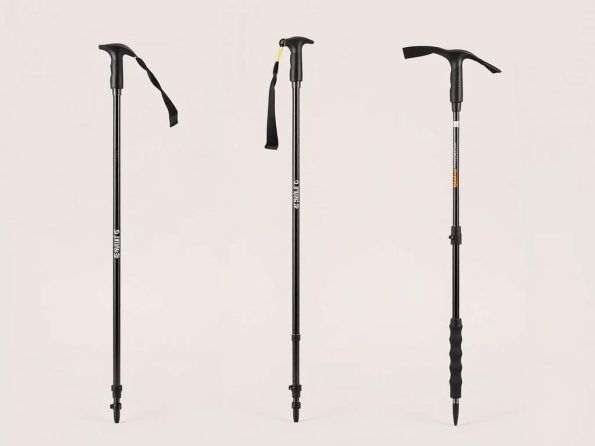
Fixed-Length Poles
Pros
- Lightest option available
- Maximum durability
- Simplest design
- No moving parts to fail
Cons
- Cannot adjust for terrain
- Difficult to store when not in use
- Must choose perfect length
Best for: Racing, vertical kilometers, and runners who prioritize minimum weight
Adjustable-Length Poles
Pros
- Versatile for different terrains
- Can be shared between users
- Ideal for varying slopes
- Works for fastpacking shelters
Cons
- Heavier than fixed-length
- More complex mechanisms
- Potential failure points
Best for: Versatile trail conditions, multi-day adventures, and fastpacking
Folding Poles
Pros
- Highly packable
- Easy to stow on pack
- Quick deployment
- Good balance of weight/strength
Cons
- Internal cord can wear out
- Slightly heavier than fixed
- More expensive
Best for: Most trail runners, ultramarathons, and technical terrain where poles aren’t needed continuously
Runner’s Tip: Folding poles are the most popular choice for trail running as they offer the best balance of packability, weight, and durability. They can be quickly deployed when needed and easily stowed when running on flat sections.
Material Considerations: Carbon vs. Aluminum
The material of your trail running poles significantly impacts their weight, durability, and price:
Carbon Fiber Poles
- Weight: Typically 30-40% lighter than aluminum (as little as 95g per pole)
- Vibration Dampening: Better shock absorption for smoother running
- Strength-to-Weight Ratio: Excellent for uphill performance
- Temperature Sensitivity: Can become brittle in extreme cold
- Failure Mode: Tend to snap under extreme lateral pressure
- Price: Premium ($150-250 per pair)
Aluminum Poles
- Weight: Heavier but still manageable (130-200g per pole)
- Durability: More resistant to impacts and rough handling
- Temperature Performance: Consistent across temperature ranges
- Failure Mode: Tend to bend rather than break completely
- Vibration: More vibration transfer to hands
- Price: More affordable ($70-140 per pair)
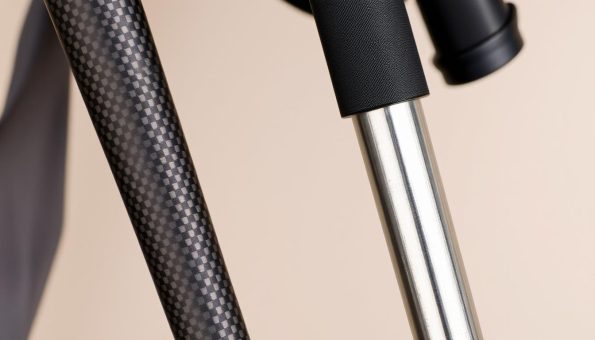
“Carbon poles are like sports cars – lighter and faster but more expensive and potentially fragile. Aluminum poles are like SUVs – heavier but more durable and budget-friendly.”
Not sure which material is right for you?
For beginners, we recommend starting with aluminum poles for durability and value
Grip Types: Finding Your Perfect Handle
The grip is your main point of contact with the pole, making it a crucial consideration for comfort during long runs:
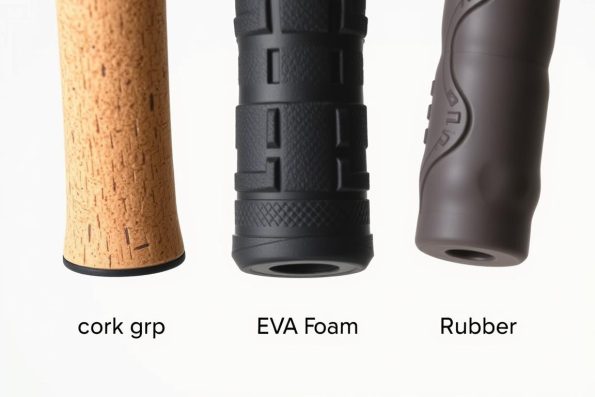
Cork Grips
- Excellent moisture absorption
- Conforms to hand shape over time
- Comfortable in hot conditions
- Provides natural friction when wet
- Premium feel and durability
- Typically found on higher-end poles
Best for: Long-distance running, hot weather, and those willing to invest in premium comfort
Foam Grips
- Lightweight and cushioned
- Good moisture wicking
- Comfortable for most conditions
- Often extends down shaft for multiple grip positions
- Most common in trail running poles
- Balanced performance and price
Best for: Most trail runners, varied terrain, and those who change hand positions frequently
Rubber Grips
- Excellent durability
- Good insulation in cold weather
- Water-resistant surface
- Less comfortable when sweaty
- Can cause blisters on long runs
- More common in hiking than running poles
Best for: Cold weather running, winter conditions, and shorter distances
Pro Tip: Look for poles with extended grip areas below the main handle. This feature allows you to quickly “choke down” on steep uphills without adjusting pole length.
Wrist Strap Design: The Overlooked Essential
Wrist straps play a crucial role in power transfer and comfort during long runs:
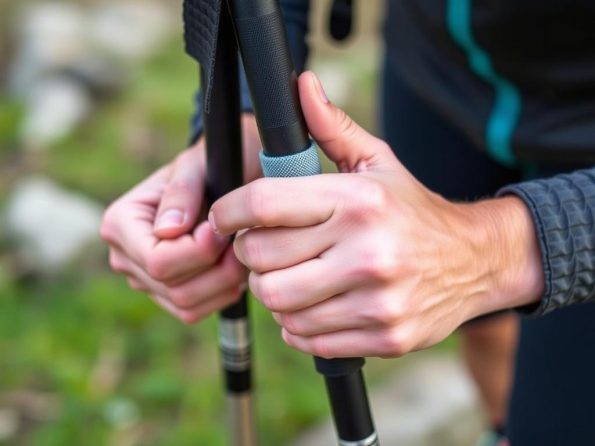
Standard Straps
- Simple, lightweight design
- Adjustable for different hand sizes
- Easy to slip in and out of
- Found on most trail running poles
- Moisture-wicking materials prevent chafing
Specialized Systems (e.g., Leki Shark System)
- Glove-like fit for maximum power transfer
- Quick-release mechanisms for safety
- Enhanced uphill propulsion
- Reduced hand fatigue on long climbs
- Premium feature on high-end poles
“The proper way to use wrist straps is to insert your hand from below, then grip the handle. This allows you to push down on the strap rather than gripping tightly, reducing hand fatigue significantly.”
Safety Note: While specialized strap systems offer better power transfer, they can be dangerous in falls if you can’t release the poles quickly. Practice quick-release techniques before using them on technical terrain.
Determining the Right Pole Length
Finding the correct pole length is essential for efficient running and preventing strain:
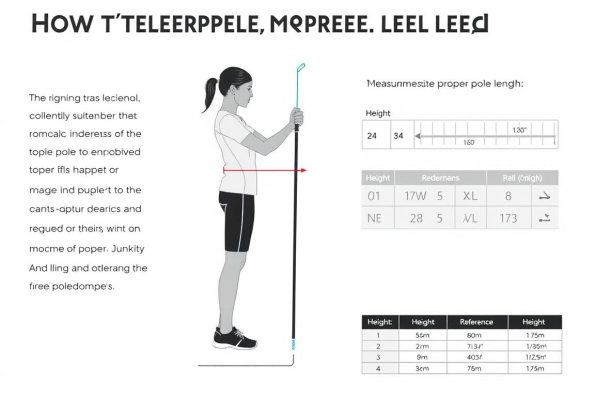
Basic Sizing Formula
For most trail runners, the ideal pole length can be calculated as:
Your height in cm × 0.68 = Recommended pole length in cm
Example: For a 175cm (5’9″) person: 175 × 0.68 = 119cm (round to 120cm)
Quick Reference Chart
| Your Height | Recommended Pole Length | Best For Uphill | Best For Downhill |
| Under 5’1″ (155cm) | 100-105cm | 100cm | 105cm |
| 5’1″ – 5’7″ (155-170cm) | 110-115cm | 110cm | 115cm |
| 5’7″ – 5’11” (170-180cm) | 115-120cm | 115cm | 120cm |
| 5’11” – 6’3″ (180-190cm) | 120-125cm | 120cm | 125cm |
| Over 6’3″ (190cm+) | 125-130cm | 125cm | 130cm |
Terrain-Specific Adjustments
- Steep Uphills: Use shorter poles (5-10cm less than standard) for better leverage
- Technical Descents: Use longer poles (5-10cm more than standard) for better stability
- Traversing: Shorten the uphill pole and lengthen the downhill pole
Adjustable vs. Fixed Length: If you frequently run on varied terrain with significant elevation changes, consider adjustable-length poles. For races or runs with consistent terrain, fixed-length poles offer weight savings.
Not sure about sizing?
Adjustable poles offer flexibility while you determine your ideal length
Choosing Poles for Specific Terrain
Different trail conditions call for specific pole features:
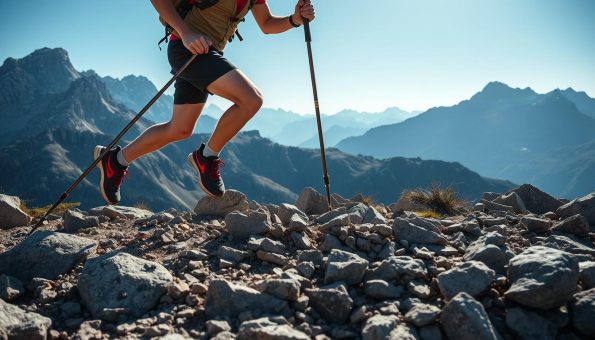
Technical Alpine Terrain
- Prioritize durability over weight
- Look for reliable locking mechanisms
- Consider aluminum for rough handling
- Choose poles with replaceable tips
- Extended grip areas for traversing
Recommended: Black Diamond Distance FLZ or Leki Cross Trail FX
Ultramarathons & Long Distances
- Prioritize lightweight design
- Folding poles for easy stowing
- Comfortable grips for extended use
- Durable materials for long-term reliability
- Consider carbon fiber for reduced fatigue
Recommended: Black Diamond Carbon Z or Leki Ultratrail FX.One
Winter & Snow Running
- Look for snow basket compatibility
- Consider aluminum for cold resistance
- Adjustable length for varying snow depth
- Rubber or cork grips for cold weather
- Robust locking mechanisms that won’t freeze
Recommended: MSR DynaLock Ascent or Black Diamond Alpine FLZ
Race Day Tip: For races with varied terrain, consider how you’ll carry poles when not in use. Many running vests have specific pole attachments, or you can use quick-stow folding poles that fit inside your pack.
Top Trail Running Pole Brands Comparison
Here’s how the leading brands compare across key features:
| Brand | Signature Features | Weight Range | Price Range | Best For |
| Black Diamond | Z-pole technology, extended foam grips, lightweight design | 95-200g per pole | $140-$200 | All-around trail running, ultramarathons |
| Leki | Trigger Shark system, cork grips, high-end materials | 140-205g per pole | $160-$250 | Racing, maximum power transfer |
| REI Co-op | Value-oriented, durable design, comfortable grips | 159-200g per pole | $90-$170 | Beginners, budget-conscious runners |
| MSR | Winter-specific designs, Dynalock system, durability | 235-255g per pole | $150-$190 | Winter running, snow conditions |
| Camp | Ultralight design, minimalist approach, compact folding | 170-200g per pole | $110-$150 | Fast and light missions, minimalists |
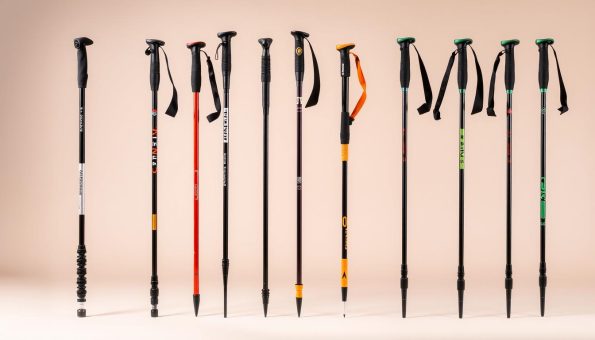
Recommended Trail Running Poles for Beginners
Based on our analysis, here are the best poles for trail runners just starting out:
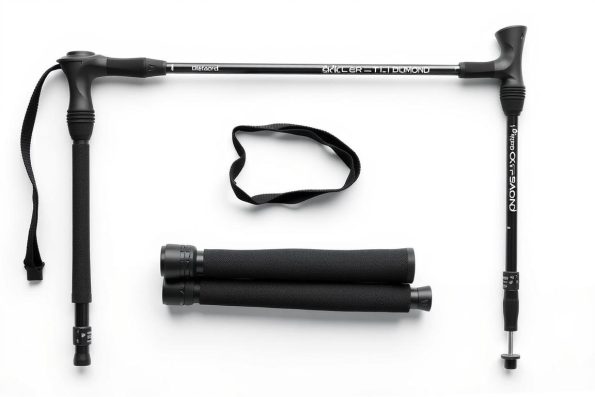
Best Overall: Black Diamond Distance Z
Weight: 344g (pair, 120cm)
Material: Aluminum
Grip: EVA foam
Price: $140
Perfect balance of durability, weight, and value. These aluminum poles are slightly heavier than carbon options but much more forgiving of rough handling.
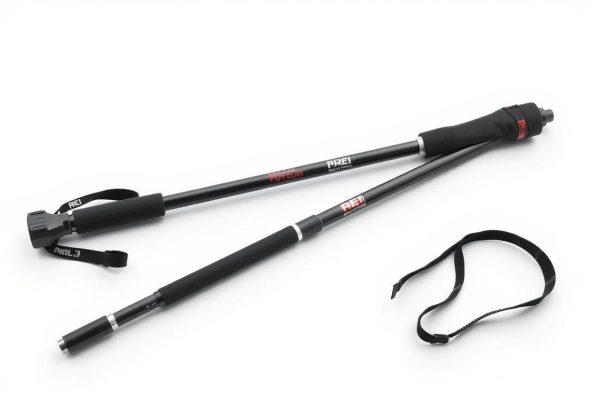
Best Lightweight: REI Swiftland TT Carbon
Weight: 318g (pair, 115cm)
Material: Carbon fiber
Grip: EVA foam
Price: $170
Excellent lightweight carbon option at a more accessible price point than competitors. Comfortable grips and easy folding mechanism make these ideal for ultrarunning.
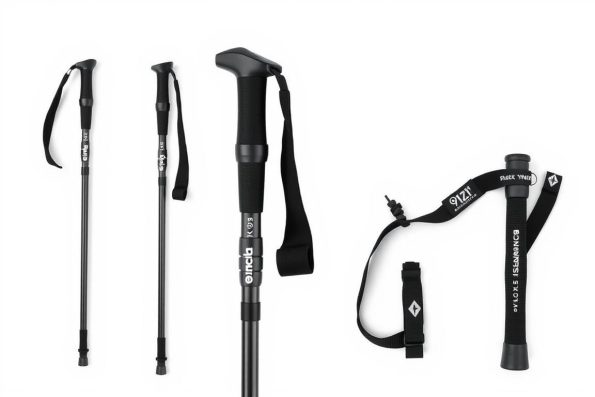
Best Adjustable: Black Diamond Distance FLZ
Weight: 420g (pair, 110-125cm)
Material: Aluminum
Grip: EVA foam
Price: $179
The adjustable length makes these perfect for varied terrain and runners still determining their ideal pole length. Robust locking mechanism and durable construction.
Ready to upgrade your trail running experience?
Explore our top recommendations for trail running poles
Maintenance and Care Tips
Proper maintenance extends the life of your trail running poles and ensures reliable performance:
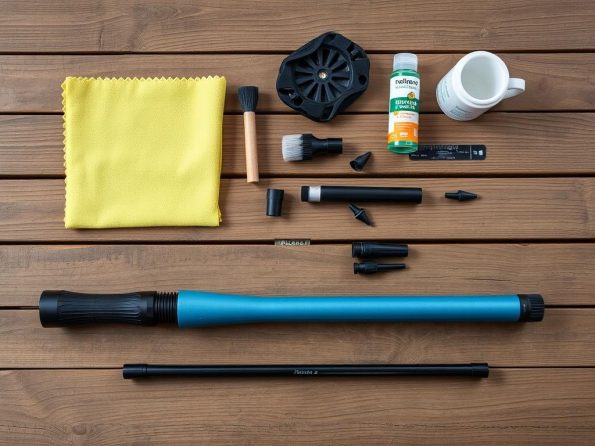
After Each Use
- Wipe down poles with a damp cloth to remove dirt and salt
- Allow to dry completely before storing
- Inspect tips for wear and replace if necessary
- Check locking mechanisms for proper function
Regular Maintenance
- Disassemble folding poles occasionally to clean internal sections
- Apply silicone lubricant to moving parts (follow manufacturer guidelines)
- Check internal tension cords for wear
- Tighten any loose screws or components
Replacing Parts
Most quality trail running poles have replaceable components:
- Tips: Replace when worn down or damaged (typically every 300-500 miles)
- Baskets: Switch between standard and snow baskets as needed
- Straps: Replace if frayed or uncomfortable
- Internal Cords: Some manufacturers offer replacement kits
Important: Never force folding poles open or closed. If you encounter resistance, check for dirt or debris in the joints and clean thoroughly before trying again.
Basic Technique for Trail Running with Poles
Proper technique maximizes the benefits of your trail running poles:
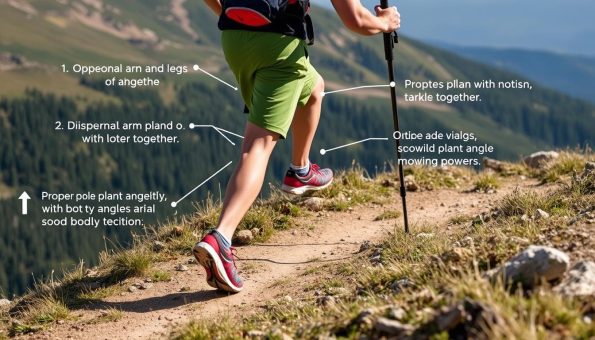
Uphill Technique
- Plant poles ahead of your body with a slight backward angle
- Use a rhythmic diagonal pattern (left pole with right foot, right pole with left foot)
- For steep sections, try double poling by planting both poles simultaneously
- Push down and back through the wrist straps, not just with your grip
- Maintain an upright posture rather than hunching forward
Downhill Technique
- Hold poles slightly forward for balance
- Use a lighter touch – poles are for stability, not braking
- For steep descents, shorten your grip by holding lower on extended grips
- Keep poles close to your body to prevent tripping
- On very technical descents, consider removing hands from straps for safety
“Good pole technique should feel like dancing with the trail – rhythmic, fluid, and natural. It takes practice to develop, but once mastered, it transforms your running experience.”
Practice Tip: Start using poles on gentle terrain before tackling technical trails. Focus on developing a natural rhythm that complements your running stride.
Pole Selection Checklist
Use this checklist to evaluate your options before purchasing trail running poles:
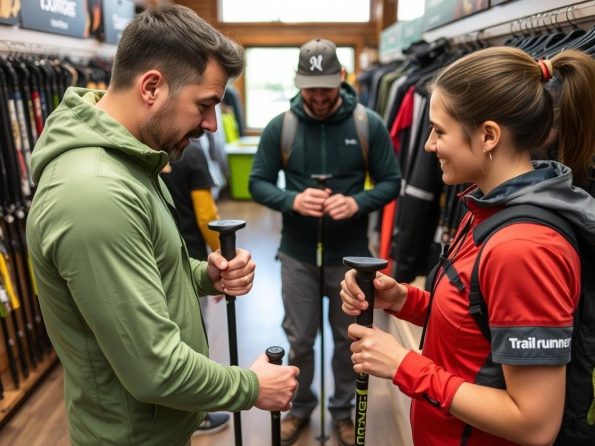
Essential Features
- Appropriate length for your height and terrain
- Weight that balances durability and performance
- Material suited to your budget and needs
- Comfortable grip material for your climate
- Secure and comfortable wrist straps
- Folding design that fits your pack
- Durable carbide tips
Nice-to-Have Features
- Extended grip areas for varied hand positions
- Adjustable length for different terrain
- Quick-deploy folding mechanism
- Snow basket compatibility
- Replaceable parts availability
- Specialized wrist strap systems
- Vibration dampening technology
Questions to Ask Before Buying
- What type of terrain will I primarily run on?
- How important is weight versus durability for my needs?
- Do I need to stow poles frequently during runs?
- Will I use these poles in winter conditions?
- What’s my budget for trail running poles?
- Do I prefer fixed or adjustable length?
- How will I carry the poles when not in use?
Ready to find your perfect trail running poles?
Use our checklist and explore top recommendations
Frequently Asked Questions
Are trail running poles worth it?
Yes, trail running poles are worth the investment for most runners who tackle hilly or mountainous terrain. Research shows they can reduce muscle fatigue by up to 20% on climbs, decrease impact forces on descents, and improve overall stability. For flat terrain, the benefits are less significant, but for technical trails and ultramarathons, poles can make a substantial difference in performance and injury prevention.
Can I use hiking poles for trail running?
While hiking poles can work for trail running in a pinch, they’re typically heavier and bulkier than dedicated running poles. Trail running poles are designed to be lighter (often under 200g per pole), more packable, and have features specific to running dynamics. If you already own hiking poles and want to try using poles before investing in running-specific ones, they can serve as a good introduction, but serious trail runners will benefit from the lighter weight and packability of running-specific poles.
How do I carry poles when not using them?
Most trail running packs and vests have specific attachments for carrying poles. Common options include:
- Quiver systems on the back of running vests
- Front attachment points on shoulder straps
- Side compression straps on larger packs
- Dedicated pole-carrying sleeves on some specialized vests
Folding poles can also be stored inside larger packs. When choosing poles, consider how they’ll integrate with your existing carrying system.
How long do trail running poles typically last?
With proper care, quality trail running poles can last 3-5 years of regular use. Carbon fiber poles tend to have a shorter lifespan if subjected to lateral stress but can last many years with careful use. Aluminum poles may show cosmetic wear but remain functional for longer periods. The most common wear points are the tips (replaceable on quality poles) and internal tension cords in folding poles. Many manufacturers offer repair services or replacement parts to extend the life of your investment.
Are poles allowed in trail races?
Pole policies vary by race. Many European mountain races and ultramarathons allow and even expect poles, while some U.S. races restrict or prohibit them. Always check the specific race rules before planning to use poles. Some races allow poles for only certain sections or after specific checkpoints. When poles are allowed, be mindful of other runners, especially in crowded sections or when passing.
Conclusion: Finding Your Perfect Trail Running Poles
Choosing the right trail running poles is a personal decision based on your specific needs, terrain preferences, and running style. For beginners, we recommend starting with a versatile, durable option like the Black Diamond Distance Z or REI Swiftland poles, which offer excellent value and performance across various conditions.
Remember that proper technique is just as important as the poles themselves. Take time to practice and develop a natural rhythm that enhances your running rather than disrupting it. With the right poles and technique, you’ll experience improved stability, reduced fatigue, and a more enjoyable trail running experience, especially on challenging mountain terrain.

Ready to elevate your trail running experience?
Explore our top recommendations and find your perfect poles today