Welcome to your go-to guide for tackling a common headache for outdoor lovers and pros. If you use gear with telescoping parts, you’ve likely faced the gritty problem of debris buildup. This issue can seriously hinder your equipment’s smooth operation.
This grit finds its way into many types of gear. Think about your trekking poles on a dusty trail or your tent’s framework at a windy beach. Even flagpoles installed with certain materials can suffer. Over time, this accumulation causes friction and wear.
Addressing this problem quickly is key. It protects the internal mechanisms, ensuring your gear extends and retracts easily. Proper maintenance also guarantees your safety and the reliability of your investment. It saves you a lot of hassle down the line.
Our guide will walk you through simple, effective techniques. We’ll cover the essential tools you might need and smart habits to prevent future issues. You’ll learn how to keep your valuable outdoor items in top shape for many adventures to come.
Key Takeaways
- Sand and grit accumulation is a frequent issue for telescoping outdoor equipment.
- This problem affects performance and can lead to long-term damage if ignored.
- Prompt cleaning maintains smooth operation and ensures user safety.
- Simple methods and tools can effectively resolve this common frustration.
- Learning preventive strategies saves time and money on gear maintenance.
- Proper care extends the life and reliability of your poles and other sectioned gear.
Introduction to Sand Issues in Outdoor Pole Sections
Outdoor equipment with extendable components often battles against nature’s abrasive elements. Understanding this challenge requires recognizing sand’s dual role. Sometimes it’s intentionally placed for stability, while other times it’s an unwanted intruder.
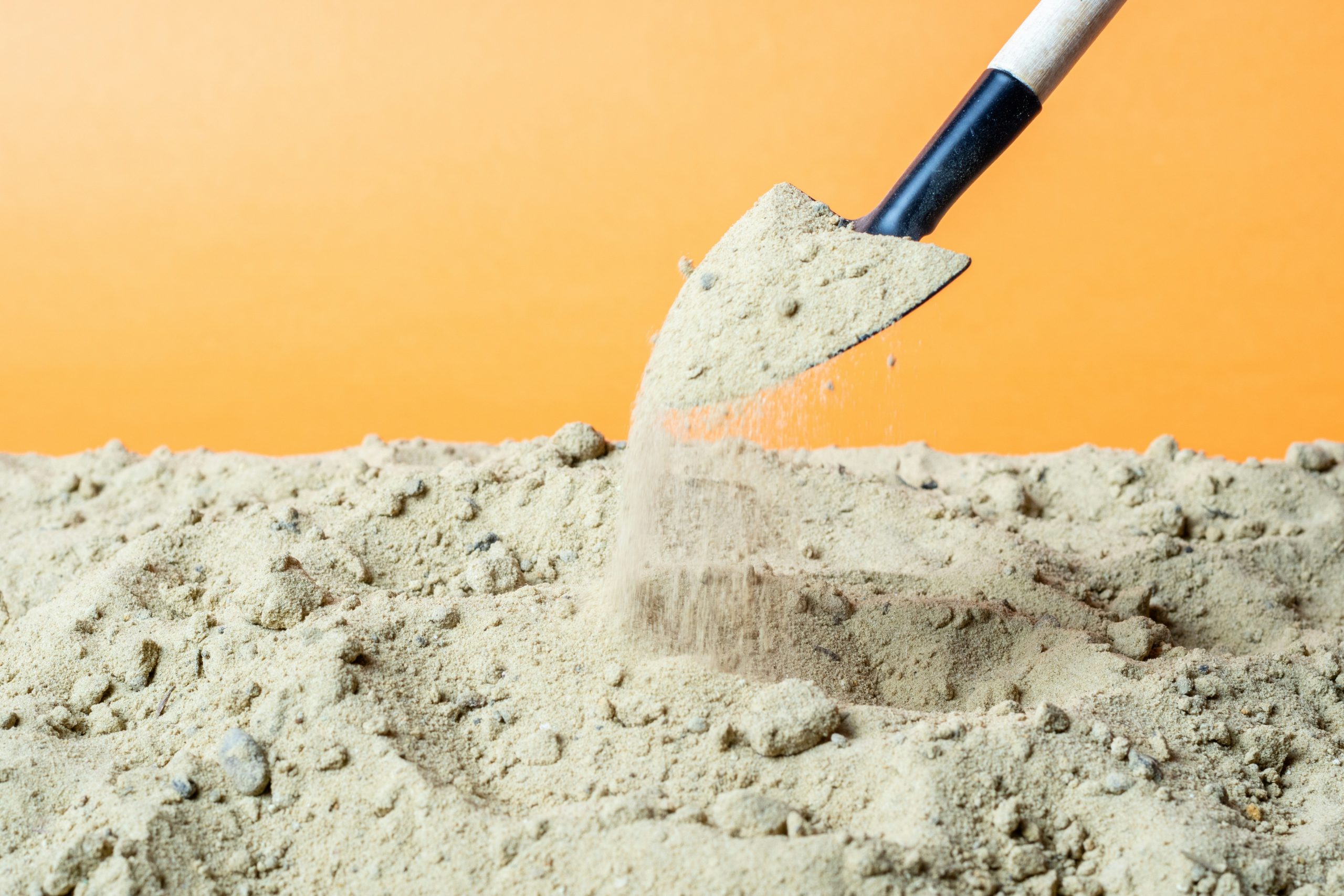
Commercial flag installations demonstrate sand’s functional use. A concrete sleeve anchors the setup, with a gap between sleeve and pole. Fine particles fill this space, creating a stable, plumb installation when tapped firm. This method ensures the structure stands straight over time.
Recreational gear faces different challenges. Trekking poles and tent frameworks collect debris through normal use. Particles work their way into joints and locking mechanisms. This infiltration causes friction and potential damage in the long run.
| Equipment Context | Sand’s Role | Maintenance Approach |
|---|---|---|
| Commercial Flag Poles | Intentional stability component | Periodic inspection and sealant renewal |
| Trekking Poles | Unwanted abrasive contaminant | Regular cleaning after outdoor use |
| Tent Poles | Environmental intrusion problem | Preventive measures and thorough cleaning |
Early detection makes a significant difference. Listen for gritty sounds during extension. Notice increased resistance when adjusting length. Visible particles at connection points signal immediate attention needed. Addressing these signs promptly protects your investment.
Understanding the Impact of Sand on Pole Performance
Many outdoor enthusiasts overlook how seemingly harmless environmental elements can compromise their gear’s reliability. Tiny particles work their way into mechanical systems, creating problems that escalate over time.
Effects on Structural Integrity
Microscopic debris acts as an abrasive agent against protective coatings. This gradual wear compromises the strength of your equipment. Even small amounts between moving parts create significant friction.
Locking mechanisms are particularly vulnerable to contamination. Proper engagement becomes difficult when particles interfere. This can lead to unexpected equipment failure during use.
Different materials show wear patterns uniquely. Softer metals display visible damage more quickly. All types suffer performance degradation from accumulated grit.
Weather and Environmental Factors
Moisture transforms dry particles into an abrasive paste. This combination accelerates wear dramatically. Temperature changes work contaminants deeper into joints.
Coastal environments present special challenges. Salt content promotes corrosion alongside abrasion. Equipment used near ocean areas requires extra attention.
| Environmental Factor | Impact on Equipment | Prevention Priority |
|---|---|---|
| Dry Conditions | Abrasive wear on surfaces | Regular cleaning after use |
| Humid/Wet Conditions | Paste formation accelerates damage | Immediate drying and cleaning |
| Coastal/Salt Air | Combined abrasion and corrosion | Frequent inspection and care |
| Temperature Fluctuations | Works debris deeper into joints | Seasonal maintenance checks |
The cumulative effect means frequent use in sandy areas shows wear at connection points first. These areas experience the most movement and friction. Regular inspection of these critical spots helps maintain equipment longevity.
Identifying Common Causes of Sand Accumulation
Knowing why grit gets into your gear is the first step toward keeping it working smoothly. The reasons fall into two main categories: how the equipment is built and installed, and how you use it in different environments.
Equipment Design and Installation Pitfalls
Some pole designs are simply better at keeping particles out. Models with tight seals and close-fitting parts offer great protection. Others have gaps that practically invite debris inside.
In some cases, material is intentionally added. For flag pole installations, it is packed firmly in place between the sleeve and the pole for stability. Problems arise if this material isn’t compacted well or if a top seal fails.
Water can then wash it down and out of the bottom area, destabilizing the entire structure. This mistake means the whole setup might need redoing.
Environmental and Usage Factors
Where you use your gear matters a lot. Windy beaches or dusty trails expose sections to more abrasive material. Your location presents an ongoing challenge.
How you handle your gear is just as important. Frequently adjusting the length in gritty conditions draws particles into the mechanisms. The way you store items also has a big impact.
Leaving them on the ground or without end caps increases the risk. Storing them upright in a clean area is a much smarter way to go. A little bit of care saves a lot of time on cleaning later.
Essential Tools and Techniques for Cleaning Outdoor Poles
A well-organized cleaning kit makes all the difference when dealing with outdoor gear contamination. Proper equipment turns a frustrating task into a manageable routine. You’ll save significant effort with the right approach.
Recommended Cleaning Tools for Outdoor Gear
Start with soft brushes and compressed air for initial debris clearance. Microfiber cloths and specialized lubricants complete your basic maintenance set. These items handle most common cleaning situations effectively.
For tricky spots, consider small bottle brushes and pipe cleaners. They reach into narrow spaces where particles accumulate. Dental picks help dislodge stubborn material from tight joints.
Step-by-Step Cleaning Process
Begin by disassembling your equipment completely. Separate each component to access all surfaces. This ensures no area gets overlooked during the process.
Use compressed air first to blow out loose debris. Then rinse with clean water to wash away remaining particles. Work from top to bottom to prevent recontamination.
Thorough drying is the final critical step. Never reassemble components while moisture remains inside. Complete dryness prevents corrosion and maintains smooth operation.
Removing Sand from Pole Sections
Whether you’re dealing with recreational equipment or commercial installations, the cleaning process varies significantly. The approach depends entirely on whether the material serves a structural purpose or represents unwanted contamination.
For trekking poles and similar gear, start by extending all components fully outdoors. Gently tap each piece against your hand to dislodge loose particles from interior areas. This preliminary step prevents pushing debris deeper during cleaning.
Complete disassembly proves essential for thorough maintenance. Separate each component and lay them out systematically. Use compressed air as your primary tool, directing short bursts into open ends while holding pieces at an angle.
For stubborn material that air cannot clear, introduce a small amount of clean water. Create a gentle flow through each section, avoiding high pressure that might force particles into crevices. Always remove dry material first before using moisture.
Commercial flag installations follow a different procedure. Carefully remove the top sealant, such as two-part urethane. Extract the intentionally-placed material from between the sleeve and pole using a shop vacuum or manual methods.
After clearing all visible particles, perform functional tests by extending and retracting components. Listen for grinding sounds indicating residual contamination. Repeat the process for any sections showing signs of remaining debris before final reassembly.
Proper technique ensures your equipment operates smoothly and lasts for many adventures to come.
Preventive Measures for Long-Term Pole Maintenance
Smart maintenance habits create a powerful shield against environmental wear on your equipment. Preventing grit accumulation saves enormous amounts of time and effort compared to dealing with problems after they develop. These strategies prove essential for anyone regularly using gear in challenging conditions.
Simple protective measures make a significant difference. Using caps or covers on all open ends creates a physical barrier against infiltration. This basic step extends the time between necessary deep cleaning sessions dramatically.
Establish a quick post-use routine that takes just minutes. Brush off external particles and wipe down all sections before storage. This prevents accumulation over time and maintains smooth operation.
Strategic storage practices matter significantly. Always keep equipment elevated off dusty ground. Store items in protective bags in clean, dry areas to minimize exposure.
For commercial installations where material serves a structural purpose, focus on seal integrity. Proper design allows maintenance access while maintaining stability. Regular inspections verify everything remains plumb and secure.
Monthly checks during heavy use seasons help catch issues early. Look for stiffness at the end of each section and address problems immediately. Applying appropriate lubricants after cleaning creates a protective barrier.
Learning from experience helps you develop personalized prevention strategies. Your specific usage patterns and environmental conditions guide your maintenance routine. This approach keeps your equipment functioning optimally with minimal investment.
Repairing and Replacing Damaged Pole Components
When your outdoor equipment starts showing signs of wear, knowing how to assess and address component damage becomes essential. Regular inspections help identify when parts have deteriorated beyond simple cleaning. This knowledge ensures your gear remains safe and reliable for all your adventures.
Diagnosing Damage in Equipment
Careful visual inspection reveals much about your equipment’s condition. Look for scratches, gouges, or worn areas where abrasive material has affected protective coatings. Pay special attention to the bottom interior and exterior surfaces where sections connect.
Locking mechanisms compromised by grit exposure show clear warning signs. Difficulty engaging, unexpected slippage, or visible damage to teeth and threads indicate replacement parts are necessary. Commercial installations require checking plumb alignment and seal integrity.
Effective Replacement Techniques
Replacement approaches differ significantly between equipment types. Recreational trekking poles often use modular parts you can order individually. Commercial installations may require complete material extraction, pole removal, and systematic reinstallation.
| Equipment Type | Replacement Approach | Key Considerations |
|---|---|---|
| Trekking Poles | Modular part swaps | Clean work environment, quick turnaround |
| Commercial Flag Systems | Full extraction and repair | Proper alignment, fresh material packing |
Always work in a clean space to prevent introducing new contaminants during repair. Take this opportunity to thoroughly clean all remaining components before reassembly. This ensures optimal performance after replacement.
Keeping common replacement pieces on hand minimizes downtime when damage occurs. Understanding when repair suffices versus when complete section replacement becomes necessary helps make cost-effective decisions. Safety should always guide your final choice.
FiTiFT’s Commitment to High-Quality Outdoor Sports Gear
Investing in gear designed for real-world conditions transforms your outdoor adventures. FiTiFT stands behind this philosophy with equipment built for diverse needs. Their products serve casual hikers and serious adventurers alike.
The company understands that exposure to abrasive elements is inevitable. They engineer their gear to minimize infiltration and simplify maintenance. This approach saves you significant time on cleaning and repair.
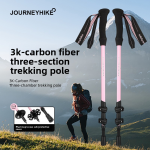
FiTiFT’s 3K Carbon Fiber Trekking Poles exemplify their quality commitment. These poles feature advanced materials that resist environmental damage. Carbon fiber construction offers superior strength while remaining lightweight.
| Feature | Carbon Fiber Poles | Traditional Aluminum Poles |
|---|---|---|
| Abrasion Resistance | High hardness reduces wear | Softer material shows scratches |
| Joint Design | Fewer connection points | More areas for accumulation |
| Maintenance Ease | Simple disassembly for cleaning | Complex mechanisms |
| Weight Advantage | Superior strength-to-weight ratio | Heavier for equivalent strength |
User-friendly maintenance is a core design priority. The equipment disassembles easily for thorough cleaning. Replacement parts are readily available when you need to order them.
Choosing FiTiFT means investing in thoughtful design. Their comprehensive approach supports your entire outdoor experience. You get quality products that withstand demanding conditions.
Quality gear should enhance your adventure, not create maintenance headaches.
FiTiFT pays attention to the details that matter most. Their products demonstrate a lot of care in engineering and construction. This commitment ensures your gear performs when you’re miles from home.
Conclusion
Proper maintenance transforms what could be a frustrating chore into a simple routine that protects your investment. Whether dealing with recreational gear or commercial installations, the principles of thorough cleaning and regular care remain essential.
Taking a little time after each use pays off dramatically. It prevents abrasive wear that leads to costly replacement or repair. Your equipment stays reliable when you need it most.
As you gain experience, you’ll develop your own efficient approach. Different pole types require specific techniques, but the goal is always the same: keeping all parts functioning smoothly.
With consistent care, your poles and other telescoping sections will serve you well for many adventures to come. The small effort today saves significant hassle tomorrow.
FAQ
How often should I clean my trekking poles to prevent sand buildup?
It’s a good idea to give your equipment a quick check and a light cleaning after every major outing. A more thorough inspection and deep clean should happen every few months, depending on how often and where you use your gear. This helps keep everything working smoothly for a long time.
What’s the best way to get fine debris out of the bottom section of my poles?
For stubborn grit stuck deep inside, try using a blast of compressed air. You can also carefully flush the part with clean water. Always make sure the piece is completely dry before storing it to avoid any damage or rust.
Can sand actually cause permanent harm to my outdoor poles?
Yes, over time, small abrasive particles can wear down the inner sleeves and locking mechanisms. This can lead to a wobbly feel and less stability. Regular maintenance is the key to preventing this type of wear and tear.
What should I do if a section of my pole is damaged beyond repair?
Many manufacturers, like FiTiFT, offer individual component replacement services. Instead of buying a whole new set, you can often order just the specific part you need. This saves you money and gets your favorite gear back in action quickly.
Are there any special tools I need for basic pole maintenance?
You don’t need a lot of fancy equipment. A soft brush, some mild soap, a cloth, and maybe some compressed air are usually all you need. The most important tool is taking a little bit of time for care after your adventures.