Welcome to your friendly guide on keeping your outdoor gear in top shape! If you love hiking, trekking, or camping, you know that your equipment faces tough conditions. Sun, rain, and wind can all take a toll over time.
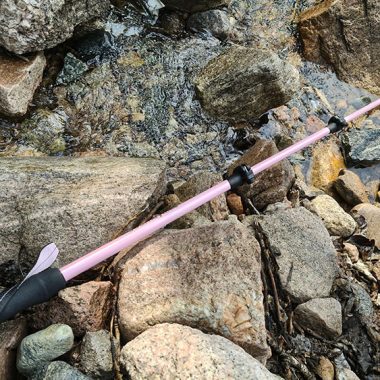
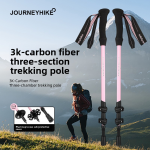
Understanding how to protect your gear is key to making it last for many years. For example, high-quality items like FiTiFT’s 3K Carbon Fiber Trekking Poles are built for performance. Proper care ensures they deliver reliable service trip after trip.
Did you know that the U.S. Department of Defense defines this kind of wear as a material’s reaction with its chemical environment? It’s not just about rust on metal parts. This process can affect various materials and components in your outdoor essentials.
This guide will share practical strategies and maintenance tips. You’ll learn how to shield your investment from environmental elements. We want to empower you with the knowledge to extend the life of your valuable equipment.
Key Takeaways
- Proper maintenance significantly extends the service life of your outdoor equipment.
- Environmental elements like sun and moisture cause material deterioration over time.
- High-performance gear, such as carbon fiber trekking poles, deserves specific protection routines.
- Corrosion is a chemical process that affects more than just metal surfaces.
- Simple, consistent care practices can save you money by avoiding premature replacement.
- Understanding these principles helps you make smarter choices about gear selection and storage.
Introduction to Outdoor Equipment Corrosion Concerns
The gradual deterioration of materials is an inevitable reality for gear exposed to nature’s elements. This natural process affects even high-quality equipment like FiTiFT’s outdoor sports products.
Understanding how materials break down helps you protect your investment effectively. Proper care ensures your gear delivers reliable performance for many adventures.
Defining Corrosion and Its Impact on Outdoor Gear
Corrosion occurs when materials react chemically with their environment. Think of it as nature slowly reclaiming manufactured items over time.
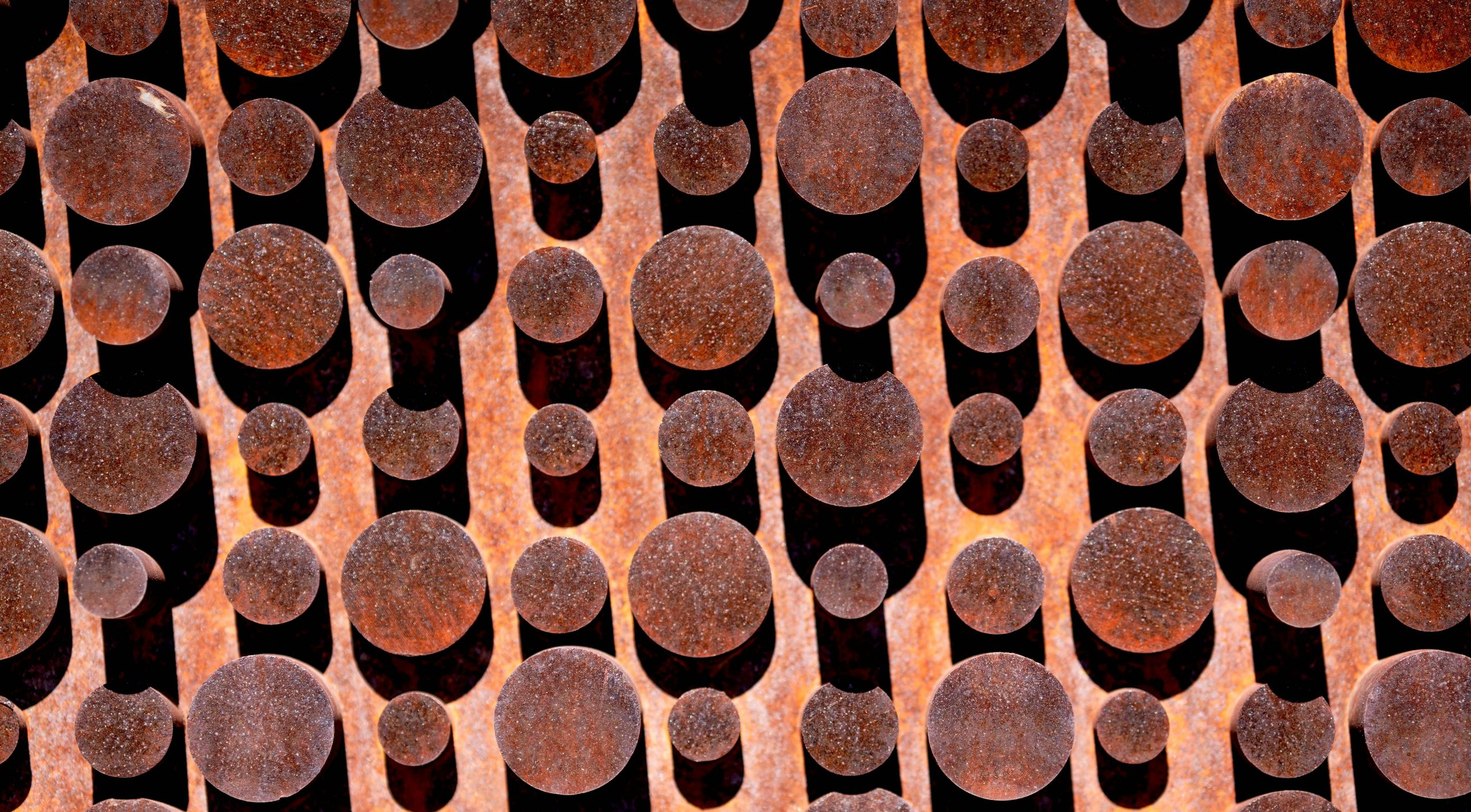
Rust forms when iron or steel meets oxygen and moisture. This visible sign indicates deeper material breakdown happening beneath the surface.
Different environments accelerate this process at varying rates. Coastal salt spray, humid conditions, and UV exposure all contribute to equipment deterioration.
The Importance of Regular Maintenance for Longevity
Regular maintenance extends your equipment’s service life significantly. It’s not just about appearance—it’s about safety and reliability.
FiTiFT’s gear withstands tough outdoor conditions beautifully. Consistent care routines ensure optimal performance year after year.
The initial time investment in maintenance pays dividends. You avoid costly replacements and enjoy worry-free adventures.
| Corrosion Type | Primary Causes | Equipment Impact |
|---|---|---|
| Surface Rust | Oxygen + moisture exposure | Locking mechanism failure |
| Deep Pitting | Salt water or chemical contact | Structural weakness in poles |
| Stress Corrosion | Repeated use + environmental factors | Tip deterioration and grip loss |
| Galvanic Reactions | Different metals touching | Accelerated breakdown at joints |
Understanding Galvanic Corrosion in Mixed-Metal Systems
The combination of different metals in trekking poles and other equipment sets up a hidden battle between materials. This electrochemical process can dramatically shorten your gear’s lifespan when moisture enters the picture.
How Galvanic Corrosion Occurs
Think of it as a tiny battery forming between dissimilar metals. When they make contact with an electrolyte like water, one metal becomes the anode and sacrifices itself.
The other metal acts as the cathode, receiving electrons. This electron transfer causes the anode to deteriorate rapidly. Common gear combinations like aluminum poles with steel locks create this risky scenario.
Examples from Real-World Outdoor Structures
The Statue of Liberty shows how serious this issue can be. Its copper skin and iron framework created galvanic action that required massive restoration after 100 years.
Even protective coatings eventually fail. Historical shipbuilders learned this lesson when iron nails disintegrated in copper-plated hulls. Simple barriers like paper sometimes prevented the destructive contact.
Understanding these principles helps you spot risky metal combinations in your own equipment. Proper isolation techniques can save your gear from premature failure.
Expert Strategies for Preventing Corrosion on Carbon Pole Hardware
Industry experts have developed three powerful strategies that work together to stop material breakdown. These methods create a comprehensive defense system for your equipment’s metal parts.
Key Principles in Corrosion Prevention
Physical barriers provide the first line of defense. Simple solutions like nylon washers between steel bolts and aluminum sections prevent direct contact.
Protective coatings offer another layer of security. Galvanizing applies a zinc layer that sacrifices itself to protect underlying carbon steel.
Moisture management completes the protection system. Keeping equipment dry and ensuring proper drainage prevents electrolyte exposure.
| Protection Method | Primary Function | Common Applications |
|---|---|---|
| Physical Barriers | Isolate dissimilar metals | Washers, tape, insulators |
| Sacrificial Coatings | Zinc layer corrodes first | Galvanized steel components |
| Moisture Control | Limit electrolyte contact | Drainage holes, sealants |
| Cathodic Systems | Electrochemical protection | Large structures, marine gear |
Effective prevention combines multiple approaches rather than relying on one method. This layered defense works for both industrial applications and personal gear.
Proper design considerations include material selection and isolation techniques. These principles ensure long-term durability for your valuable equipment.
Practical Maintenance Tips for Your 3K Carbon Fiber Trekking Poles
Taking just a few minutes after each hike can protect your gear investment for years to come. Your FiTiFT trekking poles are built for durability, but proper care ensures they perform reliably season after season.
Cleaning and Coating Techniques
Start with a quick rinse using fresh water after every outdoor adventure. Pay special attention to adjustment points and locking mechanisms where debris accumulates.
For thorough cleaning, disassemble the sections and use mild soap for stubborn dirt. Dry each component completely before reassembly to prevent moisture buildup. Apply a thin layer of silicone spray to steel parts periodically for extra protection.
Proper Storage and Routine Service
Store your equipment in dry, climate-controlled spaces rather than damp areas. Keep poles slightly extended rather than fully compressed during storage.
Regular inspections help catch early signs of wear. Look for discoloration on metal surfaces and test all adjustments for smooth operation. Consistent maintenance takes minimal time but prevents unexpected failures during critical moments.
Establish a simple schedule: quick cleanings after use, detailed inspections every few months, and comprehensive service annually. This routine keeps your FiTiFT poles ready for whatever the trail brings.
Material Choices and Protective Coatings for Outdoor Applications
Modern outdoor equipment benefits from sophisticated material science that combines durability with weather resistance. The right selection of metals and surface treatments determines how well your gear performs season after season.
Benefits of Zinc, Aluminum, and Stainless Steel
Stainless steel stands out for its chromium content. This creates a passive protective layer that resists oxygen and moisture effectively.
Aluminum naturally forms a protective oxide layer. It’s lightweight and ideal for trekking applications. However, it needs protection from contact with other metals.
Zinc plays a dual role in equipment protection. Through galvanizing processes, it sacrifices itself to protect underlying steel structures. This makes it cost-effective for many outdoor applications.
“The marriage of proper material selection with advanced coating technologies creates equipment that can withstand decades of outdoor exposure.”
Innovative Coating Solutions to Combat Rust
Advanced coating technologies offer superior protection for metal surfaces. Fusion-bonded epoxy creates incredibly strong barriers against environmental elements.
TGIC polyester powder coatings combine durability with attractive finishes. They withstand heavy weather conditions beautifully. Oxide ceramic treatments keep metals rust-free for extended periods.
Different coating types serve various outdoor needs effectively. Paint provides basic protection but requires regular maintenance. Powder coatings offer superior chemical resistance and longevity.
| Coating Type | Protection Level | Best Applications |
|---|---|---|
| Powder Coating | High durability | Fences, railings, signs |
| Galvanizing | Sacrificial protection | Structural steel components |
| Epoxy Coating | Maximum barrier | Marine environments |
| Ceramic Treatment | Decades-long protection | Critical metal parts |
Quality manufacturers balance performance, weight, and cost when selecting materials and coatings. This thoughtful approach ensures your outdoor equipment delivers reliable service through countless adventures.
Design Considerations and Installation Best Practices
Smart design choices form the bedrock of equipment longevity and reliability. The decisions made during the creation process determine how well your gear withstands environmental challenges over many years of service.
Isolating Dissimilar Metals to Prevent Corrosion
When different metals must work together, engineers incorporate physical barriers to prevent direct contact. Nylon washers, plastic bushings, and dielectric unions create essential separation between components.
This isolation technique stops galvanic reactions before they start. Proper surface preparation followed by protective coating layers adds another defense layer.
Optimizing Installation for Long-Term Durability
Installation quality directly impacts equipment life. Ensure drainage paths remain clear and avoid water traps in hollow sections. Maintain protective coatings during assembly to preserve their effectiveness.
Compatible fasteners prevent problematic galvanic cells from forming. The Guam Navy Hospital project demonstrates these principles in action.
Their coastal location required galvanized steel, stainless components, and careful metal isolation. This approach achieved the facility’s 50-year design life expectation.
Well-designed trekking poles incorporate these professional principles from the factory. Users can apply the same thinking during repairs or modifications for extended service life.
Conclusion
Your gear’s longevity depends on simple, consistent care habits you can start today. Understanding material reactions and applying protective strategies keeps your equipment performing reliably for many years.
Quality outdoor gear deserves attention to metal components and proper storage. Regular maintenance ensures safety when you need dependable performance on challenging terrain.
FiTiFT builds durable carbon fiber trekking poles with smart design and premium materials. Protecting your investment with these practices extends your gear’s service life significantly.
Explore FiTiFT’s high-quality outdoor sports gear, including their 3K Carbon Fiber Trekking Poles. Proper care means more adventures with equipment you can trust.
FAQ
What is the most common type of rust that affects outdoor metal structures?
The most common type is galvanic corrosion. This happens when two different metals, like steel and aluminum, are in contact with each other and exposed to water. One metal acts as an anode and sacrifices itself to protect the other, the cathode, leading to rapid deterioration.
How can I protect my carbon fiber trekking poles from surface damage and rust on the hardware?
A key strategy is applying a protective barrier. Regular cleaning to remove dirt and moisture is crucial. You can also use specialized coatings or waxes designed for outdoor gear. For the metal components like clips or tips, a zinc coating or choosing stainless steel parts offers excellent defense.
Why is it important to isolate dissimilar metals in outdoor equipment design?
Isolating different metals prevents galvanic corrosion. When dissimilar metals like carbon steel and aluminum touch in a wet environment, an electrical current can flow, causing one metal to corrode faster. Using insulating materials, like plastic or rubber gaskets, between them stops this process and extends the life of your gear.
What are the benefits of using a cathodic protection system for large outdoor structures?
Cathodic protection is a fantastic long-term solution. It works by making the entire metal structure a cathode. This is often done by connecting it to a “sacrificial anode,” usually made of zinc or magnesium. This anode corrodes instead of the structure, providing years of effective rust prevention for things like poles and supports.
Besides coatings, what other design considerations help prevent corrosion?
Smart design is a powerful tool. Avoiding areas where water can pool, ensuring good drainage, and selecting the right materials for specific environments are all vital. For instance, using aluminum alloys or specific grades of stainless steel in coastal areas can significantly boost durability and service life.