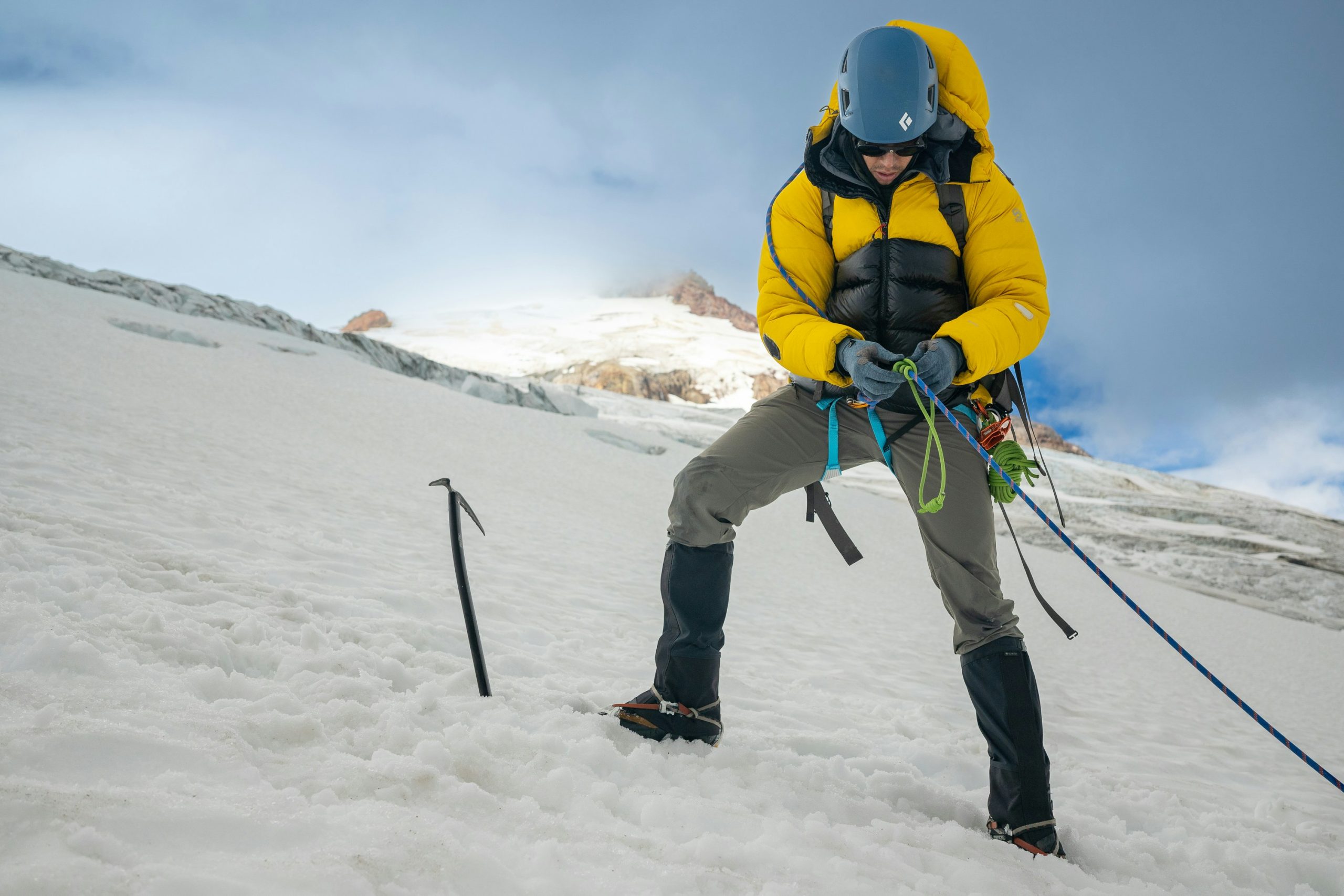
Outdoor adventures demand reliable equipment that enhances performance and safety. More enthusiasts are discovering the value of proper hiking support tools for their journeys.
FiTiFT stands committed to delivering premium outdoor sports gear for diverse terrain challenges. Our focus remains on creating products that balance quality with accessibility for all adventure levels.
Quality support tools transform outdoor experiences by reducing joint impact and improving stability. They provide crucial assistance on uneven trails and steep inclines.
This guide explores innovative pole designs that combine strength with minimal weight. Readers will discover detailed feature comparisons and expert selection advice.
The right equipment makes challenging paths more manageable and enjoyable. Proper gear selection ensures comfort and confidence during extended excursions.
Key Takeaways
- Trekking poles significantly reduce joint strain during outdoor activities
- Carbon fiber construction offers ideal weight-to-strength ratio
- Proper equipment selection enhances balance on difficult terrain
- Quality poles improve overall hiking endurance and safety
- Innovative designs make advanced features accessible to all users
- Equipment investment pays off through enhanced outdoor experiences
- Expert guidance helps match gear to individual needs and skill levels
Introduction to Trekking Poles and FiTiFT’s Commitment
Experienced backpackers and day hikers consistently rely on specialized support tools for enhanced trail performance. Outdoor expert Michael Lanza observes this universal adoption among seasoned adventurers.
One of the most immutable truisms about hiking is that backpackers, dayhikers, climbers, mountain runners, and others who start using trekking poles almost never hit the trail without them again.
These essential tools significantly reduce strain on leg muscles, joints, and back. They also minimize accidental fall risks across diverse terrain conditions.
FiTiFT embraces this understanding through dedicated outdoor gear development. The brand focuses on premium equipment that performs comparably to established names like Black Diamond.
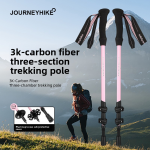
Their flagship 3K Carbon Fiber Trekking Poles exemplify this commitment. This two-pack delivers professional-grade support without excluding budget-conscious adventurers.
Field testing across thousands of trail miles validates equipment performance. Expert opinions confirm that proper gear selection transforms outdoor experiences.
FiTiFT’s approach ensures various outdoor needs receive appropriate solutions. The company maintains competitive pricing while delivering reliable trail support.
The Benefits of Affordable Carbon Fiber Trekking Poles
The integration of advanced materials in outdoor gear has revolutionized how adventurers approach challenging terrain. Modern carbon fiber poles deliver exceptional strength while maintaining minimal weight. This combination reduces arm fatigue during extended hiking sessions.
These support tools provide crucial joint protection by distributing impact forces away from knees and hips. They offer superior stability on uneven trails and stream crossings. The vibration absorption properties minimize hand and wrist strain over long distances.
Carbon fiber trekking poles serve multiple functions beyond basic walking support. Adventurers use them for tent pitching, testing ground stability, and clearing vegetation. This versatility makes them indispensable backcountry companions.
| Feature | Carbon Fiber Poles | Aluminum Alternatives |
|---|---|---|
| Weight (per pole) | 180-220 grams | 250-320 grams |
| Vibration Dampening | Excellent | Moderate |
| Durability Impact | High strength-to-weight | Bends under stress |
| Long-term Value | Superior performance | Lower initial cost |
The investment in quality fiber poles demonstrates clear long-term value compared to budget options. Their advanced construction removes barriers for hikers seeking premium performance. This accessibility ensures more outdoor enthusiasts can enjoy enhanced trail experiences.
Understanding Different Trekking Pole Designs
Modern hiking support tools come in two primary configurations that serve different adventure needs. The choice between traditional telescoping models and innovative folding designs affects everything from packability to on-trail performance.
Traditional Telescoping vs. Folding Poles
Telescoping trekking poles feature multiple adjustable sections that slide into one another. These typically offer greater length customization, making them versatile for various users and terrain.
Folding poles utilize an internal cord system that allows sections to collapse into a compact bundle. This design prioritizes space efficiency over adjustability range.
| Design Feature | Telescoping Poles | Folding Poles |
|---|---|---|
| Adjustability Range | Full length spectrum | Limited or fixed lengths |
| Folded Length | 25-35 inches | 14-20 inches |
| Deployment Speed | Section-by-section adjustment | Quick snap setup |
| Ideal Use Case | Variable terrain & shared use | Ultralight & fast-paced hiking |
Pros and Cons of Each Design
Telescoping models provide superior stability for heavy loads and rough trails. Their sturdy construction handles aggressive use but adds weight and bulk.
Folding poles excel in packability and rapid deployment. They’re perfect for runners and fastpackers who need equipment that stows quickly. However, they offer less length customization.
Each design serves specific outdoor activities effectively. Consider your primary use patterns when selecting between these innovative support systems.
Comparing Carbon Fiber and Aluminum Poles
When evaluating support tools for outdoor activities, the construction material significantly influences weight, durability, and overall functionality. Both carbon fiber and aluminum options offer distinct advantages for different hiking scenarios.
Weight and Durability Considerations
Carbon fiber poles typically weigh 10-14 ounces per pair, falling into the ultralight category. Aluminum alternatives range from 12-19 ounces, providing slightly more weight for increased impact resistance.
The durability trade-off is clear. Carbon constructions offer superior strength-to-weight ratios but can sheer under extreme lateral stress. Aluminum models bend rather than break, making them more forgiving during accidental impacts.
Vibration dampening represents another key difference. Carbon materials absorb trail shock effectively, reducing hand fatigue. Aluminum transmits more vibration but costs approximately $50 less for comparable models.
Weight classifications help users select appropriate gear. Ultralight options (under 12 oz) suit fast-paced hiking. Lightweight poles (12-15.9 oz) balance performance and durability. Sturdy models (16+ oz) handle aggressive use on technical terrain.
Design Features: Collapsibility, Adjustability, and Packability
Smart design transforms hiking support tools from simple accessories into essential gear systems. The right combination of features ensures your equipment adapts to your body and your journey.
Adjustability ranges are critical for accommodating different user heights and terrain variations. They also enable specific activities like pitching ultralight tents.
Many shelters require poles that extend to at least 125 centimeters. Some models need 130 to 135 centimeters for a proper pitch.
Extended Adjustability Ranges
The Gossamer Gear LT5 poles demonstrate excellent range. They extend from 105 to 130 centimeters, with a collapsed length of 60 centimeters.
Black Diamond’s Distance Carbon FLZ models offer five adjustable sizes. They pack down to a compact 34-40 centimeters.
This versatility allows multiple users to share a single set of trekking poles. It also provides flexibility for ascending and descending steep slopes.
A short collapsed length matters for airline travel and minimalist packing. Compact poles attach easily to packs or fit inside luggage.
This specification is typically measured per pair for total packability. The relationship between section count, weight, and packability involves key trade-offs.
| Lock Mechanism | Reliability | Ease of Use |
|---|---|---|
| Twist Locks | Good (requires maintenance) | Moderate (can freeze) |
| Lever Locks (FlickLock) | Excellent | High (glove-friendly) |
| External Quick Locks | Very Good | High (simple operation) |
Choosing the right locking system prevents accidental collapse during use. It ensures safety and stability on challenging trails.
Always verify extension requirements if you use pole-supported tents. This prevents compatibility issues in the backcountry.
The best trekking poles offer a balance of a generous collapsed length and reliable adjustment. This creates a versatile tool per pair for any adventure.
Expert Reviews and Field Testing Insights
Rigorous field evaluation transforms theoretical specifications into practical trail performance insights. Professional testers provide the most reliable assessments through extensive real-world exposure.
In-Field Opinions from Michael Lanza’s Reviews
Michael Lanza brings exceptional credibility to gear evaluation. He served as lead reviewer for Backpacker magazine for ten years.
His testing spans over twenty-five years across thousands of trail miles. This extensive experience covers diverse environments and conditions.
Lanza’s methodology involves multi-season testing under realistic use scenarios. He evaluates equipment during extended backpacking trips with heavy loads.
Real-World Testing on Rugged Terrain
Professional testing occurs in challenging locations like Wyoming’s Wind River Range. These environments reveal how gear performs on truly rugged terrain.
Testers use equipment during technical mountain scrambles and stream crossings. They assess performance on wet, slippery, and rocky trails.
This approach provides data that laboratory testing cannot replicate. Real-world conditions expose durability issues over hundreds of miles.
| Testing Environment | Specific Challenges | Performance Metrics |
|---|---|---|
| Grand Canyon Routes | Extreme elevation changes, heat exposure | Joint impact reduction, heat resistance |
| Idaho’s Sawtooth Mountains | Technical scrambles, variable weather | Stability on uneven surfaces, weather durability |
| Utah’s Canyon Country | Sandy conditions, rock obstacles | Traction performance, impact absorption |
Comparisons with brands like Black Diamond help establish performance benchmarks. This comprehensive testing methodology ensures reliable recommendations for all outdoor enthusiasts.
Performance Metrics and Key Specifications
Technical specifications provide the foundation for selecting equipment that matches your outdoor objectives. Understanding these metrics ensures your gear performs reliably across diverse conditions.
Weight, Collapsed Length, and Maximum Extendable Size
Weight categories help users identify suitable support tools. Ultralight models weigh under 12 ounces per pair, like the Gossamer Gear LT5 at 10 ounces.
Lightweight options range from 12-16 ounces. Standard models exceed 16 ounces for rugged use.
Collapsed length determines packing efficiency. The Black Diamond Distance Carbon Z folds to just 33cm. This compact size facilitates easy transport.
Extension ranges accommodate different user heights. Most adults require 110cm to 140cm maximum length. Proper sizing ensures optimal performance.
Locking Mechanisms and Grip Quality
Secure locking systems prevent accidental collapse during use. Twist locks offer simplicity but require maintenance. Lever systems provide glove-friendly operation.
Grip materials impact comfort during extended use. Cork molds to hand shape over time. EVA foam excels in moisture management.
Well-designed wrist straps distribute weight effectively. They prevent pole loss on challenging terrain. Proper strap adjustment enhances control and reduces fatigue.
These features combine to create reliable trekking poles that support diverse outdoor activities.
Durability and Engineering in Outdoor Gear
Advanced engineering principles separate premium hiking tools from basic recreational gear. The material composition and manufacturing processes determine how equipment performs under stress.
Carbon Fiber Strength and Resilience
High-quality carbon fiber construction relies on precise layup techniques and resin systems. This creates exceptional tensile strength while maintaining minimal weight. The material’s vibration dampening properties reduce fatigue during extended use.
Reinforcement technologies like Kevlar integration enhance impact resistance. MSR DynaLock Ascent poles demonstrate this with bombproof, reinforced construction. These design features prevent catastrophic failures under normal trail conditions.
Real-world testing validates engineering choices across diverse environments. Black Diamond Alpine Carbon Cork poles survived a 94-mile Glacier National Park traverse. They maintained performance through backcountry skiing and mountain scrambling.
Proper stress distribution prevents lateral force damage. Carbon poles offer superior fatigue resistance compared to aluminum alternatives. Their corrosion resistance ensures longevity with basic maintenance.
These engineering advantages create reliable trekking poles for demanding adventures. The combination of material science and quality control produces gear that withstands years of use.
User Experiences and Field Testimonials
The true measure of outdoor gear quality emerges from extensive field use by dedicated adventurers. Seasoned hikers provide invaluable insights into how equipment performs under real-world stress.
Feedback from Ultralight Hikers and Backpackers
Ultralight enthusiasts consistently praise reliable support tools that withstand demanding conditions. One hiker reported, “My Black Diamond poles survived a brutal two-day journey through Idaho’s White Cloud Mountains.”
These trekking poles handled off-trail navigation and a 5,000-foot ascent of Horstman Peak. The equipment proved essential during stream crossings and loose scree fields.
Another backpacker completed a 74-mile Grand Canyon traverse using Gossamer Gear support tools. They noted, “The 15-mile Escalante Route tested every component, but my poles remained dependable.”
Extended backpacking trips reveal true durability. A seven-day, 96-mile Wind River High Route journey demonstrated how quality gear performs over varied terrain.
Weekend warriors and thru-hikers alike appreciate versatile trekking poles that adapt to different activities. The right tools make challenging routes more manageable and safe.
Black Diamond models have earned respect across diverse user groups. Their performance on technical terrain and long-distance backpacking trips sets a high standard.
These field testimonials confirm that proper support equipment enhances outdoor experiences. Reliable trekking poles become trusted companions on any adventure.
Safety and Comfort Features for Endurance Performance
Ergonomic considerations in support equipment design prevent fatigue and enhance trail performance significantly. Proper grip and strap systems transform strenuous hikes into manageable journeys.
Ergonomic Grips and Wrist Strap Design
Extended foam grips allow multiple hand positions for varied terrain challenges. Users can choke up during steep ascents or adjust grip for descents. This versatility reduces repetitive stress injuries.
Material selection impacts comfort across temperature ranges. EVA foam grips excel in moisture management during warm conditions. Cork alternatives mold to hand shape over time for personalized fit.
Proper wrist straps transfer weight from hands to wrists efficiently. This reduces grip pressure and prevents blisters during extended use. Adjustable designs accommodate different arm sizes.
Partly mesh nylon wrist straps improve breathability in warm weather. Breakaway safety features prevent injury during accidental falls. Reflective elements enhance visibility in low-light conditions.
Grip circumference and shape affect comfort for various hand sizes. Smaller hands benefit from narrower profiles. Larger hands require more substantial foam grips for proper support.
Well-designed trekking poles with ergonomic wrist straps make long-distance hiking more enjoyable. They reduce fatigue and improve stability on challenging terrain.
Value Proposition: High-Quality Gear at Affordable Prices
Market dynamics have shifted dramatically, making premium outdoor equipment accessible to a broader range of enthusiasts. Advanced manufacturing techniques and streamlined distribution channels now deliver professional-grade performance without premium pricing.
FiTiFT exemplifies this evolution with their 3K Carbon Fiber Trekking Poles available as a two-pack. These support tools combine lightweight construction with durable performance, tested on challenging routes like the Grand Canyon’s Gems Route.
| Price Tier | Typical Features | Target User |
|---|---|---|
| Under $100 | Carbon construction, basic adjustability | Budget-conscious hikers |
| $100-$150 | Enhanced locking systems, better grips | Regular backpackers |
| $150-$200 | Premium materials, advanced features | Professional guides |
| $200+ | Specialized designs, ultralight focus | Elite athletes |
Many assume lower-cost options compromise on quality, but field testing contradicts this perception. Brands like Black Diamond face competition from companies using direct-to-consumer models that eliminate retail markups.
This approach allows FiTiFT to offer their carbon fiber trekking poles with specifications rivaling more expensive alternatives. The Black Diamond aluminum models demonstrate how material choices affect pricing while maintaining performance.
Explore FiTiFT’s complete selection of hiking support tools at their product page for equipment that balances cost and capability. Their trekking poles represent the new standard in value-driven outdoor gear.
Comparative Analysis of Top Trekking Pole Models
The premium hiking support market features several standout performers with unique characteristics. Each model offers distinct advantages for different outdoor scenarios.
Highlights from MSR DynaLock, Black Diamond, and Gossamer Gear
The MSR DynaLock Ascent earns a 4.5 rating with exceptional durability. Its folding design packs to just 36.2cm while offering two adjustable sizes.
Black Diamond Distance Carbon FLZ provides remarkable versatility. Five adjustable sizes from 95-140cm accommodate various users. This model folds compactly for easy transport.
Gossamer Gear LT5 focuses on minimalist performance. At just 10 ounces per pair, it delivers ultralight capability without sacrificing reliability. The adjustable range suits most backpacking needs.
Black Diamond Alpine Carbon Cork serves year-round adventurers. Its extended grip design supports multiple activities from hiking to skiing. The model offers dependable performance across seasons.
Each option excels in specific use cases. The MSR DynaLock suits rugged terrain, while distance carbon flz models favor versatile users. Choose based on your primary outdoor activities.
Tips for Selecting the Right Trekking Pole for Your Adventure
The right choice of walking aids can transform your outdoor experience by aligning gear capabilities with terrain demands. Your primary activity determines which features matter most for optimal performance.
Matching Gear to Terrain and Activity Type
When you choose trekking equipment, consider weight categories carefully. Ultralight models under 12 ounces suit runners and minimalists. Lightweight options between 12-16 ounces work well for general hiking.
Sturdier models excel with heavy loads on technical terrain. Rocky, off-trail environments demand more durable construction. Maintained trails allow for lighter choices.
Tent compatibility is crucial for backpackers using pole-supported shelters. Verify your equipment extends to 125-135 centimeters for proper pitching. This ensures your shelter setup works correctly.
Design selection depends on your packing needs. Folding models offer superior packability for running and alpine climbing. Telescoping designs provide better adjustability for varied terrain.
Most users prefer pairs for balance and stability. However, some scrambling activities may benefit from using one pole. Consider your specific movement patterns when you choose trekking gear.
The best trekking equipment matches your height and activity requirements. Fixed-length options work for consistent users. Adjustable models accommodate different situations and shared use.
Ultimately, the best trekking poles balance weight, durability, and functionality. Test different options to find what works for your adventures. Proper selection enhances safety and enjoyment on every trail.
Maintaining and Caring for Your Trekking Poles
Proper maintenance routines extend the functional lifespan of your hiking support equipment. Consistent care prevents premature wear and ensures reliable performance on every adventure.
Cleaning, Storage, and Regular Inspections
After each hike, clean your equipment to remove dirt and debris. Pay special attention to locking mechanisms where grit can compromise adjustability.
Store your gear in dry environments with locking mechanisms loosened. This prevents corrosion and maintains component integrity during off-seasons.
Conduct regular inspections for wear indicators. Check for shaft scratches, grip deterioration, and basket damage. Test locking function before important trips.
Different materials require specific care. Cork grips benefit from occasional light sanding to maintain texture. Clean foam grips with mild soap to preserve their cushioning.
Repair and Longevity Tips
Carry essential repair tools like Allen wrenches for FlickLock adjustments. Spare baskets address the common issue of loss during rough terrain use.
Troubleshoot slipping sections by cleaning and tightening mechanisms. For stuck twist locks, apply gentle heat and lubricant. Replace worn carbide tips to maintain traction.
Avoid lateral stress on carbon fiber constructions during use. Select appropriate baskets for different terrain conditions. These practices significantly extend your trekking poles‘ service life.
Proper technique and maintenance make your trekking poles trusted companions for years. They reward careful attention with dependable trail performance.
How FiTiFT Meets Your Outdoor Needs with Premium Gear
FiTiFT’s approach to outdoor equipment focuses on making professional-grade performance available to all adventurers. The company believes everyone deserves reliable gear that enhances their outdoor experiences.
Commitment to Quality and Innovation
FiTiFT integrates advanced materials and manufacturing techniques into every product. Their 3K construction sets a new standard for durability and weight management.
The company’s two-pack offering delivers features comparable to premium brands like Black Diamond. Each pair undergoes rigorous testing to ensure trail-ready performance.
FiTiFT maintains strict quality control throughout production. Their customer support team provides expert guidance for equipment selection and use.
This commitment extends across different activity types and skill levels. From casual hikers to seasoned backpackers, FiTiFT creates tools that adapt to diverse needs.
The brand’s direct-to-consumer model eliminates unnecessary markups. This approach makes high-performance trekking poles accessible without compromising quality.
Explore FiTiFT’s complete selection at their product page for equipment that balances innovation with value. Their mission helps more people discover the joys of outdoor adventure.
Conclusion
The journey to finding optimal hiking companions begins with understanding key performance features. Quality support tools transform outdoor experiences by reducing strain and improving stability.
Throughout this guide, we’ve explored how trekking poles combine lightweight construction with durable performance. Standout models like the Black Diamond Distance Carbon FLZ and Gossamer Gear LT5 demonstrate exceptional engineering.
When selecting your gear, consider weight per pair, collapsed length, and the choice between folding poles and telescoping poles. Features like comfortable wrist straps and ergonomic foam grips enhance endurance.
FiTiFT’s 3K construction delivers professional-grade performance at accessible pricing. Their commitment to quality ensures reliable support for all adventure levels.
Explore FiTiFT’s complete selection to find the best trekking equipment for your needs. Visit their product page to discover tools that will enhance your outdoor journeys.
FAQ
What are the main advantages of using carbon fiber for my next pair of hiking poles?
The primary benefits include a significant reduction in weight, which reduces arm fatigue on long backpacking trips, and excellent vibration dampening for a smoother feel on rugged terrain. These materials offer a great balance of strength and lightness.
How do folding designs, like the Black Diamond Distance Carbon FLZ, compare to traditional telescoping models?
Folding poles, such as the Distance Carbon FLZ, offer superior packability with a shorter collapsed length, making them easier to stow. Telescoping options, like the Black Diamond Alpine Carbon Cork, provide a wider range of adjustability, which can be beneficial for varied slopes.
Are these types of poles durable enough for challenging trails and heavy use?
A>Yes, modern engineering ensures high resilience. While aluminum can bend, high-quality carbon fiber is designed to withstand significant stress. Proper care, like avoiding jamming them in rocks, is key to maximizing their lifespan on any adventure.
What should I look for in the grip and wrist straps for all-day comfort?
A>Seek ergonomic foam grips that wick moisture and reduce hot spots. The wrist strap design should distribute pressure evenly and be easily adjustable. These features are crucial for endurance performance and preventing strain.
How do I choose the correct length for my needs?
A>When holding the pole, your elbow should form a 90-degree angle. Most adjustable models cater to a wide range of heights. Consider the terrain; a slightly longer pole may be preferred for descents, while a shorter one can be better for ascents.
What maintenance is required to keep my gear in top condition?
A>Regularly clean the shafts and locking mechanisms after trips to remove dirt and grit. Store them in a cool, dry place. Periodically inspect for cracks and ensure the locks, like the MSR DynaLock, are functioning smoothly to ensure safety and longevity.
Can you explain the key differences between top models from brands like Gossamer Gear and Black Diamond?
A>Gossamer Gear models, like the LT5, are often favored for their extreme ultralight properties. The Black Diamond Alpine series typically emphasizes robustness and features like cork grips. Your choice should align with your priority: maximum weight savings or enhanced durability for tough conditions.