
Welcome to your complete guide on maintaining high-performance trekking equipment. Proper care for your outdoor gear makes a real difference in longevity and trail performance.
Your hiking poles represent a smart investment in adventure. Learning the right maintenance techniques protects that investment. This knowledge saves money and frustration over time.
We’ll explore everything from material properties to expert care methods. These practices shield your equipment from damage between adventures. Whether you hike weekends or tackle serious trails, these methods work for all quality gear.
Discover how simple habits dramatically improve your equipment’s reliability. This guide offers practical steps you can use immediately. We focus on clear advice from fellow outdoor enthusiasts.
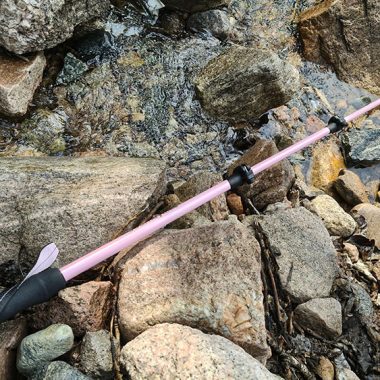
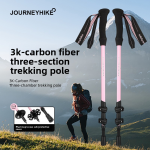
Premium options like FiTiFT’s 3K Carbon Fiber Trekking Poles deserve exceptional care. Let’s explore the best ways to preserve your gear’s peak condition.
Key Takeaways
- Proper maintenance extends the lifespan of your hiking equipment
- Correct care techniques maintain performance on the trail
- Quality trekking poles represent a valuable investment worth protecting
- Simple storage habits prevent damage and save money
- These practices work for all carbon fiber trekking poles
- Immediate implementation of these tips brings quick benefits
- FiTiFT’s premium products respond well to proper care methods
Understanding Carbon Fiber Poles and Their Storage Needs
Understanding what makes your hiking equipment special helps you provide the care it deserves. Premium materials like carbon fiber offer incredible performance benefits. They also require specific attention to maintain their quality over years of use.
Properties of Carbon Fiber and Its Durability
Carbon fiber delivers an exceptional strength-to-weight ratio. This material makes trekking less tiring during long adventures. Unlike aluminum options that might bend or dent, carbon fiber behaves differently under stress.
These poles can withstand significant wear during normal use. However, extreme impacts may cause them to break rather than deform. This fundamental difference affects how you should approach equipment care.
| Characteristic | Carbon Fiber Poles | Aluminum Poles |
|---|---|---|
| Weight Performance | Excellent strength-to-weight ratio | Heavier but very durable |
| Impact Response | May break under extreme stress | Typically bends or dents |
| Environmental Sensitivity | Vulnerable to UV and moisture | More resistant to elements |
| Long-term Maintenance | Requires careful storage conditions | More forgiving storage needs |
Common Storage Challenges for Trekking Poles
Environmental factors present significant risks for carbon equipment. Humidity allows moisture penetration that weakens the material over time. Direct sunlight exposure makes the poles brittle through UV damage.
Physical protection matters greatly during storage. Equipment that gets knocked around may develop alignment issues. Interior cable coatings can suffer damage, preventing proper collapsing functionality.
Many adventurers learn these lessons through experience. One hiker shared, “My poles stayed functional for years until humidity affected the locking mechanism.” Proper care prevents most common problems.
With the right knowledge, you can avoid these issues. Your gear will remain reliable for countless future adventures. Understanding material properties is the first step toward effective preservation.
Choosing the Right Storage Environment
Selecting an appropriate home for your outdoor equipment ensures they remain ready for your next journey. The ideal spot combines dryness, cool temperatures, and protection from direct sunlight. This careful placement prevents material degradation and maintains peak performance.
Consider spaces that stay consistently climate-controlled. Areas prone to humidity or extreme temperature swings can compromise your gear’s integrity. A well-chosen location keeps your investment secure between adventures.
Indoor Storage Options for Optimal Protection
Closets offer excellent protection when they provide enough room. Your equipment should rest without risk of crushing or bending. Wall-mounted racks present a smart solution for vertical storage.
These systems save valuable floor space while keeping your gear perfectly straight. For maximum security, consider long rectangular containers with soft linings. Foam or felt padding prevents scratches during storage.
Outdoor Considerations and Protective Measures
Garages or sheds can work when they maintain stable conditions. Check for proper ventilation and protection from ground-level moisture. Avoid areas where flooding might occur.
When outdoor storage becomes necessary, use protective coverings. Tarps shield against UV rays and weather elements. Always position your gear out of the way to prevent accidental damage.
End caps provide crucial protection for vulnerable tips. They prevent chips and cracks that can develop over time. Keeping your equipment clean and elevated avoids dirt accumulation.
Expert Tips: How to Store Carbon Fiber Poles
Your trekking equipment deserves a proper send-off before its rest period. Following a systematic approach ensures your gear remains in peak condition. These methods protect your investment and maintain performance.
Cleaning and Preparation Before Storage
Begin with thorough cleaning to remove all debris. Use a soft, damp cloth for initial wiping. This first step eliminates loose dirt that could scratch surfaces.
For stubborn stains, create a mild soap and water solution. Gently scrub affected areas without abrasive pressure. Rinse completely to prevent residue buildup.
Complete drying is absolutely essential before putting equipment away. Trapped moisture can compromise material integrity over time. Allow each piece to air dry fully.
Disassembly, Protection, and End-Cap Utilization
Separate telescopic models into individual sections carefully. Follow manufacturer guidelines for twisting or unlocking. Handle the locking mechanism with extra attention during this process.
Some enthusiasts recommend releasing quick locks to reduce component pressure. If you choose this method, make sure all parts remain organized and secure.
Store disassembled pieces in protective tubes or pipes. Cardboard or PVC options work well for keeping sections straight. This prevents bending and surface damage.
Always replace end caps on your equipment tips before storage. This simple habit provides crucial protection against chips and cracks. Your gear will thank you when adventure calls again.
Maintaining Your Trekking Poles for Extended Use
Consistent maintenance transforms your trekking gear from seasonal equipment to lifelong trail companions. Establishing a routine inspection schedule prevents surprises during critical moments on the path.
Regular Inspections and Repair Strategies
Check your equipment every few months for visible damage. Look for cracks in the sections, wear on grips, and tip deterioration. Address minor issues immediately before they worsen.
Many trekking poles cannot receive professional repairs. For coating damage on interior cables, some hikers use duct tape as temporary solutions. One experienced trekker shared, “My poles with cable issues now serve perfectly for local walks in fixed positions.”
Knowing when to replace parts versus entire poles saves money. Minor grip wear might need replacement, while section cracks often mean new equipment.
Managing Locking Mechanisms and Grips
Locking mechanisms require periodic adjustment. For quick locks that slip, tighten the thumb screw until closure becomes difficult. Twist locks need clockwise turns to enlarge the expansion mechanism.
Grip materials respond differently to use. Cork shapes to your hands over time and absorbs water well. EVA rubber grips handle sweat without absorption and provide comfort during extended pressure.
Adjust straps by pulling the plastic wedge slightly. Tug the loose end to shorten or pull one side to lengthen. Firmly replace the wedge to secure your preferred fit.
This regular care ensures your gear remains trail-ready. Proper maintenance builds confidence in your equipment during challenging hiking experiences.
Integrating FiTiFT’s High-Quality Outdoor Gear into Your Routine
Quality trekking gear becomes an extension of your hiking capabilities. FiTiFT delivers premium outdoor sports equipment designed for diverse adventures. Their products meet various outdoor needs from casual walks to serious mountain expeditions.
Leveraging the 3K Carbon Fiber Trekking Poles
FiTiFT’s 3K Carbon Fiber Trekking Poles represent exceptional engineering. This two-pack set benefits greatly from proper care methods discussed earlier. The advanced fiber technology provides ideal strength and lightweight performance.
These trekking poles distribute pressure across your arms and core. This reduces impact on knees and joints during descent. Your hiking experience improves with better stability on uncertain ground.
| Adjustment Method | Proper Technique | Benefit |
|---|---|---|
| Elbow Angle | 90-degree bend when arm rests at side | Optimal comfort and efficiency |
| Natural Swing | Mimic normal walking motion | Maintains rhythm and increases speed |
| Accessory Selection | Choose baskets for specific terrain | Enhanced stability and safety |
Practical Use Tips for Hiking and Trekking
Proper pole setup ensures maximum benefit during your adventures. Adjust sections equally to create that perfect 90-degree elbow angle. This positioning allows natural arm movement while walking.
Different accessories serve specific trail conditions. Rubber tips protect fragile terrain and indoor surfaces. Mud baskets provide crucial support in soft ground, while snow baskets excel in winter conditions.
Investing in a quality set like FiTiFT’s 3K Carbon Fiber Trekking Poles pays dividends. Combine them with proper maintenance for lasting trail performance. Discover these premium poles at FiTiFT’s product page.
Conclusion
Your hiking adventures deserve reliable equipment that stands the test of time and terrain. This guide has shown that proper care makes a significant difference in your gear’s performance and lifespan.
Implementing these simple practices protects your investment and ensures your poles remain trail-ready. Regular cleaning and correct storage prevent unnecessary wear on all components.
Whether you choose carbon or aluminum models, the principles remain similar. Pay special attention to locking mechanisms, grips, and tip protection. Your equipment will thank you during challenging hikes.
Well-maintained trekking poles become trusted companions across diverse landscapes. They support your arms and reduce pressure on your body mile after mile. Share these tips with fellow enthusiasts to spread good gear care habits.
Revisit this guide whenever you need a refresher. Your properly cared-for equipment will deliver countless memorable outdoor experiences.
FAQ
What’s the best way to clean my trekking poles before putting them away?
It’s a good idea to wipe down each section with a damp cloth to remove dirt, mud, and moisture. Pay close attention to the locking mechanism and the tip. Let them air dry completely before storage to prevent any internal damage.
Should I store my poles fully extended or collapsed?
Always collapse them completely. This reduces stress on the material and saves space. For extra care, you can even separate the sections. This helps maintain the integrity of the parts over time.
Can I leave my hiking poles in a hot car or a damp garage?
Avoid extreme temperatures and humidity. A hot car can weaken the resin in the carbon fiber, while a damp environment can lead to corrosion on aluminum parts or the locking mechanism. A cool, dry indoor spot is best.
How do I protect the tips and grips during long-term storage?
Using the included rubber end caps on the tips prevents accidental pokes and wear. If your set came with protective bags for the grips, use them. Otherwise, a simple cloth wrap will shield them from dust and sunlight.
What regular maintenance should I perform on my trekking poles?
Regularly check the locking mechanism for tightness and clean it if grit is present. Inspect the baskets and tips for wear and replace them if needed. A quick inspection after each hike ensures your gear is always trail-ready.
Are carbon fiber poles more fragile than aluminum ones?
Carbon fiber is incredibly strong for its weight but can be brittle under sharp, sideways pressure. Aluminum may bend, while carbon can crack. Proper care, like avoiding slamming them in car doors, is key to a long service life.