Welcome to your friendly guide on keeping your essential hiking gear in top shape! Your trekking poles are more than just equipment; they are trusted companions on the trail. They provide balance on uneven ground and help reduce strain on your knees.
Many hikers prefer models made from advanced materials for their light weight and strength. These poles often feature a popular locking system for quick and secure adjustments. Proper care is the key to making sure they perform reliably for many adventures.
This maintenance doesn’t need to be complicated or time-consuming. With a simple routine, you can prevent common issues like slipping or sticking. This guide will walk you through easy steps to protect your investment.
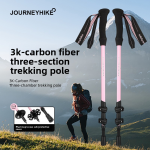
We’ll focus on products like the FiTiFT 3K Carbon Fiber Trekking Poles, designed for various outdoor needs. Our goal is to help you maximize their lifespan. Let’s get started and ensure your next trek is your best one yet!
Key Takeaways
- Regular upkeep is essential for the longevity and performance of your hiking poles.
- Proper maintenance helps prevent common problems like slipping mechanisms.
- Caring for your trekking equipment is a simple process that requires minimal time.
- Understanding the structure of your poles is the first step in effective care.
- Quality gear, like FiTiFT’s carbon fiber poles, is an investment worth protecting.
- A consistent maintenance routine ensures reliability during critical moments on the trail.
Understanding Your Carbon Fiber Trekking Poles
Understanding the build of your gear empowers you to take better care of it. Each component plays a specific role in your comfort and safety on the trail. Knowing how they work together makes maintenance straightforward.
Components and Construction
Your adjustable hiking equipment is a system. It includes the main shaft, grips, straps, tips, and baskets. The locking mechanism is a critical part for secure length adjustment.
This material is woven from thousands of thin strands. A 3K weave pattern creates a grid for incredible strength. This design offers a fantastic strength-to-weight ratio, perfect for long days.
Compared to aluminum alternatives, this material is noticeably lighter. It also does a better job of absorbing trail vibration. This reduces fatigue in your hands and arms during use.
The external cam lever system secures the telescoping sections. You turn the lever to tighten a collar around the inner shaft. This creates a firm, reliable connection at your chosen height.
Key Features of Carbon Fiber Design
The rigidity of this construction provides excellent support on uneven ground. It also offers natural shock absorption with each step you take. This combination is a major benefit for hikers.
Each section of your trekking poles slides smoothly into the next. This telescoping action is key for easy storage and adjustment. Every part must be clean and functioning for optimal stability.
When you know how your equipment works, you can spot small issues early. This knowledge is the foundation of good preventive care. It ensures your poles are always ready for your next adventure.
Expert Guide: lubricating flip locks carbon poles Maintenance
When it comes to keeping your outdoor equipment functioning smoothly, lubrication plays a crucial role. However, it’s essential to approach this task with care and knowledge. Many hikers make common mistakes that can actually damage their gear.
Always consult your specific manufacturer’s guidelines before applying any products. Brands like Leki and Black Diamond often advise against using lubricants entirely. Understanding these recommendations protects your investment.
Why Lubrication is Critical
The moving parts of your adjustment system experience constant friction during use. Metal components in the locking mechanism can gradually wear down without proper care. This friction may lead to sticking or difficulty adjusting your equipment.
Never apply silicone lubricant or oil directly to the pole shafts. This creates a dangerous situation where sections can slip during use. Such slippage could cause collapse when you need stability most.
When lubrication becomes necessary, use silicone-based products specifically designed for this purpose. WD-40 Specialist Silicone Spray and 3-IN-ONE Silicone Lubricant work effectively for hiking poles. These products reduce friction without damaging components.
Apply lubricant carefully by spraying a small amount onto a cloth first. Then gently wipe the pivot points and cam mechanism. Avoid any contact with the shaft surfaces to prevent slipping issues.
Remember that cleaning should always come before lubrication. Often, removing dirt and debris resolves sticking problems completely. Lubrication should be your last resort, not your first solution.
Routine Inspection and Care for Outdoor Gear
Catching small problems early through systematic examination saves you from trailside surprises. Regular checks before and after each adventure form the foundation of reliable equipment performance. This simple habit ensures your gear remains trustworthy when you need it most.
A thorough inspection takes only minutes but provides peace of mind. Focus on key areas where wear typically occurs. Consistent maintenance prevents minor issues from becoming major failures.
Inspecting Lock Mechanisms
Begin with the adjustment system that keeps your equipment secure. Check that levers move smoothly without resistance. Ensure the cam applies proper pressure when engaged.
Look for bends or cracks in metal components. Test the adjustment screw for stripped threads. Even small amounts of dirt can prevent proper engagement.
“The difference between a good hike and a great one often comes down to equipment you can trust completely.”
Identifying Signs of Wear and Damage
Examine shafts carefully for any cracks or splits. Check grips and straps for excessive wear that could lead to slippage. Inspect tips to ensure they remain sharp and intact.
Baskets should show no cracks that might break during walking. Look for loose connections between sections. Address any concerns before your next trekking adventure.
| Inspection Area | What to Look For | Potential Issue |
|---|---|---|
| Locking Mechanism | Smooth lever movement, proper tension | Slippage during use |
| Shaft Sections | Cracks, splits, or delamination | Structural failure |
| Tips and Baskets | Wear, cracks, missing parts | Reduced traction |
| Grips and Straps | Excessive wear, loose fittings | Comfort and safety concerns |
After inspection, test your equipment under controlled conditions. Apply gentle pressure to ensure everything holds securely. This final verification step completes your routine maintenance check.
Proper Cleaning and Lubrication Methods
A muddy trail means your gear needs attention right after your adventure. A simple cleaning routine keeps your equipment reliable and ready for the next hike. This process prevents grit from causing wear on moving parts.
Step-by-Step Cleaning Process
Start by taking apart all the adjustable sections of your hiking poles. This lets you reach interior surfaces where dirt and moisture hide. Rinse each piece under warm, gently flowing water.
Use a soft brush or cloth to remove stubborn grime. Avoid anything abrasive that could scratch the surfaces. For the locking mechanisms, a toothpick works well to clear debris from small crevices.
Dry everything immediately with a lint-free cloth. Then, let all sections air dry completely before putting them back together. This prevents moisture from being trapped inside, which can lead to corrosion.
Don’t forget the tips and baskets. Unscrew removable baskets to clean the threads where mud often builds up. This simple step prevents threading issues later on.
Choosing the Right Silicone Lubricant
Cleaning alone often fixes most sticking problems. If a mechanism still feels stiff after cleaning, a tiny amount of lubricant can help. Always choose a product made for outdoor gear.
Good options include WD-40 Specialist Silicone Spray or 3-IN-ONE Silicone Lubricant. These are formulated not to attract excess dirt. Apply sparingly only to the pivot points of the lock.
Work the mechanism a few times after application. Then, wipe away any extra lubricant. This “less is more” approach keeps your gear clean and functioning smoothly.
| Component | Cleaning Method | Key Tip |
|---|---|---|
| Shaft Sections | Rinse with warm water, dry thoroughly | Ensure interior is completely dry to prevent oxidation |
| Locking Mechanism | Use a toothpick for debris; soft cloth for surfaces | Clean before considering any lubricant |
| Tips & Baskets | Unscrew and clean threads | Prevents mud accumulation and securing issues |
DIY Fixes for Common Pole Lock Problems
Even the best gear can develop issues over time, but many common problems have simple solutions. You don’t always need to buy new equipment. With basic tools and a little know-how, you can often restore full function to your hiking companions.
This guide covers fixes for the two main types of adjustment systems. We’ll start with the external cam lever style.
Fixing Flip Lock Issues
The most frequent issue is a mechanism that won’t hold its length. This usually means the cam needs more tension. Locate the small adjustment screw on the lever.
Use a Phillips screwdriver or hex key to turn it clockwise a quarter turn. Test the tension by extending the pole and applying body weight. If it slips, tighten a bit more.
Sometimes, adjustment isn’t enough. Look for a bent lever or cracked plastic. These parts have reached the end of their life. Contact the manufacturer for a replacement part to swap in.
Resolving Twist Lock Slippage
For internal twist mechanisms, slippage is a common complaint. First, carefully unscrew the segments to disassemble the joint. Be gentle, especially with lightweight materials.
Inspect the plastic expander inside for cracks or wear. Replacing this inexpensive part often solves the problem completely. If a new part isn’t available, a temporary field fix can help.
Wrap a small piece of tape around the expander to increase its diameter and friction. Reassemble and test. Remember, this is a short-term solution; part replacement is best.
| Lock Type | Common Problem | Primary Fix |
|---|---|---|
| External Cam Lever | Won’t stay tight, slips during use | Tighten adjustment screw on the lever |
| Internal Twist | Slippage under pressure | Replace internal plastic expander |
Tips for Storing and Transporting Your Trekking Poles
Your adventures don’t end when you leave the trail. How you care for your equipment between hikes is just as important. Proper storage protects your investment and ensures reliability for your next journey.
Taking a few minutes to prepare your gear for storage pays off over time. It prevents common issues like seized components or material degradation. This simple routine keeps your equipment ready for action.
Disassembling for Long-Term Storage
Always separate all adjustable sections of your trekking poles before putting them away. This prevents them from sticking together due to dirt or moisture. It’s a crucial step for long-term care.
Find a cool, dry place away from direct sunlight. UV rays and extreme heat can weaken materials over time. A closet or gear room is an ideal spot.
If you have space, store your hiking poles at their full extended length. This relieves pressure on internal parts. It helps maintain perfect alignment for future use.
For transport, secure your walking poles to your backpack with straps. Avoid letting them bounce loosely. When flying, remember these items must go in checked baggage.
Following these simple instructions will extend the life of your favorite pole. Your trusty stick will be waiting, ready for many more miles of hiking and trekking.
Conclusion
A small investment of time in maintenance pays huge dividends on the trail. Regular care of your trekking poles ensures they perform reliably for countless adventures.
This advice isn’t complicated. Basic cleaning after each hiking trip, periodic inspection of the locking mechanism, and occasional lubrication of pivot points prevent most problems.
Preventing issues is far easier than fixing them miles from civilization. Quality equipment like FiTiFT’s 3K Carbon Fiber Trekking Poles represents an investment worth protecting through proper care.
Remember the most critical tips: never lubricate shaft sections, always disassemble for storage, and inspect before each use. Establish a simple routine after every walking adventure.
Your well-maintained poles will enhance every hiking experience, providing stability and confidence. Here’s to many successful adventures with your trusted trail companions!
FAQ
What’s the best way to clean my trekking poles before lubricating them?
First, extend your equipment fully. Use a soft cloth and mild soapy water to wipe down each section, paying close attention to the locking joints. Rinse with clean water and let them dry completely before applying any silicone spray. This prevents dirt from mixing with the lubricant.
How often should I perform maintenance on my walking poles?
A good rule is to inspect and clean your gear after every few major outings. If you hike in muddy or sandy conditions, check the mechanisms more frequently. Regular care prevents small issues from becoming big problems.
Can I use WD-40 on my carbon fiber poles?
It’s not recommended. WD-40 is a penetrant and degreaser, not a long-term lubricant. It can attract more dirt and grime. Always use a dry silicone-based lubricant specifically designed for outdoor equipment to ensure smooth operation and protect the material.
My flip lock lever feels loose and won’t hold the length. What can I do?
This is a common issue. Check if the internal cam mechanism is dirty or worn. Clean it thoroughly and apply a small amount of silicone lubricant. If the problem continues, the locking mechanism might need adjustment or replacement; consult the manufacturer’s instructions.
What is the main difference between twist lock and flip lock mechanisms?
Twist locks use a friction-based system where you rotate a collar to tighten the sections together. Flip locks have an external lever that engages a cam for a quick, secure hold. Each type has its fans, but both require proper maintenance to function well over time.
Is it safe to disassemble my hiking poles for storage?
Yes, most models are designed to be taken apart. This is ideal for saving space and protecting the joints during transport. Just be sure to follow the brand’s guidelines to avoid damaging any parts. Keep all sections together so you don’t lose anything.