
Welcome to this helpful guide on keeping your hiking equipment in top shape! If you’ve ever been on a trail and felt your support start to slip, you know how frustrating that can be. Many outdoor enthusiasts face this exact challenge with their gear after years of use.
Internal locking systems in hiking aids can develop issues over time. Understanding proper care helps avoid premature replacement of your valuable equipment. This guide will walk you through everything from diagnosing problems to cleaning techniques.
Carbon fiber models offer significant benefits compared to aluminum options. They eliminate corrosion concerns that require constant drying between adventures. Their lightweight nature makes them increasingly popular among trail users.
Whether you’re new to using walking supports or a seasoned hiker frustrated by mechanism failures, this resource provides practical tips. We’ll cover both preventative care and troubleshooting solutions to extend your gear’s lifespan.
Key Takeaways
- Proper care extends the life of your hiking equipment significantly
- Carbon fiber models resist corrosion better than aluminum options
- Regular maintenance prevents frustrating slipping during use
- Simple cleaning techniques can solve many common issues
- Understanding your gear’s mechanism helps with troubleshooting
- Preventative care saves money on premature replacements
- This guide makes complex maintenance tasks manageable for everyone
Understanding Carbon Fiber Trekking Poles
The choice of construction material significantly impacts how your walking aids perform on the trail. Different types of outdoor equipment offer varying benefits that affect your hiking experience.
Overview of Material Benefits and Durability
Carbon fiber stands out for its remarkable strength-to-weight ratio. This advanced material provides exceptional durability while keeping equipment lightweight.
One major advantage is corrosion resistance. Unlike aluminum options, these products don’t require constant drying after wet adventures. This makes them perfect for spontaneous outings.
Many outdoor enthusiasts appreciate the convenience factor. You can store your gear in car trunks or garages without worrying about rust development over time.
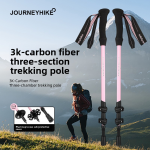
Featured Product: 3K Carbon Fiber Trekking Poles (2-pack) by FiTiFT
FiTiFT offers high-quality outdoor sports gear designed for various adventures. Their 3K carbon fiber trekking poles embody the best material characteristics.
These products feature advanced construction that reduces fatigue on long journeys. The company focuses on reliability and performance for serious hikers.
Investing in quality gear from reputable brands saves money long-term. You’ll experience fewer replacements and maintenance issues compared to cheaper alternatives.
| Material Type | Weight | Durability | Corrosion Resistance | Price Range |
|---|---|---|---|---|
| Carbon Fiber | Lightest | Excellent | High | Premium |
| Aluminum | Medium | Good | Low | Mid-range |
| Composite | Light | Very Good | Medium | Affordable |
Explore FiTiFT’s 3K Carbon Fiber Trekking Poles for your next outdoor adventure. These products represent the optimal choice for performance-focused hikers.
Effective Trekking Pole Lock Maintenance Carbon
The adjustment mechanisms hidden inside hiking aids can be puzzling for even experienced trail users. Unlike external systems that are visible and easy to adjust, internal components work out of sight.
Many people find these hidden systems mysterious compared to external alternatives. The visual simplicity of external adjustments makes them more straightforward for most users.
Why Internal Locking Mechanisms Need Special Care
Internal systems require particular attention because dirt and moisture accumulate inside the equipment sections. Over time, this buildup gradually affects the tightening action.
It’s common for walking supports to work perfectly when new but develop slipping issues later. This is typically normal wear rather than a defect in manufacturing.
These internal components function through a simple but effective design. Understanding this design helps users feel confident about caring for their gear.
Proper care of twist systems prevents frustrating mid-hike adjustments. You can focus on enjoying nature instead of constantly fixing your equipment.
Even high-quality products need periodic attention to internal components. This small time investment protects your larger financial investment in reliable gear.
Some people abandon internal systems entirely, but with proper care they can be more reliable than external alternatives. The streamlined design offers benefits when maintained correctly.
Upcoming sections will show simple techniques for keeping these systems working smoothly. Maintaining your equipment’s internal components is easier than you might think.
Inspecting and Diagnosing Locking Mechanism Issues
Developing a simple pre-hike routine helps identify potential issues before they become trail emergencies. A systematic check takes just minutes but prevents major problems during outdoor adventures.
Regular inspection becomes second nature with practice. This smart habit ensures your equipment remains reliable when you need it most.
Identifying Common Problems and Wear Signs
Start by examining where equipment sections connect. Look for visible wear patterns or excessive movement between parts. These signs often indicate developing issues.
Test each section’s rigidity by applying gentle pressure. Check for unwanted collapse or unusual flexing. Proper testing distinguishes normal performance from problematic weakness.
Accumulated dirt and grit frequently cause adjustment problems. Microscopic particles can interfere with precise internal mechanisms over time.
When to Repair vs Replace Your Poles
Many people face the repair-or-replace decision during equipment inspection. Simple cleaning often resolves minor slipping issues without replacement.
Visible damage to critical parts typically requires replacement. Deep cracks or severely worn components compromise safety during hiking use.
Keeping spare parts on hand helps address common wear items quickly. This preparation prevents minor issues from sidelining your outdoor plans.
| Inspection Finding | Recommended Action | Urgency Level |
|---|---|---|
| Minor dirt accumulation | Thorough cleaning | Low |
| Slight slipping under load | Cleaning and adjustment | Medium |
| Visible wear patterns | Part replacement needed | High |
| Cracks or deep scratches | Immediate replacement | Critical |
Regular inspection catches small issues before they escalate. This proactive approach saves disappointment and avoids premature equipment replacement costs.
Step-by-Step Cleaning and Lubrication Guide
A systematic approach to cleaning ensures your equipment functions smoothly when you need it most. Following proper techniques prevents damage while removing trail grime effectively.
Detailed Cleaning Process for Your Equipment
Start with a bucket of warm soapy water. Submerge each section individually, allowing the solution to penetrate for about ten minutes. This soak time helps water reach internal areas where dirt accumulates.
For stubborn grime, diluted rubbing alcohol works safely. Avoid harsh chemicals like gasoline or acetone that can damage plastic components. Acidic substances like vinegar also pose risks to various materials.
Use a soft cloth or non-abrasive sponge for gentle scrubbing. Focus on connection points and grips where debris collects. Thorough rinsing with clean water completes the process.
Lubrication Techniques for Smooth Operation
Apply silicone-based lubricant sparingly to moving parts. Target the joints and adjustment mechanisms where friction occurs. A small bit goes a long way—over-application attracts more dirt.
“Proper care transforms reliable gear into trusted trail companions that last for years of adventure.”
After lubrication, test each section’s movement. Ensure smooth extension and secure locking before storage. Complete drying prevents moisture-related issues.
| Cleaning Agent | Safety Rating | Effectiveness | Recommended Use |
|---|---|---|---|
| Dish Soap & Water | Excellent | High | Regular cleaning |
| Diluted Rubbing Alcohol | Good | Very High | Stubborn dirt |
| Vinegar Solutions | Poor | Medium | Not recommended |
| Gasoline/Acetone | Dangerous | Extreme | Never use |
Post-cleaning inspection verifies your efforts. Check that all parts move freely and secure properly. These simple tips maintain peak performance for your next hiking adventure.
Proper Storage and Long-Term Protection Strategies
Smart storage practices can significantly extend the lifespan of your outdoor equipment. Taking a few extra minutes after each adventure ensures your gear remains reliable for years to come.
Proper care doesn’t end when you finish cleaning. How you store each piece between outings matters just as much.
Best Practices for Protective Storage
Remove baskets from your equipment to maximize airflow. This prevents moisture buildup that can damage components over time. Always ensure everything is completely dry before putting it away.
Keep your gear away from direct sunlight. UV exposure can degrade plastic parts in grips and other components. Store in climate-controlled areas to avoid temperature extremes.
For camping trips, position equipment upright against stable surfaces. This keeps it accessible yet protected from damage. Use fabric bags during travel to prevent tangling with other items.
| Storage Scenario | Recommended Method | Protection Level | Accessibility |
|---|---|---|---|
| Home Storage | Climate-controlled area, baskets removed | Excellent | High |
| Long-Term Storage | Protective covers, moderate temperature | Maximum | Low |
| Camping Storage | Upright position, secured location | Good | Maximum |
| Travel Storage | Fabric bag, designated pocket | Very Good | Medium |
Good storage habits protect your investment. They ensure every part stays in perfect condition for your next hiking adventure. This small time commitment delivers significant longevity benefits.
Additional Outdoor Gear Maintenance Tips
Building good habits around equipment care transforms maintenance from a chore into a natural routine. A complete approach ensures every part of your gear receives proper attention.
Routine Check-Ups and Maintenance Tools
Establish a regular schedule for inspecting your hiking poles. This prevents small issues from becoming major problems during your next adventure.
Keep basic supplies on hand for quick fixes. A small kit with cleaning cloths and spare parts saves time when issues arise.
Proper initial setup reduces stress on components. Adjust the length correctly for your height and hiking style.
Different terrain conditions affect maintenance needs. Dusty trails require more frequent cleaning than clean paths.
Investing in quality equipment from the start pays off. Good hiking poles withstand regular use with minimal repairs.
Comprehensive care creates a more reliable outdoor experience. Your gear will perform better when all components receive attention.
Conclusion
Your hiking equipment deserves the same thoughtful attention you give to planning your outdoor excursions. This guide has shown how simple care practices can prevent frustrating trail issues and extend your gear’s lifespan significantly.
Quality equipment from trusted brands like FiTiFT delivers years of reliable performance when properly maintained. Most mechanism problems resolve with basic cleaning rather than expensive replacements. The time investment in care is minimal compared to the cost of new gear.
We hope this information empowers you to enjoy more confident adventures. Explore FiTiFT’s outdoor sports collection and apply these maintenance principles. Your equipment will serve you well through many rewarding journeys ahead.
FAQ
How often should I clean the twist locks on my hiking gear?
It’s a good idea to give those joints a quick wipe-down after every major hike, especially if you encountered mud or water. A more thorough cleaning and lubrication should happen every few months, depending on how often you hit the trails.
Can I use WD-40 on my twist lock mechanisms?
We don’t recommend using WD-40. It’s a degreaser and can actually attract more dirt over time. A dry, silicone-based lubricant is a much better choice for keeping the action smooth without creating a sticky mess.
What’s the best way to store my gear for long-term storage?
For long-term storage, make sure your equipment is completely clean and dry. Loosen the locking sections and store them in a cool, dry place away from direct sunlight. This helps prevent any internal corrosion and keeps the parts in top shape.
My pole sections keep slipping. What’s usually the problem?
Slipping is a common issue. It’s often caused by dirt or grit inside the locking mechanism, or the internal parts might be worn out. A careful cleaning can usually fix it. If the problem continues after cleaning, the internal mechanism may need replacement.
Are carbon fiber products more fragile than aluminum ones?
Carbon fiber is incredibly strong for its weight, but it can be more susceptible to damage from sharp impacts or being crushed in a car door. The key is proper care. With good maintenance, these lightweight products can last for many years of adventure.