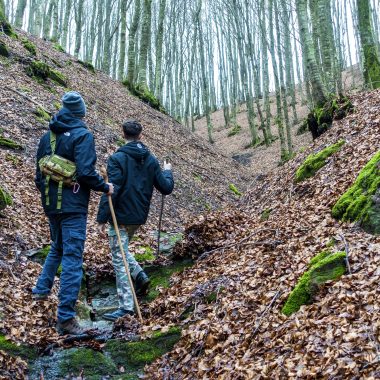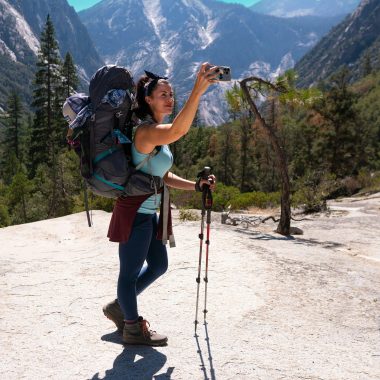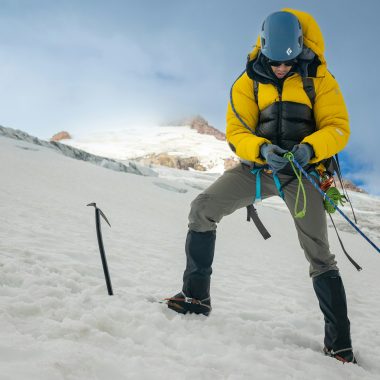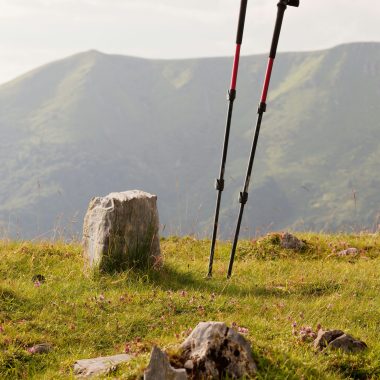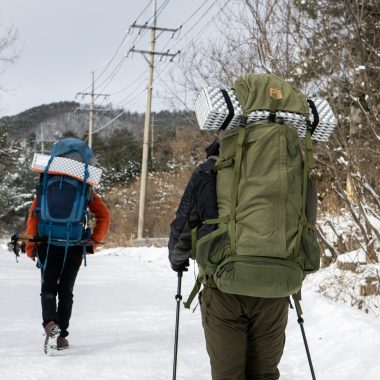
Welcome to this friendly guide for planning your Pacific Crest Trail adventure. This 2,650-mile journey from Mexico to Canada is an incredible challenge. It takes most hikers four to five months to complete.
The trail passes through California, Oregon, and Washington. You will face everything from hot deserts to high mountain passes over 13,000 feet. Having the right equipment is not just about comfort—it’s about safety and success.
This guide focuses on helping you choose durable, high-quality items that can last for months. We will cover essential equipment, from supportive trekking poles to reliable cooking systems. Our goal is to help you make informed decisions for a successful thru-hike.
Whether you are a first-time long-distance hiker or an experienced backpacker, this information is for you. We combine real trail data and expert advice to give you the best recommendations. Let’s get your pack ready for the adventure of a lifetime.
Key Takeaways
- The Pacific Crest Trail is a long and demanding 2,650-mile hike requiring specialized equipment.
- Choosing durable gear is critical for safety and completing the entire journey.
- This guide provides expert recommendations based on real-world trail experience.
- Proper equipment selection helps prevent common reasons hikers leave the trail.
- The information is designed to be helpful for both new and experienced long-distance hikers.
- We will cover a full range of essential items for a successful multi-month trek.
Introduction to the PCT Gear List and Trekking Essentials
Successful navigation of the Pacific Crest Trail hinges on selecting equipment adaptable to four distinct geographical regions. This 2,650-mile journey presents challenges unlike other long-distance routes, requiring specialized choices for your backpacking adventure.
The PCT can be approached as four separate hikes. You’ll encounter the dry SoCal high desert, snowy Sierra mountains, warm Northern California and Oregon sections, and cold, wet Washington terrain.
Your equipment must withstand thousands of miles over 4-5 months while remaining lightweight. The average starting base weight for thru-hikers is 18.3 pounds, but individual needs vary based on experience and comfort preferences.
This guide covers essential categories including shelter systems, sleep equipment, clothing, footwear, cooking tools, and navigation devices. Understanding what works for most hikers provides an excellent starting point for your own PCT preparation.
Proper equipment selection directly impacts success rates on this demanding trail. Many hikers encounter foot issues or equipment failures that can end their journey prematurely. Thoughtful preparation makes the difference between completing your adventure or cutting it short.
Overview of FiTiFT’s Premium Outdoor Sports Gear
FiTiFT has established itself as a go-to brand for hikers tackling some of the world’s most challenging long-distance routes. The company focuses specifically on creating equipment that withstands months of continuous use across varied environments.
Their comprehensive product line addresses every essential need for serious outdoor adventures. From navigation tools to cooking systems, FiTiFT provides reliable solutions for extended wilderness journeys.
High Quality and Durability
FiTiFT’s commitment to quality ensures their equipment can handle rigorous demands. Through years of development and testing, they’ve refined designs based on feedback from thousands of thru-hikers.
This focus on durability means their products often last multiple long-distance adventures when properly maintained. The balance between lightweight design and exceptional reliability makes FiTiFT ideal for reducing pack weight without sacrificing performance.
Trusted by Outdoor Enthusiasts
Outdoor enthusiasts have relied on FiTiFT equipment for years across countless wilderness expeditions. Their gear has proven itself in real-world conditions where failure isn’t an option.
Choosing quality equipment from the start ultimately saves money by eliminating mid-journey replacements. Investing in reliable gear from manufacturers who understand specific trail challenges pays dividends throughout your adventure.
Enhance Your Journey with PCT gear list carbon poles
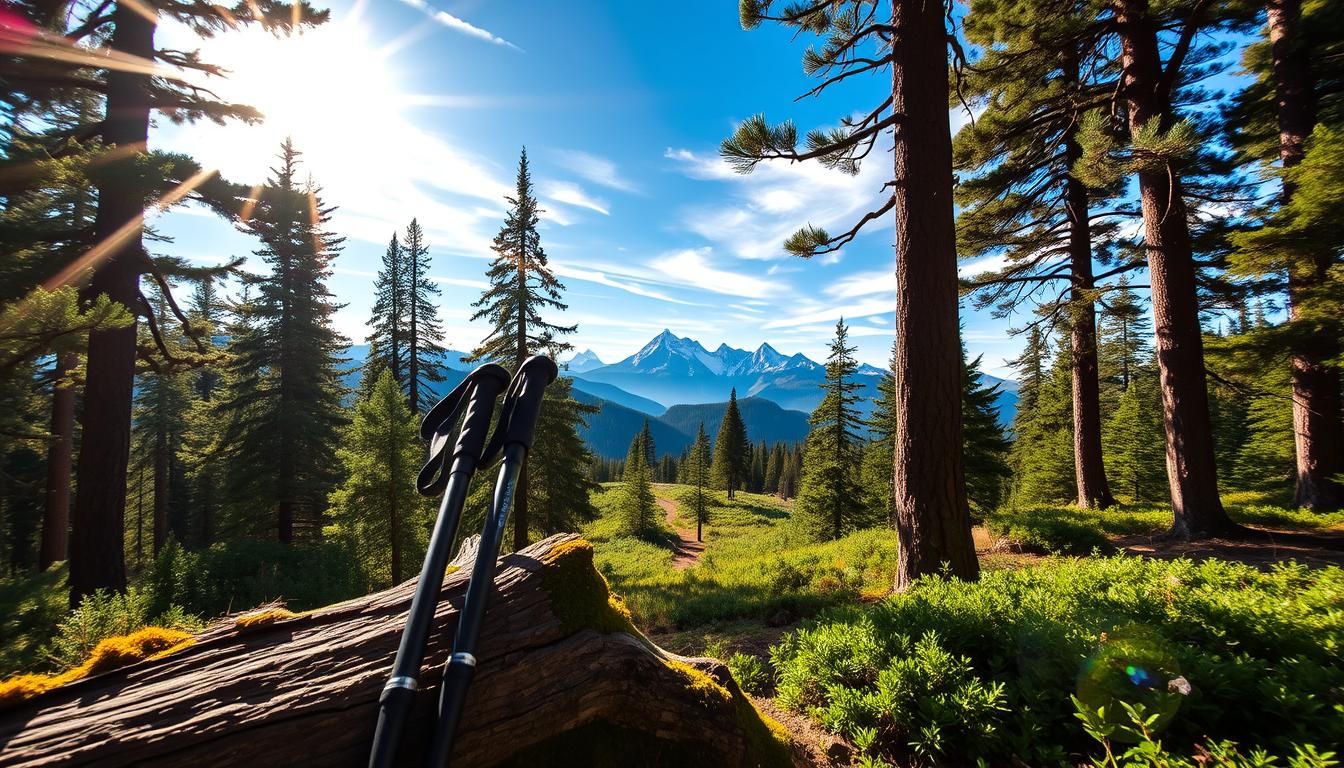
The right trekking poles can transform your long-distance hiking experience by providing stability and reducing fatigue. Many successful thru-hikers consider them indispensable equipment for the demanding Pacific Crest Trail.
These tools become essential companions across the 2,650-mile journey. They offer crucial support during challenging sections and help maintain momentum day after day.
Unmatched Lightweight Performance
Advanced carbon fiber construction delivers exceptional strength without adding unnecessary bulk. This material choice significantly reduces arm fatigue over thousands of miles.
The weight savings become especially valuable during steep ascents and long days. Hikers appreciate the energy conservation that quality poles provide throughout their adventure.
Versatility Across Varying Terrains
From rocky descents to river crossings, these poles adapt to diverse trail conditions. They provide stability on uneven surfaces and assist with balance during tricky maneuvers.
Many popular shelters designed for the Pacific Crest Trail integrate trekking poles into their setup. This dual-purpose functionality makes them even more valuable for weight-conscious hikers.
Adjustable lengths allow customization for different terrain challenges and user preferences. Proper fit enhances comfort and efficiency across the entire route.
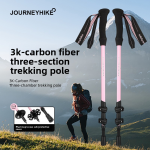
In-depth Review of FiTiFT’s 3K Carbon Fiber Trekking Poles
Let’s examine the engineering behind these remarkable trekking tools. The 3K weave pattern creates a strength-to-weight ratio that outperforms traditional materials.
Technical Specifications and Construction
Each pole weighs just 5-7 ounces, significantly lighter than aluminum alternatives. The carbon fiber construction maintains rigidity while reducing arm fatigue over long distances.
Ergonomic grips feature moisture-wicking materials that prevent blistering during extended use. Adjustable wrist straps and length settings accommodate different terrain challenges.
| Material Type | Average Weight per Pole | Strength Rating |
|---|---|---|
| 3K Carbon Fiber | 5-7 ounces | Exceptional |
| Aluminum | 8-10 ounces | Good |
| Standard Composite | 7-9 ounces | Average |
User Experience and Reliability
Thru-hikers report consistent performance across thousands of miles. The interchangeable tip system adapts to various surfaces from hardpack to snow.
Durability testing ensures these tools withstand the demanding PCT conditions. Users appreciate the balanced feel and reliable construction month after month.
The two-pack configuration provides matched performance for optimal stability. This thoughtful design makes them valuable companions for serious adventures.
FiTiFT Flashlights: Multifunctional High-Intensity and EDC Options
When hiking for months on end, reliable lighting becomes more than just convenience—it’s a safety essential. Many adventurers start before dawn or continue after sunset to beat the heat or meet daily goals.
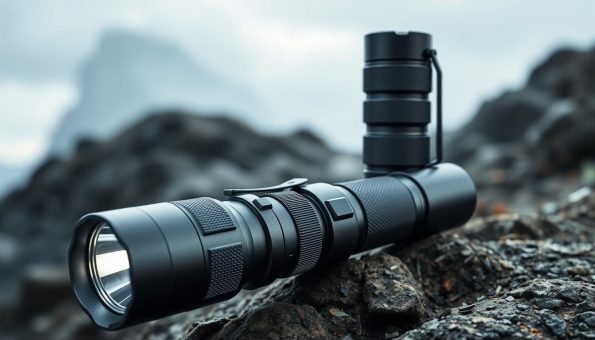
Having dependable illumination makes these low-light periods safer and more productive. Quality lighting equipment ensures you can set up camp efficiently and navigate safely when darkness falls.
BicycleRack+USB+Box in Vibrant Orange
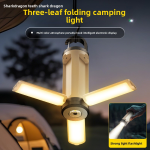
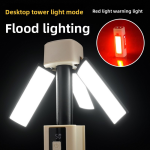
FiTiFT’s multifunctional high-intensity model offers exceptional versatility for wilderness use. The bright orange color makes it easy to spot in your pack, even with limited visibility.
The bicycle rack attachment provides hands-free operation during camp tasks. This feature proves invaluable when organizing your items or preparing meals after dark. The USB charging capability eliminates the need for spare batteries, reducing weight throughout your journey.
EDC USB+Box Model in Bold Red
This compact everyday carry option serves as perfect backup lighting. The bold red color stands out against natural backgrounds, preventing loss during busy camp moments.
Its small size makes it ideal for quick tasks around your shelter. The USB rechargeable design means one less thing to worry about during resupply stops. Having this reliable secondary light source provides peace of mind during night hiking segments.
| Feature | BicycleRack+USB+Box | EDC USB+Box |
|---|---|---|
| Primary Use | Camp tasks & hands-free operation | Quick tasks & emergency backup |
| Charging Method | USB rechargeable | USB rechargeable |
| Weight Advantage | Eliminates battery carry | Ultra-lightweight design |
| Visibility Feature | Vibrant orange casing | Bold red coloring |
These illumination tools complement traditional headlamps beautifully. They create a complete lighting system for different scenarios you’ll encounter each day on the path.
Essential Survival Gear: The Compass Whistle Advantage
The compact survival whistle with integrated compass represents smart thinking for hikers who value both safety and efficiency. This innovative tool combines two essential functions in one lightweight package.
Innovative 2-in-1 Design with Stonewashed Finish
FiTiFT’s Compass Survival Whistle features a durable stonewashed finish that resists corrosion from varied weather conditions. The finish maintains the tool’s appearance through months of outdoor use.
The dual functionality provides critical backup capabilities when electronic navigation fails. Three short whistle blasts serve as the universal distress signal, carrying much farther than shouting.
Practical Applications in Emergency Situations
This equipment proves invaluable for signaling partners in low visibility or during separation incidents. The compass offers reliable direction finding when batteries deplete.
The minimal weight makes this an easy addition to any pack without impacting your load. While hoping never to need emergency signaling tools, carrying proper safety equipment can be lifesaving.
Smart gear selection means combining multiple functions into single items. This approach reduces pack weight while maintaining essential safety capabilities for wilderness adventures.
The FiTiFT Stainless Steel Wood Stove for Outdoor Cooking
Cooking meals becomes a daily ritual on any long-distance trek, and your stove choice impacts both convenience and pack weight. The FiTiFT Stainless Steel Wood Stove offers an innovative approach to wilderness cooking that eliminates the need for carried fuel.
Multifunctional and Smokeless Operation
This advanced cooking system features smokeless technology that makes camp cooking more pleasant. The efficient design burns small twigs and pine cones completely, reducing environmental impact.
The stove works beautifully with standard backpacking pots for boiling water or preparing meals. You can cook your favorite trail food without worrying about fuel canister shortages. The multifunctional design even provides warmth during chilly evening camps.
Portability and Durability in the Wilderness
Constructed from high-grade stainless steel, this equipment withstands months of outdoor use. The compact design packs easily into your hiking gear without consuming valuable space.
Natural fuel sources abound along many trail sections, making wood-burning stoves particularly practical. You’ll appreciate not carrying heavy fuel canisters between resupply points.
| Feature | Wood Stove Advantage | Canister Stove Consideration |
|---|---|---|
| Fuel Source | Uses natural materials | Requires carried canisters |
| Weight Savings | Eliminates fuel weight | Adds canister weight |
| Environmental Impact | Low when used properly | Canister disposal issues |
| Fire Restrictions | Not usable during bans | Usable year-round |
Remember to check current fire restrictions before using wood-burning equipment. Always follow Leave No Trace principles when gathering natural materials for your cooking needs.
Building Your Ultimate PCT Thru-Hiking Gear List
The foundation of any successful long-distance adventure lies in selecting the right combination of durable, lightweight equipment. Smart preparation begins with understanding which components will carry you through thousands of miles of varied terrain.
Focusing on Lightweight, High-Performance Items
Experienced wilderness travelers start their equipment selection with the “Big 3” foundation. This includes your backpack, shelter system, and sleeping bag. These three pieces form the core weight of your loadout.
Adding a quality sleeping pad creates the “Big 4” concept. Recent surveys show successful thru-hikers average around 5.59 pounds for these essential items. This strategic approach ensures you invest wisely where it matters most.
Prioritizing your purchases makes financial sense. Focus budget on items that directly impact comfort and safety during months on the path. Less critical accessories can often be more economical choices.
Building your complete equipment collection is an iterative process. Start with essential pieces, then add accessories based on personal needs. The goal is creating a functional system where all components work together efficiently.
Successful equipment selections balance multiple factors beyond just weight reduction. Durability, cost, and personal comfort preferences all play important roles in your final decisions.
Key Considerations for Choosing Lightweight Trekking Gear
Making smart equipment choices involves understanding the delicate balance between minimal weight and reliable performance. The average base weight for long-distance hikers starts around 18 pounds, but ultralight enthusiasts often achieve weights under 10 pounds.
Each ounce removed from your pack reduces cumulative stress over thousands of miles. However, durability remains equally important since equipment failure can disrupt your entire journey.
Weight Reduction Versus Durability
The ultralight philosophy aims to minimize base weight while maintaining functionality. Carrying even one extra pound over 2,650 miles means lifting that weight millions of times.
Assess whether lightweight versions will withstand your planned hiking pace and style. The lightest options aren’t always best, especially for newcomers who benefit from more forgiving equipment.
Design Features that Enhance Comfort
Look for ergonomic hip belts, padded shoulder straps, and ventilated back panels. These features improve comfort without adding excessive weight to your load.
Testing equipment before committing is essential since personal preferences vary significantly. Identify which categories offer the best weight savings without compromising reliability.
Strategic weight reduction in key areas creates the most significant benefits while maintaining the durability needed for extended wilderness travel.
Outdoor Gear Buyer’s Guide: Balancing Quality and Value
Smart outdoor equipment selection involves more than just checking price tags. Budget constraints are real, but inexpensive choices often cost more over time through replacements.
Investing in reliable items upfront prevents costly mid-hike purchases. This approach reduces the risk of trail-ending failures that could cut your adventure short.
Investing in Reliable Equipment
Focus your budget on components that directly impact success. Your backpack, shelter, sleep system, and footwear deserve priority attention.
Building a quality collection over months or years manages financial burden effectively. This strategy spreads costs while ensuring you have dependable equipment.
Identify where premium pricing reflects genuine improvements versus marketing hype. Some budget options perform adequately for their intended use.
| Investment Approach | Short-Term Benefit | Long-Term Value |
|---|---|---|
| Premium Quality Items | Higher initial cost | Lasts multiple seasons |
| Budget Alternatives | Immediate savings | Frequent replacement needed |
| Strategic Prioritization | Balanced spending | Optimal performance/cost ratio |
Financial planning extends beyond equipment purchases. Many adventurers end their journey due to depleted funds rather than physical limitations.
Finding deals through seasonal sales, demo equipment, and used markets helps maximize value. Quality items at reduced prices make wilderness exploration more accessible.
Durable equipment lasting multiple adventures provides better overall value than cheap alternatives requiring frequent replacement. Your initial investment pays dividends across thousands of trail miles.
Enhancing Your Hike with Essential Accessories
Beyond your core equipment, smart accessories can dramatically improve both comfort and safety during long trail days. These smaller items transform a basic setup into a complete system ready for extended wilderness travel.
Comfort and Safety Boosters for Long Days on Trail
Water management deserves special attention. Reliable filtration systems like the Sawyer Squeeze are popular choices. Hikers adjust their carrying capacity based on section needs—sometimes requiring 6+ liters in dry areas.
Proper hydration makes challenging sections more manageable. Sun protection items and quality socks prevent common discomforts. These small comforts accumulate over months on the path.
Safety accessories provide peace of mind without excessive weight. A compact first aid kit and backup navigation tools offer security. Emergency communication devices are worth considering for remote sections.
Organization accessories like pack liners keep your belongings dry. Some hikers include morale-boosting luxury items. Thoughtful selection prevents small items from overwhelming your load capacity.
Strategies for Long Distance PCT Hiking and Gear Optimization
The key to successful PCT preparation lies in understanding how to adapt your loadout for the trail’s four distinct regions. This approach transforms a single massive journey into manageable segments with specific requirements.
Managing Base Weight and Streamlining Your Load
Your base weight calculation excludes consumables like food and fuel. The average starting load is around 18 pounds. Reducing unnecessary items creates space for section-specific necessities.
Critical evaluation helps identify multi-purpose equipment. Each item should serve essential functions to justify its inclusion. This thoughtful approach prevents overloading your pack.
Adapting Your Gear List to Different Trail Sections
Southern California demands significant water capacity—sometimes 6+ liters. You can minimize insulation here. The Sierra section requires specialized equipment for snow conditions.
Northern regions need bug protection and adequate rain preparation. Washington demands warmer layers as you approach Canada. Planning mail drops allows you to swap equipment efficiently between sections.
This strategic approach ensures you’re prepared for each environment without carrying unnecessary weight throughout the entire journey.
Expert Tips for Maintaining and Caring for Your Outdoor Gear
Taking good care of your outdoor equipment is just as important as choosing the right items for your adventure. Proper maintenance significantly extends the lifespan of your investment. It also prevents small issues from becoming major problems miles from civilization.
A little regular attention keeps everything functioning reliably. This care ensures your equipment is ready for many journeys.
A well-maintained kit can serve you faithfully for many years. It’s a simple habit that pays huge dividends in safety and performance.
Cleaning and Proper Storage Techniques
Different materials need specific cleaning methods. Always follow the manufacturer’s instructions for best results.
For example, down sleeping bags require special detergent. Tent fabrics should be gently rinsed and air-dried. Water filters need backflushing to maintain flow rate.
“An ounce of prevention is worth a pound of cure. This old saying rings especially true when caring for equipment that your safety depends on.”
Proper storage is equally vital. Store sleeping bags loose, not compressed. Hang your backpack in a cool, dry place. Keep electronics away from moisture.
Regular Inspections and Timely Upgrades
Create a simple weekly check-up routine. Examine critical components like tent seams and backpack stitching. Look for early signs of wear on shoes and other essential items.
Addressing minor damage promptly prevents trail-ending failures. It’s one of the smartest things you can do for a smooth journey.
| Gear Item | Key Inspection Point | Recommended Action |
|---|---|---|
| Backpack | Hip belt stitching | Reinforce with seam grip |
| Tent | Zipper function | Clean and lubricate |
| Sleeping Bag | Down clumping | Tumble dry with tennis balls |
| Footwear | Sole delamination | Apply shoe glue early |
Carry a small repair kit for field fixes. Knowing when to repair versus replace saves money and keeps you moving. Quality items, properly cared for, become trusted companions for countless adventures.
Integrating FiTiFT Gear into Your PCT Hiking Plan
Creating a cohesive equipment strategy for your long-distance journey involves thoughtfully combining specialized tools that adapt to changing environments. FiTiFT’s product line offers versatile solutions that work together seamlessly throughout your adventure.
Each piece serves multiple purposes across different trail sections. This integrated approach ensures you’re prepared for whatever conditions you encounter.
Seasonal Adjustments for Optimal Performance
As you progress from Southern California’s spring desert to Washington’s fall conditions, your equipment needs evolve significantly. The 3K carbon fiber trekking poles remain essential year-round, providing stability across all terrain types.
Flashlight usage increases during early spring and late fall when daylight hours shorten. The compass survival whistle maintains consistent safety value regardless of season or section.
Customizing Gear for Specific Trail Conditions
The stainless steel wood stove becomes particularly valuable in areas with abundant natural fuel. It’s especially welcome during colder conditions when extra warmth is appreciated.
Customizing your loadout for challenging sections like the Sierra ensures optimal performance. FiTiFT’s versatile product line handles the Pacific Crest Trail’s diverse environments reliably from start to finish.
Maximizing Performance with a Comprehensive PCT Gear List Carbon Poles
True hiking efficiency emerges when your entire equipment collection functions as an integrated team. Individual pieces should complement each other to create a system greater than the sum of its parts.
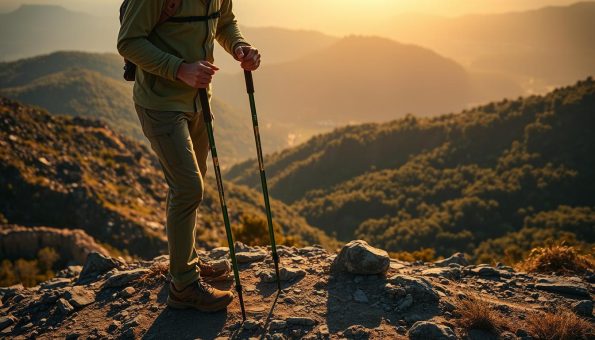
Optimizing Equipment Synergy on the Trail
Multi-purpose items demonstrate this principle beautifully. Support tools that double as shelter components reduce overall weight significantly. This approach maximizes value from every ounce carried.
Different people have unique needs based on body type and personal preferences. The ideal setup varies between individuals. What works perfectly for one adventurer might not suit another.
Proper weight distribution within your pack maintains balance and comfort. Heavy items should sit close to your back for optimal stability. This strategic placement reduces strain during long days.
Testing your complete system before departure is essential. Practice hikes reveal adjustments needed for real-world conditions. This preparation prevents surprises when you’re miles from civilization.
Remain flexible to fine-tune your setup based on actual trail experience. Small changes can dramatically improve your daily routine. The goal is creating a harmonious system that supports your entire journey.
Conclusion
Your adventure on one of America’s most iconic long-distance routes deserves careful planning and reliable equipment. Throughout this guide, we’ve explored how thoughtful selection creates a foundation for success.
Quality equipment from trusted brands like FiTiFT makes a real difference when facing diverse conditions. The right choices balance weight, durability, and personal comfort.
Remember that no perfect setup exists for all people. Your ideal configuration will reflect your unique needs and hiking style. Test your equipment before committing to ensure everything works together smoothly.
While proper gear is essential, your physical preparation and mental resilience matter just as much. We wish you incredible experiences on the Pacific Crest Trail and hope this guide helps you achieve your outdoor goals.
FAQ
Why are carbon fiber trekking poles recommended for a long trail like the Pacific Crest Trail?
Carbon fiber poles are a top choice because they are incredibly light. This helps reduce fatigue over thousands of miles. They also absorb trail shock well, which is easier on your wrists and elbows during long days of backpacking.
What should I look for in a sleeping bag or quilt for the PCT?
Focus on temperature rating, weight, and packability. A versatile quilt or sleeping bag rated around 20°F is a popular pick. It handles most conditions, especially when paired with a warm sleeping pad. Down insulation offers the best warmth-to-weight ratio.
How do I choose the right backpacking tent for my thru-hike?
Your shelter is a big decision. Look for a balance between weight, durability, and weather protection. A freestanding or trekking pole tent that weighs under three pounds is ideal. Make sure it has enough room for you and your pack.
Is an ice axe necessary for hiking the Pacific Crest Trail?
It depends on your start date and the snow year. For an early northbound hike, an ice axe is often essential for safe travel on snowy passes like the Sierra Nevada. Most hikers mail it ahead to Kennedy Meadows and carry it only through the high snow sections.
What are the best strategies for managing water carry weight?
Careful planning is key. Study water reports to know where reliable sources are. Carry just enough capacity for the longest dry stretch—usually 4 to 6 liters. A reliable water filter, like the Sawyer Squeeze or Katadyn BeFree, is a must-have item for safety.
How can I reduce my base weight without sacrificing safety?
Start by weighing every item. Choose multipurpose gear, like a pot that also serves as a bowl. Select lighter alternatives for your big three: backpack, shelter, and sleep system. Always test new, lighter items on shorter trips before your long-distance adventure.
What footwear is best for protecting my feet on such a long hike?
Trail runners have become the standard for most thru-hikers. They are lighter, dry faster, and are more comfortable than traditional boots. The most important thing is a good fit—your feet will swell, so consider a half-size larger than your usual street shoes.