Selecting the right gear is a critical decision for any trail runner. Among the most debated choices is the material of your support equipment. This guide dives deep into the two primary options available to athletes.
The debate often centers on a few core performance characteristics. These factors directly influence your endurance, the longevity of your gear, and overall comfort on the path. It’s not about finding a single “best” option.
Instead, the ideal selection hinges on your personal running style, the terrain you frequent, and your individual priorities. Some athletes value a featherlight touch, while others prioritize absolute resilience against rugged conditions.
Our analysis will provide a clear, evidence-based comparison to help you make an informed decision. We’ll explore how these materials behave in real-world scenarios, from casual training runs to demanding ultra-marathons.
Key Takeaways
- The choice between the two main pole materials is highly personal and depends on specific needs.
- Key performance differences involve how much the gear weighs, its overall durability, and the sensation during use.
- Lighter options can reduce fatigue, while more robust ones offer greater impact resistance.
- Your typical running environment and distance goals are major factors in the decision.
- Budget and how often you plan to use the equipment also play a significant role.
- Neither material is inherently superior; each excels in different situations.
Introduction: Exploring Outdoor Sports Gear and Materials
Athletic performance on rugged terrain depends heavily on the tools chosen for support. The right equipment can make the difference between struggling and thriving during challenging outdoor activities.
Overview of FiTiFT’s High-Quality Outdoor Gear
FiTiFT stands as a specialized provider of premium outdoor sports equipment. They offer carefully engineered solutions for athletes who demand reliability in demanding conditions.
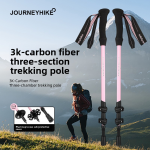
The company provides both advanced composite and metal options to suit different preferences. Their 3K Carbon Fiber Trekking Poles represent the premium choice for performance-focused athletes.
For those prioritizing durability, the Premium 7075 Aluminum Trekking Poles offer exceptional resilience. Beginners will appreciate the accessible 7075 Aluminum Trekking Poles that maintain quality construction.
Why Material Choice Matters in Trail Running
The selection of construction substance significantly impacts every aspect of the user experience. It determines fundamental characteristics that affect performance outcomes.
Proper material selection influences vibration transmission, structural integrity, and overall comfort. Understanding these properties helps athletes align their gear with specific training goals.
This knowledge enables optimized performance across various terrain profiles and distance preferences. The right choice enhances confidence and efficiency during athletic pursuits.
Understanding Material Differences in Trekking and Trail Running Poles
At the molecular level, the building blocks of support equipment determine their real-world functionality. The choice between advanced composites and metals creates distinct performance characteristics that athletes experience directly.
Characteristics of Carbon Fiber Poles
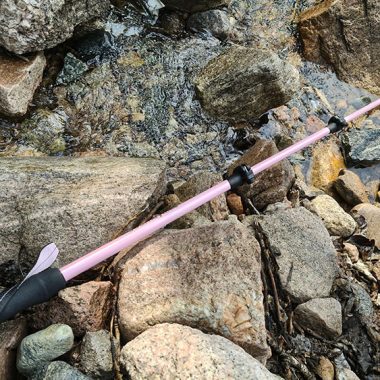
High-performance carbon fiber equipment utilizes 3K woven construction. This manufacturing process aligns carbon filaments in a precise pattern.
The resulting structure offers exceptional stiffness-to-weight ratio. This enables efficient energy transfer during aggressive maneuvers.
Superior vibration dampening reduces impact transmission to the user’s upper body. The material absorbs shock effectively during repetitive ground contact.
However, this advanced composite demonstrates brittleness under lateral stress. Catastrophic failure can occur from awkward angles or rock impacts.
Properties of Aluminum Poles
Aerospace-grade 7075 alloy represents the premium choice for durable trekking equipment. This aluminum composition maintains excellent strength characteristics.
The ductile nature of this metal allows progressive bending under excessive load. Unlike brittle materials, aluminum typically deforms rather than fractures suddenly.
This property provides a safety margin in technical terrain situations. Bent equipment can often be straightened for continued use.
| Property | Carbon Fiber | Aluminum 7075 |
|---|---|---|
| Weight (per pair) | 150-200g lighter | Standard weight |
| Vibration Dampening | Superior absorption | More transmission |
| Failure Mode | Catastrophic fracture | Progressive bending |
| Stiffness | High resistance to flex | Moderate flexibility |
| Impact Resistance | Lower notch toughness | Higher durability |
Performance on Technical Terrain and Variable Conditions
When the path turns rocky and unpredictable, your choice of support gear becomes your primary safety system. Different materials respond uniquely to the demands of challenging landscapes.
Stability and Vibration Absorption
Advanced composite equipment excels at dampening shock from constant rock contact. This vibration protection reduces cumulative stress during long sessions on uneven surfaces.
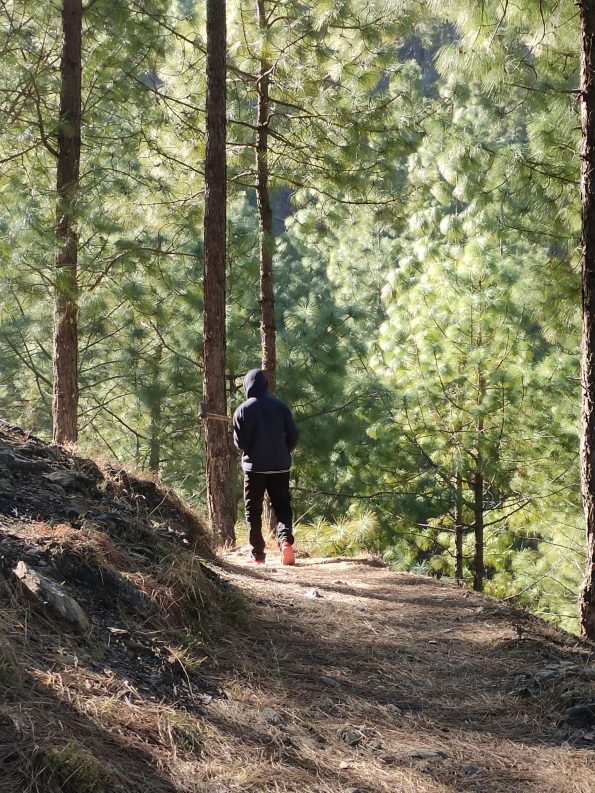
Both material types provide crucial stability benefits when navigating boulder fields and stream crossings. The extra contact points significantly enhance balance and confidence on exposed ridges.
Lighter options enable faster repositioning for quick corrections on technical terrain. More durable materials offer psychological confidence when planting aggressively against hard surfaces.
On steep descents, these tools serve as critical braking and balance aids. Stiffer construction provides precise control, while flexible options offer forgiveness if caught on obstacles.
Proper technique maximizes the inherent advantages of each material. The right wrist strap adjustment and grip style can transform your experience on difficult terrain.
Weight, Strength, and Vibration: Key Performance Considerations
Every gram saved in gear selection translates directly to conserved energy over long distances. The relationship between mass, durability, and shock absorption defines how equipment performs under athletic stress.
Benefits of Lightweight Carbon Poles
Premium composite models like the Leki Neotrail Pro FX.One Superlite weigh just 226 grams per pair. This represents approximately half the mass of comparable metal options.
Over a 50-kilometer race with thousands of pole plants, the 150-200 gram difference compounds into measurable energy conservation. Lighter equipment enables faster arm turnover and maintains natural running rhythm.
Superior vibration dampening protects against repetitive stress injuries during high-mileage training. The psychological advantage of reduced perceived effort contributes to mental freshness in race conditions.
Robustness and Load Resistance of Aluminum
Aerospace-grade alloys demonstrate exceptional resilience under demanding conditions. While composite materials offer higher tensile strength, metal options provide progressive failure warnings through bending rather than sudden fracture.
This ductility proves valuable when handling body weight during steep scrambles or surviving accidental impacts. The trade-off between absolute lightness and structural reliability becomes clear in technical terrain situations.
Equipment weighing 350-450 grams per pair offers dependable performance for athletes prioritizing longevity over minimal mass.
Design Features and Ergonomics for Optimal Trail Running
Beyond material composition, the tactile experience of using support gear significantly impacts user comfort. The right design elements can transform basic equipment into personalized performance tools.
Grip Materials and Comfort
Hand contact points determine overall comfort during extended use. Natural cork grips excel at moisture management, molding to individual hand shapes over time. They maintain texture when wet and resist odor buildup.
Foam handles offer firm support with textured surfaces for secure holding. Different densities provide varying comfort levels. Rubber alternatives provide initial traction but may cause sweating during long sessions.
Adjustment Mechanisms: Telescopic vs. Foldable
Telescopic systems allow precise length customization using flip-lock or twist-lock mechanisms. These adjustable options suit varied terrain but add slight weight.
Foldable designs collapse compactly using internal cord systems. They deploy quickly but typically offer fixed length. Wrist straps complete the ergonomic package, transferring force while ensuring safety.
| Grip Material | Comfort Level | Moisture Management | Durability |
|---|---|---|---|
| Cork | Excellent | Superior wicking | Long-lasting |
| Foam | Very Good | Good absorption | Moderate |
| Rubber | Good initially | Poor ventilation | High resistance |
Carbon vs Aluminum Poles for Trail Running: Weight, Strength & Feel
Technical specifications provide the objective data needed to understand real-world performance differences. The numbers reveal how material choices translate to measurable advantages during athletic events.

Comparing Technical Specifications
Direct comparison of popular models highlights the performance spectrum available to athletes. Premium options demonstrate significant variation in key metrics.
| Model & Material | Weight (pair) | Length Options | Adjustability | Price |
|---|---|---|---|---|
| Leki Neotrail Pro (Carbon) | 226g | 110cm fixed | Foldable | $210 |
| Black Diamond Distance Z (Aluminum) | 278g | 105-130cm | Fixed length | $150 |
| REI Swiftland TT (Carbon) | 318g | 115cm fixed | Foldable | $190 |
| Black Diamond FLZ (Aluminum) | 390-450g | 95-140cm | Telescopic | $170 |
The typical 150-200 gram advantage of composite equipment becomes significant over long distances. This weight reduction translates directly to reduced arm fatigue during extended climbing sections.
How Material Impacts Race Performance
Ultra-distance events demonstrate the cumulative benefit of lighter support tools. One tester noted after a 100-mile race:
The carbon poles performed flawlessly through technical terrain, multiple deployments, and incidental impacts—showing no signs of stress despite rigorous use.
Smaller diameter shafts on premium models affect ground penetration and handling characteristics. Fixed-length designs optimize weight savings while adjustable versions offer terrain adaptability.
Foldable designs pack compactly (34-41cm) for easy storage during running segments. This feature proves valuable when quick transitions between technical sections occur.
Price, Durability, and Long-Term Value Analysis
Investment decisions in athletic equipment extend beyond initial purchase price to long-term value considerations. The relationship between upfront cost and expected lifespan varies significantly between material types.
Premium composite options typically command a 15-40% higher price point than comparable metal models. This premium reflects advanced manufacturing techniques and performance benefits.
Cost Implications of Different Materials
The price spectrum reveals clear material-based hierarchies. Budget-friendly metal options start around $56, while premium versions reach $170.
High-performance composites range from $170 to $210. The cost-per-gram metric shows composites at $0.60-0.90 versus $0.30-0.50 for metals.
| Material Type | Budget Option | Mid-Range | Premium Model |
|---|---|---|---|
| Composite | $150-170 | $180-190 | $200-210 |
| Metal | $50-60 | $100-130 | $160-170 |
Durability in High Load and Technical Conditions
Long-term value depends heavily on how equipment withstands rigorous use over time. Metal options typically demonstrate superior resilience in mixed-terrain applications.
Their ductile nature allows bending rather than catastrophic failure under high load situations. This characteristic proves particularly valuable on technical terrain with frequent impacts.
Total ownership costs over 2-3 years favor metal options for everyday training. They often require zero replacements, while composites face potential fracture from side loads.
Repair options also differ significantly. Bent metal shafts can sometimes be straightened, while fractured composites generally cannot be repaired.
Application Scenarios: From Trail Running Races to Long Hikes
Different athletic pursuits demand specialized gear that aligns with the unique demands of each activity. The ideal choice varies significantly between competitive events and recreational adventures.
Performance-focused athletes often prefer advanced composite equipment for competitive events. These lightweight options excel in races from 50K to 100+ miles where every gram matters.
Choosing the Right Pole for Specific Terrains
Steep sustained climbs benefit from minimal weight to reduce arm fatigue. The reduced mass becomes crucial during extended uphill sections lasting 30+ minutes.
Technical descents with rocky or root-covered paths require durable equipment. More robust materials provide confidence for aggressive planting without breakage concerns.
Multi-day hiking adventures often favor adjustable equipment. Telescopic designs offer terrain adaptability and structural strength for shelter setup.
Beginner runners should start with versatile options to develop technique. Durable choices withstand learning curves while determining personal preferences.
Ultramarathon events present unique considerations based on course difficulty. Flatter courses suit lightweight gear, while technical mountain events demand resilience.
User Insights and Field Test Perspectives
Real-world experiences from diverse running backgrounds offer practical perspectives on gear selection. Extensive testing across varied environments provides authentic feedback.
Real-World Experiences and Reviewer Feedback
Ultramarathon athletes reported excellent performance from premium composite models during 100-mile events. These tools survived technical sections and repeated deployment cycles without issues.
Recreational users praised durable metal options for their workhorse reliability. The slightly higher weight became noticeable mainly during extended climbing sections.
Grip materials received significant attention in user feedback. Cork handles earned universal praise for comfort and moisture management during long sessions.
Minimalist wrist straps initially caused skepticism but proved effective in practice. Well-designed versions provided adequate support while drying quickly.
Packability emerged as a key consideration for race-day use. Low-profile designs facilitated easy storage and quick deployment when needed.
Learning curves differed between material types. Lighter options enabled faster technique development for experienced athletes.
Long-term ownership experiences highlighted distinct durability patterns. Metal models offered years of reliable service across hundreds of miles.
User recommendations varied by experience level and goals. Advanced athletes often preferred premium options for racing while suggesting durable alternatives for training.
Conclusion
The journey to finding ideal trail companions requires honest self-assessment of your running priorities. Neither material represents a universally superior choice—each excels in different scenarios based on your specific needs.
Advanced composite options deliver significant weight savings and superior vibration protection, making them ideal for competitive events. More durable metal alternatives offer reliable performance for technical terrain and everyday training. Your primary use case, terrain profile, and budget should guide your final decision.
FiTiFT provides quality options in both materials, from premium carbon fiber models to durable aluminum versions. Beginners might start with versatile aluminum poles to develop technique before considering specialized carbon options for racing.
Regardless of your selection, incorporating these tools into your running practice enhances stability and climbing efficiency. Choose equipment that matches your individual goals and enjoy greater confidence on the trail.
FAQ
Are carbon fiber poles strong enough for rugged terrain?
Yes, modern carbon fiber poles are engineered for high strength and can handle significant impact. They excel on technical trails where weight savings are crucial. However, they can be more susceptible to snapping under extreme, sideways pressure compared to aluminum.
Which material is better for vibration absorption on long descents?
Carbon fiber is superior at dampening trail vibrations. This reduces fatigue in your hands and arms during long downhill sections. Aluminum poles tend to transmit more shock, which can be felt more acutely over time.
How do I choose the correct length for my running poles?
A common rule is to have your elbow bent at a 90-degree angle when the tip is on the ground. Adjustable telescopic or folding poles offer the most versatility, allowing you to customize the length for climbs and descents for optimal power and balance.
What are the advantages of foam grips over cork or rubber?
Foam grips are highly popular because they absorb sweat well and remain comfortable in wet conditions. They provide a secure feel without causing blisters. Cork molds to your hand over time, while rubber offers maximum durability but can feel slippery when wet.
Is the higher price of carbon poles justified for a casual runner?
For runners focused on speed and competing in races, the weight advantage of carbon is a significant benefit. For more casual use or hiking, durable aluminum poles often provide excellent value and robustness at a lower cost.
Can I use trekking poles for trail running?
While you can, dedicated running poles are typically lighter and feature specific designs like speed-oriented grips and quick-deployment systems. They are optimized for the dynamic motion of running, whereas standard trekking poles are better suited for a steady hiking pace.