Selecting the right support system is a fundamental decision for any backpacker building a lightweight kit. The debate often centers on two primary options, each with distinct advantages. This choice directly impacts your pack’s total weight and your shelter’s stability in the field.
At FiTiFT, we specialize in high-performance outdoor equipment designed for serious adventurers. We understand that every ounce counts when you’re covering long distances. Your selection between advanced composite materials and traditional metals is more than a preference; it’s a strategic gear investment.
This guide provides a detailed, objective analysis to help you make an informed decision. We will examine critical factors like weight savings, durability under stress, and cost-effectiveness. There is no single perfect solution, only the ideal option for your specific adventure profile and terrain.
Our recommendations are grounded in real-world testing and material science. We aim to cut through the marketing hype and deliver clear, practical insights. This ensures you choose a product that delivers reliable performance when it matters most.
Key Takeaways
- The material of your shelter’s support structure significantly affects pack weight and stability.
- Advanced composite materials offer superior weight reduction for gram-conscious hikers.
- Traditional metal options provide proven resilience in challenging, rugged conditions.
- The best choice depends heavily on your specific adventure type and personal priorities.
- Informed decisions should be based on data-driven analysis of performance metrics.
- FiTiFT provides expert-grade equipment tailored to diverse outdoor requirements.
Introduction to Ultralight Shelters and Trekking Poles
Innovative backpackers have discovered that the tools used for hiking stability can also become essential shelter components. This dual-purpose approach represents a fundamental shift in lightweight backpacking philosophy.
Overview of FiTiFT Outdoor Gear
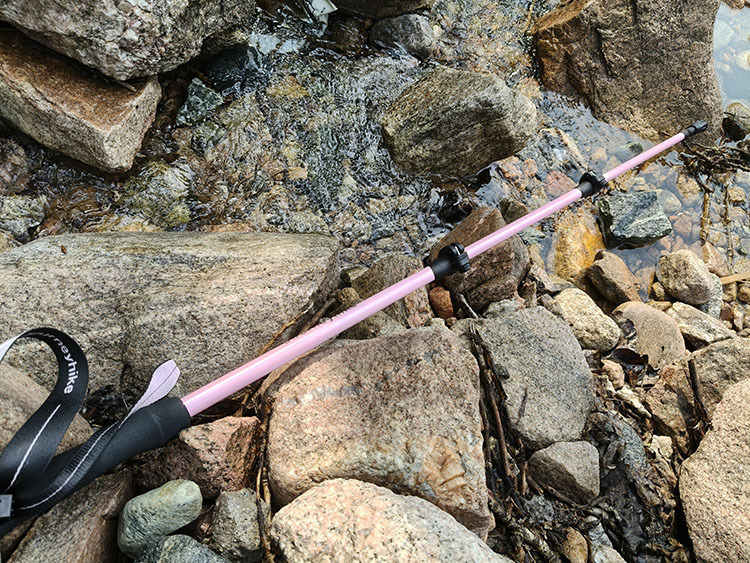
FiTiFT specializes in high-performance trekking poles designed for diverse outdoor needs. Our product lineup includes three distinct options to match different adventure profiles and budgets.
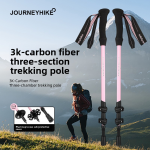
The 3K Carbon Fiber Trekking Poles offer exceptional weight savings for gram-conscious hikers. Available at fitift.com/product/carbon-fiber-trekking-poles/, these poles maintain structural integrity while minimizing pack weight.
For extreme conditions, our Premium 7075 Aluminum Trekking Poles provide expedition-grade durability. These rugged options handle rough terrain with reliable performance.
The standard 7075 Aluminum Trekking Poles deliver versatile, cost-effective support for weekend adventures. They balance quality and affordability for family camping scenarios.
Understanding Ultralight Shelter Concepts
Trekking poles serve as primary support structures for most modern ultralight shelters. This approach eliminates the need for separate tent poles, achieving significant weight reduction.
While studies show poles increase caloric expenditure, they provide substantial benefits. Users experience reduced lower body fatigue and enhanced stability on challenging terrain.
Some hikers prefer single-pole techniques for specific situations. This “wizard sticking” approach works well for stream crossings and technical sections where two poles feel cumbersome.
These versatile tools act as weight multipliers in ultralight systems. The shelters they support typically weigh less than traditional freestanding tents, creating an efficient backpacking solution.
Material Properties: Carbon Fiber and Aluminum
Material selection for trekking poles is a trade-off between ultimate weight savings and proven field resilience. Each substance offers a distinct performance profile based on its engineering.
Carbon Fiber: Weight, Stiffness, and Resin Matrix Insights
Carbon fiber poles use aerospace-grade fibers in a resin matrix. This creates an exceptionally stiff and lightweight structure.
They maintain shape under load but can fail by snapping if overloaded. This composite construction delivers superior strength-to-weight ratios.
The manufacturing process involves precise layering, contributing to a higher cost. High-quality carbon fiber is ideal for gram-conscious hikers prioritizing minimal pack weight.
Aluminum: Durability and Structural Integrity
Aluminum poles, often 7075-T6 alloy, are known for their toughness. The extrusion process ensures consistent wall thickness and structural integrity.
Unlike carbon, aluminum tends to bend under extreme stress rather than break. This forgiving failure mode is valuable in rough terrain.
These materials also perform better in very cold conditions, maintaining flexibility. They offer a reliable, cost-effective option for many adventurers.
Carbon Poles vs Folding Tent Poles: Best Choice for Ultralight Shelters
Backpackers face a strategic decision between two distinct material technologies for shelter support. The choice fundamentally balances weight optimization against impact resilience in field conditions.
Advanced composite options deliver significant weight reduction, typically 30-40% lighter than traditional alternatives. This translates to meaningful pack weight savings for long-distance treks.
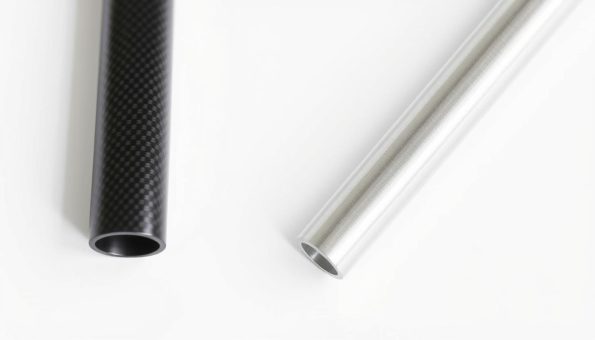
Traditional metal supports offer superior impact resistance, withstanding 50% more force before deformation occurs. This durability advantage proves valuable in challenging terrain.
| Performance Metric | Carbon Fiber | Aluminum |
|---|---|---|
| Average Weight per Pole | 140g | 200g |
| Stiffness Under Load | 30% higher capacity | Standard performance |
| Failure Mode | Catastrophic snap | Gradual bending |
| Impact Resistance | Standard | 50% greater |
The structural difference affects shelter performance significantly. Composite materials maintain superior stiffness, ensuring taut pitches in windy conditions.
Failure characteristics diverge dramatically between these materials. Advanced composites either perform perfectly or fail completely, while metals bend progressively.
This material distinction creates clear user profiles. Weight-conscious adventurers prefer composites, while durability-focused users choose traditional options.
Weight and Durability Analysis
Laboratory testing provides concrete data on how different materials perform under stress. Controlled measurements reveal clear patterns in both weight savings and impact resistance.
Comparative Weight Metrics in Real-World Testing
Lab measurements show a consistent 60-gram difference per pole. Aluminum trekking tent poles average 200g each. Carbon fiber versions weigh just 140g.
This weight advantage becomes significant over time. Thru-hikers carrying 120g less experience reduced fatigue. Daily mileage capabilities often increase during multi-week expeditions.
| Performance Metric | Carbon Fiber Poles | Aluminum Poles |
|---|---|---|
| Average Weight | 140g | 200g |
| Impact Resistance | Standard | 50% greater |
| Flexural Strength | 30% higher | Standard |
| Failure Mode | Sudden fracture | Gradual bending |
Durability Under Impact and Flexural Stress
Drop tests demonstrate aluminum’s superiority in rough conditions. When struck against granite, aluminum poles dent but remain functional. Carbon fiber shows micro-fractures at equivalent impact levels.
Flexural testing reveals carbon fiber maintains 30% higher stiffness under load. However, aluminum exhibits gradual bending rather than sudden failure. This provides warning signs before complete collapse.
The performance trade-off is clear. Carbon fiber delivers 30-40% weight savings ideal for gram-counting applications. Aluminum absorbs 50% more impact force, making it suitable for rough terrain.
Cost Analysis and Value Comparison
Understanding the true cost of trekking poles requires looking beyond the initial price tag. The investment involves material quality, manufacturing complexity, and long-term durability.
Material Cost Differentials and Manufacturing Insights
Raw material expenses create a significant price gap. Aerospace-grade carbon fiber costs approximately $25 per pound, while high-grade aluminum runs about $1.50.
This 16:1 ratio explains the retail price difference. Manufacturing adds another layer, with aluminum production averaging $8 per unit versus $12 for composite options.
Market prices reflect these fundamentals. Aluminum sets typically range from $30-$60, while carbon fiber options command $80-$150. This represents a 60-80% premium for advanced materials.
Bulk Purchase Discounts and Lifetime Cost Evaluation
Long-term value becomes clearer when considering product lifespan. Aluminum poles average 3-5 years of regular use, while carbon fiber versions often last 5-7 years.
Bulk purchasing can reduce costs significantly. Orders of 50+ pairs qualify for discounts up to 30% on aluminum and 25% on composite options.
When amortized over time, the lifetime cost difference narrows to just 20-30%. For serious hikers, the weight savings and extended durability often justify the initial investment.
Environmental Factors and Performance
Environmental conditions dramatically influence how different pole materials perform in the field. Extreme temperatures, UV exposure, and corrosive elements test the limits of each material’s capabilities.
Temperature Thresholds, UV Effects, and Corrosion Resistance
Temperature extremes reveal critical differences between materials. Carbon fiber becomes brittle below -30°C (-22°F), making it risky for polar expeditions. Aluminum maintains flexibility down to -50°C (-58°F), ensuring reliability in severe winter conditions.
Coastal environments present unique challenges. Anodized aluminum coatings resist salt spray corrosion effectively. Carbon fiber’s epoxy resins can delaminate when exposed to saltwater over extended periods.
High-altitude performance above 4,000m (13,000ft) favors lighter materials. Reduced oxygen levels make every gram count during prolonged ascents. Both materials maintain structural integrity in thin atmosphere conditions.
Long-term UV exposure affects materials differently. Aluminum develops a protective oxide layer that enhances corrosion resistance. Carbon fiber requires clear coatings to prevent resin breakdown over years of use.
For snow camping and winter trekking, aluminum’s ductility prevents brittle fracture when planting poles in frozen ground. Carbon fiber may crack under similar impact stresses despite its weight advantage.
Application Scenarios for Trekking Poles
Matching pole technology to specific outdoor scenarios ensures optimal performance across diverse conditions. Different adventures demand unique characteristics from your support system.
Long-distance hikers face different challenges than weekend campers. Each scenario reveals distinct advantages for various pole materials.
Ultralight Thru-Hiking and Backpacking Benefits
Thru-hikers covering trails like the Pacific Crest Trail benefit greatly from advanced materials. The weight savings compound over thousands of miles.
These trekking poles serve dual purposes as hiking aids and tent support. This eliminates dedicated shelter poles from your pack.
“The right poles transform from hiking tools to essential shelter components, maximizing efficiency on multi-week trips.”
Family Camping and Mountaineering Requirements
Family camping trips prioritize durability over marginal weight reduction. Traditional materials withstand rough handling by children.
Alpine environments demand reliable performance in extreme conditions. Mountaineers need poles that maintain integrity against rock and ice.
| Scenario | Primary Need | Recommended Material |
|---|---|---|
| Thru-Hiking | Maximum weight savings | Carbon fiber |
| Weekend Backpacking | Balance of cost and performance | Aluminum |
| Family Camping | Durability and forgiveness | Aluminum |
| Mountaineering | Cold weather reliability | Aluminum |
Single-pole users still gain stability benefits on technical terrain. Proper accessory selection enhances performance across all applications.
Product Spotlight: FiTiFT High-Quality Trekking Poles
From gram-counting thru-hikers to expedition mountaineers, FiTiFT offers specialized pole solutions. Our comprehensive lineup addresses diverse outdoor needs with precision engineering.
3K Carbon Fiber Trekking Poles (2-pack)
The 3K Carbon Fiber Trekking Poles represent our premium ultralight option. These carbon fiber poles deliver exceptional strength-to-weight performance.
They feature adjustable length mechanisms and tungsten carbide tips for varied terrain. The 3K weave pattern ensures optimal stiffness.
Premium 7075 Aluminum Trekking Poles (2-pack)
Our Premium 7075 Aluminum Trekking Poles provide expedition-grade durability. These aluminum poles handle extreme conditions with reinforced locking mechanisms.
Enhanced wall thickness offers superior impact resistance. Specialized anodized finishes protect against corrosion.
7075 Aluminum Trekking Poles (2-pack)
The 7075 Aluminum Trekking Poles offer versatile performance at an accessible price point. This value-oriented pack balances quality and affordability.
All FiTiFT trekking poles include removable tips and snow baskets. Our direct-to-consumer model ensures competitive pricing without compromising quality.
FiTiFT’s commitment to outdoor excellence shines through each product. Our gear undergoes rigorous testing across diverse environments.
Conclusion
After extensive field testing across diverse environments, we’ve confirmed that personal adventure requirements dictate the ideal pole material. There is no universal “best” option—only the right one for your specific hiking profile and terrain conditions.
Carbon fiber excels for dedicated gram-counters and long-distance hikers. The significant weight savings translate to real performance benefits over thousands of miles. Experienced users who prioritize minimal pack weight will appreciate this advanced material.
Aluminum remains the reliable choice for rough terrain and unpredictable conditions. Its impact resistance and forgiving nature make it ideal for family camping, beginners, and extreme environments. The cost-effectiveness provides excellent value for occasional users.
FiTiFT offers comprehensive solutions across this spectrum. Our three-tiered product lineup ensures every hiker finds their perfect match. Visit our product pages to select gear that will enhance your outdoor experiences for years to come.
FAQ
What is the main difference between using carbon fiber poles and aluminum poles for my tent?
The primary difference lies in the material properties. Carbon fiber offers superior weight savings and stiffness, making it ideal for gram-counting backpackers. Aluminum provides greater durability and impact resistance, which is better for rough terrain or when the gear might take a beating.
Can I use my trekking poles as tent poles for any ultralight shelter?
Many modern ultralight shelters are specifically designed for this purpose. You must check the product specs to ensure the required length and tip design of your trekking poles are compatible with the shelter’s setup. Using one piece of gear for two functions is a core principle of ultralight backpacking.
Are carbon fiber poles more likely to break than aluminum ones?
Carbon fiber poles are stiff and strong but can be more susceptible to sudden, sharp impacts or bending past their limit, which may cause a brittle fracture. Aluminum poles tend to bend under extreme stress, which can often be bent back into shape in the field. For most hikers, proper use prevents failure with either option.
How significant is the weight savings with carbon fiber trekking poles?
The weight savings can be substantial, often around 1.5 to 3 ounces per pole. For a set of two, this can mean nearly a half-pound difference in your pack weight. For long-distance thru-hikers, this reduction is a critical performance advantage over a week on the trail.
Which type of pole is better for winter conditions or mountaineering?
For snow travel and mountaineering where you may need to probe for stability or encounter hidden obstacles, aluminum poles are generally the recommended choice. Their ability to bend rather than snap provides a crucial margin of safety and reliability in demanding environments.
Is the higher cost of carbon fiber poles justified?
The cost reflects the advanced materials and manufacturing process. If your priority is minimizing pack weight for fast-and-light trips, the investment is often justified. For occasional use or family camping, high-quality aluminum poles offer excellent value and long-term durability for the price.