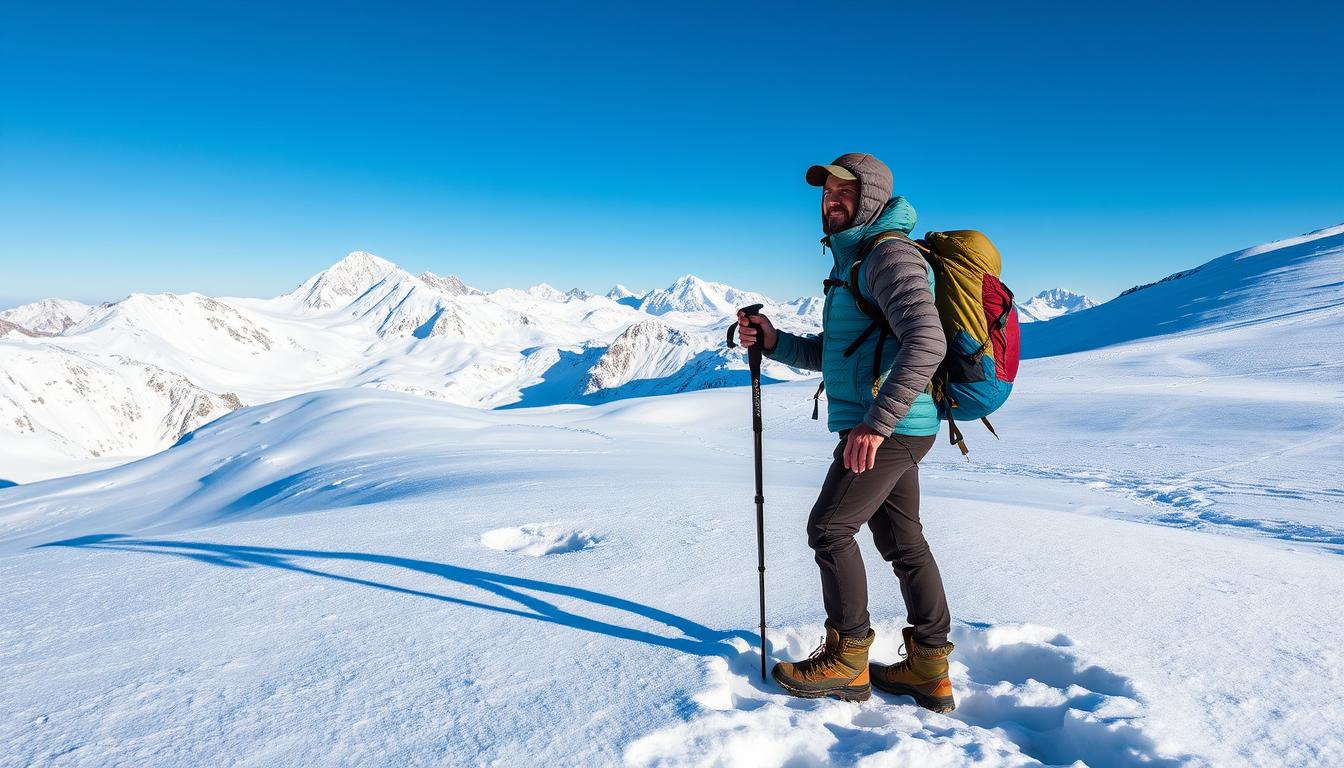
Welcome to your complete guide on ultralight hiking gear. We’re exploring how modern materials have transformed the way we explore the outdoors. The focus is on equipment that shaves off precious weight without sacrificing performance.
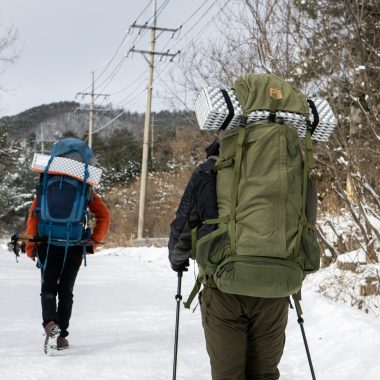
Many experienced adventurers discover a simple truth. Once they start using a quality pair of support tools, they rarely hit the trail without them. These tools reduce strain on your legs, knees, and back. They help you maintain balance and build a steady rhythm.
This article draws from extensive testing in rugged American landscapes. We’ve evaluated gear in the Wind River Range, the Sawtooths, and the Grand Canyon. Our recommendations are based on real-world use, not just specs on a page.
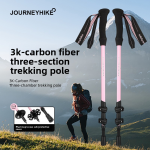
We will highlight FiTiFT’s premium 3K Carbon Fiber Trekking Poles. This review also covers essential companion gear for your adventures. Get ready for detailed insights to help you make the best choice for your needs.
Key Takeaways
- Ultralight gear significantly reduces carried weight, enhancing hiking efficiency and comfort.
- Quality support tools lessen impact on joints and improve overall balance on the trail.
- This guide is based on hands-on testing in diverse and challenging environments.
- We feature FiTiFT’s high-performance carbon fiber poles and other essential outdoor items.
- You’ll learn key features to look for and how to select the right equipment for you.
Introduction to FiTiFT Outdoor Sports Gear
FiTiFT has carved a unique space in the outdoor gear world by focusing on smart design and reliable performance. This brand is dedicated to hikers, backpackers, and campers who demand quality. Their equipment is built for real adventures in demanding conditions.
Overview of High-Quality Outdoor Essentials
FiTiFT’s philosophy blends advanced materials with thoughtful design. They create tools that perform when it matters most. The product line is comprehensive, extending beyond a single item.
You will find everything from support tools to survival items. This includes high-intensity flashlights for night travel and compact stoves for cooking. Each piece is designed to work together seamlessly.
What Sets FiTiFT Apart in the Market
FiTiFT stands out through a commitment to lightweight durability and practical features. They ensure their gear is both tough and easy to use. This makes it a great choice for your next trip.
Their products are available directly from their website. This allows for easy research and purchase. You can build a complete, trusted kit from one source.
| Feature | FiTiFT’s Approach | Standard Approach |
|---|---|---|
| Weight Consideration | Engineered for ultralight performance | Often heavier, bulkier designs |
| Product Ecosystem | Items designed to work together | Standalone products from various brands |
| Accessibility | Direct-to-consumer, detailed product info | Traditional retail, limited specifications |
This integrated system is ideal for best hiking and backpacking experiences. The right gear makes every journey safer and more enjoyable. FiTiFT’s trekking poles and other tools are poles available to help you explore with confidence.
Overview of the Product Roundup
Our product roundup is structured around a single, critical factor that defines a pole’s purpose on the trail: its total weight. This metric is the clearest indicator of performance and which hikers will benefit most.
We group equipment into three clear categories. The lightest options are for those who prioritize speed and minimal pack size. Mid-weight models strike a smart balance between durability and weight savings.
The sturdiest tools are built for challenging terrain and heavier loads. This system helps you quickly identify the best fit for your specific adventure style.
This guide goes beyond just support tools. We also feature essential outdoor gear from FiTiFT that complements your kit. This creates a complete resource for your backpacking needs.
Our selections are based on extensive field testing in real backcountry conditions. We evaluated each item on durability, comfort, and overall value. This ensures our recommendations are practical and reliable.
You can expect detailed insights for every product featured. We provide performance notes and specific use-case advice. This empowers you to make a confident, informed decision for your next journey.
The Importance of Lightweight Gear on the Trail
Experienced outdoor enthusiasts understand that reducing carried weight isn’t just about comfort—it’s about performance and safety. Every ounce matters when you’re covering miles, especially over multiple days. Lighter equipment means less energy expenditure and reduced stress on your body.
This principle applies powerfully to frequently used items like trekking poles. You swing these tools thousands of times each day. Choosing lightweight poles directly translates to less arm fatigue and greater endurance.
These support tools serve a dual purpose. They enhance your performance by distributing effort across your upper body. They also represent weight you must carry. Ultralight models maximize benefits while minimizing burden.
Using poles provides significant biomechanical advantages regardless of weight. They improve balance on uneven ground and reduce impact on descents. You can test unstable surfaces before committing your full weight.
Most seasoned hikers adopt poles after trying them. The benefits clearly outweigh any minor inconvenience. Lighter gear makes this transition smoother by reducing swing weight.
The lightweight philosophy extends to your entire kit. Each gram saved contributes to a more efficient, enjoyable experience. You’ll cover more ground with less effort and greater safety.
Exploring the Benefits of Carbon Fiber in Trekking Poles
Innovative materials have reshaped the landscape of backpacking equipment, offering unprecedented performance benefits. Carbon fiber represents one of the most significant advancements in outdoor gear technology.
Strength and Durability of Carbon Fiber
Many hikers mistakenly believe carbon fiber poles are fragile. Quality construction with proper wall thickness creates remarkably durable tools. These poles withstand normal hiking stresses exceptionally well.
Carbon fiber offers superior mechanical advantages over traditional materials. The stiffer shaft provides more stable support on uneven terrain. You’ll notice significantly less vibration transmission to your hands.
| Feature | Carbon Fiber Poles | Aluminum Poles |
|---|---|---|
| Flex Under Load | Minimal flex, maximum energy transfer | Noticeable flex, energy absorption |
| Vibration Damping | Excellent reduction, comfortable use | More vibration, potential fatigue |
| Failure Characteristics | Clean break under extreme stress | Permanent bending, gradual failure |
| Weight Profile | Ultralight construction possible | Generally heavier for comparable strength |
Why Weight Matters in Outdoor Adventures
Every gram saved contributes to better hiking experiences. Lighter equipment means less energy expenditure over long distances. This becomes especially important during multi-day excursions.
The reduced weight of carbon poles makes them ideal for extended use. You’ll appreciate the difference after thousands of pole plants. Your arms and shoulders will thank you at day’s end.
Modern carbon fiber poles deliver comfort through advanced engineering. They combine lightweight performance with reliable durability. This makes them excellent choices for serious outdoor enthusiasts.
sub 10 oz carbon trekking poles: A Closer Look
The pursuit of minimal weight leads many adventurers to support tools that tip the scales at less than ten ounces for a set. This category represents the ultimate achievement in lightweight design for serious outdoor enthusiasts.
Thru-hikers covering thousands of miles benefit tremendously from these featherlight tools. Fastpackers and trail runners also appreciate the minimal burden during rapid movement through varied terrain.
Creating equipment this lightweight presents significant engineering challenges. Designers must carefully balance weight reduction with structural integrity through precise material selection.
Typical features include streamlined grips with minimal padding and simplified adjustment systems. Many models favor compact folding designs over telescopic mechanisms to save weight.
While there are trade-offs like limited adjustability and potentially shorter lifespan under extreme abuse, quality models withstand normal backpacking conditions remarkably well. The reduced arm fatigue and psychological advantage of carrying minimal weight often outweigh any compromises.
These support tools embody the intersection of advanced materials technology and modern ultralight philosophy. Every component must justify its presence through clear performance benefits, making them ideal for best hiking experiences where efficiency matters most.
Detailed Review of 3K Carbon Fiber Trekking Poles (2-pack)
Field testing reveals that premium construction materials make all the difference in backcountry equipment longevity and user comfort. FiTiFT’s 3K Carbon Fiber Trekking Poles exemplify this principle with their professional-grade design.
These tools represent the brand’s commitment to high-quality outdoor sports gear. They balance ultralight performance with reliable durability.
Key Specifications and Features
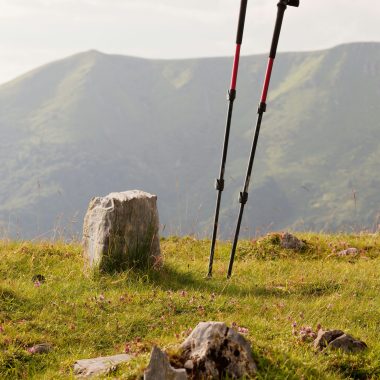
The 3K carbon weave construction provides exceptional strength-to-weight ratio. Each set weighs remarkably little per pair, making them ideal for extended journeys.
| Feature | Specification | Benefit |
|---|---|---|
| Adjustability Range | 105-135 cm | Universal sizing for most hikers |
| Collapsed Length | Compact design | Easy backpack storage |
| Grip Material | Moisture-wicking cork | Comfort during long days |
| Locking Mechanism | Reliable twist-lock | Secure length adjustment |
The cork grips manage moisture effectively during strenuous activity. Extension grips below the main handle offer versatile hand positions.
“The precision engineering in these tools demonstrates how thoughtful design enhances trail performance.”
Performance in the Backcountry
Real-world testing across varied terrain shows consistent reliability. The poles maintain stability during steep descents and stream crossings.
They excel in rocky conditions and handle off-trail use with confidence. The wrist straps efficiently transfer load, reducing hand fatigue.
Included accessories like trekking baskets and carbide tips enhance versatility. These poles are available at FiTiFT’s website, making suitable for serious backpacking adventures.
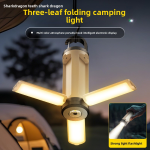
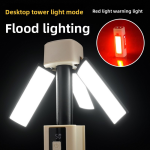
Product Spotlight: Multifunctional High-Intensity Flashlight (BicycleRack+USB+Box)
When daylight fades during outdoor adventures, reliable illumination becomes as essential as your primary hiking equipment. The FiTiFT Multifunctional High-Intensity Flashlight serves as a crucial companion piece in any outdoor enthusiast’s gear collection.
This powerful tool delivers exceptional brightness for early morning starts and evening camp tasks. Its impressive beam distance ensures safe navigation during dawn or dusk hiking conditions.
Versatile Applications for Outdoor Adventures
The flashlight’s bicycle rack mounting system offers remarkable flexibility. It transforms from handheld illumination to a secure bike-mounted light for cycling enthusiasts.
USB charging capability eliminates the need for spare batteries on multi-day trips. You can recharge from portable power banks or vehicle ports conveniently.
| Feature | Specification | Trail Advantage |
|---|---|---|
| Light Output | High-intensity beam | Clear visibility in darkness |
| Mounting System | Bicycle rack compatible | Dual-purpose functionality |
| Power Source | USB rechargeable | No battery waste |
| Runtime | Extended duration | Reliable all-night use |
The vibrant orange color reduces loss risk in outdoor environments. This flashlight complements your trekking poles by ensuring safety beyond daylight hours.
Included accessories like mounting hardware and charging cable provide immediate usability. This illumination tool integrates seamlessly with FiTiFT’s outdoor gear system.
The Multifunctional High-Intensity Flashlight is available at FiTiFT’s website. It represents smart preparation for adventures that extend into nighttime conditions.
Product Spotlight: EDC Flashlight (USB+Box) – Red
The concept of Everyday Carry (EDC) gear transforms ordinary items into essential tools that ensure safety and convenience during unexpected situations. This compact lighting solution becomes your constant companion on the trail, ready for any scenario that requires immediate illumination.
Unexpected delays can push your hike past sunset, making reliable lighting crucial. The FiTiFT EDC Flashlight provides backup illumination for navigating camp facilities at night or finding items in your pack. Its compact design means it adds minimal weight to your essential gear.
Weighing just ounces, this flashlight fits perfectly in pockets or attaches to pack straps. You’ll barely notice it’s there until you need it. The USB charging feature eliminates disposable battery waste, using the same power sources as your phone.
The vibrant red finish makes the flashlight easy to locate in your pack and reduces loss risk outdoors. Included accessories like charging cables and attachment clips enhance its portability. This light complements your trekking poles by ensuring visibility during pre-dawn starts or late arrivals.
Practical uses include emergency gear repairs in low light and reading maps without draining phone batteries. The EDC Flashlight is available at FiTiFT’s website, completing your layered lighting strategy for outdoor adventures.
Product Spotlight: Compass Survival Whistle 2 in 1 – Stonewashing
The smallest items in your pack can sometimes deliver the biggest impact during outdoor emergencies. FiTiFT’s Compass Survival Whistle combines two essential safety tools in one compact package that weighs less than an ounce.
This innovative design features a loud survival whistle that carries over long distances. The integrated compass provides basic navigation when electronic devices fail. Together they create a reliable backup system for any adventure.
The stonewashing finish gives this tool a distinctive, durable surface. This treatment resists scratches and wear while maintaining an attractive tactical appearance. It appeals to serious outdoor enthusiasts who value both function and aesthetics.
“Carrying a whistle isn’t just precautionary—it’s fundamental wilderness wisdom that could save your life when voice signals fail.”
Three short blasts serve as the universal distress signal. Whistle sound travels much farther than shouting and requires less energy. This becomes crucial when you’re exhausted or injured on challenging terrain.
| Method | Effective Range | Energy Required | Success Rate |
|---|---|---|---|
| Survival Whistle | Up to 1 mile | Low | High |
| Shouting | 200-300 yards | High | Low |
Practical scenarios include getting separated from your group or navigating dense fog. The compass allows quick directional checks without stopping to unpack other gear. This tool complements your primary equipment by adding crucial safety redundancy.
The Compass Survival Whistle attaches easily to pack straps or zipper pulls. It’s available at FiTiFT’s website for immediate purchase. This safety device represents the brand’s commitment to comprehensive outdoor preparedness.
Product Spotlight: Stainless Steel Wood Stove (Multifunctional Smokeless Stove)
Modern camp cooking has evolved beyond heavy fuel canisters to embrace efficient, natural alternatives. The FiTiFT Stainless Steel Wood Stove represents this advancement perfectly. It complements your lightweight hiking gear by eliminating the need for carrying specialized fuel.
This multifunctional design features an engineered airflow system that promotes clean combustion. The result is significantly reduced smoke compared to traditional campfires. You’ll enjoy a more pleasant cooking experience with minimal environmental impact.
Constructed from durable stainless steel, this stove withstands high temperatures and repeated use. The corrosion-resistant material ensures longevity even in wet conditions. It maintains structural integrity despite the thermal stress of open-flame cooking.
The stove’s compact design makes it ideal for ultralight backpacking. Components nest or disassemble for efficient packing. Every ounce counts when you’re carrying your essential trekking poles and other equipment.
Environmental benefits include no fuel canisters to carry or dispose of. You can cook meals anywhere with available dry wood or biomass. This independence from supply chains is particularly valuable on extended trips.
This stove pairs perfectly with FiTiFT’s trekking poles for complete outdoor preparedness. It’s available at FiTiFT’s website, representing their commitment to high-quality outdoor essentials.
Technical Features of Sub 10 oz Carbon Trekking Poles
When selecting equipment for the trail, several key technical features determine both comfort and performance. Understanding these specifications helps you choose tools that match your hiking style and body mechanics perfectly.
Adjustability, Collapsed Length, and Packed Size
The adjustment range is crucial for proper ergonomics. Most users find poles adjustable from 105-135 cm cover heights from about 5 feet to over 6 feet tall. This range ensures optimal positioning for different terrains.
The collapsed length directly impacts portability. Folding models typically pack down to 13-17 inches, making them highly packable. Telescoping designs collapse to 24-26 inches but often offer greater adjustability.
Consider the packed size beyond just length. The diameter affects how easily they store during technical sections or travel. Every inch matters when you’re trying to minimize bulk.
Wrist Straps, Foam Grips, and Durability
Well-designed wrist straps transfer load from hand to wrist, allowing a relaxed grip. Look for adjustable straps with padding for extended comfort. Proper adjustment prevents chafing during long days.
Grip material significantly affects handling. While foam grips may be lighter, cork offers superior moisture management. Cork conforms to your hand shape over time, providing better security when wet.
Durability considerations include carbon fiber’s resistance to bending versus potential clean breaks. Locking mechanisms should withstand repeated adjustments. The weight per pair should balance lightweight construction with reliable performance.
These technical features work together to create equipment that enhances your outdoor experience. Choosing the right combination ensures your tools support rather than hinder your adventures.
Comparing Carbon and Aluminum Trekking Poles
Choosing between carbon and aluminum hiking poles involves weighing distinct advantages that cater to different outdoor priorities. Each material offers unique benefits that suit various hiking styles and budgets.
Performance Differences and Weight Considerations
Weight variations between materials are noticeable on the trail. The Black Diamond Alpine Carbon Cork poles weigh around 17 ounces per pair. Comparable aluminum models typically range from 19-22 ounces.
Carbon fiber provides superior stiffness with minimal flex. This means better energy transfer with each step. Aluminum bends more, absorbing some impact but creating more vibration.
Durability characteristics differ significantly. Aluminum poles may bend under extreme stress but can often be straightened. Carbon models resist bending but may break cleanly under catastrophic force.
Cost is another key factor. Premium alpine carbon cork options like the Black Diamond model command higher prices around $230. Aluminum alternatives offer excellent value at $70-170.
The Alpine Carbon Cork features telescoping poles with a wide range of adjustability from 100-130 cm. This makes them versatile for various users and terrains. They combine carbon performance with cork grip comfort.
Different models serve distinct purposes. Ultralight carbon folding poles suit fast adventures. Adjustable carbon poles work well for all-around use. Durable aluminum options are great for beginners or harsh conditions.
Insights from Field Testing and Expert Reviews
Putting gear through real-world challenges reveals performance characteristics that lab testing cannot capture. Our evaluation spanned Wyoming’s Wind River Range, Idaho’s Sawtooths, Utah’s High Uintas, and Colorado’s San Juans. We tested equipment on technical routes like the Grand Canyon’s Gems Route and the 96-mile Wind River High Route.
Real-World Performance from Backcountry Adventures
The Gossamer Gear LT5 demonstrated remarkable reliability during extreme testing. These gear lt5 models handled off-trail navigation and multiple stream crossings effortlessly. Their twist-lock mechanism maintained security even under heavy pack loads.
Black Diamond products showed consistent engineering excellence across their lineup. The Distance Carbon Z endured rigorous off-trail use while the alpine carbon models provided robust support. Both designs proved why many experienced hikers choose Black Diamond for demanding adventures.
Different pole designs served distinct purposes during testing. Non-adjustable folding poles offered instant deployment for rapid movement. Adjustable models provided versatility with minimal packability compromise. Each design excelled in specific scenarios.
Durability observations revealed how trekking poles withstand accidental impacts and repeated adjustments. Locking mechanisms maintained integrity through hundreds of length changes. These real-world insights help you select equipment that matches your hiking style.
Expert recommendations highlight which poles excel for thru-hiking versus weekend backpacking. The Gossamer Gear philosophy creates tools for ultralight enthusiasts who understand weight-to-feature trade-offs. Field testing confirms that proper equipment selection enhances both safety and enjoyment on the trail.
User Tips for Choosing the Perfect Trekking Pole
The journey to discovering your ideal trail companions starts with matching features to your specific needs. Getting the right fit makes all the difference in comfort and performance.
Matching Pole Features with Your Hiking Needs
Begin with proper sizing. When holding your equipment with the tip grounded, your elbow should form a 90-degree angle. This ensures efficient energy transfer during hiking.
Consider your hiking style. Thru-hikers prioritize weight savings over thousands of miles. Weekend backpackers balance performance and durability. Day hikers value adjustability for varied terrain.
A wide range of adjustability accommodates different users. It allows length changes for steep terrain. Folding designs offer superior packability. Telescoping models provide greater adjustability.
Cork grips prove superior to foam in real conditions. They manage moisture better and provide secure grip when wet. Cork gradually conforms to your hand shape over time.
How to Assess Fit and Comfort
Test equipment in-store if possible. Simulate hiking motions to check comfort. Verify that straps adjust properly and extend smoothly.
Evaluate whether specific models are making suitable choices for your use. Consider your typical terrain and load weight. Think about trip duration and personal priorities.
Many ultralight tent designs require equipment extending to 125-135 cm. This becomes critical if you use such shelters. Weight categories help guide your selection process.
Ultralight options under 12 ounces maximize savings. Lightweight models 12-16 ounces balance performance. Sturdier choices over 16 ounces suit demanding conditions.
Maintenance and Durability Considerations for Trekking Poles
A little regular care goes a long way in preserving the performance of your hiking companions. Establishing simple routines after each trip significantly extends their lifespan and reliability.
Start with basic cleaning after every adventure. Wipe down shafts to remove abrasive dirt and sand. Clean locking mechanisms to prevent grit from interfering with adjustments.
Cleaning and Storage Best Practices
For telescoping models with twist locks, periodically disassemble sections. Remove accumulated dirt that prevents proper tightening. Apply manufacturer-recommended lubricant if needed.
Lever-lock systems require different attention. Check tension adjustments periodically. Inspect for cracks in plastic components that might indicate pending failure.
Tip and basket maintenance is equally important. Regularly inspect carbide tips for excessive wear. Replace them when worn to maintain proper traction on various surfaces.
Proper storage makes a big difference. Keep your equipment in a dry location to prevent corrosion. Avoid leaving them compressed in hot vehicles where heat might affect materials.
Carbon fiber shafts resist corrosion and don’t bend like aluminum. However, inspect them for any signs of cracking after impacts. Retire equipment if structural integrity is compromised.
Before purchasing, verify that replacement parts are readily available. Keep spare tips in your repair kit for extended trips. Minor component replacement extends life significantly.
Common issues like poles that won’t stay locked often need simple fixes. Internal cleaning or tension adjustment usually resolves the problem. Squeaking or rattling typically clears with proper lubrication.
Conclusion
Quality outdoor gear serves as an extension of your capabilities, amplifying your natural strengths on challenging terrain. This guide has shown how the right equipment transforms your hiking experience.
Seasoned adventurers consistently use poles because the benefits are undeniable. Reduced joint impact and improved balance make every mile more enjoyable. The minimal weight of quality tools is a small price for such significant advantages.
FiTiFT’s commitment shines through their 3K Carbon Fiber trekking poles and complementary essentials. Their integrated system supports diverse adventures from day hikes to extended expeditions.
Choosing the best trekking poles means matching features to your specific needs. Consider your typical terrain, load weight, and personal priorities. The right poles become indispensable companions.
Explore FiTiFT’s complete range at their website. With quality equipment and proper knowledge, you’re ready to confidently tackle any trail.
FAQ
Why choose carbon fiber over aluminum for my next pair of hiking poles?
Carbon fiber offers a fantastic blend of strength and lightness. These poles are significantly lighter than aluminum models, which reduces arm fatigue on long trails. They also absorb trail vibration better, providing a smoother, more comfortable feel with each step. While aluminum is very durable, modern carbon construction is incredibly tough and reliable for most backpacking adventures.
What is the ideal collapsed length for easy packing?
A shorter packed size is a huge advantage for travel and storage. Many of the best trekking poles collapse down to around 24 inches. This compact length makes them easy to strap to a pack or fit into a suitcase, ensuring they’re never in the way when you’re not using them on the path.
How do I know what size is right for me?
Most adjustable poles are designed to fit a wide range of hikers. A good rule of thumb is that when you hold the grip, your forearm should be parallel to the ground. Telescoping poles with multiple sections allow for fine-tuning this fit. It’s all about finding a comfortable length that supports your natural walking rhythm.
Are foam grips better than cork for backpacking?
Both foam and cork grips have their loyal followers! Cork molds to your hand over time, offering a custom fit. Foam is excellent at wicking away moisture and is very comfortable against the skin. Your choice might come down to personal preference for feel and how much you tend to sweat on the trail.
When should I use the included baskets?
The small trekking baskets are perfect for standard trail use. If you’re heading into snow or very soft, muddy terrain, switching to larger snow baskets will prevent the poles from sinking in too deep. It’s a simple swap that can make a big difference in performance.
How important are the wrist straps?
A> Properly adjusted wrist straps are crucial! They allow you to transfer energy efficiently through the pole without gripping too tightly, which saves your hand muscles. Make sure the strap sits between your thumb and index finger for the most secure and comfortable support.