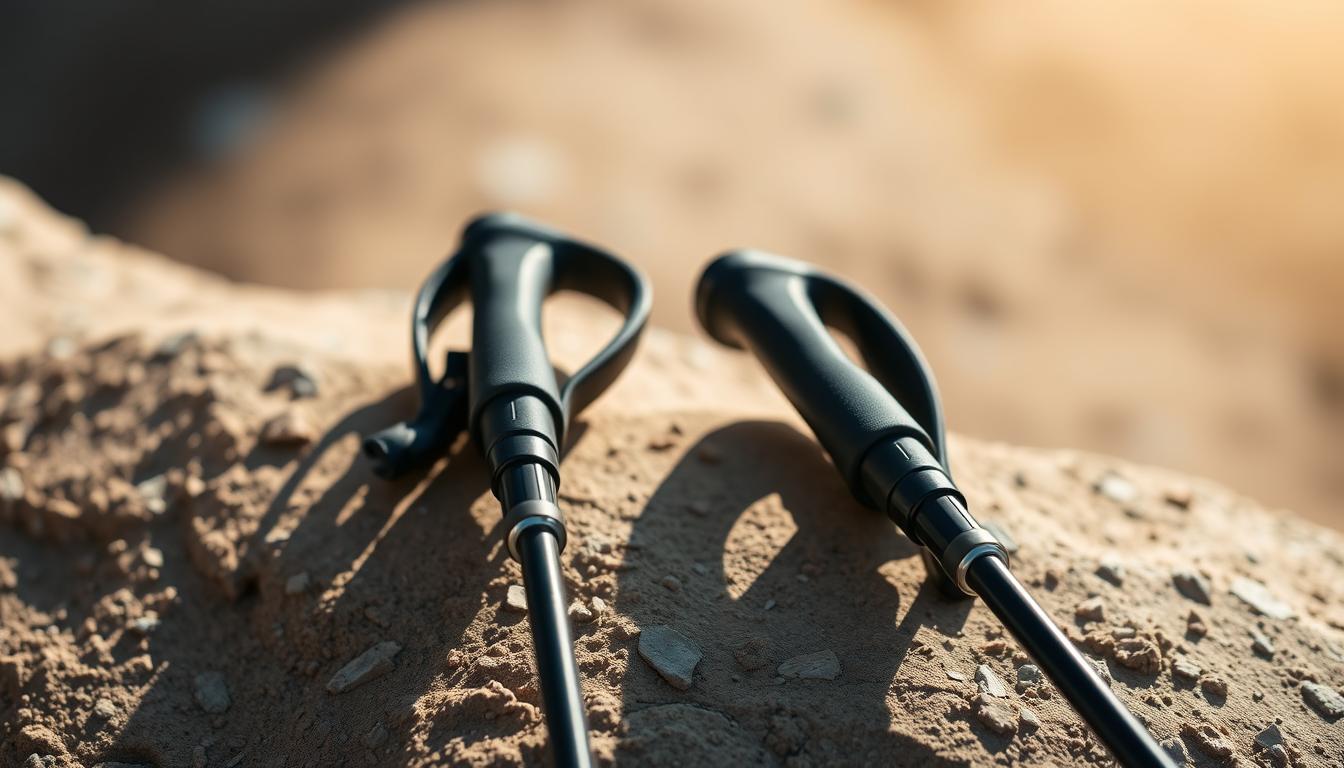
Welcome to FiTiFT, your trusted source for top-tier outdoor sports equipment. We understand that the right tools can completely change your adventure. This guide dives deep into a piece of gear that is essential for serious trail enthusiasts.
For long-distance journeys, every ounce in your pack matters. Reducing weight directly boosts your endurance and enjoyment. This is where advanced materials make a huge difference. The right support can transform a grueling multi-day trek into a rewarding experience.
Recent data from hikers on the Continental Divide Trail confirms this trend. A 2024 survey of over 200 successful thru-hikers highlighted specific preferences. Their insights show a clear move towards smarter, lighter equipment choices for covering thousands of miles.
Selecting the proper support gear is about more than just weight. It’s about safety, stability, and protecting your joints on unpredictable terrain. This comprehensive guide will walk you through everything from material benefits to real-world performance tips.
Key Takeaways
- The correct hiking gear can dramatically improve your experience on long trails.
- Reducing pack weight is crucial for maintaining energy and endurance.
- Advanced materials offer significant advantages for demanding outdoor activities.
- Thru-hiker surveys provide valuable real-world data on equipment preferences.
- Proper support equipment enhances stability and safety on challenging paths.
- This guide offers a complete look at features, benefits, and maintenance advice.
Overview of FiTiFT’s High-Quality Outdoor Gear
FiTiFT builds every piece of gear on a simple principle: reliability should never weigh you down. Our philosophy centers on providing high-quality equipment that meets the diverse needs of all outdoor enthusiasts.
From casual day hikers to serious long-distance adventurers, we ensure our products perform reliably in challenging conditions. We combine lightweight design with unwavering durability.
FiTiFT Brand Promise
Our commitment is to innovation that enhances your experience. We focus on creating tools that offer a significant advantage without adding unnecessary bulk to your pack.
This promise extends across our entire product ecosystem, ensuring consistent quality and performance you can trust.
Diverse Product Range
FiTiFT offers more than just exceptional support tools for hiking. We provide a complete system for adventurers. Our flagship carbon fiber support set is designed for weight-conscious users who refuse to compromise.
Complementary items include the Compass Survival Whistle, a 2-in-1 tool for navigation and safety. Our lighting solutions feature a Multifunctional High-Intensity Flashlight and a compact EDC flashlight.
For extended trips, the Stainless Steel Wood Stove offers a versatile cooking solution. This integrated approach allows you to build a cohesive and reliable kit from a single trusted brand.
Key Features of Ultralight Trekking Poles
The difference between ordinary and exceptional trail support comes down to a few critical characteristics. Premium hiking equipment combines smart engineering with user-focused design.
These features work together to enhance your outdoor experience. They transform challenging hikes into enjoyable adventures.
Lightweight Construction
Every ounce matters when you’re covering long distances. Advanced materials make significant weight reductions possible.
High-quality carbon fiber poles typically weigh between 5.6 to 8 ounces each. This represents a substantial improvement over traditional options.
The weight savings accumulate dramatically over multi-day trips. Reducing fatigue becomes a realistic goal with properly balanced equipment.
Ergonomic Design
Comfort during extended use depends on thoughtful design elements. The right grip materials prevent hand fatigue and blisters.
Adjustable wrist straps and handle shapes contribute to overall comfort. They allow for natural movement while maintaining secure control.
Proper weight distribution makes the poles feel lighter during use. This ergonomic advantage enhances stability on uneven terrain.
These design features work together to create equipment you can trust. They support your journey from morning until evening without discomfort.
Materials and Construction Explained
Material science plays a crucial role in determining how hiking equipment performs under real-world conditions. The choice of material directly impacts both the weight and durability of your gear.
Carbon fiber stands out as a premier choice for modern hiking support tools. Its molecular structure creates an exceptional strength-to-weight ratio that traditional materials can’t match.
Different construction techniques offer unique benefits. Standard carbon layups provide excellent performance, while 2×2 twill weave patterns add visual appeal and structural integrity. Kevlar-reinforced options deliver enhanced impact resistance.
When comparing materials, aluminum alternatives using 7000 series alloy offer different trade-offs. They typically provide greater impact resistance but at the cost of added weight.
One significant advantage of carbon fiber shaft construction is vibration dampening. The material naturally absorbs shocks from pole strikes, reducing fatigue during long days on the trail.
Manufacturing processes carefully balance fiber orientation and resin systems to optimize performance. Proper engineering ensures these lightweight tools maintain excellent durability for their intended use.
The complete system includes thoughtful choices beyond the main shaft. Grip materials, locking mechanisms, and tip designs all contribute to the overall user experience.
In-Depth Look: CDT Ultralight Trekking Poles Carbon
Tackling a long-distance route like the Continental Divide Trail demands equipment that can handle immense variety and stress. Hikers face scorching desert heat, rocky alpine passes, and dense wilderness. Your support gear must be a reliable partner through it all.
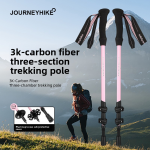
FiTiFT’s 3K Carbon Fiber Trekking Poles are built for this challenge. Their construction uses a specific 3K weave pattern. This method interlaces thousands of thin filaments for exceptional strength without added mass.
Material and Weight Advantages
The primary benefit of this advanced material is its incredible strength-to-weight ratio. This is critical for thru-hikers aiming for a low base weight. Every ounce saved reduces fatigue over thousands of miles.
Premium options demonstrate significant weight savings. The table below shows how modern materials compare.
| Model | Weight per Pair (oz) | Weight per Pair (g) |
|---|---|---|
| Gossamer Gear LT5 | 10.37 | 294 |
| Zpacks Carbon Fiber Pole | 14.5 | 410 |
| FiTiFT 3K Carbon Fiber | 12.0 | 340 |
This weight reduction accumulates with every step. Over a multi-month journey, the energy savings are substantial. It makes the hike more sustainable and enjoyable.
These tools are engineered for real-world performance. They resist temperature extremes and absorb shock from rocky terrain. Choosing gear designed for long-distance use ensures durability for the entire adventure.
Performance and Weight Advantages
The physics of hiking reveals an important truth: lighter gear translates directly to better endurance and faster pace. Every ounce saved in your equipment reduces the energy required for each movement.
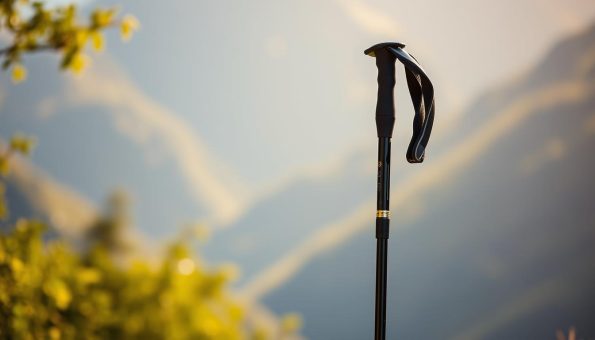
Modern support tools show impressive weight variations. The Gossamer Gear LT5 weighs just 10.37 ounces per pair, while the Black Diamond Distance Z Carbon comes in at 9.8 ounces. More robust designs like the MSR Dynalock Ascent Carbon weigh around 16 ounces per pair.
These differences accumulate significantly during a typical day on the trail. A hiker makes thousands of pole plants daily. Choosing tools that are 6 ounces lighter per pair means lifting hundreds of pounds less weight over a full day of hiking.
The lightest options maximize energy savings but require careful handling. Slightly heavier models often provide better durability for rugged terrain. Proper design ensures that weight reduction doesn’t sacrifice essential performance.
Beyond mere numbers, lighter equipment feels more natural during use. It allows for smoother arm swings and reduces shoulder fatigue. This improves overall hiking biomechanics and balance on challenging paths.
Well-engineered lightweight tools deliver excellent performance while achieving impressive weight reductions. They transform the hiking experience by reducing fatigue and increasing enjoyment mile after mile.
Innovative Design Elements of Trekking Poles
Innovative features in contemporary hiking tools transform how adventurers approach challenging terrain. Modern engineering focuses on smart functionality that enhances both performance and convenience.
Today’s support equipment incorporates thoughtful design elements that make a real difference on the trail. These advancements address specific needs for varied conditions and user preferences.
Adjustability and Balance
Different adjustment systems offer unique advantages for hikers. Lever lock mechanisms like FlickLock provide secure, quick changes to pole length. Twist lock systems offer smooth operation with reliable holding power.
Folding designs collapse to remarkably compact sizes, some as small as 36 centimeters. These options available maximize packability for easy storage during transport.
Proper balance significantly affects how equipment feels during use. Well-distributed weight along the shaft reduces swing effort and improves control. This makes for easier handling over long distances.
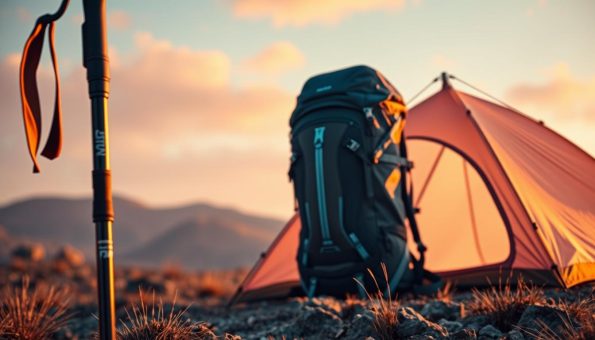
Many modern designs serve dual purposes as tent poles for lightweight shelters. Reliable locking mechanisms ensure stable support for shelter setups. This versatility adds tremendous value for multi-day adventures.
Comparing Carbon Fiber vs. Aluminum Poles
The debate between carbon fiber and aluminum construction represents one of the most common considerations for serious hikers. Each material offers distinct advantages that suit different hiking styles and priorities.
Premium carbon fiber models like the Black Diamond Alpine Carbon Cork showcase advanced engineering. These tools weigh just 486 grams per pair with 100% carbon construction. The slightly thicker layup in diamond alpine carbon designs enhances durability without significant weight penalty.
Aluminum alternatives provide different benefits. The Black Diamond Pursuit uses 7000 series aluminum at 500 grams per pair. The 14-gram difference shows that weight gaps between quality materials can be minimal.
Carbon fiber excels at vibration damping, reducing jarring impacts on rocky terrain. However, aluminum options tend to bend rather than break under extreme stress. This difference affects field repair possibilities.
Price considerations also matter. Alpine carbon cork models typically cost $50-150 more than aluminum versions. Choose carbon for weight savings and comfort, or aluminum for budget-friendly rugged performance.
Complementary Outdoor Gear from FiTiFT
True trail readiness comes from having a system of gear that works together seamlessly. FiTiFT offers more than just exceptional support tools—we provide a complete ecosystem for outdoor adventures.
Each piece is designed with the same attention to quality and performance. This integrated approach ensures all your equipment functions as one reliable unit.
Flashlights & Survival Tools
Safety and visibility are non-negotiable on any backpacking trip. FiTiFT’s lighting solutions provide reliable illumination when you need it most.
The Multifunctional High-Intensity Flashlight offers versatile mounting options and USB charging. For minimal weight, the compact EDC flashlight delivers dependable performance.
Our Compass Survival Whistle combines navigation and emergency signaling in one lightweight tool. It weighs virtually nothing but could prove essential in critical situations.
Multi-Functional Accessories
The Stainless Steel Wood Stove provides a durable cooking solution for extended trail adventures. It uses natural fuel sources while minimizing environmental impact.
When combined with our support tools, these accessories create a cohesive ultralight setup. Sourcing multiple items from one brand simplifies your gear selection process.
This integrated system approach means every piece works in harmony. You get consistent quality standards across your entire outdoor kit.
User Experience and Comfort
The right grip can make the difference between enjoying your hike and struggling with hand fatigue. Even the lightest equipment becomes burdensome if it causes discomfort during long days on the trail.
Cork grips are highly favored by experienced hikers for their natural properties. Over time, they mold to the shape of your hand, creating a personalized fit. This material also wicks away moisture effectively, maintaining a secure grip when synthetic alternatives might become slippery.
The vibration-damping quality of cork reduces jarring sensations with each pole strike. This protects hands and wrist joints from cumulative stress during thousands of daily movements.
Well-designed wrist straps are crucial for proper technique. They transfer weight from hands to wrists, allowing for a relaxed grip that prevents fatigue. Many hikers appreciate adjustable straps that can be removed to save weight.
Different grip materials like EVA foam and rubber offer varying benefits. Cork excels in moisture management, while foam provides cushioning. Choosing the right material depends on your hiking conditions and personal preferences.
Investing time in proper adjustment pays dividends in comfort over long distances. A well-fitted setup prevents common issues like blisters and hand numbness, ensuring you can hike comfortably from dawn to dusk.
Essential Gear for CDT Thru-Hikers
Recent survey data from successful thru-hikers reveals fascinating patterns in gear selection for long-distance journeys. The 2024 survey of 213 Continental Divide Trail adventurers provides valuable insights into what works on this challenging route.
Statistical Insights from CDT Gear Guides
The average starting base weight was 15.49 pounds, showing how experienced hikers prioritize lightweight equipment. This careful balance allows for endurance over thousands of miles.
Sleeping systems reveal interesting preferences. About 66% of hikers chose quilts over traditional bags, with average temperature ratings around 17°F. This ensures comfort during cold mountain nights.
Clothing choices demonstrate smart layering strategies. Over 90% carried insulated jackets, while 74% brought fleeces. Most hikers carried both for temperature flexibility across diverse trail conditions.
Adaptability in Extreme Conditions
Gear must perform reliably from New Mexico’s heat to Montana’s snow. The right equipment adapts to sudden weather changes and varied terrain challenges.
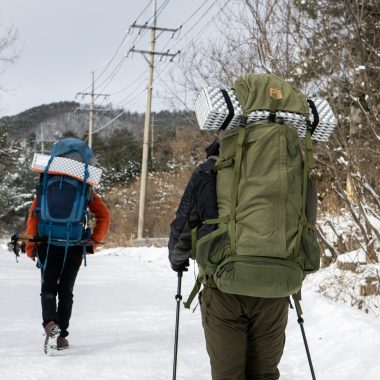
Trekking poles prove essential for stability on rocky sections and reducing joint stress during descents. They often serve double duty as tent supports for lightweight shelters.
Footwear trends show 93% prefer low-top trail shoes, recognizing the trail’s generally dry conditions. This choice emphasizes breathability and lightweight performance.
Practical Tips for Using Trekking Poles
Getting the most from your hiking support tools requires understanding proper technique. Many adventurers purchase quality equipment but miss out on full benefits due to incorrect usage patterns.
The fundamental rhythm involves planting your tools opposite your foot strikes. This creates natural four-point contact that enhances stability on uneven ground. Right pole plants with left foot, left with right.
Proper Technique
Hand positioning makes a significant difference in comfort. Slide your hand up through the strap from below, then grip lightly. This allows weight transfer through the strap rather than constant grip pressure.
Adjust length for different terrain conditions. Shorten for uphill sections to maintain proper arm angle. Lengthen slightly for downhill to absorb impact and reduce stress on joints.
Steep ascents benefit from powerful push-off leverage. On descents, these tools absorb shock and provide crucial balance points. Practice develops natural rhythm over time.
Trail Safety Recommendations
Stream crossings demonstrate the true value of proper technique. Hikers use their equipment for stability when navigating swift water and slippery rocks. This can prevent dangerous falls in remote areas.
Always be mindful of other adventurers on crowded paths. Use rubber tip covers on sensitive terrain to avoid damage. When stopping for breaks, properly set poles aside to prevent rolling or accidents.
New users should practice before demanding hikes. The learning curve involves developing muscle memory for efficient movement patterns. With practice, the equipment becomes an extension of your body.
Maintenance and Durability Advice
Maintaining your gear is just as important as choosing the right equipment for your adventures. With proper care, quality hiking tools can serve you reliably for thousands of trail miles.
Different materials require specific attention. Carbon fiber equipment needs careful inspection for cracks, while aluminum versions should be checked for bending. Regular examination helps catch issues early.
Cleaning and Storage Tips
After each hike, rinse away dirt and debris. Clean locking mechanisms with mild soap and water. Always ensure your equipment is completely dry before storing.
Proper storage extends lifespan significantly. Keep your gear in a dry location away from extreme temperatures. Avoid leaving equipment in hot cars where heat can damage the material.
Many popular models offer replacement sections if damage occurs. This approach protects your investment by allowing you to replace individual parts rather than the entire set.
With consistent care over time, your hiking companions will provide reliable performance season after season. Good maintenance practices ensure maximum durability for all your outdoor adventures.
Technical Specifications and Price Points
The numbers behind hiking equipment tell a compelling story about weight, durability, and value. When comparing different models, specifications provide the clearest picture of what each option offers.
Weight specifications vary significantly across available options. Some models weigh as little as 9.8 ounces per pair, while more robust designs approach 16 ounces. This difference accumulates over thousands of steps on long trails.
The price tag for quality equipment ranges from approximately $120 to $250+ per pair. Higher costs often reflect premium materials and advanced construction methods. Budget-friendly options can still deliver reliable performance for many hikers.
Length adjustability is another crucial consideration. Most quality models extend to 130-140cm maximum length. Collapsed sizes range from 35cm for folding designs to 68cm for telescoping versions.
Material choices directly impact both performance and cost. Carbon fiber shafts offer excellent strength-to-weight ratios. Aluminum alternatives provide different durability characteristics at various price points.
Considering that thru-hikers spend an average of $1,139 on gear, equipment investment requires careful planning. Understanding specifications helps maximize value within your overall budget.
Customer Reviews and Insights
There’s no better gear review than thousands of miles of continuous use on challenging terrain. Real feedback from experienced adventurers reveals what truly matters when the trail gets tough.
Seasoned backpacking enthusiasts consistently highlight how proper support equipment transformed their outdoor experiences. Many report reduced joint strain and improved stability during long days on the path.
Testimonials from Outdoor Enthusiasts
Positive reviews frequently praise features that enhance user comfort during extended hiking trips. Cork grips receive particular appreciation for their moisture-wicking properties and natural feel.
Lightweight construction earns consistent compliments from distance travelers. The energy savings accumulate significantly over multi-day adventures, making challenging routes more manageable.
Some users express concerns about durability compared to traditional aluminum options. A small percentage report issues with locking mechanisms under heavy loads.
Many experienced hikers start with budget-friendly models before upgrading to premium choices. As their backpacking skills develop, they prioritize weight reduction and reliability.
The learning curve mentioned in reviews shows initial skepticism often turns to enthusiasm. After experiencing the benefits firsthand, many adventurers become strong advocates for proper trail support.
Future Trends in Ultralight Outdoor Gear
The outdoor equipment industry is undergoing a quiet revolution as manufacturers push the limits of what’s possible with lightweight designs. New approaches are emerging that balance performance with environmental responsibility.
Sustainability is becoming a key focus for many companies. They’re exploring eco-friendly materials and circular economy approaches. This means gear designed for repair rather than replacement.
Modular systems allow hikers to replace individual components instead of entire poles. This reduces waste and extends product lifespan significantly. It’s a smart approach for serious backpacking enthusiasts.
Technological integration offers exciting possibilities. Future models might include subtle GPS tracking or emergency features. These additions would enhance safety without adding noticeable weight to your pack.
Customization options are expanding as consumer preferences evolve. Hikers can soon expect more choices in grip materials and exact lengths. This personalization ensures better comfort on long trails.
Climate change is influencing gear design too. Equipment must adapt to evolving trail conditions and weather patterns. Manufacturers are responding with versatile solutions for changing environments.
Conclusion
Your final gear selection should reflect both personal preferences and the specific demands of your planned adventures. The right support equipment can significantly enhance your hiking experience by reducing fatigue and improving stability on challenging terrain.
When choosing your gear, consider weight, material options, grip comfort, and adjustability features. FiTiFT offers reliable equipment designed with serious backpackers in mind. The best choice depends on your hiking style and trail requirements.
We encourage you to research models thoroughly and test equipment when possible. Explore FiTiFT’s complete range to build a cohesive system that performs optimally on any adventure. Your investment in quality gear will pay off mile after mile.
FAQ
Why should I consider using hiking poles?
Using a pair of poles can significantly improve your stability and balance on uneven terrain. They help distribute the workload, reducing strain on your knees and legs, especially during long descents. Many hikers find they can maintain a better rhythm and cover more ground comfortably.
What is the main benefit of a carbon fiber shaft?
The primary advantage is the exceptional strength-to-weight ratio. Carbon fiber offers excellent durability while being incredibly light, which helps reduce fatigue on long trails. This material also absorbs trail vibration well, increasing comfort during use.
How do I choose the correct length for my gear?
A good rule of thumb is to stand with the pole upright next to you. Your elbow should form a 90-degree angle. Most models are adjustable, allowing you to fine-tune the fit for uphill and downhill sections. Proper length is key for efficiency and comfort.
Are cork grips worth the price tag?
Cork handles are a popular choice because they mold to your hand over time, providing a custom fit. They are excellent at managing moisture, staying grippy even when wet from sweat or rain. This feature adds to the overall comfort, making them a great investment for serious backpacking.
Can these poles be used with my tent?
Many ultralight shelters are designed to work with hiking poles, eliminating the need for separate tent poles and saving precious weight in your pack. It’s a smart way to get dual use from your gear, which is a core principle of lightweight backpacking.
What maintenance do they require?
Regular care is simple. Just wipe down the shafts and grips after a trip to remove dirt. Periodically check the locking mechanisms for any grit and ensure they are functioning smoothly. Proper storage away from extreme heat will help maintain their longevity.