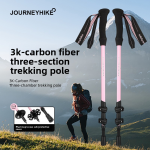
What’s the difference between hiking and trekking? Both outdoor enthusiasts and casual adventurers often use these terms interchangeably, yet they encompass distinct experiences. Understanding the nuances between hiking and trekking can significantly enhance your outdoor escapades, ensuring you choose the right activity for your wants and needs. This article aims to elucidate these differences, providing a comprehensive overview of both pursuits.
Hiking vs. Trekking: Unveiling the Key Distinctions
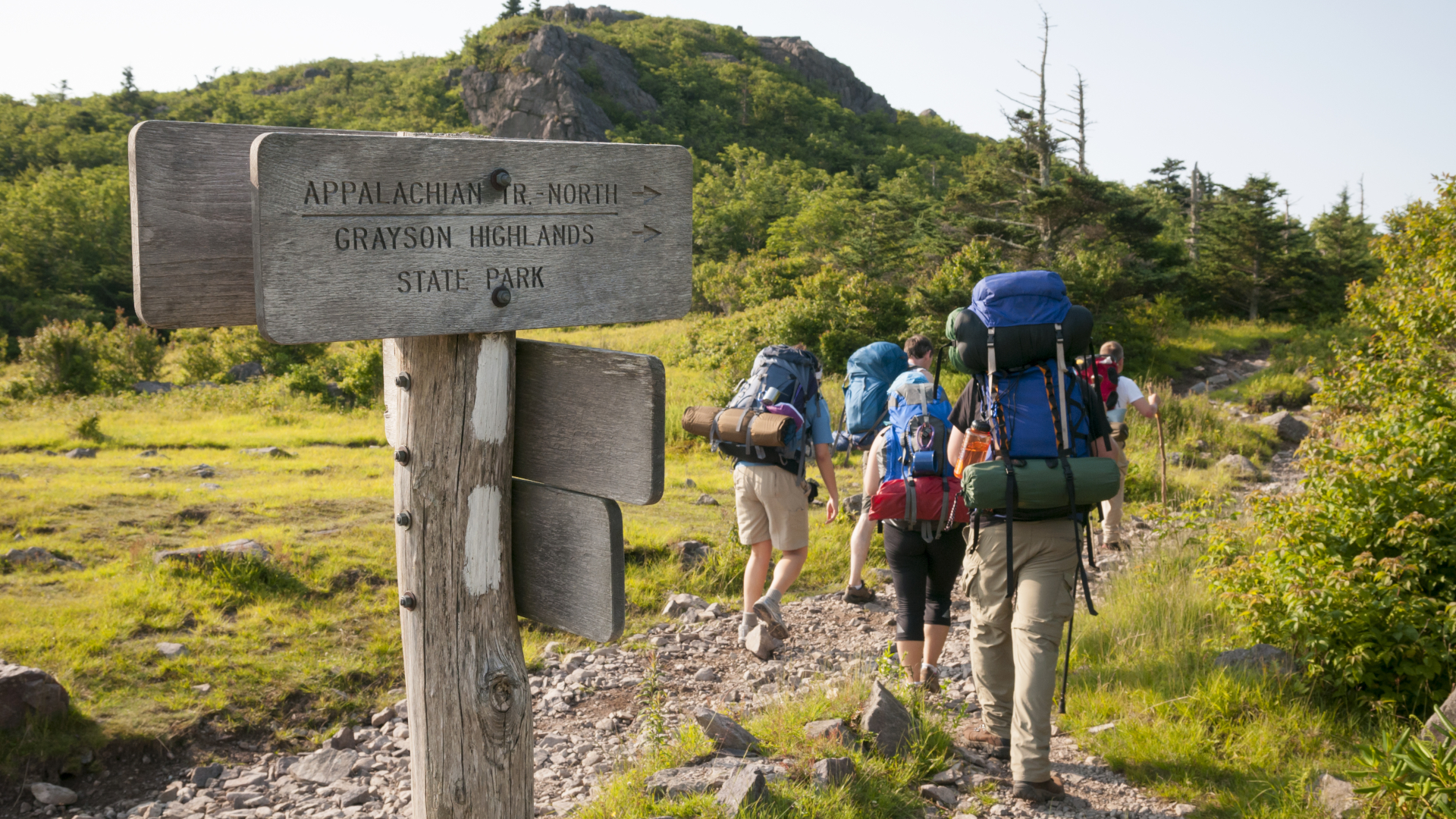
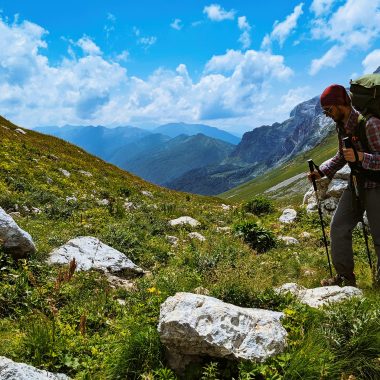
Hiking is generally characterized as a leisurely outdoor activity where individuals walk along well-defined trails or paths. It’s usually done for shorter durations, ranging from a couple of hours to a full day’s excursion. Hikers typically embark on marked trails in accessible areas, enjoying picturesque views and reconnecting with nature. This activity can be enjoyed alone, with friends, or as part of larger organized groups. The social aspect of hiking often enhances the experience, allowing participants to share stories and create memories together.
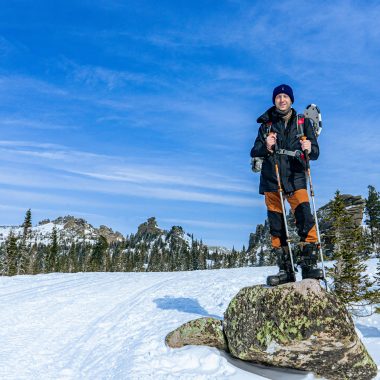
In contrast, trekking often refers to multi-day journeys across challenging terrains that might not be marked or developed like hiking trails. Trekkers venture into more remote locations, preparing themselves for not only long durations but also varying weather conditions and rugged landscapes. The experience of trekking often entails carrying essential gear and supplies as hikers camp along the way, making it less a casual stroll and more an adventurous expedition. Because of these characteristics, trekking attracts enthusiasts searching for deeper connection and immersion in nature, often leading them to less-traveled paths.
A significant distinguishing factor is the requirements and preparation involved in each activity. While hikers may only need comfortable clothing and a sturdy pair of shoes, trekkers must prepare meticulously. This preparation could involve acquiring map-reading skills, understanding navigation tools, and gathering appropriate gear like tents, sleeping bags, and cooking equipment. As the complexity rises, trekkers may also invest in strategy and experience to overcome challenges that are beyond what is typically faced on a hiking trail.
Hiking and Trekking Shoes: Selecting the Right Footwear for Your Adventure
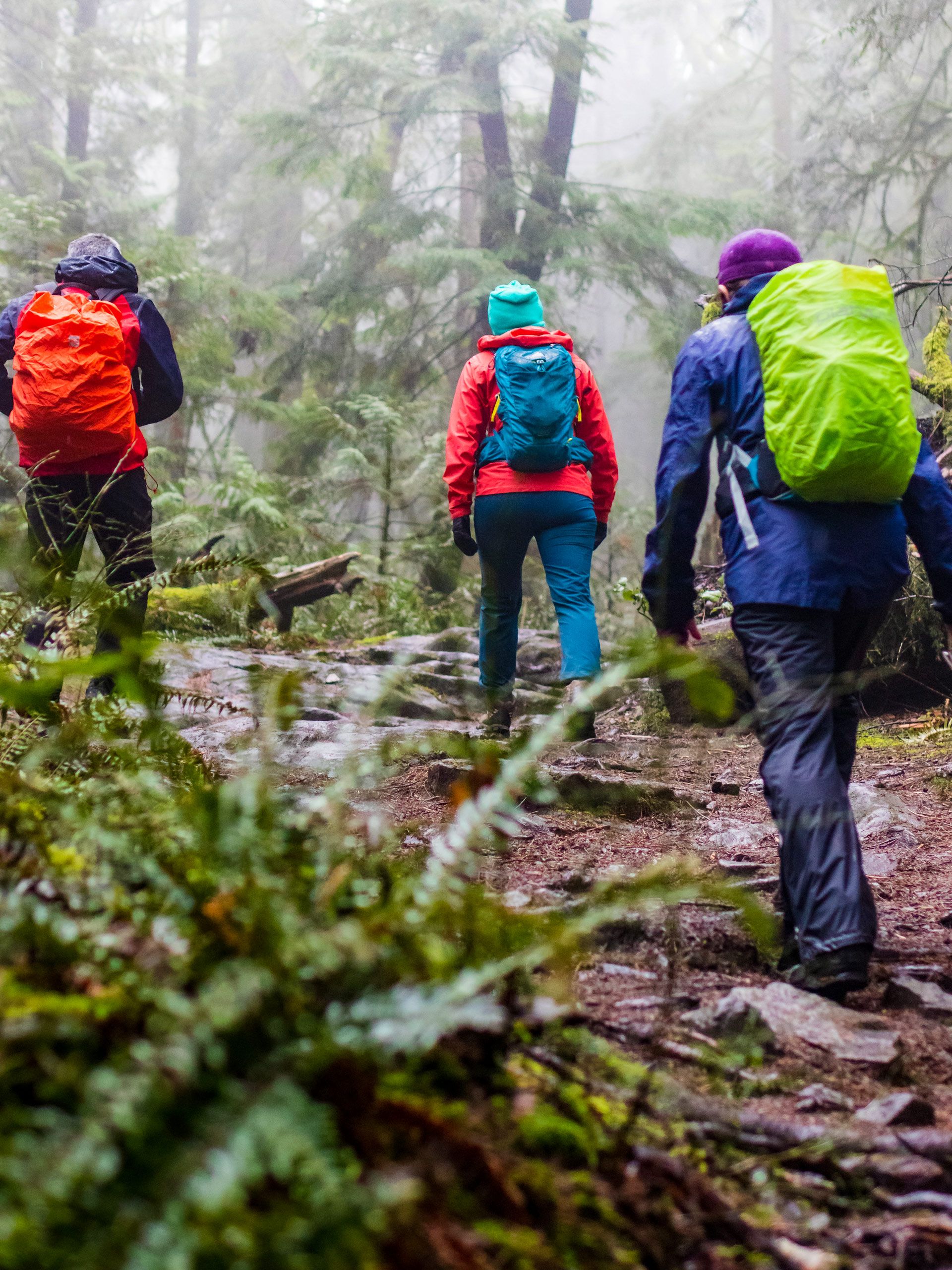
When embarking on any outdoor adventure, proper footwear is essential. The distinction in purpose between hiking and trekking calls for different types of shoes. Hiking shoes, designed for casual trails, offer lightweight comfort, flexibility, and breathability. They typically feature moderate traction and support, making them suitable for well-groomed paths and day hikes. Hikers can choose shoes made from mesh, synthetic materials, or leather, depending on their preferred comfort and climate considerations.
On the other hand, trekking boots are built for the more demanding conditions trekkers often face. They provide robust support and protection, equipped with firmer soles that ensure stability on uneven terrains. Trekking boots also tend to be waterproof, which is crucial when navigating wet or unpredictable weather. Additionally, they may feature higher ankle design to prevent injuries while carrying heavy loads. Selecting the right footwear plays a vital role in one’s outdoor experience and ensures that participants can navigate the trails without discomfort or risky situations.
To further enhance your outdoor gear, consider integrating functional tools like the Compass Survival Whistle 2 in 1. This compact item serves as a whistle for emergencies while providing navigation assistance with a built-in compass. Such tools can make a significant difference during hikes or treks, offering reassurance and support in the great outdoors.
Trekking vs. Hiking: A Detailed Comparison of Difficulty and Duration
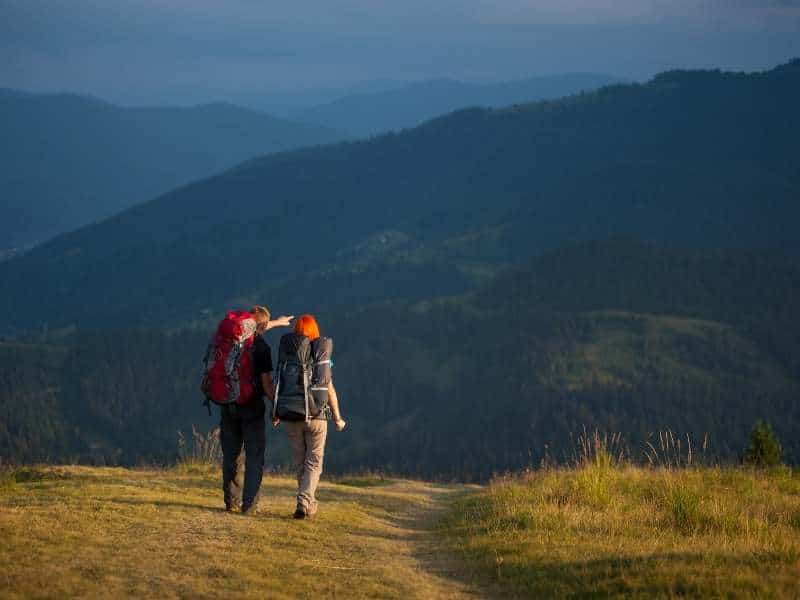
The difficulty levels of hiking and trekking can widely vary and are dependent on multiple factors such as terrain, distance, weather, and individual fitness levels. Generally speaking, hiking is perceived as less strenuous than trekking, primarily due to the well-defined trails that cater to varying skill levels. Beginners can easily find suitable routes that allow them to build confidence while enjoying their surroundings. The shorter durations further establish hiking as an accessible activity for families and casual adventurers.
In contrast, trekking often requires more endurance and resilience. The challenges come not only from the physical exertion involved but also from unpredictable weather and potential navigation issues. Trek paths can include steep ascents, rocky outcrops, and varying altitude, demanding backpack skills, route planning, and possibly even camping arrangements. For the adventurer seeking excitement and immersive experience, trekking offers an opportunity to challenge limits and develop essential survival skills.
Additionally, the length of time spent on these outdoor activities further differentiates them. While hiking may only require a few hours, often completed in one day, trekking could span several days to weeks. This extended duration means trekkers must be equipped with necessary supplies and prepared for diverse conditions. Selecting gear for an extended trek, such as a sleeping bag for all seasons, becomes essential. Proper planning in both equipment and personal commitment is key to success in either pursuit—ensuring that adventure remains enjoyable and fulfilling.
Hiking, Trekking, and Walking: Understanding the Nuances of Outdoor Exploration
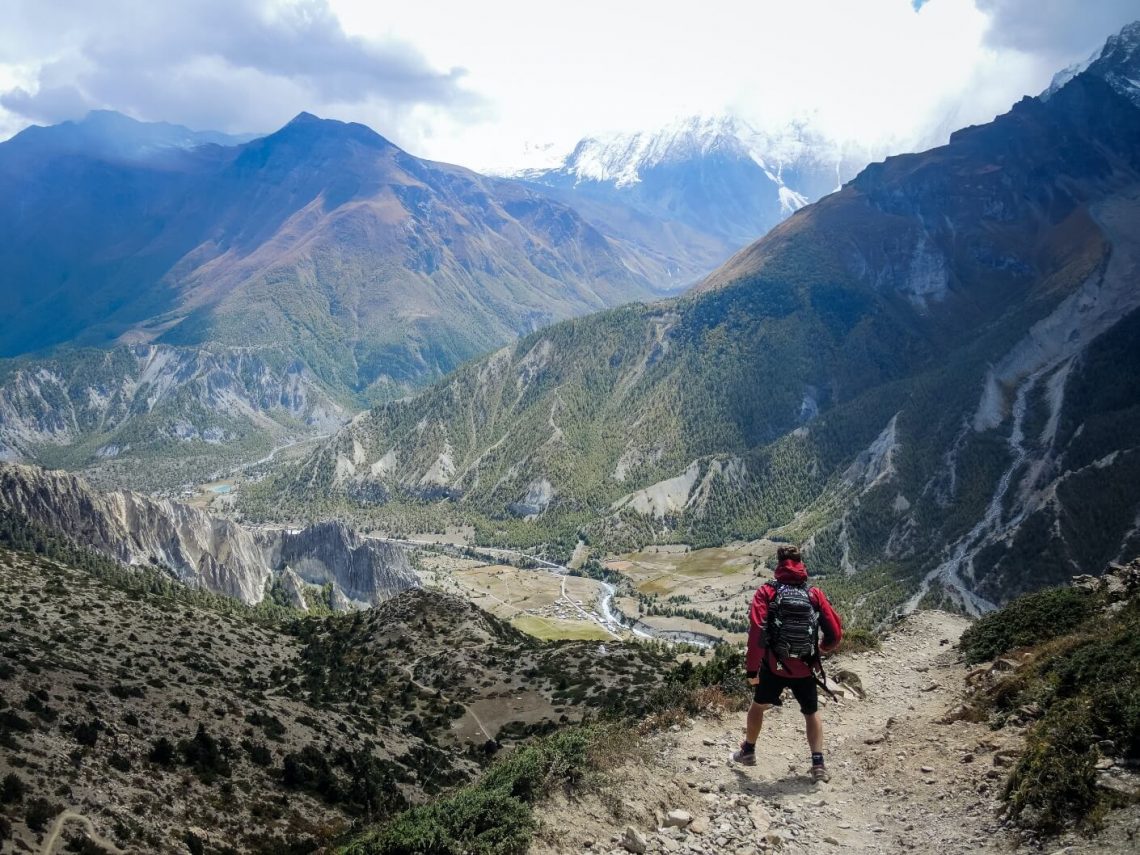
When pondering the question, what’s the difference between hiking and walking, it’s essential to recognize that walking can be a more casual and straightforward activity, often suited as a daily exercise routine. People walk for various reasons—be it leisure, commuting, or health-related—to maintain fitness levels, enjoy fresh air, or simply clear their minds. Walks can occur in urban environments, parks, or flat countryside, but they may lack the deeper immersive experience that hiking and trekking offer.
Hiking requires a bit more commitment than walking, as it involves wooded trails or nature paths. A hike typically incorporates the natural surroundings while challenging the participant with uneven terrain or elevation. The main objective of hiking focuses on exploring nature and connecting with its beauty. Although a hike can still be casual, it generally requires more robust footwear and readiness for changing weather or trail conditions.
Meanwhile, trekking is the pinnacle of outdoor exploration, delving deeper into remote and challenging landscapes. The combination of distance, unpredictability, and the necessity for survival skills sets trekking apart from both hiking and walking. This experience often unites passionate adventurers looking for personal growth, discovery, and connection with the wilderness. Each of these activities contributes to one’s understanding of nature and physical capabilities; they carve their unique pathways to enjoyment in the great outdoors.
Are Hiking and Trekking the Same? Debunking the Common Myths

To answer the question, are hiking and trekking the same?, it’s imperative to highlight the misconceptions that often lead to confusion. Many people mistakenly assume that both activities are identical, but the reality is that they should be viewed as distinct. Identifying their differences serves to clarify the best approaches to gear, planning, and mindset required for each endeavor.
One myth arises from the venture into the wilderness, where it’s often assumed that a walk on a nature trail qualifies as trekking. This is far from the truth. Trekking involves serious preparation, endurance, and sometimes risk management, while hiking is often limited to day trips with clear paths. Many outdoor enthusiasts ignore this distinction; consequently, they may step into the trekking world unprepared, leading to frustration and potential safety hazards.
Moreover, this misunderstanding extends to the perception of scenery and experience. Some might argue that hiking in picturesque locales is akin to trekking in similar environments; however, the depth of engagement and challenge is fundamentally different. Trekkers often immerse themselves in unspoiled landscapes over extended periods, gaining not just views but profound personal growth, stamina, and understanding of nature. Recognizing these distinctions can significantly enhance adventure preparation and ultimately improve overall satisfaction.
The Definitive Guide: Hiking vs. Trekking – Choosing Your Ideal Activity
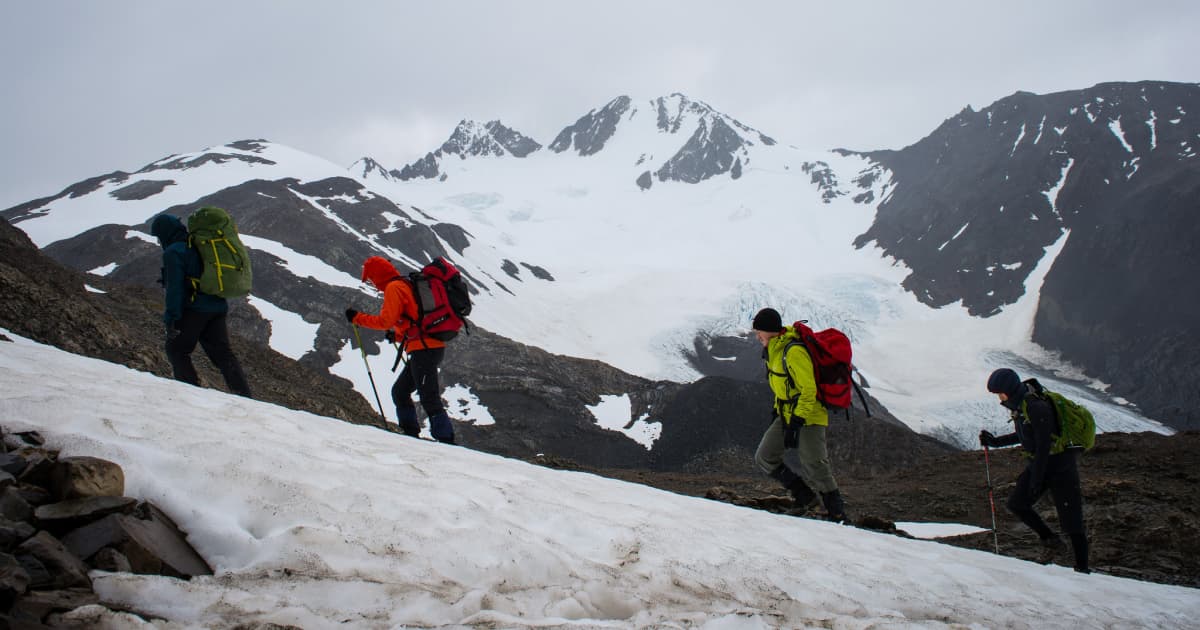
Choosing between hiking and trekking often hinges on personal preferences and capabilities. To aid in this decision, one must consider factors like fitness level, time commitment, specific goals, and desired engagement with nature. A beginner aspiring for a casual outdoor experience may prioritize hiking, embracing shorter trails that enable them to explore local parks and scenic views. It provides an introduction to the outdoors without overwhelming physical demands, allowing participants to gradually build comfort and enthusiasm for exploration.
Conversely, the motivated adventure-seeker or seasoned outdoor enthusiast might lean toward trekking. This option offers transformative experiences, enabling them to explore rugged terrains, distant landscapes, and in-depth connections with nature. Trekkers often crave adventures that challenge their resolve and engender a sense of accomplishment. In this scenario, well-planned trekking expeditions may lead to fulfilling experiences, richer camaraderie, and unique life lessons.
Another key consideration lies in gear and preparation. For those interested in hiking, a focus on comfort with appropriate footwear and lighter gear suffices. For trekkers, preparation becomes paramount. The complexity of equipment selections can range from tents to more complex safety tools like the Stainless Steel Wood Stove or Emergency Kits. Each piece of gear contributes to the adventure and ultimately impacts the quality and safety of the experience.
From Hike to Trek: Progressive Steps in Outdoor Adventure
For novice adventurers seeking more than casual walks but unsure about committing to long-distance trekking, progressively stepping up from hiking can offer the perfect solution. This gradual approach permits both the discovery of personal preferences and the development of vital skills. Starting with day hikes can help establish comfort with various footpaths, understand personal endurance levels, and assess which trails might lead into more challenging treks in the future.
As hikers gain confidence, they may start tackling longer routes that require overnight trips. This transition allows for deeper exploration of the outdoors, providing opportunities to experience nature’s beauty and its challenges. Incorporating tools such as Titanium Alloy Folding Tableware can make camping endeavors easier and more enjoyable, ensuring that preparations begin to enhance the overall experience of the adventure.
Ultimately, achieving a balance between comfort and challenge can guide individuals toward the next outdoor goal. By gradually increasing difficulty and complexity, hikers can naturally evolve into trekkers. This journey reinforces a connection to nature while building both confidence and resilience along the way.
Trek vs. Hike: Exploring the Differences in Environment and Preparation
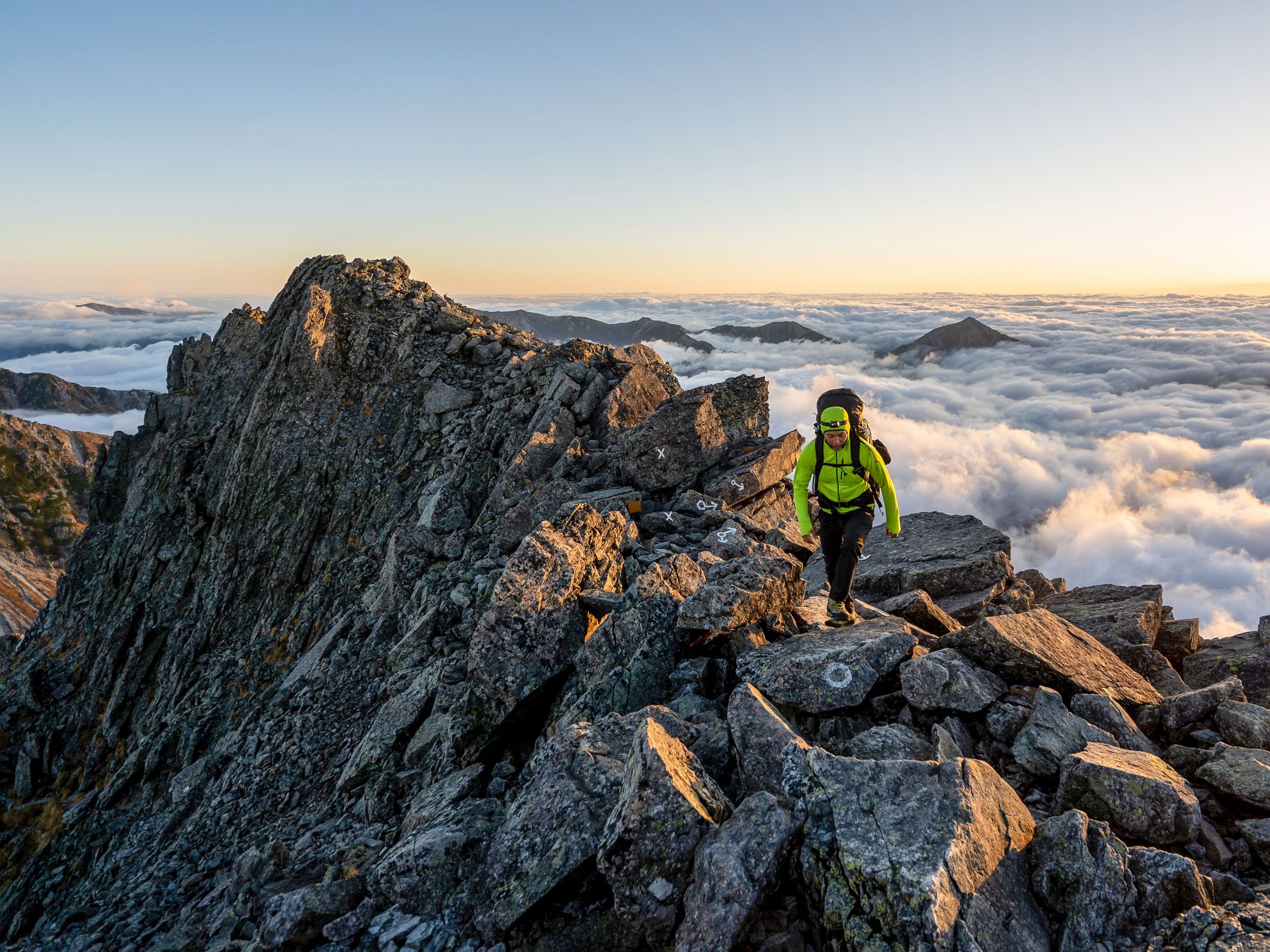
The environments encountered during hiking and trekking also vary significantly. Hiking often takes place along well-maintained paths surrounded by accessible landscapes such as national parks, nature reserves, and established trail systems. These environments allow hikers to experience nature without extensive preparations through marked routes and facilities like restrooms and water sources.
On the flip side, treks often see enthusiasts venturing into uncharted territories, crossing diverse ecosystems that may include mountains, valleys, forests, and deserts. Preparing for such environments requires understanding potential hazards and packing accordingly. Trekkers may also need to be more self-reliant, with considerations for food, shelter, navigation, and emergency equipment, ensuring confidence in their ability to manage unpredictable conditions.
Furthermore, understanding preparation extends into knowledge about the landscape. Trekkers often study topographic maps or use altimeters to help gauge elevation changes along a route, while hikers may rely on simpler navigation tools during looped or shorter trails. Equipped with insights into both environments, hikers and trekkers can make sound decisions that suit their skills and desires.
Backpacking vs. Hiking: When is it More Than Just a Day Trip?
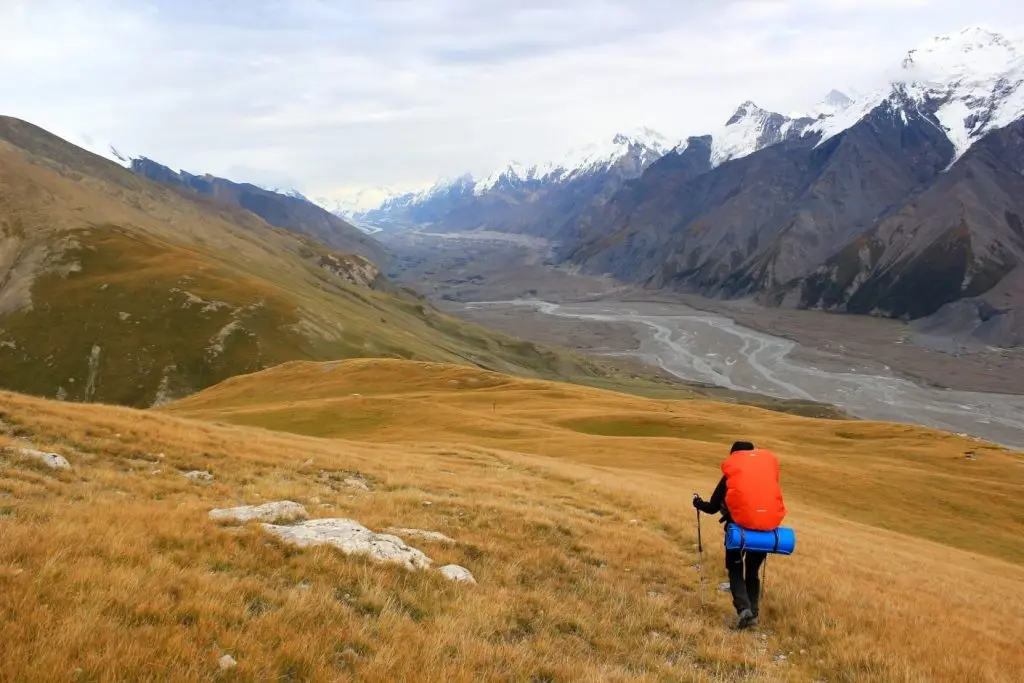
The distinction between backpacking and hiking is closely intertwined, as backpacking refers to carrying gear or supplies in a pack while hiking. Although both activities involve similar engagement with nature, backpacking typically requires an overnight excursion or longer. Hikers may embark on day trips, covering shorter distances without needing overnight accommodations. Essentially, backpacking transforms hiking into a more immersive experience, allowing participants to spend extended time outdoors while minimizing the need for returning to home base.
Backpacking adds complexity to the outdoor experience as participants have to consider factors such as terrain, gear weight, cooking methods, and sleeping arrangements. This dynamic can enhance the adventure but also demands significant preparation. Individuals may find themselves challenged in balancing comfort with pack weight while selecting essential gear like sleeping bags or cooking apparatuses.
While both backpacking and hiking can provide profound connections to nature, backpacking creates opportunities for individuals to delve deeper into the outdoors. It encourages interaction with the environment while promoting independence and adaptive problem-solving skills. The journey fosters a greater appreciation for the natural world and can lead to lifelong friendships among fellow outdoor enthusiasts.
Deciphering the Differences: A Comprehensive Overview of Hiking and Trekking
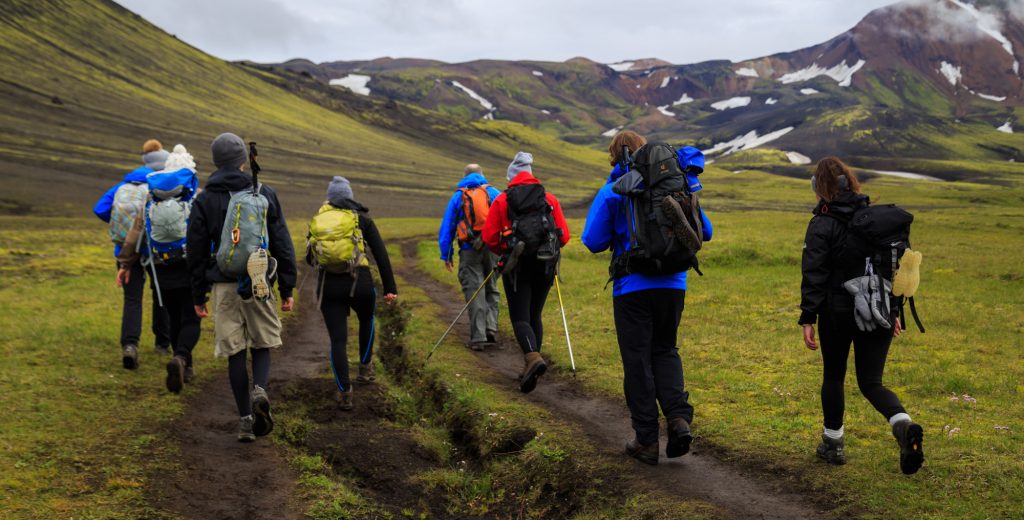
In summary, deciphering the differences between hiking and trekking comes down to recognizing objectives, environments, and preparation levels. Hiking presents a more casual opportunity to appreciate nature through well-trodden paths, accommodating participants of various skill levels. Conversely, trekking introduces greater challenges, remote environments, and a depth of experience that often requires self-sufficiency.
By understanding personal objectives for outdoor adventures, any individual can make informed decisions regarding their eschewal toward hiking or trekking. Ultimately, both activities offer remarkable opportunities for exploration, connection to nature, and personal growth. Equipped with proper knowledge, adventurers can find joy in whichever path they choose, nurturing their appreciation for the beauty surrounding them.
Conclusion
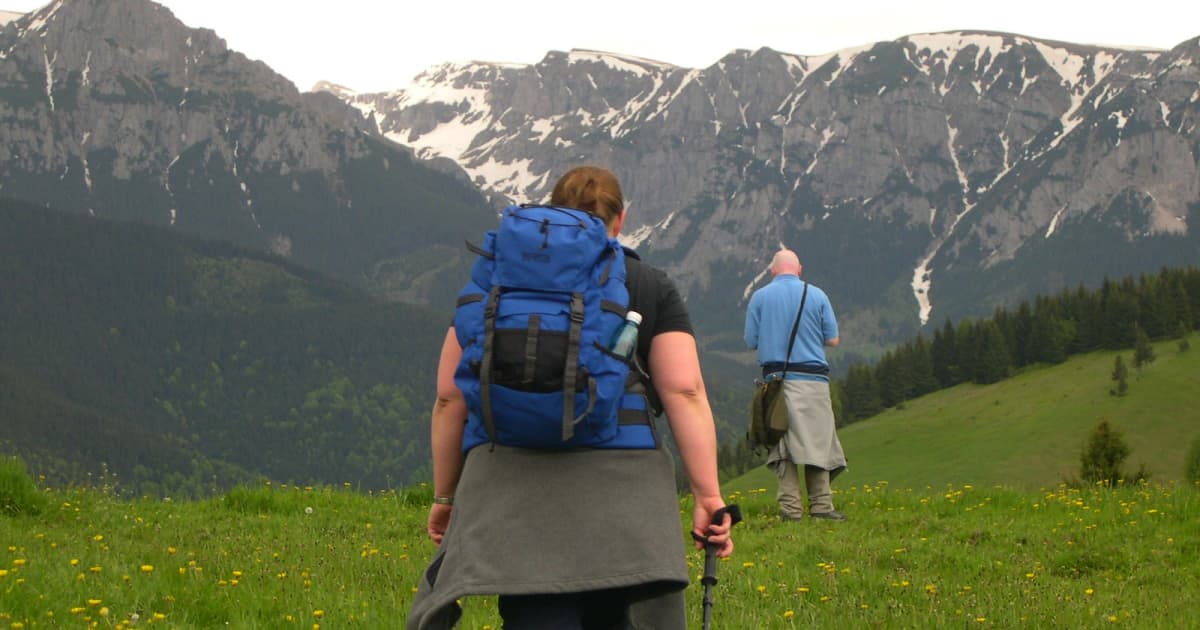
In exploring what’s the difference between hiking and trekking, it becomes evident that both offer unique and rewarding experiences for those seeking to connect with the outdoors. From the casual tranquility of hiking to the challenging adventure of trekking, enthusiasts can find joy and fulfillment in each pursuit. Recognizing the differences enables outdoor enthusiasts to prepare appropriately, ensuring a memorable journey tailored to their personal interests and aspirations.
Choosing the right activity and equipment, such as comfortable footwear or camping gear, enhances the experience while fostering a deeper connection with nature and fellow adventurers. Whether you’re embarking on a scenic hike or tackling a challenging trek, the great outdoors awaits—ready to offer exhilarating experiences and lasting memories.