Many outdoor enthusiasts wonder if investing in high-performance walking sticks is essential for their adventures. The choice between different materials can significantly impact comfort and performance on the trail.
Trekking equipment has evolved dramatically in recent years. What were once optional accessories have become vital tools for many hikers and backpackers. These tools provide crucial stability and support during challenging terrain navigation.
This analysis offers a balanced examination of lightweight hiking aids. We explore the advantages and limitations of advanced material options compared to traditional alternatives. Our goal is to help outdoor adventurers make informed decisions based on their specific needs.
Key Takeaways
- Trekking poles provide essential stability and joint protection during outdoor activities
- Material choice significantly impacts weight, durability, and performance
- Different hiking scenarios require specific pole characteristics
- Cost considerations should balance with intended usage frequency
- Personal fitness level and terrain difficulty influence pole selection
- Proper technique maximizes the benefits of using walking aids
- Maintenance requirements vary between material types
Introduction to Trekking Poles and Outdoor Gear
Modern hiking equipment has evolved to include essential tools that enhance safety and performance on the trail. Specialized outdoor gear now addresses specific challenges faced by adventurers across diverse environments.
Overview of FiTiFT’s Outdoor Sports Gear
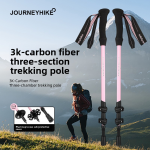
FiTiFT stands as a specialized provider of high-quality outdoor sports equipment designed for various terrains and experience levels. Their professional-grade lineup includes the 3K Carbon Fiber Trekking Poles, Premium 7075 Aluminum Trekking Poles, and standard 7075 Aluminum models.
These products represent the current standard in hiking pole technology. Each option caters to different preferences and requirements for outdoor adventures.
Importance of Trekking Poles for Hikers
Trekking poles have transitioned from specialized equipment to mainstream hiking gear. Millions of outdoor enthusiasts now recognize their value for stability and injury prevention.
These tools create two additional points of ground contact. This proves particularly valuable on challenging terrain including loose gravel, mud, and snow.
Research demonstrates significant reduction in impact forces on knees and ankles during descents. Proper use of trekking poles distributes physical stress across the entire body.
This distribution extends hiking capability and reduces post-hike soreness. While offering substantial benefits, selecting the right material requires understanding specific hiking patterns and environments.
Do You Really Need Carbon Trekking Poles? Pros, Cons & When to Use
Material selection for hiking support tools represents a critical balance between weight savings and durability. Carbon fiber construction offers distinct advantages for specific outdoor scenarios.
Ultralight backpackers and long-distance enthusiasts benefit most from these advanced tools. The exceptional strength-to-weight ratio handles vertical compression forces effectively.
These poles excel on well-maintained trails and during fastpacking adventures. Every ounce reduction contributes to enhanced performance over extended distances.
However, lateral force vulnerability presents a significant limitation. Unlike aluminum options that may bend under stress, carbon fiber can experience sudden failure.
Off-trail bushwhacking and heavy-load situations may favor alternative materials. Scrambling that requires awkward angles increases stress on the equipment.
The decision involves matching tool characteristics to individual hiking styles. Body weight, typical terrain, and equipment care willingness all influence the choice.
Understanding both technical specifications and real-world performance ensures informed selection. The following analysis explores detailed advantages and limitations.
Benefits and Drawbacks of Carbon Trekking Poles in Your Outdoor Adventures
Evaluating gear materials involves understanding how specific characteristics translate to trail performance. Each option presents distinct advantages and limitations that affect hiking experiences.
Lightweight, Stability, and Endurance
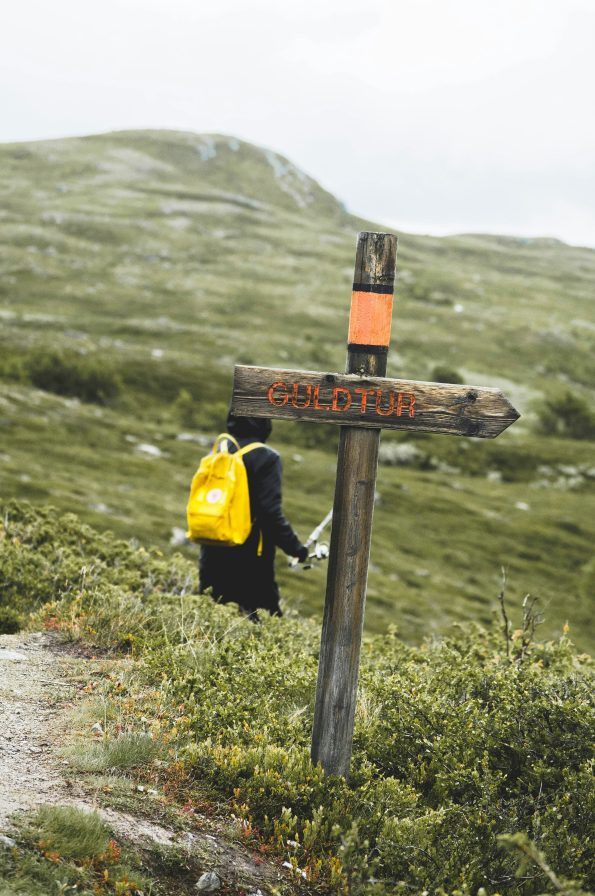
The primary advantage lies in exceptional weight reduction. Individual units weigh approximately four ounces compared to heavier alternatives.
Reduced equipment mass decreases overall fatigue during extended excursions. Hikers maintain better form and energy levels over multi-day journeys.
These tools provide enhanced stability through slight flex characteristics. This absorption quality reduces stress on wrists and elbows during repetitive planting motions.
Vibration-dampening properties prevent jarring sensations with each contact. Distributing exertion across all four limbs extends endurance capabilities significantly.
Durability Issues and Cost Considerations
Significant drawbacks involve vulnerability to lateral pressure. Documented failures occur during normal use, including simple leaning in parking lot situations.
High-quality carbon poles typically retail around $200 per pair. This investment becomes concerning given sudden failure risks on downhill sections.
Multiple users report breaking one pole or entire sets throughout single seasons. While suitable for tent poles replacement, fragility introduces additional risk factors.
Comparing Carbon Fiber and Aluminum Trekking Poles
Material composition fundamentally shapes how hiking poles perform under various trail conditions and stress loads. Understanding these differences helps outdoor enthusiasts select equipment matching their specific adventure requirements.
Material Performance: Weight and Impact Resistance
The weight advantage of carbon fiber poles is clear. A typical pair weighs around 15 ounces compared to 18+ ounces for aluminum options. This difference becomes meaningful during extended excursions.
Impact resistance reveals contrasting characteristics. Carbon fiber handles vertical compression excellently but fails dramatically under lateral pressure. Aluminum poles, especially 7075 alloy models, absorb abuse across multiple force directions.
Failure modes differ significantly. Bent aluminum poles can often be straightened or used compromised. Carbon fiber failures are typically catastrophic, rendering equipment immediately useless. Temperature sensitivity also varies, with aluminum maintaining consistent performance across extreme ranges.
Product Options from FiTiFT: 3K Carbon and 7075 Aluminum Models
FiTiFT offers comprehensive solutions for both material preferences. Their 3K Carbon Fiber Trekking Poles provide premium lightweight performance ideal for maintained trails. The Premium 7075 Aluminum Trekking Poles deliver excellent durability without excessive weight penalty.
For those seeking professional-grade construction at accessible pricing, the standard 7075 Aluminum Trekking Poles serve as reliable entry points. Real-world testing demonstrates even budget aluminum models withstand demanding terrain including desert washes and steep descents.
Both material types have legitimate applications. The choice ultimately depends on individual hiking patterns, terrain challenges, and personal priorities regarding the weight versus durability balance.
Understanding Trekking Pole Materials and Construction
Advanced composite materials and metal alloys each bring distinct structural characteristics to outdoor equipment design. The science behind these walking aids reveals how material properties translate into real-world performance.
Carbon Fiber vs. Aluminum: Technical Insights
Carbon fiber construction involves thin filament strands woven together and bonded with resin. This creates a lightweight structure with exceptional directional strength along the fiber orientation.
These composite poles handle vertical compression forces effectively. However, they demonstrate weakness when forces apply perpendicular to the fiber direction.
Aluminum alloys, particularly 7075-grade containing zinc, offer superior impact resistance. This material withstands substantial abuse and small bends can often be straightened in the field.
Telescoping designs use various locking mechanisms that must maintain security. Pole diameter, wall thickness, and taper design influence overall performance characteristics.
Handle construction remains separate from shaft material considerations. Cork and foam options provide distinct comfort and moisture management properties across both material types.
While both types can be repaired with replacement parts, carbon fiber’s brittleness makes field repairs more challenging. Understanding these fundamentals helps outdoor enthusiasts make informed equipment selections.
Choosing the Right Trekking Poles for Your Outdoor Needs
The terrain you regularly encounter should guide your selection between carbon fiber and aluminum walking aids. Landscape characteristics directly impact which material performs best over time.
How Different Terrains Influence Your Decision
Well-maintained paths in national parks represent ideal conditions for carbon fiber equipment. These environments minimize lateral stress while maximizing weight advantages.
Rugged off-trail areas demand different characteristics. Boulder fields and dense brush require equipment that withstands awkward planting angles.
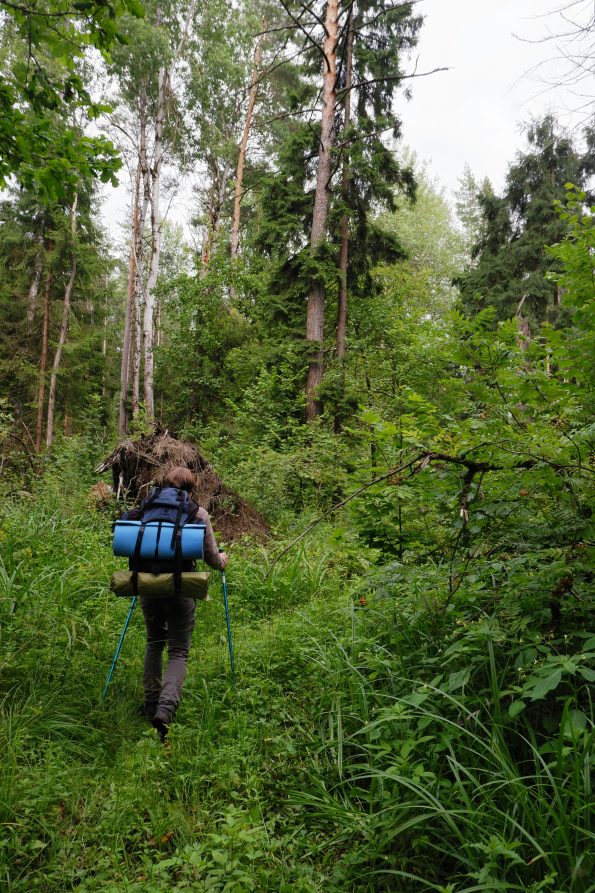
Backpacking with heavy loads significantly increases force transmission through your equipment. Carrying 40+ pounds makes aluminum’s impact resistance the wiser choice.
Temperature extremes further differentiate material performance. Aluminum maintains consistent strength in freezing conditions where carbon becomes brittle.
Your hiking style completes the decision matrix. Ultralight enthusiasts benefit from carbon’s weight savings, while traditional backpackers appreciate aluminum’s reliability.
FiTiFT’s product range addresses these varied needs. The 3K Carbon Fiber model suits maintained trail specialists. The Premium 7075 Aluminum option balances weight and durability. Standard aluminum poles offer budget-friendly reliability for beginning hikers.
Honest assessment of your typical conditions ensures optimal equipment selection. Match the tool to your actual adventures rather than hypothetical scenarios.
Real-World Experiences and User Reviews
Field testing reveals critical insights about equipment performance that laboratory specifications cannot capture. Documented experiences from seasoned hikers provide valuable perspective on material durability.
These accounts highlight how different construction methods withstand actual trail conditions. Multiple users have shared concerning patterns across various premium brands.
Customer Feedback on Carbon Fiber Poles
One experienced mountaineer reported numerous failures within a single season. Breakages occurred during normal Montana hiking on varied terrain types.
A particularly alarming incident involved a pole snapping during a critical downhill section. This failure caused a dangerous tumble down a rock face.
Another hiker described a pair breaking simply from leaning pressure in a parking lot. These incidents occurred across three different premium brands.
Field Reports and Comparative Analysis
Budget aluminum options demonstrated remarkable resilience through challenging desert routes. A $20 pair survived 30 miles of washes and steep descents without failure.
The contrast between materials becomes evident in remote locations. Equipment failure can compromise safety and force trip abandonment.
While some users report success with carbon poles, the pattern of documented failures suggests inherent material limitations. These experiences should factor heavily into purchasing decisions.
Practical Tips for Using and Maintaining Your Trekking Poles
The way you grip and care for your hiking equipment directly impacts performance and durability. Proper techniques enhance stability while preventing strain injuries.
Proper Grip and Adjustments for Comfort
Maintain a relaxed grip rather than tight clutching. This approach reduces fatigue in hands and wrists during long excursions.
Wrist straps should bear most weight, allowing hands to rest comfortably. Adjust length so forearms stay parallel to ground on flat terrain.
Shorten poles for uphill sections and extend for downhill descents. Cork handles mold to your hand shape over time, absorbing sweat effectively.
Maintenance Advice for Longevity and Safety
Regularly clean locking mechanisms on telescoping poles. Check for wear before each adventure to prevent failures.
Inspect carbide tips and use rubber covers on sensitive trails. Store equipment in dry conditions, loosening sections to prevent seizing.
Proper care ensures your gear provides reliable support for years of outdoor adventures.
Conclusion
The final decision on hiking support tools comes down to understanding how material properties align with real-world usage. Both material types offer distinct advantages that serve different outdoor enthusiasts.
Carbon fiber excels for ultralight backpacking on maintained paths, while aluminum provides superior durability for varied terrain. Field reports confirm that equipment reliability often outweighs minimal weight savings.
FiTiFT addresses this spectrum with three distinct product lines. Their offerings cater to specialized lightweight needs and general-purpose durability requirements alike.
Ultimately, the best walking aids match your specific adventure profile. Invest in equipment that delivers confidence and performance back on the trail season after season.
FAQ
Are carbon fiber poles worth the extra cost compared to aluminum ones?
The value depends on your hiking style. Carbon fiber poles offer a significant weight reduction, which can reduce fatigue on long treks. However, aluminum poles are generally more durable and cost-effective. For lightweight backpacking and thru-hikes, the investment in carbon can be worthwhile. For rugged terrain or budget-conscious hikers, aluminum models are an excellent choice.
Can carbon trekking poles handle rough, rocky trails?
Modern carbon fiber poles, especially those using high-quality 3K carbon construction, are remarkably strong. They handle most trail conditions well. However, they are more susceptible to snapping under extreme lateral pressure, like a heavy fall or a major rock jam, compared to aluminum poles which typically bend instead of break.
What are the best handle materials for trekking poles?
Cork handles are popular as they mold to your hand over time and wick away sweat. Rubber grips offer superior cushioning and are ideal for wet conditions but can feel hot. Foam handles are lightweight and excellent at absorbing moisture. The best choice depends on your climate and personal preference for comfort.
How do I choose the correct length for my trekking poles?
A good rule of thumb is to adjust the pole so your elbow forms a 90-degree angle when the tip is on the ground. Most poles are telescoping for easy adjustment. Consider adjustable poles for varied terrain, as you may want a shorter length for uphill climbs and a longer length for downhill descents to reduce pressure on your knees.
What is the advantage of carbide tips on trekking poles?
Carbide tips provide exceptional grip on hard surfaces like rock and ice. They are much more durable than standard steel tips and resist wear, making them essential for serious hikers. Many poles come with interchangeable rubber tip protectors for use on paved surfaces or sensitive trails.
Do I need to use a pair of poles, or is one sufficient?
Using a pair provides superior stability, balance, and power distribution. It engages your upper body, improving endurance and reducing impact on your knees and back. While one pole can be helpful, a pair offers the full biomechanical benefits, especially with a heavy backpack.
How do I maintain my carbon fiber trekking poles?
Regularly clean the shafts with a damp cloth and check the locking mechanisms for dirt and grit. Ensure the poles are fully dry before storing them. Periodically inspect the shafts for cracks or deep scratches, particularly after a hard impact. Proper care will significantly extend their lifespan.