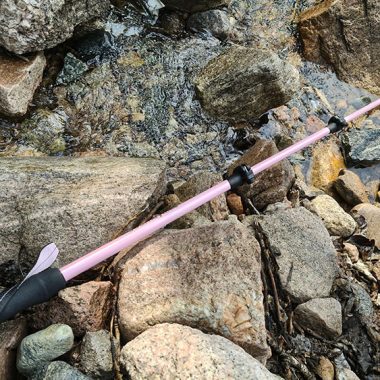
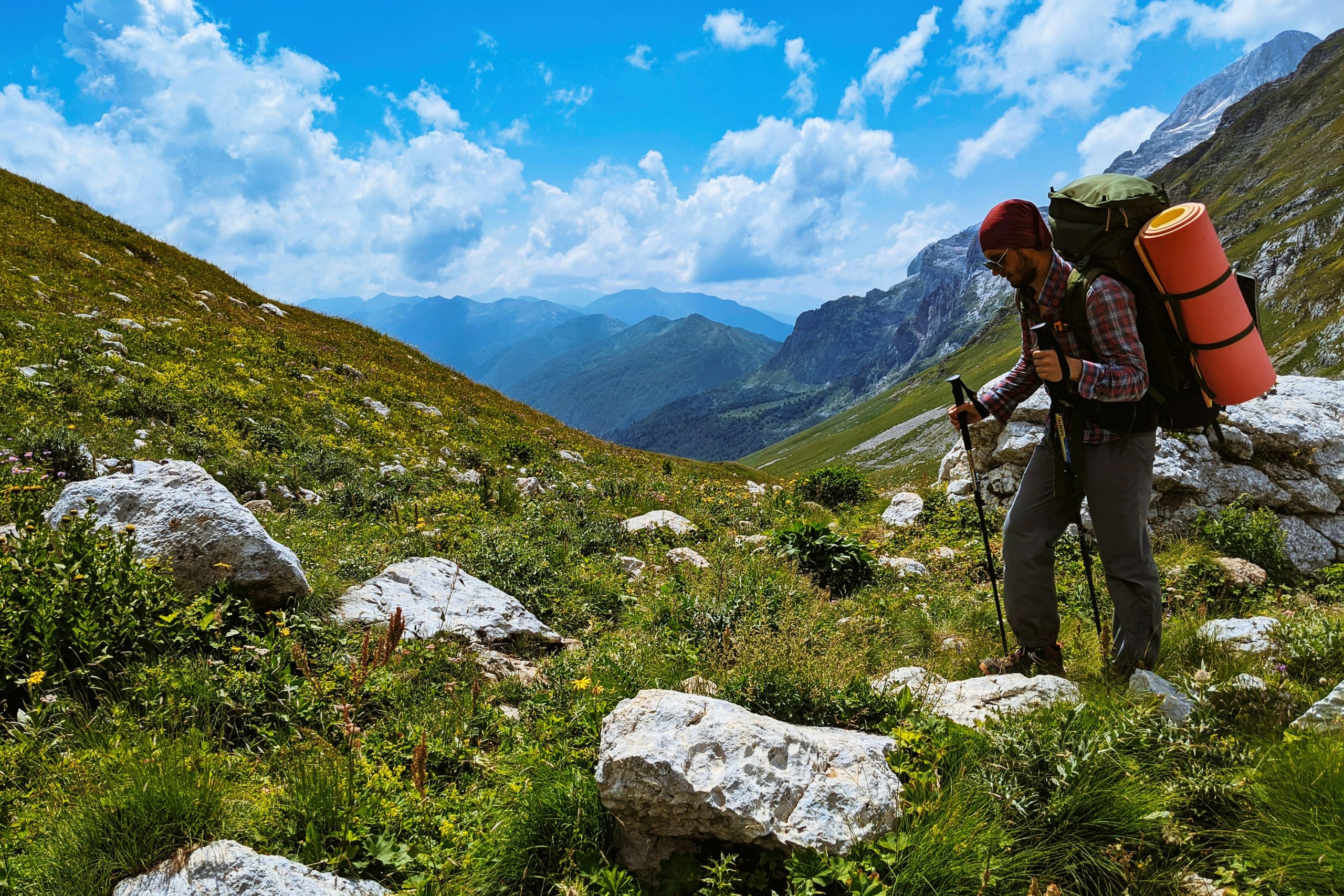
For many outdoor enthusiasts, a reliable set of hiking staffs is as crucial as a good pair of boots. These tools provide essential stability on uneven terrain. They help distribute weight, reducing strain on your knees and joints during long adventures.
Among the various options available, models constructed from carbon fiber are highly sought after. Their lightweight nature and impressive strength make them a favorite for serious hikers. Understanding the durability of this specific equipment is key to making a smart investment.
This guide delves into the factors that influence the service life of your gear. We will explore what you can expect from high-quality products and provide practical advice for their care. Proper upkeep is the single most effective way to ensure your equipment serves you well for many seasons.
Whether you are new to the trail or a seasoned veteran, knowing how to protect your gear pays off. Companies like FiTiFT are dedicated to crafting outdoor sports equipment that meets the demands of any adventure. When you combine quality products with consistent care, you create a partnership built for the long haul.
Key Takeaways
- Trekking poles are vital for stability and reducing physical strain during hikes.
- Carbon fiber poles offer a superior strength-to-weight ratio but require specific care knowledge.
- The longevity of your gear is directly influenced by how you maintain it.
- This article provides a complete overview of durability factors and practical upkeep strategies.
- Investing in quality equipment from trusted brands, like FiTiFT, ensures better performance and durability.
- Simple, regular care routines can significantly extend the functional life of your poles.
- Both beginners and experts will benefit from understanding maintenance best practices.
Understanding the Construction and Benefits of Trekking Poles
When selecting support equipment for the trail, understanding material composition becomes essential. The fundamental choice between aluminum and carbon fiber creates distinct performance characteristics.
Carbon Fiber Versus Aluminum: Material Differences
Carbon fiber walking aids offer exceptional lightweight properties. Their stiffness provides excellent energy transfer with each step. This makes them ideal for reducing fatigue during extended journeys.
Aluminum options demonstrate remarkable durability in challenging environments. They can bend under extreme stress rather than breaking completely. This resilience suits unpredictable backcountry conditions.
Key Features and Performance Benefits
Regardless of construction materials, these tools deliver significant advantages. They improve stability on uneven surfaces and distribute body weight effectively.
The equipment reduces joint pressure and enhances endurance over distance. Understanding these benefits helps hikers choose the right gear for their specific needs and trail conditions.
Proper Cleaning and Maintenance Strategies
The longevity of your trail support tools depends heavily on proper cleaning habits after each use. Regular upkeep prevents dirt accumulation that can damage sensitive components. Consistent care ensures your equipment performs reliably hike after hike.

Effective Cleaning Techniques and Tools
After every adventure, remove surface grime with a soft, dry cloth. For deeper cleaning, prepare a solution of mild dish soap and warm water. Soak each section for about ten minutes to loosen stubborn particles.
Rinse thoroughly with clean, warm water to remove all soap residue. Pay special attention to threaded areas where mud tends to accumulate. Always dry components completely with a lint-free cloth to prevent corrosion.
| Component | Recommended Method | Avoid These | Frequency |
|---|---|---|---|
| Carbon Shafts | Soft cloth with mild soap | Abrasive cleaners | After each use |
| Aluminum Sections | Warm soapy water soak | Acidic solutions | Weekly during heavy use |
| Locking Mechanisms | Soft brush cleaning | High-pressure water | Before storage |
| Grip Materials | Damp cloth wipe | Harsh chemicals | After sweaty hikes |
Maintaining Locking Mechanisms and Grips
Locking systems require careful attention to maintain secure operation. Gently clean threads with a soft brush to remove embedded dirt. Avoid forcing stuck mechanisms—instead, apply gentle cleaning solutions.
Grip materials absorb sweat and oils during use. Wipe them down with a slightly damp cloth after each outing. This simple step prevents odor buildup and material degradation over time.
Make sure to inspect all moving parts during your cleaning routine. Proper maintenance of these critical areas ensures your gear remains safe and functional for years of adventure.
Inspecting Your Trekking Poles for Wear and Tear
Visual inspections serve as your first line of defense against equipment malfunction in the wilderness. Establishing a consistent check routine helps identify potential issues before they escalate into trail emergencies.
Identifying Signs of Damage and Degradation
Begin your examination by looking for visible cracks or stress marks along the shaft sections. Check grips and straps for fraying or excessive wear that could compromise security.
Pay close attention to locking mechanisms, ensuring they function smoothly without slippage. Examine tips and baskets for missing components or unusual wear patterns.
Loose fittings between sections require immediate attention. These connections must remain tight for optimal performance and safety.
Regular Inspections for Long-Term Performance
Test each segment’s rigidity by applying gentle pressure while listening for unusual sounds. This simple check reveals hidden structural issues.
Periodically verify tightening bolts using appropriate tools. Proper torque ensures secure connections without damaging components.
Replace worn parts immediately when detected during routine checks. Keeping spare components available facilitates quick repairs.
A thorough pre-hike inspection takes only minutes but provides peace of mind throughout your adventure. This proactive approach significantly extends your equipment’s functional life.
How Long Do Carbon Trekking Poles Last? Lifespan & Maintenance Tips
Many hikers wonder about the realistic durability of their essential support equipment. The answer depends on a combination of factors. With attentive care, high-quality gear can provide reliable performance for numerous adventures.
Factors Influencing the Lifespan of Carbon Poles
Several key elements determine how many miles you will get from your equipment. The intensity and frequency of your hikes play a major role. Rugged, rocky trails will naturally cause more wear than smooth paths.
Environmental exposure is another critical consideration. Ultraviolet rays and extreme temperatures can gradually weaken the composite materials. Saltwater and persistent moisture also contribute to material degradation over time.
The initial build quality from the manufacturer sets the foundation for longevity. Investing in reputable brands ensures better construction and material integrity from the start.
Impact of Routine Maintenance on Durability
Consistent upkeep is the most powerful tool for extending the functional years of your gear. A simple post-hike cleaning routine removes abrasive particles. Proper storage away from direct sunlight prevents unnecessary material stress.
The relationship between care and durability is significant. Well-maintained equipment can often last five to ten years or more. Neglected items may fail much sooner, sometimes within a single season of heavy use.
| Usage Pattern | Maintenance Level | Realistic Timeframe |
|---|---|---|
| Weekend Recreational Hiker | Basic post-hike care | 7-10+ years |
| Frequent Trail Runner | Diligent cleaning & inspection | 5-7 years |
| Intensive Backpacking | Minimal upkeep | 1-3 years |
Committing to a small amount of care after each use is the best strategy to extend life. This proactive approach protects your investment and enhances safety on the trail.
Choosing Quality Trekking Poles and Product Insights
Selecting the right trekking poles is a critical decision that directly impacts your comfort and safety on the trail. Your choice sets the foundation for years of reliable performance.
FiTiFT provides high-quality outdoor sports gear designed for hikers and backpackers. They offer robust solutions to meet diverse needs.
FiTiFT Product Options: Carbon Fiber and Aluminum Poles
FiTiFT’s lineup includes distinct models to suit different preferences and terrains.
- 3K Carbon Fiber Trekking Poles: This premium set is exceptionally lightweight. It is ideal for long-distance treks where every ounce counts.
- Premium 7075 Aluminum Trekking Poles: These poles offer top-tier durability for demanding backcountry conditions. They handle varied terrain with reliable strength.
- 7075 Aluminum Trekking Poles: This option provides excellent value. It features proven aluminum construction for dependable performance.
What to Look for When Purchasing Durable Trekking Gear
When shopping for new hiking poles, prioritize key features. Look for adjustable length mechanisms and secure locking systems.
Robust construction materials, like carbon fiber or high-grade aluminum, are essential. Comfortable grips that maintain traction when wet are also crucial.
Always test the fit before you buy. A trekking pole should feel balanced and comfortable in your hands. It must be appropriately sized for your height.
Consider manufacturers that offer replacement parts. Brands like Black Diamond, Leki, and FiTiFT often provide spare components. This support extends the life of your equipment.
These tips will help you make a smart investment. For more detailed advice, explore the rest of this blog post. Investing in quality trekking poles from the start ensures long-term satisfaction.
Additional Tips for Optimal Outdoor Gear Care
Smart storage practices can dramatically extend the functional life of your outdoor equipment. The way you handle your gear between adventures is just as important as how you use it on the trail.
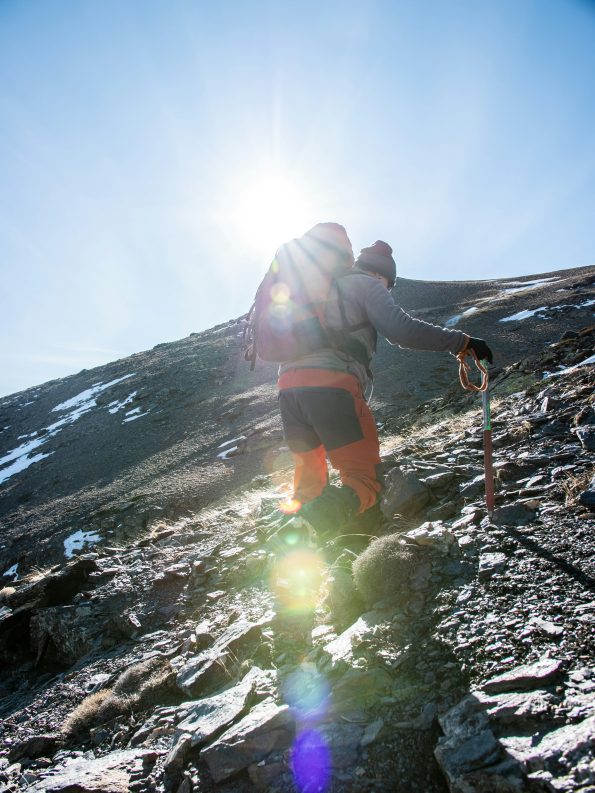
Proper Storage Practices to Prevent Damage
Always store your equipment in a cool, dry place away from direct sunlight. Extreme temperatures and moisture can degrade materials over time. Remove baskets before long-term storage to promote better airflow.
When traveling, use fabric bags or dedicated backpack compartments. This prevents tangling with other items that could cause scratches. Keep your poles dry and clean before putting them away.
For collapsible models, separate the segments during extended storage periods. This prevents them from seizing together. Proper storage keeps your gear ready for the next adventure.
DIY Repairs and When to Replace Parts
Many common issues can be resolved with basic tools. For flip locks that won’t stay tight, try tightening the small adjustment screw. Use a Phillips screwdriver or hex key for this simple fix.
Twist locks that slip under pressure may need replacement expanders. Inspect the plastic components for cracks or wear. Replace damaged parts promptly to maintain safety.
Avoid using oil or grease on pole shafts and locking mechanisms. These substances attract dirt that can clog the system. Regular care and timely part replacement will extend your equipment’s service life.
Conclusion
Your hiking poles are a long-term partner for your adventures. Viewing them as an investment in your comfort and safety is the first step. With consistent care, they will provide reliable support for countless miles.
The service life of your equipment hinges directly on your routine. Simple actions after each hike make a significant difference. Regular cleaning, thorough inspections, and proper storage prevent premature wear.
These practical tips are easy to implement, whether you’re a weekend walker or a seasoned mountaineer. This proactive approach safeguards against unexpected breakage under pressure.
Well-maintained trekking poles enhance every outing. Start applying these strategies today to protect your gear. Explore quality options to ensure peak performance on all your future trails.
FAQ
What is the average lifespan of carbon fiber trekking poles?
With proper care, quality carbon trekking poles can last for many years of regular use. The exact timeframe depends heavily on usage frequency, terrain, and maintenance. Proper cleaning and storage significantly extend their functional life.
How do I clean my trekking poles after a muddy hike?
Use a soft cloth with warm, soapy water to wipe down the pole shafts. Pay special attention to the locking mechanisms, ensuring all dirt and grit are removed. Rinse with clean water and dry the poles completely before storing them in a cool, dry place.
What are the main signs of wear I should look for during an inspection?
Regularly check for deep scratches or cracks in the carbon fiber shafts. Inspect the grips for excessive wear and test the locking mechanisms for any slippage. Catching these issues early helps prevent catastrophic breakage on the trail.
Are twist locks or lever locks more durable for carbon poles?
Both locking systems from reputable brands like Black Diamond are durable. Lever locks often provide a more secure, tool-free adjustment, while twist locks can be less prone to mud clogging. The best choice depends on personal preference and the environments you hike in most often.
Can I replace parts like grips or baskets to extend my poles’ life?
Yes, many manufacturers offer replacement parts. Worn-out grips, damaged baskets, and even sections of pole shafts can often be replaced. This is a cost-effective way to maintain your gear instead of buying entirely new poles.
How does storage impact the longevity of my gear?
Storing poles in a cool, dry place away from direct sunlight is crucial. Avoid leaving them collapsed with pressure on the locks, and never store them while they are still wet. Proper storage prevents material degradation and keeps locking mechanisms in top condition.