Proper setup of your hiking equipment makes a significant difference on the trail. When it comes to trekking poles, correct adjustment is essential for achieving optimal performance and comfort during your outdoor adventures.
These lightweight tools provide crucial support for walkers and backpackers of all experience levels. They offer stability on uneven terrain and help distribute weight more evenly across your body.
Many first-time users find that trekking poles are not as intuitive as they might expect. Incorrect setup can lead to discomfort, reduced effectiveness, and potential strain on joints and muscles.
This comprehensive guide will walk you through every aspect of setting up your equipment properly. You’ll learn techniques that experienced hikers use to optimize their gear for various outdoor conditions.
Whether you’re new to trekking or have years of experience, mastering these adjustment skills ensures you get the full benefit from your valuable hiking companions. Proper technique can dramatically enhance your performance and reduce fatigue on challenging trails.
Key Takeaways
- Correct pole adjustment prevents discomfort and joint strain during hiking
- Trekking poles improve balance and distribute weight more effectively
- Proper setup enhances performance and reduces fatigue on the trail
- Adjustment techniques vary for different terrains and hiking conditions
- Mastering pole setup ensures maximum benefit from your outdoor gear
- Even experienced hikers can improve their technique with proper guidance
- Proper grip methods and maintenance extend the lifespan of your equipment
FiTiFT: Premium Outdoor Sports Gear
Quality gear serves as the foundation for successful outdoor adventures and lasting trail memories. FiTiFT specializes in creating premium equipment designed to meet diverse wilderness needs.
Discovering Our Trekking Pole Collection
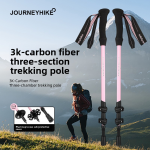
Our comprehensive selection includes options for every hiking style and experience level. The 3K Carbon Fiber Trekking Poles offer exceptional weight reduction without compromising strength.
For demanding trail conditions, the Premium 7075 Aluminum Trekking Poles provide superior durability. The standard 7075 Aluminum model delivers reliable performance at an accessible price point.
Each set features adjustable height mechanisms and ergonomic grips. These features ensure maximum comfort across various terrains.
Choosing the Right Material for Performance
Carbon fiber construction offers lighter weight and excellent vibration dampening. This material type excels during long-distance excursions where every ounce matters.
Aluminum poles provide greater impact resistance and affordability. They withstand rugged conditions while maintaining consistent performance.
All FiTiFT products accommodate different budgets and adventure styles. From casual day hikes to multi-day expeditions, our gear supports your journey.
Understanding the Benefits of Using Trekking Poles
The strategic use of walking poles unlocks multiple physiological benefits that enhance both safety and enjoyment on the trail. These tools provide advantages beyond basic support, transforming your hiking experience.
Enhancing Stability on Varied Terrain
Trekking poles significantly improve stability by creating two additional contact points with the ground. This transforms your balance from two-legged to four-legged support. The extra points of contact prove invaluable on challenging terrain.
Accidents often occur from slipping on loose rocks or wet surfaces. Poles act as extensions of your arms, providing crucial grip and support. They become essential safety tools during stream crossings and steep sections.
Reducing Strain and Improving Posture
These tools distribute body weight across four points instead of two. This reduces strain on legs, knees, and back. The reduction in joint pressure is particularly noticeable during descents.
Proper pole use encourages upright walking posture. This prevents shoulder collapse and supports spinal alignment. Better posture facilitates deeper breathing, enhancing endurance throughout your hike.
| Hiking Scenario | Stability Benefit | Strain Reduction | Posture Improvement |
|---|---|---|---|
| Downhill Sections | Prevents slipping on loose terrain | Reduces knee pressure by 25% | Maintains upright position |
| Uneven Ground | Provides four-point balance | Distributes body weight evenly | Prevents forward leaning |
| Stream Crossings | Offers secure footing points | Reduces leg muscle fatigue | Promotes confident stance |
| Long Distance Hikes | Continuous stability support | Minimizes cumulative joint strain | Sustains proper alignment |
How to Adjust Carbon Trekking Poles Correctly for Maximum Comfort
Mastering pole length settings transforms your hiking experience from strenuous to effortless. The right measurements ensure optimal support and prevent unnecessary strain.
Setting the Optimal Height for Uphill and Downhill
Begin with the fundamental 90-degree rule. Stand upright with your hiking shoes on, place the tip on the ground, and adjust until your elbow forms a perfect right angle.
Use the measurement markers on your equipment sections. Note your optimal setting for quick future adjustments without guesswork.
For uphill sections, shorten each pole by 5-10 centimeters. This creates better leverage and more natural arm positioning.
When navigating downhill terrain, extend your poles by the same amount. This allows them to reach lower ground while maintaining a comfortable arm angle.
“Proper equipment setup is the first line of defense against trail injuries.”
Securing the Lock Mechanisms for Safety
Always test lock security before putting weight on your poles. Place the tip firmly on the ground and push down on the handle with significant pressure.
If the pole compresses, the lock needs tightening. This simple test prevents accidental collapses during use.
| Lock Type | Mechanism | Best For | Security Level |
|---|---|---|---|
| Expander System | Internal twist expansion | Traditional users | High |
| Fast Lock | External lever clamping | Quick adjustments | Medium-High |
| Multilock System | Dual locking mechanism | Maximum safety | Highest |
Make sure both poles are adjusted to the same height for balanced support. Individual preferences may vary slightly from the standard 90-degree angle.
Fine-tune your settings based on personal feel and specific trail conditions. Proper configuration ensures maximum benefit from your outdoor gear.
Tips and Techniques for Effective Trekking Pole Use
Proper technique transforms trekking poles from simple tools into powerful hiking partners. Mastering movement patterns maximizes stability and reduces fatigue across diverse landscapes.
Mastering the Arm Swing and Rhythm
Most hikers prefer the asymmetric technique. This means moving the left pole forward with your right foot, and vice versa.
This natural rhythm mimics your normal walking pattern. It creates coordinated momentum that propels you forward efficiently.
Some individuals find the symmetric method more comfortable. Both poles move forward together with alternating steps.
Experiment to discover which rhythm feels most natural for your body. The right technique should feel effortless and sustainable.
Proper Grip and Hand Strap Adjustments
Correct strap use prevents hand fatigue and enhances safety. Reach through the loop from underneath before grasping the handle.
The strap should rest between your thumb and index finger. This allows support without a death grip on the handle.
Proper grip technique protects your thumbs during falls. Your hand can release while the strap provides support.
Avoid using straps on steep or technical terrain. Falling while entangled increases injury risk significantly.
Adapting to Different Trail Conditions
Uphill sections require angled pole placement. Position them at approximately 70 degrees toward your direction of travel.
This creates better leverage for pushing upward. It reduces arm strain during challenging climbs.
For downhill stretches, place your hands on top of the grips. Position poles ahead at a reverse angle for braking effect.
This technique controls descent speed and protects your knees. Spread your arms wider for additional stability on declines.
Steep terrain calls for the double-deck technique. Place both poles simultaneously every other step for maximum power.
Selecting the Right Trekking Poles for Your Adventure
The decision between different pole constructions impacts everything from trail comfort to long-term durability. Material choice defines how your equipment performs across various conditions.
Carbon Fiber vs. Aluminum: A Comparative Overview
Carbon fiber models like FiTiFT’s 3K Carbon Fiber Trekking Poles offer exceptional lightweight performance. They reduce arm fatigue during extended hiking sessions.
Aluminum options provide superior impact resistance. The 7075 Aluminum Trekking Poles withstand rugged terrain without compromising reliability.
| Feature | Carbon Fiber | Aluminum |
|---|---|---|
| Weight Reduction | 15-30% lighter | Standard weight |
| Durability | Stiff but can crack | Bends under stress |
| Vibration Control | Superior dampening | Moderate absorption |
| Best Use Case | Long-distance trips | Rugged terrain |
Choose based on your primary hiking style. Carbon excels for multi-day tours where every ounce matters. Aluminum suits technical trails requiring maximum durability.
All FiTiFT products feature adjustable mechanisms for versatile use. The right type depends on individual needs rather than universal superiority.
Maintenance and Best Practices for Trekking Poles
Consistent care practices preserve the functionality and safety features of your hiking poles throughout their service life. Proper maintenance ensures reliable performance across diverse trail conditions.
Regular cleaning prevents premature wear and maintains optimal equipment performance. These simple habits protect your investment in quality gear.
Cleaning and Care Tips
After each hike, extend your poles to full length and wipe all sections with a clean cloth. This prevents moisture and dirt from accumulating inside the segments.
Pay special attention to the locking mechanisms. Dirt in these areas can cause annoying squeaking and impair functionality.
Tungsten carbide tips provide excellent grip on various surfaces. Keep them clean for maximum traction on rocks and ice.
Storing and Transporting Your Poles Safely
Store your equipment in a dry, clean location with good air circulation. Avoid damp basements where moisture can damage components.
When not in use, secure your sticks inside your backpack using dedicated attachment points. External storage increases fall injury risk and strains your spine.
For air travel, remember that trekking poles must go in checked baggage. They’re not permitted in carry-on luggage due to safety regulations.
Handling Quick Adjustments and Minor Repairs
If locks become difficult to operate, clean debris and apply appropriate lubricant. Gentle twisting helps free stuck sections without forcing them.
Use accessory tips for different conditions. Rubber boots protect on hard surfaces, while mud baskets prevent sinking in soft terrain.
Snow baskets provide flotation in loose snow conditions. Choose the right attachment for your specific hiking environment.
With proper care, quality poles deliver years of reliable trail companionship. Regular maintenance ensures they’re always ready for your next adventure.
Conclusion
With the right knowledge and application of trekking pole fundamentals, every outdoor excursion becomes more enjoyable and less taxing on your body. This comprehensive guide provides the essential techniques for achieving optimal performance during your hikes.
Properly configured equipment delivers significant advantages. You’ll experience enhanced stability and better balance across varied terrain. The reduced strain on your legs and joints allows for longer, more comfortable adventures.
FiTiFT offers premium trekking poles designed to support your hiking journey. Explore our collection to find the perfect match for your outdoor needs. Now you’re ready to hit the trails with confidence and enjoy every moment of your time in nature.
FAQ
What is the correct length for my trekking poles?
For maximum comfort, adjust the pole length so your elbow forms a 90-degree angle when the tip is on the ground. This height provides the best support and reduces strain on your arms and legs. Remember to shorten poles for uphill sections and lengthen them slightly for downhill walking to maintain balance.
How do I properly use the hand straps?
Slide your hand up through the strap from below, then grip the handle with the strap resting between your thumb and index finger. This technique transfers weight from your hands to your wrists, improving stability and reducing pressure. A snug strap allows you to relax your grip without losing control of the pole.
Are carbon fiber poles better than aluminum?
Carbon fiber poles are lighter and reduce arm fatigue on long hikes, while aluminum poles offer more durability and are often more affordable. The choice depends on your priorities: weight savings or ruggedness for challenging terrain. Both materials provide excellent support and stability when adjusted correctly.
How do I ensure the lock mechanisms are secure?
Before each hike, extend the pole sections and firmly tighten the locking mechanism—whether it’s a twist lock or lever lock. Test the length by applying gentle pressure to ensure it doesn’t collapse. Regularly check for dirt or wear that could compromise the lock’s performance and safety.
What is the proper technique for using poles on different surfaces?
On flat ground, use a natural arm swing rhythm. For steep uphill sections, shorten the poles to push off effectively. On downhill trails, lengthen them slightly for added stability and to reduce impact on your knees. Always plant the tip securely, using rubber feet on hard surfaces like pavement and the carbide tip on soft ground.