
Stepping onto the trail for the first time is an exciting adventure. Having the right gear makes all the difference for comfort and safety. Many new hikers wonder about the value of using support tools.
These tools have moved beyond just expert mountaineers. They are now essential for walkers of all levels. Extensive testing over hundreds of miles proves their worth.
They help reduce impact on knees and improve balance on tricky ground. This guide dives into a popular material choice for new adventurers. We explore if it’s the right fit for a first-time purchase.
Understanding the properties of different materials is key. You need to match the gear to your specific outdoor plans and fitness level. Our recommendations come from real-world use and professional advice.
Key Takeaways
- Trekking poles provide significant benefits for joint relief and stability on various terrains.
- They have transitioned from specialist equipment to accessible gear for all hikers.
- Material choice, like carbon fiber, is a crucial factor for beginners to consider.
- Selecting poles involves aligning design features with personal needs and goals.
- This guide offers practical insights based on expert testing and field experience.
Introduction to Outdoor Trekking Gear and FiTiFT’s Commitment
The foundation of any successful adventure lies in selecting gear that matches your ambitions and environment. FiTiFT stands as a trusted partner for wilderness enthusiasts, offering equipment designed through extensive real-world testing.
Years of exploration across diverse landscapes have shaped our understanding of what makes reliable outdoor equipment. From forest trails to mountain passes, proper gear selection significantly impacts both comfort and safety.
Our development process incorporates feedback from certified trainers and experienced hikers. This ensures our products address genuine needs rather than following temporary trends.
FiTiFT’s philosophy centers on creating tools that balance performance with accessibility. We understand that beginners need equipment that makes the transition to serious trekking both enjoyable and secure.
Every product reflects our commitment to engineering excellence and material innovation. Our comprehensive range ensures every outdoor enthusiast finds gear suited to their specific requirements and skill level.
Overview: Carbon Fiber vs. Aluminum Trekking Poles
The debate between different pole materials represents one of the most fundamental decisions facing hikers choosing their gear. Neither option holds universal superiority—each serves distinct purposes based on individual needs and hiking conditions.
Pros and Cons of Each Material
Carbon fiber poles deliver exceptional weight reduction, typically 20-40% lighter than aluminum alternatives. This lightweight advantage reduces fatigue during extended excursions. The material also provides superior vibration dampening, protecting joints from repetitive impact.
However, carbon options can fracture under extreme lateral stress. High-quality 3K carbon construction enhances durability but comes at a premium price point.
Aluminum poles constructed from aerospace-grade 7075 aluminum offer remarkable strength-to-weight ratios. They tend to bend rather than break under excessive force, reducing injury risks from sudden failure. These poles present a more budget-friendly entry point for new enthusiasts.
The primary trade-off involves increased weight compared to carbon counterparts. Aluminum may also bend more readily under significant stress.
User Preferences and Terrain Considerations
Material selection should align with your typical hiking environment and personal priorities. Carbon fiber excels on long-distance trails where every ounce matters. It performs well on varied terrain where vibration protection benefits joint comfort.
Aluminum proves ideal for technical routes with higher impact risks. Beginners often appreciate its durability and accessible pricing. Both materials from FiTiFT deliver reliable performance when matched appropriately to user requirements.
Are Carbon Fiber Trekking Poles Good for Beginners? Expert Insights
The transition from casual walking to serious hiking requires equipment that supports skill development. Many new outdoor enthusiasts wonder if advanced materials provide real advantages for their initial adventures.
Why Carbon Fiber is an Ideal Choice for Novices
Professional trail testers confirm these supports deliver exceptional performance across multiple categories. Their lightweight construction particularly benefits those building endurance.
Reduced weight prevents early fatigue during technique practice. This encourages consistent use rather than abandonment due to discomfort.
Superior vibration absorption protects developing joints from repetitive stress. Wrists, elbows and shoulders experience less impact on uneven terrain.
| Beginner Need | Carbon Fiber Advantage | Result |
|---|---|---|
| Lightweight equipment | 20-40% weight reduction | Longer comfortable use |
| Joint protection | Enhanced shock absorption | Reduced impact stress |
| Durability concerns | Modern 3K construction | Reliable normal use |
| Confidence building | Consistent feedback | Faster skill development |
Modern high-quality construction addresses fragility concerns effectively. Proper technique prevents most potential issues during normal trail use.
Investment in quality equipment accelerates enjoyment and skill progression. This makes continued outdoor participation more likely for dedicated novices.
Material Benefits and Engineering Advantages
Advanced composite materials have revolutionized what newcomers can expect from their first hiking equipment. The science behind these tools makes a tangible difference in trail performance.
FiTiFT’s engineering approach focuses on creating gear that feels intuitive from the first use. Our 3K construction represents a significant advancement in outdoor technology.
Lightweight Design and Superior Shock Absorption
The reduced weight of quality carbon fiber equipment provides immediate benefits. Every ounce saved translates to less arm fatigue over miles of hiking.
This design philosophy ensures your energy goes toward enjoying the scenery rather than carrying heavy gear. The material‘s natural properties create an efficient system.
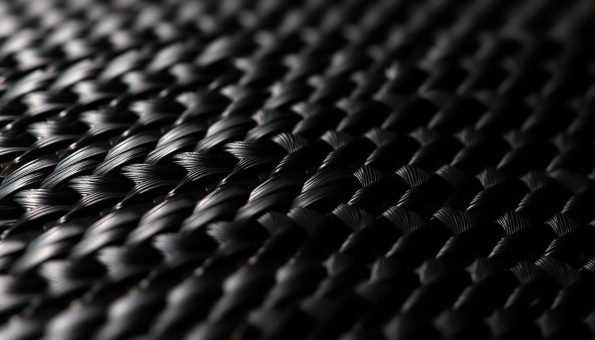
Superior shock absorption protects joints from repetitive impact. When fiber poles contact uneven terrain, they flex to disperse energy rather than transmitting vibration.
This built-in suspension system makes rough paths feel smoother. The advanced carbon construction handles stress while maintaining structural integrity.
These engineering advantages work together to create a more comfortable hiking experience. The combination of light weight and effective shock control represents smart design for any trail adventure.
Design and Functional Features
Choosing between different structural configurations for hiking equipment requires understanding their practical applications. The physical design directly influences performance and user experience on varied terrain.
Telescopic vs. Folding Options
Telescopic models feature multiple shaft sections that slide within each other. They lock at desired lengths using twist-lock or lever-lock mechanisms.
This design offers maximum adjustability and typically greater rigidity. It’s ideal for technical terrain where precise length control matters.
Folding poles use connected shaft sections joined by internal cord systems. They collapse into compact segments for easy storage.
These designs prioritize packability over adjustability. They’re perfect for multi-activity adventures requiring frequent stowing.
| Feature | Telescopic Design | Folding Design |
|---|---|---|
| Adjustability | High precision | Limited options |
| Pack Size | Moderate | Highly compact |
| Rigidity | Excellent stability | Good performance |
| Ideal Use | Technical terrain | Travel convenience |
Innovative Grip Technologies
Grip materials significantly impact comfort during extended use. Proper selection prevents hand fatigue and blister formation.
Cork grips naturally wick moisture and conform to hand shape over time. They provide excellent temperature regulation in all conditions.
Foam options offer good cushioning at lower cost. However, they tend to degrade faster with extended use compared to cork.
Rubber grips provide the firmest hold and greatest durability. They can become slippery when wet and may cause excessive sweating.
The right grip design balances moisture management with ergonomic comfort for prolonged trail enjoyment.
Quality equipment incorporates cork primary grips with extended foam zones. This allows hand repositioning during steep sections without length adjustment.
Performance Across Varied Terrains
True trail readiness means having equipment that performs consistently across changing landscapes. FiTiFT’s extensive testing covered over 300 miles of diverse conditions, from gentle park paths to challenging mountain ascents.
Stability on Rocky and Uneven Paths
The combination of lightweight construction and tungsten carbide tips creates exceptional grip on technical terrain. These components work together to maintain solid contact with rocky surfaces.
Proper technique involves planting poles firmly to establish three-point balance. This approach dramatically improves stability where careful foot placement is essential.
Adaptability in Snow and Wet Conditions
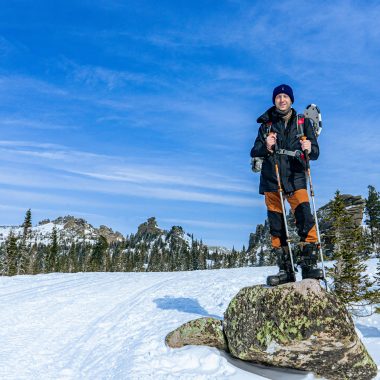
Interchangeable basket systems transform these tools for winter adventures. Wider snow baskets prevent deep sinking while distributing weight effectively.
Shock-absorbing properties help maintain controlled contact on slippery ground. The material’s corrosion resistance ensures reliable performance in rainy conditions.
Practical terrain techniques include adjusting pole length for descents and selecting appropriate baskets. These simple adjustments optimize balance and control across changing surfaces.
Selecting the Best Trekking Pole for Your Needs
Finding the perfect trekking pole requires matching specific features to your personal hiking style. This decision-making framework helps identify the ideal model for your outdoor activities.
Proper length selection forms the foundation of comfortable use. When holding the grip with the tip on ground, your elbow should form a 90-degree angle. Wear your typical hiking shoes during this measurement for accurate sizing.
Consider how often you hike and your typical distances. Frequent long-distance users benefit most from lightweight models. Occasional hikers on shorter trails may prefer more affordable options.
| Hiking Frequency | Recommended Material | Key Benefit |
|---|---|---|
| Regular long hikes | Lightweight composite | Reduced fatigue |
| Occasional short trails | Durable alloy | Cost effectiveness |
| Mixed terrain adventures | Shock-absorbing design | Joint protection |
Terrain type significantly influences your choice. Maintained trails with moderate changes suit advanced materials well. Technical routes with scrambling sections demand greater impact resistance.
Investing in quality equipment matched to your commitment level prevents the false economy of inadequate gear.
Portability needs determine whether telescopic or folding designs work best. Multi-activity enthusiasts benefit from compact folding models. Dedicated hikers often prefer telescopic designs for their simplicity.
Budget considerations should balance initial cost against long-term value. Premium materials offer superior performance for serious enthusiasts. Quality construction ensures reliable performance across numerous adventures.
FiTiFT Product Range for Outdoor Enthusiasts
FiTiFT’s product lineup offers three distinct trekking pole models designed for different hiking preferences. Each pair delivers reliable performance while addressing specific user priorities.
3K Carbon Fiber Trekking Poles (2-pack) Overview
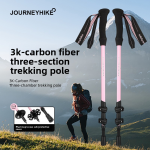
The premium 3K carbon fiber model provides exceptional lightweight performance. This advanced construction offers significantly greater durability than standard carbon poles.
These trekking poles feature sustainable cork grips with extended foam zones. Tungsten carbide tips deliver superior traction across varied terrain types.
Included accessories adapt the poles for snow, mud, and rocky conditions. The complete package ensures readiness for any adventure.
7075 and Premium 7075 Aluminum Options Compared
Both aluminum models utilize aerospace-grade 7075 aluminum for maximum strength. The premium version includes upgraded grip materials and advanced locking mechanisms.
The standard option maintains core functionality while offering exceptional value. Both pairs include essential accessories for typical trail conditions.
| Model Feature | 3K Carbon Fiber | Premium 7075 Aluminum | Standard 7075 Aluminum |
|---|---|---|---|
| Primary Material | Advanced 3K carbon | Aerospace aluminum | Aerospace aluminum |
| Weight Profile | Lightest option | Balanced weight | Durable construction |
| Grip System | Cork with foam extension | Premium cork design | Functional cork grip |
| Accessory Package | Complete terrain set | Enhanced inclusions | Essential baskets only |
Each model serves different performance needs and budget considerations. Beginners can select the ideal pair based on their specific hiking goals.
Cost, Durability, and Value Considerations
The investment in quality trekking poles represents a balance between upfront cost and ongoing performance. New hikers often face the decision between premium materials and budget-friendly options.
Advanced composite options typically carry higher price tags than their alloy counterparts. This price difference reflects the complex manufacturing process and superior material properties.
Long-Term Investment Benefits
Premium materials offer significant advantages over time. The reduced weight of advanced composites provides measurable benefits on every outing.
This becomes particularly important during extended excursions. The cumulative effect of carrying lighter equipment enhances comfort throughout long hikes.
| Factor | Premium Composite | Quality Aluminum | Budget Options |
|---|---|---|---|
| Initial Cost | Higher investment | Moderate price | Lowest cost |
| Durability | Exceptional longevity | High resilience | Variable quality |
| Weight Advantage | Maximum reduction | Balanced performance | Heavier construction |
| Long-Term Value | Superior cost-per-use | Excellent reliability | Frequent replacement |
Quality construction ensures reliable performance across numerous adventures. Proper maintenance extends the service life of well-engineered equipment.
The true value emerges when calculating cost-per-use over multiple seasons. Premium poles from reputable manufacturers deliver consistent performance that justifies their initial expense.
Practical Usage Tips for Optimized Hiking
The real benefits of hiking support tools emerge when users implement correct setup and handling methods. Proper technique transforms these accessories into essential trail companions that enhance safety and comfort.
Proper Height Adjustment and Grip Techniques
Begin by standing on level ground wearing your hiking shoes. Hold the grip with the tip touching the surface. Adjust the length until your elbow forms a 90-degree angle.
Clear markings on each section make future setup quick and repeatable. For downhill walking, extend the poles slightly longer. This provides better control during descents.
Use the primary cork grip for level terrain with hands inserted through wrist straps. This prevents fatigue by allowing a relaxed hold. On steep ascents, move your hands down to the foam zones for shorter effective length.
Quick Setup and Secure Locking Mechanisms
Lever locks make trail-side adjustments fast and reliable. Open the mechanism fully, extend to your desired marked length, then close firmly until resistance is felt.
Test security by applying moderate downward pressure before starting your hike. The sections should hold your full weight without slipping. This ensures safety during use.
Avoid gripping the poles too tightly, which causes rapid hand fatigue. Instead, rely on the wrist straps for support. This creates a natural pendulum motion that makes pole use effortless throughout long hikes.
Long-Term Maintenance and Safety Insights
Investing time in equipment maintenance prevents unexpected failures during outdoor adventures. Proper care extends your gear’s lifespan while ensuring reliable performance on every trail.
Maintenance for Carbon Fiber Poles
Inspect your carbon fiber poles before each use. Look for cracks near locking mechanisms and tip connections. Clean them after muddy hikes to prevent abrasive damage.
Store these poles in stable temperatures. Avoid extreme heat or cold that can stress the material bonds. Regular checks maintain structural integrity over time.
Care Tips for Aluminum Poles
Aluminum models resist corrosion well but still need attention. Dry them thoroughly after wet hikes to prevent water spots. Minor bending is normal, but significant deformation requires replacement.
Check locking mechanisms periodically for secure operation. Clean telescoping sections to prevent debris buildup. These simple steps protect your investment for many hikes.
Replace worn tips when they lose their sharp edge. Inspect baskets for cracks before each adventure. Consistent maintenance ensures your pair remains trail-ready.
Conclusion
Proper gear selection serves as the cornerstone for developing confidence and skills on the trail. Quality support tools from trusted brands like FiTiFT provide beginners with reliable performance across diverse conditions.
Lightweight construction reduces fatigue during technique development. Superior shock absorption protects joints during extended use. These advantages make advanced materials an excellent choice for newcomers.
Aluminum options also serve beginners well in appropriate contexts. FiTiFT’s 7075 models offer exceptional value for budget-conscious hikers. The right choice depends on individual needs and hiking plans.
Matching equipment to personal requirements ensures optimal trail enjoyment. Consider your typical terrain, frequency, and performance priorities. This thoughtful approach leads to better outdoor experiences.
Explore FiTiFT’s complete range to find the perfect pair for your adventures. Quality construction and thoughtful design deliver reliable performance hike after hike.
FAQ
What is the main difference between carbon fiber and aluminum trekking poles?
The primary difference lies in weight and vibration dampening. Carbon fiber poles are significantly lighter, which reduces arm fatigue on long hikes. They also offer superior shock absorption, minimizing impact on your hands and joints. Aluminum poles are generally more durable against direct impacts and bending, making them a robust choice for rugged, rocky terrain.
Are carbon fiber poles durable enough for a beginner who might be rough on gear?
Modern carbon fiber poles from reputable brands like FiTiFT are engineered for strength. While they can be more susceptible to snapping under extreme side pressure compared to aluminum, their composite construction is very resilient. For most beginners on standard trails, they offer ample durability, and their lightweight advantage often outweighs this concern.
How do I choose the correct length for my hiking poles?
A good rule of thumb is to adjust the pole so your elbow forms a 90-degree angle when the tip is on the ground. Most poles are telescopic or folding, allowing for easy height adjustment. Consider that a slightly shorter length is better for uphill sections, while a longer length can help with downhill stability.
What type of grip material is best for my hands?
This is largely personal preference. Cork grips mold to your hand over time and are excellent at managing moisture. Foam grips are soft and provide great comfort, absorbing sweat well. Rubber grips offer a secure, non-slip hold, ideal for wet conditions, but can feel less breathable on hot days.
Should I choose telescopic or folding poles for my first pair?
Telescopic poles, typically with two or three sections, are very adjustable and straightforward to use, making them a great beginner option. Folding poles are compact and ideal for packing into a backpack but can have a more complex setup. For most novices, simple telescopic poles are the most user-friendly choice.
Do I really need trekking poles for day hikes?
While not always essential, poles provide significant benefits even on short trips. They improve balance, reduce strain on your knees, and can increase your overall stability, especially when carrying a pack. Many beginners find they build confidence and make hiking more enjoyable from the start.
How do I maintain my carbon fiber trekking poles to ensure longevity?
Maintenance is simple. After each use, especially in mud or snow, wipe down the shafts and clean the locking mechanisms. Periodically check for cracks or deep scratches. Avoid storing them while they are still wet, and ensure the sections are fully dry before collapsing them to prevent internal corrosion.