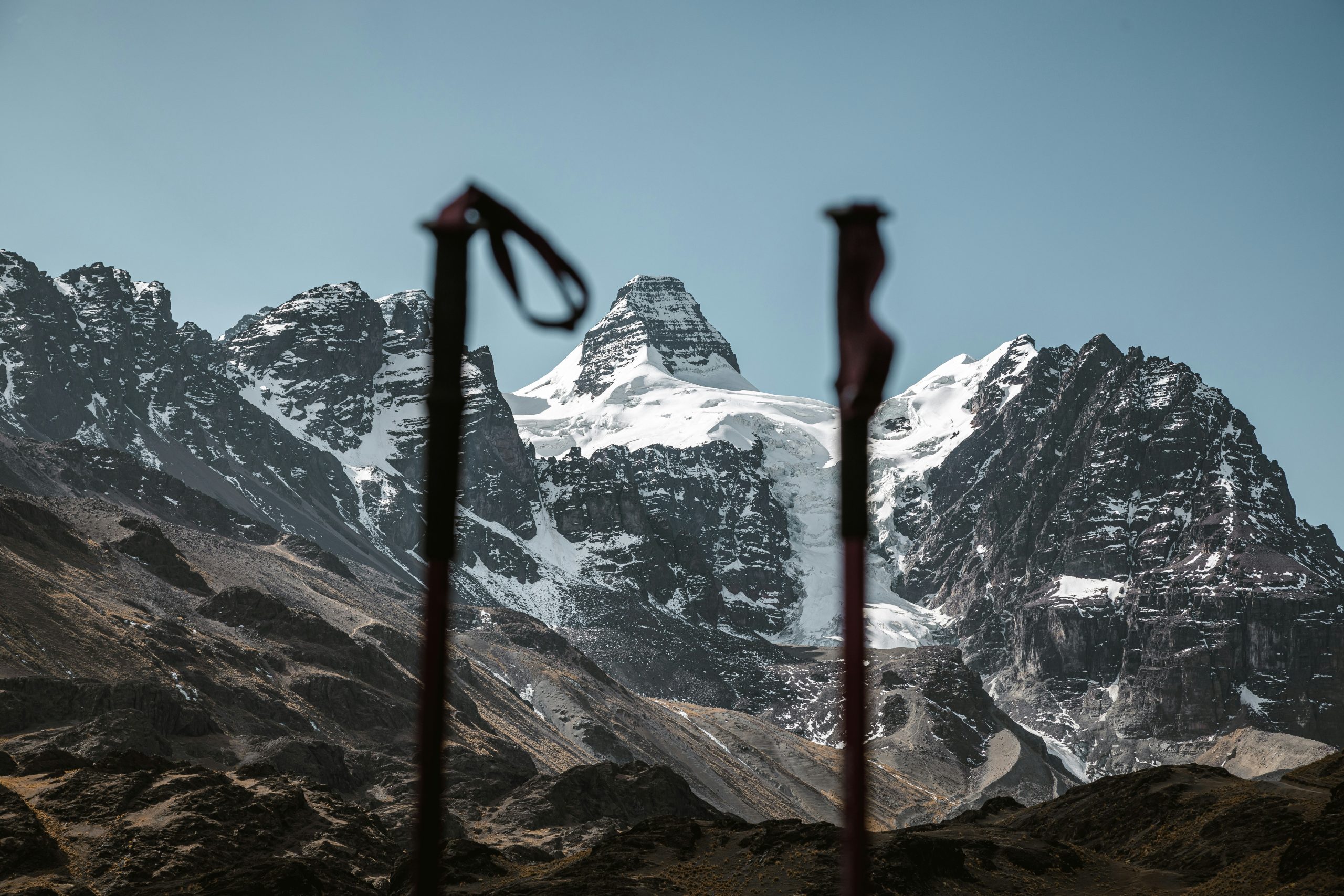
How reliable are lightweight hiking staffs made from advanced composite materials? This question weighs heavily on the minds of many outdoor enthusiasts.
Carbon fiber equipment has gained significant popularity for its impressive weight savings. However, questions about its strength and longevity compared to traditional aluminum options persist.
Real-world experiences present a mixed picture. Some adventurers report their gear failing after just thirty hours on the trail. Others achieve thousands of miles without a single issue.
Understanding these durability facts is crucial before making an investment. This knowledge helps you select the right tool for your adventures.
This analysis will explore the material science behind these products. We will examine user testimonials, maintenance strategies, and compare different models.
Making an informed choice requires a clear view of both the advantages and limitations of this modern technology. Proper technique and care are just as important as construction quality.
Key Takeaways
- Carbon fiber poles offer significant weight reduction but raise questions about strength.
- User experiences with durability vary widely, from early failure to extreme longevity.
- Informed purchasing decisions are essential due to the higher cost of this equipment.
- Durability depends on multiple factors including build quality, terrain, and user maintenance.
- This guide provides evidence-based insights from engineering and real-world use.
- Understanding the technology’s pros and cons is key to a successful purchase.
Introduction to FiTiFT Outdoor Sports Gear
FiTiFT has established itself as a dedicated source for outdoor sports equipment. The brand focuses on creating tools that enhance every adventure.
Brand Overview and Product Philosophy
The core philosophy at FiTiFT is a blend of advanced material technology and practical, user-centered design. This approach results in reliable trekking poles that perform consistently across diverse landscapes.
Understanding that needs vary, the brand offers a range of options. This includes both lightweight carbon fiber and robust aluminum variants.
Commitment to High-Quality Outdoor Gear
FiTiFT’s commitment is evident in its rigorous testing processes. Products are refined based on feedback from actual hiking experiences.
The goal is to deliver exceptional value. This means balancing innovative engineering, durable construction, and accessible pricing for all outdoor enthusiasts.
Every piece of gear is designed to meet the demands of serious explorers. It aims to provide confidence on every trail.
Key Features of FiTiFT Trekking Poles
Exploring FiTiFT’s range reveals thoughtful engineering choices catering to various outdoor needs. The brand’s lineup includes advanced composite and traditional metal options.
Each model represents a specific approach to trail support. Materials and construction methods target different user priorities.
Highlighting the 3K Carbon Fiber Poles
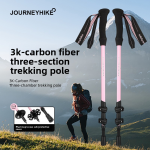
The 3K carbon fiber poles feature an advanced weave pattern. This construction delivers exceptional strength while maintaining minimal mass.
These hiking staffs are ideal for long-distance adventures. Their lightweight nature reduces fatigue during extended use.
The 3K weave represents a balance between structural integrity and weight savings that serious hikers appreciate.
Overview of Premium and Standard 7075 Aluminum Options
FiTiFT’s aluminum options utilize 7075-grade alloy. This material offers excellent resistance to bending and fatigue.
The premium version features enhanced finishing and components. The standard model provides reliable performance at an accessible price point.
| Feature | 3K Carbon Fiber | Premium 7075 Aluminum | Standard 7075 Aluminum |
|---|---|---|---|
| Weight per pole | 7.2 oz | 9.8 oz | 10.1 oz |
| Material grade | 3K weave | Aerospace alloy | Industrial grade |
| Primary advantage | Ultralight performance | Maximum durability | Cost efficiency |
All models share common features including ergonomic grips and adjustable lengths. Interchangeable tips adapt to various terrain conditions.
Each product comes as a complete matched set. This ensures balanced performance across both hiking staffs.
Material Comparison: Carbon Fiber vs Aluminum
Material selection forms the foundation of any quality hiking staff, with carbon and aluminum offering distinct advantages. Each material brings unique characteristics that affect performance across different landscapes.
Strength, Weight, and Durability Metrics
Carbon fiber poles deliver exceptional strength-to-weight ratios, typically weighing 30-40% less than equivalent aluminum options. This makes them ideal for long-distance adventures where every ounce matters.
The fatigue resistance differs significantly between materials. Aluminum poles gradually weaken through repeated stress cycles, while carbon fiber maintains consistent strength until sudden failure occurs.
Thru-hiker Harry Netzer observed this difference firsthand:
“Carbon is often stronger than aluminum. Aluminum will fatigue and over time it’s guaranteed to break. Carbon not so. I hiked the AT with aluminum and the PCT with carbon, carbon poles survived but aluminum ones didn’t.
Performance Differences on Varying Terrains
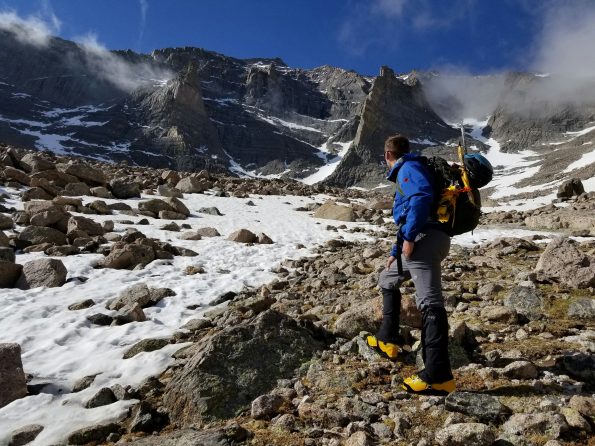
On well-maintained trails, carbon fiber excels with vertical loading. However, rocky, technical terrain presents challenges where lateral impacts are common.
Failure modes reveal critical distinctions. Aluminum poles tend to bend under excessive force, allowing temporary field repairs. Carbon fiber poles typically snap cleanly without warning.
The choice between materials involves careful balance. It depends on hiking style, terrain type, and whether minimum weight or maximum forgiveness takes priority in equipment selection.
Field Experiences and Customer Insights
Customer feedback from trail users provides invaluable insights into equipment longevity. Real-world experiences reveal dramatic differences in performance outcomes.
User Reviews and Real-World Feedback
One experienced backpacker reported breaking four ultralight carbon fiber poles in just a few months. This equated to one failure every thirty trail hours on New England’s challenging terrain.
The failures showed consistent patterns. Fixed-length models crushed above basket threading. Adjustable versions sheared at the upper sleeve with minimal pressure.
Conversely, Josh Janes reported extensive mileage on Black Diamond Ultra Distance Carbon poles. He successfully navigated pole-snapping terrain through careful handling practices.
| User Experience | Pole Type | Mileage/Time | Outcome |
|---|---|---|---|
| Experienced Hiker | Ultralight Carbon | 30 hours average | Multiple failures |
| Josh Janes | Black Diamond Ultra Distance | High mileage | Successful use |
| Alexander K | Black Diamond Alpine Carbon Cork | 4,000+ miles | No failure |
| Cory B | Black Diamond Alpine Carbon Cork | 4,000+ miles | No failure |
Expert Opinions on Durability Factors
Many people who initially break their equipment continue using carbon poles after learning proper techniques. This suggests user education is as important as material selection.
The learning curve associated with these tools is significant. Experienced users who understand material characteristics achieve much better longevity than newcomers.
Common Failure Modes and Maintenance Tips
The longevity of advanced composite equipment depends heavily on recognizing and preventing common failure patterns. Understanding these mechanisms helps outdoor enthusiasts maximize their gear’s service life.
Risks of Impact Damage and Scoring
Surface scratches from rock contact create critical weak points. Black Diamond engineers explain that failure typically occurs when damaged areas experience bending stress.
The composite structure fails catastrophically at these stress concentration points. This happens during what engineers call a “3-point bend scenario” near previous damage.
Baskets play a vital protective role. They prevent deep penetration into scree and rocky terrain where leverage can snap the shaft. Removing them exposes the lower section to additional damage.
| Failure Scenario | Primary Cause | Prevention Method |
|---|---|---|
| Surface scoring | Rock impacts during use | Regular shaft inspection |
| Leverage breakage | Deep scree penetration | Keep baskets installed |
| Catastrophic failure | Bending at damaged points | Immediate release when stuck |
Maintenance Strategies to Extend Pole Life
Expert Josh Janes recommends crucial handling techniques. Never rest equipment against rocks or trees where lateral force might occur.
Immediately release a pole when it catches on roots rather than forcing movement. Many experienced users remove wrist straps or use minimal cord leashes for quick release.
Regular maintenance ensures optimal performance. Clean and lubricate push-button mechanisms on collapsible designs to prevent rust. Store equipment properly to avoid lateral pressure damage over time.
Regular inspection for surface damage is the most effective prevention strategy. Address minor scratches before they become failure points during future use.
Can Carbon Trekking Poles Break? Durability Facts You Should Know
The engineering reality behind carbon trekking equipment reveals deliberate design choices. Manufacturers balance strength, stiffness, and cost targets rather than pursuing absolute indestructibility.
Black Diamond’s team explains their approach clearly. They conduct extensive lab and field testing to optimize fiber orientation and wall thickness. This empirical method has proven successful with millions of units sold.
These products feature unidirectional carbon wraps with glass reinforcement. This construction creates exceptional longitudinal strength while maintaining lightweight performance. The directional nature means they handle compression well but are vulnerable to lateral forces.
| Strength Characteristic | Carbon Fiber Performance | Aluminum Performance | User Impact |
|---|---|---|---|
| Compressive force along length | Extremely strong | Strong | Excellent for normal use |
| Lateral/perpendicular force | Vulnerable to snapping | Bends gradually | Requires careful handling |
| Impact damage resistance | Surface scratches create weak points | More forgiving | Regular inspection needed |
| Fatigue over time | Maintains strength until failure | Gradual weakening | Different maintenance approach |
Statistical evidence shows most users achieve satisfactory longevity. The replaceable lower section design accommodates occasional failures economically. Many outdoor enthusiasts successfully use these tools for years across varied landscapes.
Understanding these material characteristics allows for informed equipment selection. Technical terrain demands different handling than maintained trails. Proper technique significantly extends product life.
Design Considerations and Engineering Trade-offs
Advanced composite materials undergo intricate design processes where fiber orientation and layup patterns determine ultimate performance characteristics. Manufacturers employ sophisticated strategies to optimize strength across multiple directions while maintaining lightweight construction.
Optimization of Fiber Orientation and Layup
Quality equipment features multiple layers of unidirectional carbon fiber wraps laid at varying angles. This complex arrangement creates strength in multiple directions. Manufacturers incorporate small amounts of glass fiber reinforcement to improve impact resistance.
The design prevents “brooming” failure modes seen in simpler constructions. Circumferential wraps provide hoop strength against crushing forces. Longitudinal fibers efficiently carry compressive loads during normal use.
Balancing Cost Targets and Longevity
Engineers face constant trade-offs between wall thickness and overall weight. Thinner walls reduce mass but increase vulnerability to damage. Thicker walls enhance durability while sacrificing the primary advantage of composite materials.
Manufacturers conduct extensive lab and field testing to optimize these constraints. The iterative process combines empirical data with material science. This approach aligns product life expectations with material constraints rather than pursuing unrealistic durability targets.
Fixed-length designs eliminate weak points from adjustment mechanisms. They achieve better strength-to-weight ratios than adjustable counterparts. This balanced philosophy has proven successful with millions of units sold worldwide.
Buying Guide for Trekking Poles>
Choosing the right hiking support equipment requires matching technical specifications with personal adventure goals. This guide helps navigate the selection process for optimal trail performance.
Comparing Product Models and Features
Consider your primary terrain when selecting between material options. The ultralight 3K Carbon Fiber model suits maintained trails and weight-conscious backpacking.
For technical rocky landscapes, aluminum options provide superior impact resistance. The Premium 7075 variant offers enhanced durability, while the standard version delivers proven reliability.
- Adjustment mechanisms: Fixed-length designs maximize strength, while telescoping poles offer versatility for varying terrain.
- Grip materials: Cork molds to your hand, foam absorbs moisture, and rubber provides secure handling in wet conditions.
- Accessory compatibility: Interchangeable tips adapt to different surfaces, and snow baskets improve flotation in soft terrain.
Length considerations depend on your hiking style. Adjustable poles accommodate steep ascents and descents, while fixed-length ones simplify setup.
Where to Purchase FiTiFT Trekking Poles
All FiTiFT options come as complete matched pairs with balanced specifications. This ensures consistent performance without separate purchases.
Wrist strap preferences vary among hikers. Some utilize them for uphill propulsion, while others prefer quick-release setups for technical terrain.
Visit the FiTiFT website to review detailed specifications and customer feedback. The platform provides comprehensive product information for informed decision-making.
Each model’s product page includes specific weight measurements, material details, and accessory inclusions. This transparency helps match equipment to your individual backpacking requirements.
Conclusion
The ultimate choice between advanced materials for hiking support tools hinges on personal priorities. While composite options can fail under specific conditions, their durability largely depends on proper handling and maintenance practices.
These lightweight tools offer significant advantages for long-distance backpacking. The weight reduction enhances the overall trail experience over many miles.
Aluminum options remain excellent for hikers prioritizing predictable performance. They perform well on technical terrain where impact resistance matters most.
Proper care and awareness of material characteristics enable successful long-term use. Many outdoor enthusiasts enjoy years of service from quality equipment.
FiTiFT provides reliable options in both material types. This allows selection based on individual needs and typical adventure conditions.
Honest assessment of your hiking style and terrain leads to the best gear choice. Quality equipment from reputable manufacturers represents a valuable investment for comfort and stability.
Informed selection based on material understanding creates better outdoor experiences. This knowledge builds confidence during every adventure.
FAQ
Are carbon fiber poles more likely to snap than aluminum ones?
While very strong, carbon fiber poles can fail suddenly under sharp, lateral impacts, like getting jammed in rocks. Aluminum models typically bend first, giving a warning. For general trail use, high-quality carbon fiber offers excellent strength-to-weight performance.
What is the main advantage of using 3K carbon fiber in trekking poles?
The 3K weave refers to the density of carbon strands. This construction creates a pole that is exceptionally lightweight and rigid, providing superior vibration dampening on rough terrain. This reduces arm fatigue during long-distance hiking.
How does the 7075 aluminum used in some poles compare to other types?
7075 aluminum is an aerospace-grade alloy known for its high strength and excellent resistance to stress and fatigue. It is significantly stronger than the more common 6061 aluminum, making poles more durable and less prone to bending under heavy loads.
When should I choose aluminum poles over carbon fiber?
Opt for aluminum if your primary activities involve rough, rocky terrain, winter mountaineering with sharp crampons, or heavy backpacking where impact resistance is a top priority. Their ability to bend rather than break is a key safety benefit.
What routine maintenance can extend the life of my trekking poles?
Regularly clean the shafts to remove grit, check locking mechanisms for debris, and inspect the tips for wear. For collapsible models, periodically check the tension of the internal cords. Store them in a dry place to prevent corrosion on metal parts.
Can I replace parts like the baskets or wrist straps on FiTiFT poles?
A> Yes. Most quality poles, including those from FiTiFT, are designed with replaceable components. Tips, snow baskets, and even sections can often be purchased separately, allowing you to repair your gear instead of replacing the entire unit.