Finding the right equipment can make or break your outdoor experience. For walkers, hikers, and backpackers, proper gear selection is essential for comfort and safety on the trail.
These supportive tools enhance stability across various terrains. They help distribute weight effectively and protect your joints during long excursions. The optimal measurement for walking poles depends on individual factors.
Personal preference and specific hiking conditions significantly influence the ideal fit. While general recommendations exist, your unique body proportions and intended use play crucial roles in selection.
This comprehensive resource will explore multiple approaches to determine your perfect setup. You’ll learn about basic sizing charts, mathematical formulas, and the 90-degree angle rule. Both new buyers and experienced adventurers will find valuable information here.
The correct measurement directly impacts your hiking comfort, endurance, and safety. Proper adjustment ensures maximum benefits from your equipment across different trail conditions.
Key Takeaways
- Proper pole length is essential for stability, weight distribution, and joint protection.
- Individual height and body proportions determine the ideal measurement.
- Personal preference and specific terrain influence the final adjustment.
- Multiple sizing methods exist, including charts, formulas, and angle tests.
- Correct sizing improves hiking comfort, endurance, and overall safety.
- Both beginners and experienced hikers can optimize their setup.
- The right length maximizes benefits across various outdoor activities.
Introduction to Trekking Poles and Their Benefits
The strategic use of supportive equipment can transform challenging trails into manageable adventures. These specialized tools offer significant advantages for outdoor enthusiasts across various terrain types.
Understanding the Role of Trekking Poles in Outdoor Adventures
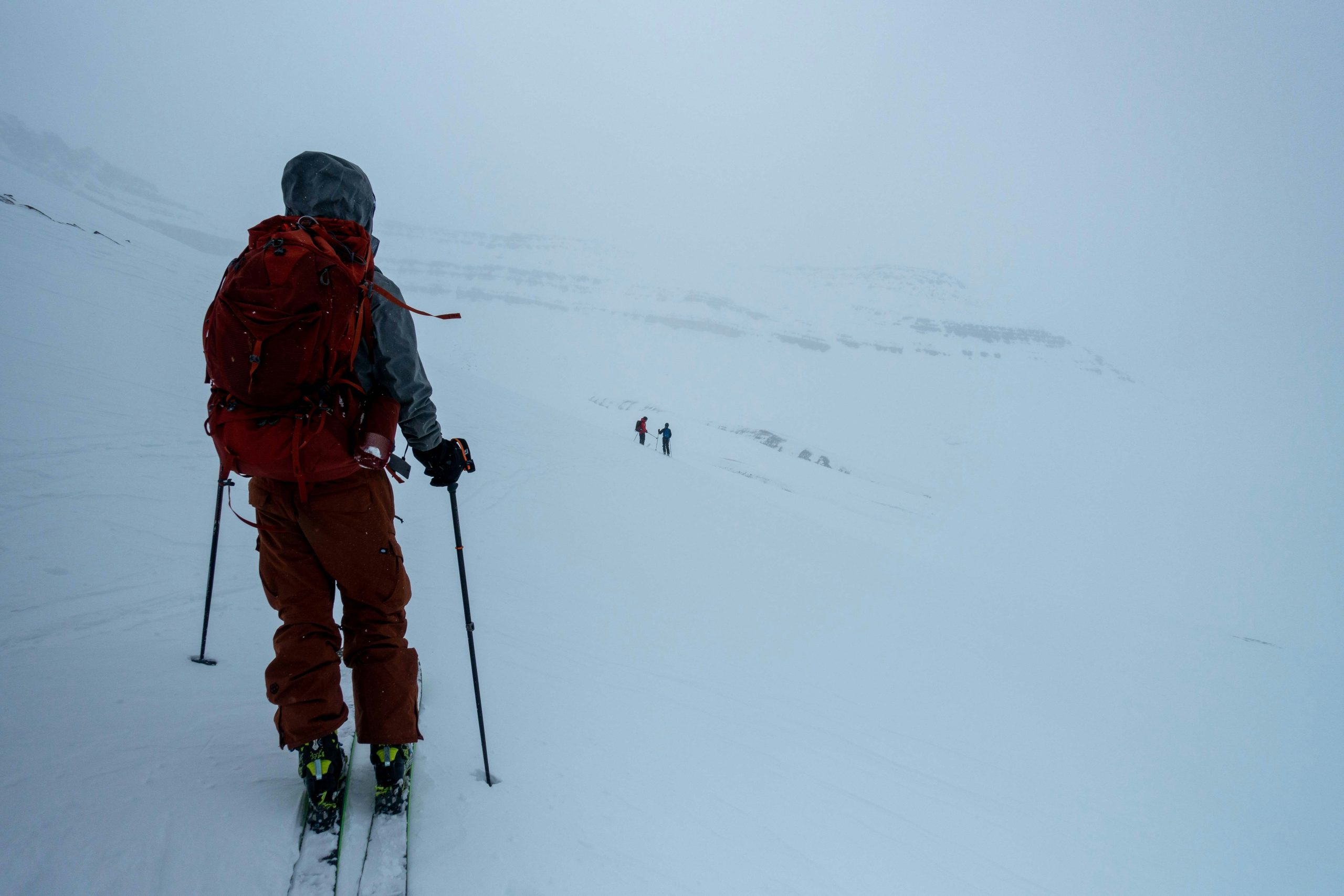
Trekking poles create a fundamental biomechanical advantage during hiking activities. They transform movement from two-point to four-point contact with the ground.
This enhanced contact system dramatically improves balance across uneven surfaces. Rocky paths and slippery conditions become more navigable with this additional stability.
Key Benefits for Stability and Joint Support
The weight distribution capability represents a major advantage of proper pole usage. Approximately 20% of body and pack weight transfers from the legs to the upper body.
This redistribution significantly reduces stress on lower body joints. The knees receive particular protection during demanding descents and long-distance excursions.
These supportive tools also help maintain consistent rhythm and forward momentum. They provide proactive injury prevention rather than reactive compensation during outdoor activities.
Overview of FiTiFT’s High-Quality Outdoor Sports Gear
The right outdoor tools can dramatically improve your hiking efficiency and comfort. FiTiFT designs premium equipment specifically for diverse trail conditions and user preferences.
Their industry-leading designs provide reliable support across various outdoor activities. From casual day hikes to demanding multi-day expeditions, these tools deliver consistent performance.
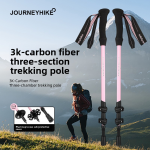
Featured Product: 3K Carbon Fiber Trekking Poles (2-pack)
This flagship product offers exceptional strength-to-weight ratio for serious adventurers. The advanced carbon construction ensures lightweight performance without compromising durability.
Superior vibration dampening makes these ideal for long-distance journeys. They provide unmatched comfort during alpine adventures and technical terrain navigation.
Premium 7075 Aluminum and Standard 7075 Options
For those preferring proven reliability, aluminum models deliver excellent value. The Premium 7075 version combines affordability with robust construction.
The Standard 7075 option serves as an accessible entry point for newcomers. Both aluminum choices offer dependable performance for traditional backpacking needs.
| Model | Material | Weight | Best For | Key Features |
|---|---|---|---|---|
| 3K Carbon Fiber | Carbon Fiber | Ultra-light | Long-distance & Alpine | Superior vibration control |
| Premium 7075 | Aluminum Alloy | Lightweight | All-around hiking | Proven durability |
| Standard 7075 | Aluminum Alloy | Standard weight | Beginners & Value seekers | Reliable performance |
All FiTiFT trekking pole products come as complete 2-pack sets. This ensures proper four-point contact and balanced support during your outdoor adventures.
What Length Carbon Trekking Poles Do I Need? Easy Size Guide
The correlation between user stature and equipment dimensions forms the foundation of effective hiking gear selection. Several reliable methods exist to determine your ideal measurement.
A comprehensive height chart provides specific recommendations ranging from 85 cm for individuals at 4’0″ to 135 cm for those 6’4″ tall. For precise customization, multiply your height in centimeters by 0.68 to calculate the exact measurement needed.
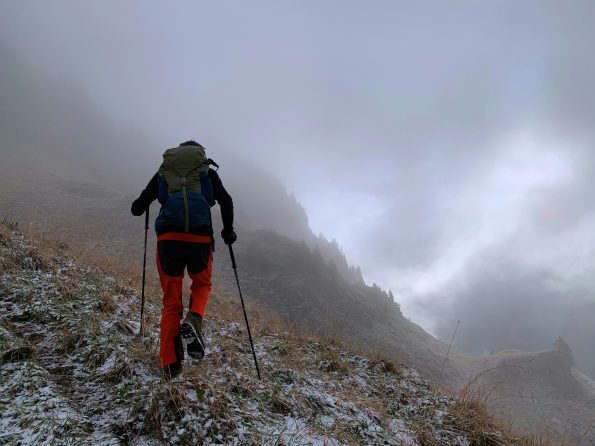
The universal 90-degree angle rule serves as an excellent verification method. When standing upright with tips beside your feet, your elbows should form a perfect right angle while holding the grips.
Simplified guidelines suggest starting with 100 cm for hikers under 5’1″, 110 cm for 5’1″ to 5’7″, 120 cm for 5’8″ to 5’11”, and 130 cm for those 6’0″ or taller. Body proportions may require adjustments – longer-legged individuals might measure from the thumb tip, while those with shorter legs may prefer measuring from the palm base.
Proper sizing critically impacts performance. Equipment that’s too long creates unnatural arm positioning, while overly short tools force excessive bending and reduce support effectiveness.
First-time buyers should consider adjustable models that accommodate multiple sizes. Most quality options feature ranges from approximately 105 to 130 cm, covering the majority of adult users. This flexibility allows refinement of preferences through practical experience.
Choosing the Right Material: Carbon Fiber vs. Aluminum
Material selection significantly influences hiking pole performance and user experience. The two primary options available today each offer distinct advantages for different outdoor enthusiasts.
Comparing Durability and Weight for Optimal Performance
Carbon fiber models provide exceptional lightweight construction. High-quality carbon poles weigh significantly less than aluminum counterparts, reducing arm fatigue during extended sessions.
These tools also deliver superior vibration dampening properties. They absorb shock and ground contact vibrations more effectively than aluminum construction.
Carbon fiber options operate more quietly on trails. They produce less audible “clinking” when contacting rocks compared to resonant aluminum poles.
Aluminum models offer proven reliability and affordability. This material bends rather than snaps under stress, providing worry-free durability for budget-conscious hikers.
Both material types can last for many years with proper maintenance. The choice often comes down to personal priorities and hiking style preferences.
FiTiFT’s range includes both 3K Carbon Fiber options for performance-oriented users and Premium/Standard 7075 Aluminum choices. Some experienced hikers own both types, selecting carbon for long-distance treks and aluminum for casual day hikes.
How to Adjust Your Trekking Pole Height for Peak Performance
Proper adjustment technique transforms good equipment into exceptional trail companions. Mastering this process ensures your poles provide optimal support across diverse terrain conditions.
The adjustment process begins with unlocking the mechanisms. Most models feature either twist-locks or lever-locks on each section.
Step-by-Step Guide to Proper Height Adjustment
Stand upright on level ground in your natural hiking posture. Position the pole tip beside your foot while holding the grip comfortably.
Adjust the pole length until your elbow forms a perfect 90-degree angle. Your upper arm should hang naturally at your side while your forearm extends forward.
An alternative method aligns the top of the grip with your palm’s top when arms hang relaxed. This typically positions the handle at waist or hip level.
For three-section poles, two approaches work effectively. Equal-length lower and middle sections maximize stability. Alternatively, extend the bottom section fully to the “STOP” mark before adjusting the middle section.
Using Height Charts and Formulas for Accuracy
Once you achieve the correct position, firmly secure the locking mechanisms. Twist-locks require clockwise tightening while lever-locks need secure closure.
Test your adjustment by applying downward pressure before hitting the trail. Verify that mechanisms hold firm under body weight.
Most quality poles feature measurement markers in 5 cm increments. Record your preferred settings for quick future adjustments.
During initial hikes, make micro-adjustments to perfect your setup. This two-minute process significantly impacts comfort and efficiency on every outing.
Enhancing Safety and Stability on Various Terrains
Adapting your equipment to changing trail conditions represents the next level of hiking mastery. Proper length adjustment transforms these tools from simple accessories into vital safety devices across diverse landscapes.
The four-point contact system dramatically improves balance when navigating uncertain footing. This additional ground contact proves invaluable on slippery surfaces and technical sections where falls present real risks.
Adjusting Pole Length for Uphill and Downhill Hiking
During ascents, shorten your equipment by 5-10 centimeters depending on slope steepness. This maintains the optimal 90-degree elbow angle while increasing load-bearing pressure for upward propulsion.
For descents, extend the same amount to plant your tools ahead comfortably. This forward placement allows weight transfer that significantly reduces impact on knees and joints.
Knee protection during downhill travel represents a major safety benefit. Properly lengthened equipment absorbs substantial impact forces that would otherwise travel through your lower body.
Maintain moderate settings on flat ground while keeping adjustment range in reserve. This preparation ensures quick adaptation for unexpected elevation changes during your outing.
Terrain-specific advantages include stream crossings where tools test water depth and provide balance points. They also prevent slips on muddy paths and probe for solid ground under snow cover.
Develop the habit of proactive adjustment when approaching significant slope changes. Experienced hikers often modify their setup multiple times during a single adventure.
Ergonomic Design and Weight Distribution Benefits
Ergonomic design elements directly influence how effectively hiking poles transfer weight and reduce fatigue. The right grip materials and strap systems transform basic equipment into comfortable trail companions.
Well-designed contact points prevent hand strain during long excursions. They ensure efficient energy transfer from your upper body to the ground.
Importance of Ergonomic Grips and Wrist Straps
Superior grip materials make extended use more comfortable. EVA foam offers lightweight performance and excellent moisture management. This material moves easily in your hands without causing blisters.
Cork grips provide natural cushioning that molds to your hand shape over time. Rubber handles deliver durability but may become slippery when wet.
| Grip Material | Comfort Level | Moisture Handling | Durability | Best For |
|---|---|---|---|---|
| EVA Foam | Excellent | Superior | Good | Long-distance hiking |
| Cork | Very Good | Good | Very Good | All-around use |
| Rubber | Good | Fair | Excellent | Rugged conditions |
Proper wrist strap technique enhances security while reducing grip pressure. Insert your hand upward through the strap from below, then grasp the handle. The strap should pass between your palm and the grip.
This method allows a relaxed hold that minimizes hand fatigue. Adjustable straps accommodate different hand sizes and glove thicknesses. Correct usage maximizes the 20% weight redistribution benefit from legs to upper body.
Practical Tips for First-Time Pole Users
Mastering the basics of pole technique unlocks their full potential on the trail. New users should approach learning as a gradual process rather than expecting immediate perfection.
Using hiking poles should feel natural and supportive. Allow them to move with your body without overthinking the mechanics.
How to Use Trekking Poles Effectively on Your Hike
Establish a comfortable rhythm on flat terrain. The natural movement pattern involves opposite arm and leg coordination.
When your right leg steps forward, your left pole should swing ahead. This alternating pattern mimics your normal walking motion.
The “plant and push” technique creates forward momentum. As each pole tip contacts the ground slightly ahead of your stride, apply gentle pressure.
If coordination feels awkward, simply lift both poles and walk normally for several steps. Then gradually reintroduce them into your movement pattern.
Start with shorter hikes on easier terrain when learning. This allows skill development without additional challenges.
Pay attention to pole placement near your body’s centerline. Avoid planting them too wide to maintain balance and rhythm.
These tools provide crucial support during trail navigation. Test water depth before crossings and probe snow for solid footing.
Most users require several outings before pole use becomes second nature. Initial awkwardness gives way to appreciation as technique improves.
Care and Maintenance Best Practices for Longevity
A systematic approach to equipment maintenance prevents unexpected failures during outdoor excursions. Consistent care routines ensure your supportive tools remain reliable across countless adventures and challenging terrain conditions.
Following simple maintenance tips extends functional lifespan significantly. Quality equipment can serve you for many years with proper attention.
Cleaning, Storage, and Regular Inspection Tips
After each use, separate all pole sections completely. Wipe each segment with a clean cloth to remove dirt and debris. Allow components to air dry thoroughly before storage.
For interior cleaning when poles encounter muddy conditions, use a cleaning rod with cloth. This removes grime buildup that compromises locking mechanisms.
Periodically clean twist-lock components with rubbing alcohol. This ensures smooth operation and secure holds during hiking activities.
Ensuring Longevity Through Part Replacement
All components feature full replaceability. Wearing out one part doesn’t require replacing entire trekking poles. This makes quality equipment a long-term investment.
Regular inspection before each outing prevents problems. Check locking mechanisms, inspect for cracks, and verify tip security. Never extend pole sections beyond “STOP” labels during use.
Proper storage in cool, dry locations preserves equipment integrity. A few minutes of maintenance time after each hike delivers significant reliability returns.
Expert Recommendations and Additional Resources
Thirty years of development have transformed specialized climbing tools into essential hiking gear. Industry innovators originally created these items for alpine climbers carrying heavy loads. Today’s wide array of designs serves diverse outdoor activities.
Modern equipment development focuses on specialized designs rather than one-size-fits-all approaches. This allows hikers to select tools optimized for specific needs and trail conditions.
Insights from Trekking Gear Innovators
Different series serve distinct purposes. The ultralight category prioritizes minimal weight for long-distance missions. Comfort-focused designs incorporate advanced shock-absorption technology.
Heavy-duty options offer maximum strength for rugged mountaineering. Value-oriented poles provide dependable support at accessible price points.
These tools serve multiple purposes beyond hiking support. They assist with tent setup and stream depth testing. Some experienced users even employ them for unexpected wildlife encounters.
Consult gear reviews from reputable outdoor publications before purchasing. Watch video tutorials demonstrating proper technique. Consider renting equipment to determine personal preferences.
Connect with local hiking clubs for hands-on guidance. Ongoing learning helps hikers stay current with evolving equipment and best practices.
Conclusion
The journey to finding your ideal hiking companion culminates in proper sizing and technique. Multiple methods help determine correct measurements, from height charts to the 90-degree elbow rule. Personal preference plays a crucial role in final adjustments.
Well-fitted equipment delivers substantial benefits across varied landscapes. They redistribute weight from your legs to upper body, reducing stress on knees and joints. This enhances stability and comfort during long excursions.
Material selection between carbon fiber and aluminum depends on hiking style and priorities. Adjustable models allow terrain-specific modifications for optimal performance. Proper maintenance ensures reliable service for years of trail use.
These versatile tools transform hiking into a four-point contact activity. They provide crucial support while testing ground conditions and setting up shelters. Initial practice develops natural rhythm that enhances safety and enjoyment.
Investing time in selection and technique pays dividends across countless adventures. Properly used equipment preserves joints and enables confident navigation of challenging terrain. This relatively simple gear delivers outsized benefits for hikers at all experience levels.
FAQ
How do I quickly find the right pole size for my body?
A simple method is to stand with your arms at your sides. Bend your elbow to a 90-degree angle. The correct pole length allows the grip to rest comfortably in your hand while the tip is on the ground. Many hikers also use a formula: multiply your height in inches by 0.68 for a general starting point.
Why are carbon fiber poles often preferred over aluminum?
Carbon fiber models, like the FiTiFT 3K Carbon Fiber Trekking Poles, are significantly lighter. This reduces arm fatigue over long distances. They also absorb trail vibration better, which increases comfort. While strong, they can be more brittle than premium 7075 aluminum poles on rocky, technical terrain.
Should I adjust my pole length for uphill and downhill sections?
Yes, for optimal stability and support, you should. Shorten the poles slightly when hiking uphill. This provides better leverage and power. Lengthen them for downhill travel. This improves balance and reduces impact on your knees and joints.
What features should I look for in the handle and grip?
Ergonomic design is key for comfort. Cork grips mold to your hands over time and manage moisture well. Foam is soft and excellent for absorbing sweat. Ensure the wrist straps are adjustable and padded to transfer energy efficiently without straining your hands.
How do I maintain my trekking poles to ensure they last for years?
Regularly clean dirt from the shafts and locking mechanisms. Store them in a dry place, and occasionally check for wear on the tips and baskets. For telescopic poles, inspect the locks to ensure they remain secure. Timely part replacement, like new rubber feet, extends the product’s life.