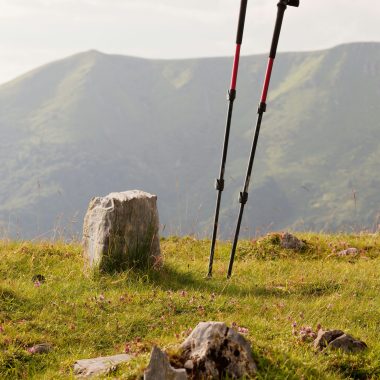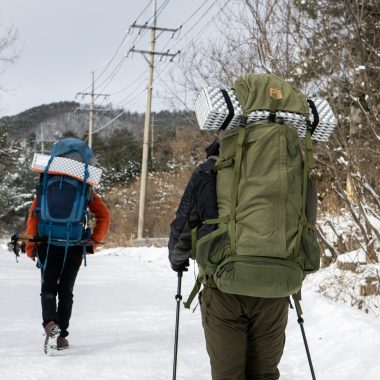
Trekking poles are one of those pieces of gear that invite your arms to the party, help you climb steeper ground, take pressure off your knees on descents, and even double as tent supports or clotheslines at camp. But when you see a telescoping stick priced at $19.99 next to one at $199.99, it is fair to wonder whether fiber trekking poles and other high end options are actually worth it. Spoiler: it depends on who you are and how you hike.

Why use trekking poles at all
Trekking poles do several simple things very well. They shift workload to your arms on steep climbs, reduce impact on knees during descents, improve balance on stream crossings and rough terrain, and add utility around camp. If you backpack regularly you will rarely catch me without them; on short local hikes it comes down to slope and preference.
What makes expensive poles more costly?
There are a few main features that drive price differences between budget and premium poles.
Materials
Most poles are either aluminum or carbon. Aluminum is cheaper and durable. Carbon is lighter but more expensive to produce. If you are specifically searching for the lightest option, you’ll be looking at fiber trekking poles often marketed as carbon fiber trekking poles. That lightweight construction is the single biggest reason prices climb.
Handles and straps
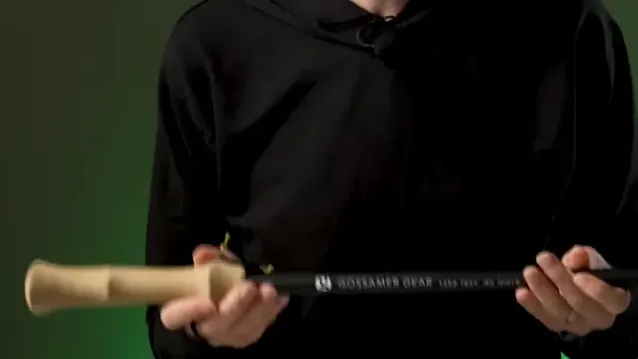
Handles come in plastic, foam or cork. Plastic is durable but can get slippery when wet and may encourage blisters. Cork and foam are more comfortable over long days. Straps range from minimal loops to padded wrist systems. If you use wrist straps correctly they transfer force efficiently and can reduce wrist fatigue. If you hate them, the extra cost for a padded system is wasted on you.
Design and compactness
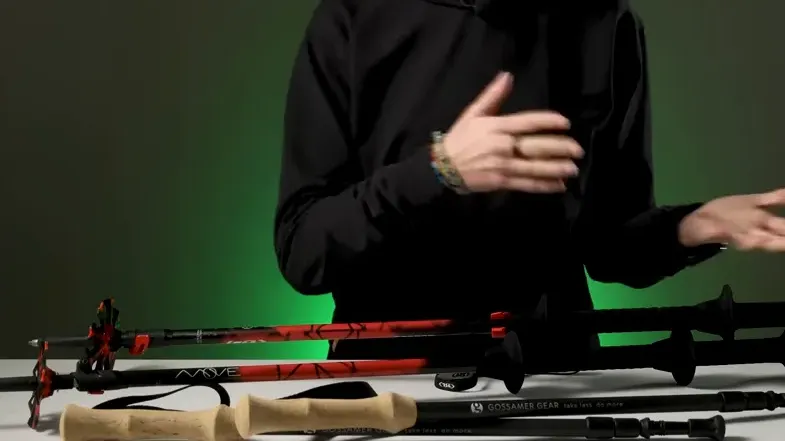
Design choices matter. Folding poles pack smaller than simple telescoping poles. High end fiber trekking poles usually collapse very compactly and have better locking mechanisms and warranties. Cheap telescoping poles can be heavier, too long to fit in carry on luggage if you travel, and may feature slippery handles and weaker locks.
When is it worth spending more?
It comes down to how you use them and what you can afford. Consider these scenarios:
- Frequent air travel If you fly with your gear often and want something compact that either fits in checked luggage without causing issues or packs down small for transport, pay more for a folding or highly compact pole.
- Ultralight or long distance treks If you are doing weeklong trips or multi month through hikes where poles spend a lot of time lashed to your pack, every ounce adds up. Lightweight fiber trekking poles reduce carried weight and add up to noticeable savings over long trips.
- Fastpacking and speed If seconds matter when setting up or breaking camp, higher end poles with quick deployment and reliable locks pay dividends.
- Comfort needs If you have weak wrists or need padded straps and ergonomic cork handles to avoid blisters, a nicer pair will keep you on the trail longer.
When cheap poles are perfectly fine
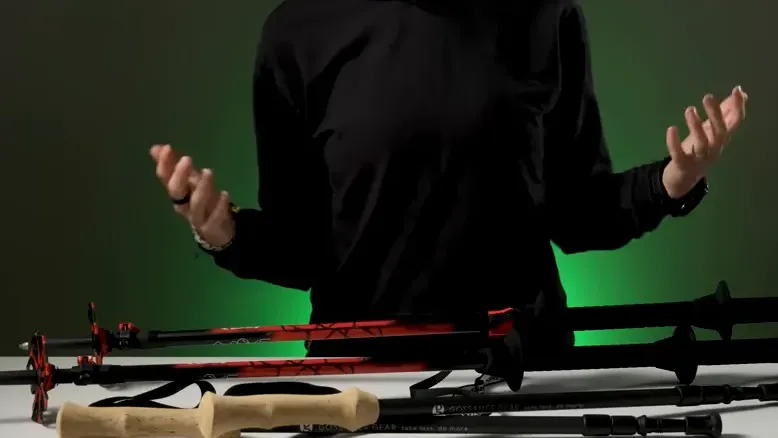
If you are on a budget, hike locally, or mostly use poles in your hands rather than strapped to your pack, inexpensive aluminum poles will do the job. I still use cheap aluminum poles bought years ago; they bent when someone tried to catch a fall in a creek and we simply bent them back into shape. Aluminum is forgiving and durable for general use.
Budget poles are heavier, may not pack as small, and often lack warranty coverage, but for many hikers they work well and last for years.
Practical advice for choosing poles
- Decide how you will carry them most of the time: in hand or strapped to pack. If strapped often, prioritize light weight and compact packing.
- Try different handle materials. If you blister easily or sweat a lot, avoid hard plastic.
- Consider locking mechanism preference. If you struggle with twist locks, a folding pole or lever lock might be easier.
- Think about warranty and brand support. Higher end models often include better warranties that can justify higher upfront cost.
- If money is tight, spend on the model that gives you the comfort you need rather than the lightest available option.
My verdict
Fiber trekking poles are worth it for hikers who need the lightest possible setup, travel frequently, or demand compact packing and smooth deployment. For casual day hikes and budget-conscious backpackers, a $25 aluminum pair will get you down the trail without drama. The best choice comes down to how and where you hike, your comfort needs, and what you are willing to spend to shave weight or gain convenience.
FAQ
Are fiber trekking poles significantly lighter than aluminum poles?
Yes. Carbon fiber poles commonly marketed as fiber trekking poles are notably lighter than aluminum options. That weight savings is most noticeable on long treks or when poles are carried on the pack rather than in hand.
Do expensive poles break more easily because they use carbon?
Carbon is strong but behaves differently than aluminum when stressed. Carbon fiber can be more brittle under a sharp bend, while aluminum bends and can often be straightened. High quality carbon poles are designed to perform reliably, but they can suffer catastrophic failure if misused.
Are cork handles worth the extra cost?
Many hikers find cork handles more comfortable and less likely to cause blisters than hard plastic. Cork also wicks sweat and conforms to the hand over time. If comfort is a priority, a pole with cork or foam is a worthwhile upgrade.
Can I check cheap poles when flying instead of buying expensive folding ones?
You can check full size poles, but many people avoid checking gear to reduce the risk of loss or damage. Folding or compact poles are more convenient for travel and reduce the need to check bags.
What should I choose for a multi day through hike?
For multi day or through hikes, fiber trekking poles are often the preferred option because they save weight and pack down small. Prioritize durability, reliable locking systems, and comfortable grips for long term use.
Final thoughts
Trekking poles are an inexpensive way to increase comfort and capability on the trail. If you want ultralight performance and compact packing, invest in fiber trekking poles. If you want reliable function on a budget, inexpensive aluminum poles will serve you well. Match the pole to your style of hiking and you will get the best value and performance for your money.