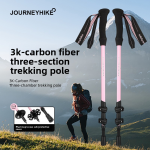
Quick answer: Security teams treat many walking aids and gear like potential weapons, so airport screening usually directs trekking equipment into checked bags.
Across U.S. and European travel, practices vary. The TSA commonly says hiking poles belong in checked luggage, and several airlines—like Iberia, Air France, Ryanair, EasyJet, and Vueling—explicitly require that step.
That rule exists because sharp tips or long shafts can pose a risk in the cabin. Officer discretion at checkpoints means one traveler may keep poles in carry-on while another is told to check them.
This article will walk through the security logic, compare airline and airport guidance, and give plain-English packing choices—safe ways to check gear, use a hard tube, or consider collapsible trekking poles to reduce hassle.
Key Takeaways
- Airport screening often treats trekking gear as prohibited items in carry-on luggage.
- TSA guidance and airline rules both matter; screening officers have final say.
- Collapsible trekking poles are easier to stow but usually still go in checked bags.
- Use a hard case or shipping to avoid damage and gate delays.
- Compare your airline’s policy before travel to prevent surprises at the checkpoint.
What this means for travelers today: a quick overview
Many travelers find that carrying long outdoor gear through security invites extra scrutiny and last-minute rechecks.
Reports vary: some people have gotten collapsible hiking poles through when fully disassembled and buried deep in a roller bag. Others were told to check them or face confiscation. The U.S. TSA advises checked bags for most trekking poles, and big European hubs like CDG and Madrid-Barajas often enforce that strictly.
Practical takeaway: assume your gear will need checked baggage to avoid delays and surprise fees. Budget carriers usually show less flexibility, so plan accordingly and allow extra time at the airport.
| Situation | Likely outcome | Quick tip |
|---|---|---|
| Major airport / budget airline | Must check or leave behind | Pack poles in baggage or ship ahead |
| Small airport / flexible officer | May pass if fully disassembled | Have a backup mailer or case ready |
| Carry-on only plan | High risk of last-minute check | Build extra time to resolve issues |
- Expect inconsistency: the same items can be treated differently at two checkpoints.
- If you need your trekking poles immediately at arrival, check them from the start to save time.
Why hiking poles get flagged at airports
Security teams look for anything that could harm people or be used as a weapon. Sharp tips, metal shafts, and certain designs make outdoor sticks stand out on x-rays and during bag checks. That triggers extra screening and often a requirement to move the item to checked baggage.
Potential weapon concerns and sharp tips
Exposed carbide tips and missing covers cause most problems. Metal points show as threats on scanners, and officers will treat them like prohibited items until proven safe.
Space, size, and stowage limits
Even when broken down, the size and rigid segments can make placement under a seat impossible. Overhead bins are tight and gear shoved into liners risks serious damage to shafts and locks.
Security screening delays and risk of damage overhead
Extra inspections slow lines and create stress for other travelers. Many airports (CDG, Madrid-Barajas, Santiago de Compostela) list these items as carry-on restricted, so the safest plan for your trip is to check them in a protected case.
“Officers remove or re-route anything that looks like it could become a hazard in flight.”
TSA regulations in the United States: what’s actually allowed
TSA guidance makes a clear practical split: trekking gear usually belongs in checked bags. This section summarizes the current U.S. stance so you can plan before you reach the checkpoint.
The current TSA stance on hiking/trekking poles in carry-on
The TSA treats most hiking poles as prohibited items in carry-on baggage. In practice, that means pack trekking poles in checked luggage to avoid delays or confiscation.
Some related items get different treatment. For example, a clean camp stove without fuel may pass, while fuel is banned. Tent stakes and walking sticks see inconsistent outcomes.
Officer discretion and why experiences differ
Screeners have latitude. An officer can deny permitted carry-on status if an item looks risky. That explains why some travelers report success with fully disassembled gear while others are told to check out.
- Plan for the norm: assume poles go in the hold.
- Remove sharp ends, cap tips, and bundle sections to reduce inspection issues.
- If your trip can’t absorb a surprise check, check the gear before you arrive at security.
“The officer’s call at the checkpoint determines whether you board with your gear or return it to the counter.”
Airline and airport policies compared: from Delta to European carriers
What a carrier posts online may not match the call a screening officer makes at the security line.
Delta notes that trekking poles are not classed as dangerous goods and may be allowed when properly packed. In practice, however, TSA guidance and checkpoint staff decide final outcomes. That means an airline statement can help, but it does not guarantee a carry-on pass.
European full-service carriers such as Iberia, Air France and Qantas state clearly that hiking poles must go in checked baggage. Budget airlines — Ryanair, EasyJet, and Vueling — enforce cabin rules strictly and offer few exceptions.
Airports can add another layer. CDG (Paris), Madrid-Barajas, and Santiago de Compostela publish policies directing travelers to check poles or face confiscation. That alignment across carriers and airports means a transfer can undo a previous leg’s outcome.
- Practical tip: follow the strictest rules on your route to avoid surprises.
- For multi-stop trips, check poles from the first segment to prevent refusal at transfer security.
- Email your airline ahead if you need clarity, but expect the checkpoint to have the final say.
| Carrier / Airport | Typical rule | What to expect |
|---|---|---|
| Delta (U.S.) | May allow if packed | Screening officer decision at checkpoint |
| Iberia / Air France / Qantas | Must be checked | Carry-on denied; pack in checked luggage |
| Ryanair / EasyJet / Vueling | Strict cabin rules | High chance of forced check or confiscation |
| CDG / Madrid-Barajas / Santiago | Airport policy: check required | Checkpoint enforcement; no cabin exceptions |
“If you must travel cabin-only, assume policy differences may stop your gear before boarding.”
Why are hiking poles not allowed on planes? Policy reality vs. traveler anecdotes
Checkpoint decisions come down to perceived risk and local screening rules, not just airline statements. That gap explains why accounts differ so much between airports and dates.
Collapsible trekking poles help with packing. They fold small and fit in a case. But compact size alone rarely changes screening outcomes. Most checkpoints still treat trekking poles as prohibited items for cabin carriage.
Some travelers report getting gear through when fully disassembled and hidden in carry-on luggage. Others had items seized or forced into checked bags. Reports from Heathrow and multiple U.S. airports show that local guidelines and officer discretion drive results.
- Collapsible trekking solves stowage, not policy; plan to check them.
- Comparators matter: umbrellas or walking sticks sometimes pass; fishing poles may be allowed by some carriers.
- Treat success stories as exceptions — expect to avoid last-minute delays by putting poles in the hold.
“If you want zero friction, pack your gear for checked baggage from the start.”
Best ways to get your poles to your destination without trouble
Plan early and protect gear. The most reliable approach is to assume your trekking poles must checked and pack accordingly. That reduces stress at the checkpoint and helps you avoid last-minute fees or damage.
Pack in checked baggage
Disassemble, cap tips, and nest poles in the center of a suitcase. Wrap sections in clothing so the shafts sit away from the shell. For fragile locks, use a hard-sided case or a rigid tube inside your bag.
Ship poles ahead
If you need to travel carry-on only, many hikers choose to ship poles to their hotel. Ship poles in a sturdy mailing tube and confirm the property will hold the parcel until your arrival. Allow extra time for cross-border customs.
Buy, rent, or donate locally
On popular routes you can often rent or buy inexpensive trekking poles. This avoids airport hassles and saves time. If you replace gear, consider donating used items to local shelters or pilgrim houses.
Use buses and trains when possible
For intra-Europe legs, buses and trains let you carry poles without security screening. This is a practical, low-stress way to move gear door-to-door and often faster than waiting at an airport.
“Treating poles as fragile sporting equipment and planning a backup—shipping or renting—keeps your trip on track.”
- Quick checklist: disassemble, cover tips, bundle, and place in the middle of your checked bag.
- Weigh the cost of a checked bag versus round-trip shipping before you decide.
- Carry a small repair kit and extra tip protectors to save time if re-packing is needed at the counter.
Packing tips to avoid damage and delays
Smart packing makes the difference between a smooth checkpoint and a frantic repack. Use the steps below to protect gear and save time when you check a bag.
Disassemble, cover sharp ends, and cushion with clothing
Break down items into the smallest sections possible. Fully disassemble and secure sections together so nothing shifts inside the bag.
Cap all sharp ends to prevent punctures to your luggage and other items. Bright tip protectors help screeners see capped tips quickly.
Cushion shafts with jackets, fleece, or padded packing cubes so impacts don’t travel into locking collars or carbon sections.
Label your checked bag and allow extra time at the airport
Place poles in the center of the suitcase to balance weight and reduce torque on locks. A hard-sided case or internal rigid sleeve adds protection against crushing damage.
Label checked baggage inside and out with your mobile number and email. Arrive early so you have time to re-pack if security flags an item.
“Disassemble, cap, bundle, cushion, label — a short checklist keeps damage and delays to a minimum.”
- Separate multiple sets so one damaged bundle doesn’t ruin all items.
- Collapsible gear fits more easily in packed checked luggage, but still plan for the hold.
- Keep a small repair kit and extra protectors in your carry-on for quick fixes after arrival.
| Packing method | Protection level | Best use |
|---|---|---|
| Hard-sided case with foam sleeve | High | Fragile carbon shafts or expensive trekking poles |
| Soft suitcase + rigid tube insert | Medium | Good balance for checked baggage on budget fares |
| Clothing wrap + tip protectors | Low–Medium | Short trips or backup poles; fast and light |
Conclusion
Start planning as if your trekking gear will need checked baggage. , This simple mindset cuts stress at security.
Across TSA guidance, major airports, and many airlines, the practical outcome is clear: trekking poles usually belong in checked luggage or a checked bag. Expect some checkpoints to send items to the hold or have poles confiscated if packed improperly.
Bottom line: pack for the hold, protect shafts in a padded case, or ship gear ahead. If you prefer cabin-only travel, rent or buy locally and review each carrier’s guidelines before departure to avoid last-minute baggage headaches.
FAQ
Why are hiking poles sometimes prohibited from the cabin?
Security teams often flag trekking gear because sharp tips can be used as weapons and long items take up cabin space. Screening officers also aim to prevent delays and damage to overhead bins, so many airlines prefer these items in checked luggage.
What does this mean for travelers today?
Expect variable enforcement. Some airports or carriers accept collapsible poles in a carry-on if fully retracted, while others insist on checked baggage. Always check your airline’s rules before you fly to avoid confiscation at the gate.
Why do security officers worry about sharp tips and weapon potential?
Tips concentrate force and can cause injury. Even if you use poles for trekking or Nordic walking, screening protocols treat objects with pointed ends cautiously to keep the cabin safe for everyone.
How do size and stowage concerns affect pole decisions?
Poles can block aisles and won’t fit neatly in overhead bins unless collapsed. Carriers limit carry-on size to ensure quick boarding and deplaning; long items often violate those limits and get moved to checked luggage.
Could bringing poles in carry-on cause security screening delays or damage?
Yes. Additional inspection or manual searches slow the line. Poles with exposed tips can also scratch interiors or other bags during stowage, prompting staff to request they be checked instead.
What does the TSA say about trekking poles?
The Transportation Security Administration generally allows walking sticks and umbrellas in carry-on, but trekking poles with metal tips are frequently flagged. Officer discretion plays a role, so policies are not uniformly applied at every checkpoint.
Why do passenger experiences with TSA differ so much?
Individual officers assess risk case by case. Factors include pole design, whether tips are covered, current threat levels, and local procedures. That variability leads to mixed outcomes for travelers.
How do major airlines handle poles compared to TSA guidance?
Airlines set their own cabin rules that can be stricter than TSA. Delta, for example, may allow collapsible poles if stowed properly, while other carriers require checking them. Always confirm with your specific airline before flying.
Do European and budget carriers require poles to be checked?
Many European and low-cost airlines—Ryanair, EasyJet, Vueling, and some national carriers like Iberia—tend to insist poles go in checked baggage. This reduces risk and avoids cabin space conflicts on crowded flights.
Are there notable airport security examples of strict enforcement?
Airports such as Paris CDG and Madrid-Barajas have reported stricter gate checks for sporting equipment. Regional airports may also enforce local rules tightly, so check airport advisories when planning travel.
Can collapsible trekking poles be carried on if compacted?
Collapsible poles help but don’t guarantee acceptance. Even fully collapsed poles can be denied if an officer deems them a security or space issue. When in doubt, pack them in checked luggage.
What similar items are allowed or banned compared to poles?
Walking sticks and umbrellas often pass as carry-on items, while fishing rods and ski poles are typically checked. Rules hinge on length, rigidity, and tip design rather than the activity they’re used for.
What’s the best method to get poles to my destination safely?
Pack poles in checked baggage in a hard-sided case or wrap tips and shafts with heavy padding. Shipping them ahead in a sturdy tube or renting/buying gear at your destination are good alternatives to avoid airport hassles.
How should I prepare poles for checked luggage to prevent damage?
Disassemble if possible, cover sharp ends with rubber tips or tape, and cushion shafts with clothing. Place them in the center of a suitcase and use a hard case for long trips or valuable carbon-fiber poles.
Is it better to ship poles or rent at the destination?
Shipping provides certainty but costs more and adds lead time. Renting or buying locally saves travel stress and avoids baggage fees. For short trips, local rental or purchase can be the easiest solution.
Any final tips to avoid delays at the airport?
Label poles clearly, allow extra time at check-in, and verify both the airline and departure airport policies. If you must gate-check, protect tips and let gate agents know the item needs careful handling.