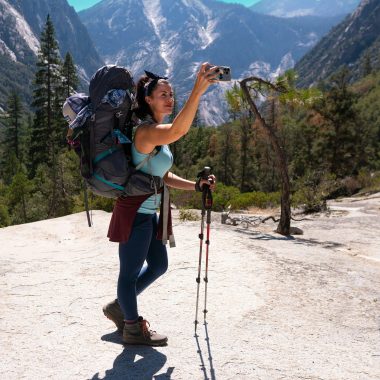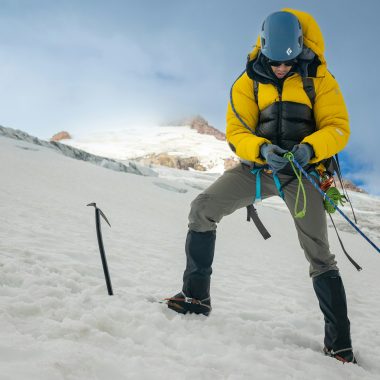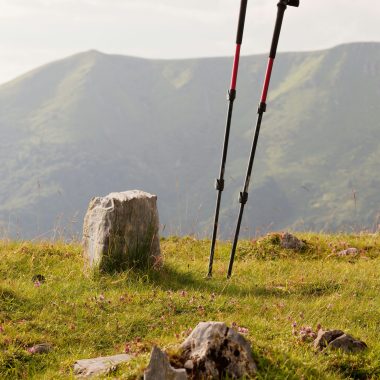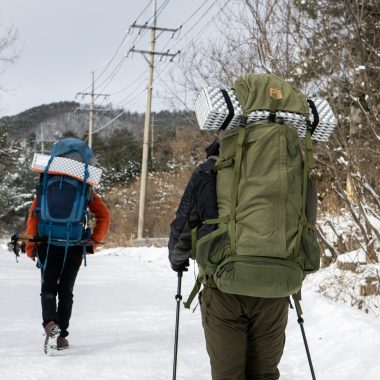
Choosing the right hiking equipment significantly impacts your outdoor adventures. The construction of your support gear plays a crucial role in performance and safety.
Modern trekking poles have evolved far beyond simple sticks. They are now sophisticated tools engineered with advanced composites and metals. Understanding the properties of these components is essential before making a purchase.
High-quality poles enhance your hiking experience by providing exceptional stability. They transfer workload to your upper body, reducing strain on your knees and legs. This can make long-distance journeys more efficient and safer.
This guide will explore the critical differences between popular options like carbon fiber and aluminum. We will help you make an informed decision based on your specific needs and terrain.
Companies like FiTiFT design professional-grade gear to meet various outdoor demands. Their expertise ensures you receive reliable equipment for any trail.
Key Takeaways
- Your choice of trekking pole material directly affects hiking performance and safety.
- Modern poles are advanced gear, not just simple walking aids.
- Using poles properly can reduce impact on joints and improve endurance.
- Understanding material properties is key before investing in equipment.
- This guide compares carbon fiber and aluminum to help you decide.
- Quality brands like FiTiFT offer poles designed for diverse outdoor needs.
- Poles provide stability and can make long-distance hiking more efficient.
Introduction to FiTiFT’s High-Quality Outdoor Gear
Reliable outdoor equipment forms the foundation of every successful adventure. FiTiFT stands as a professional provider committed to delivering high-quality gear for diverse needs. Their philosophy centers on creating tested equipment for hiking, camping, and backpacking.
An Overview of FiTiFT’s Product Line
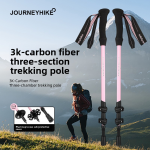
FiTiFT offers a comprehensive range of outdoor products. The 3K Carbon Fiber Trekking Poles provide serious hikers with performance and reliability. These poles are a core part of their specialized gear lineup.
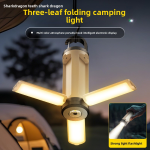
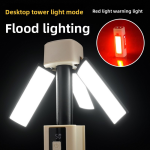
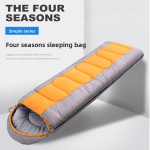
Complementary items ensure a complete kit for any excursion. The Compass Survival Whistle enhances safety during wilderness use. All-season sleeping bags and multifunctional flashlights address critical camping needs.
For outdoor cooking, the stainless steel wood stove offers a smokeless solution. Each product is designed with a focus on practical application and durability.
Why Quality Gear Matters for Outdoor Enthusiasts
Superior materials and engineering directly enhance your experience. Quality gear ensures durability when facing challenging conditions. This reliability increases your safety margins on difficult hikes.
Investing in reputable brands like FiTiFT reduces equipment failure risks. Properly designed trekking poles and other outdoor tools make adventures more efficient and enjoyable. Your confidence grows when your gear is built to last.
Understanding Trekking Pole Designs
Modern hiking assistance tools come in distinct structural configurations that serve different purposes. Each design offers unique benefits for various outdoor scenarios.
Telescoping, Folding, and Fixed Options
Telescoping poles feature extendable sections that lock into place. They represent the most common and durable design available. These tools adjust easily for changing terrain conditions.
Folding models collapse into compact bundles like tent poles. They offer superior packability for storage and transport. Their lightweight construction appeals to fast-moving hikers.
Fixed-length poles provide simplicity and minimal weight. They lack adjustment capabilities but maximize durability. This option suits ultralight enthusiasts prioritizing weight savings.
| Design Type | Key Features | Ideal Use Cases |
|---|---|---|
| Telescoping | Adjustable length, lever/twist locks, 2-3 sections | General hiking, backpacking, variable terrain |
| Folding | Compact storage, lightweight, connected segments | Trail running, climbing, travel-friendly packing |
| Fixed | Minimal weight, simple construction, no moving parts | Ultralight hiking, known trail conditions |
When to Choose Each Design
Select telescoping poles for versatile adjustability during extended trips. They handle diverse landscapes effectively. Backpackers appreciate their reliable performance.
Choose folding designs when compact storage matters most. Through-hikers and travelers benefit from their space efficiency. They excel in technical terrain transitions.
Fixed poles work best for weight-conscious adventurers on predictable routes. Their simplicity reduces failure points. Consider this option for specialized lightweight setups.
Features that Define a Great Trekking Pole
Exceptional trekking equipment balances lightweight design with robust durability for optimal performance. Multiple integrated components work together to create reliable hiking support tools.
Essential Components Overview
Shaft composition forms the foundation of pole quality, directly influencing weight and strength characteristics. Different materials offer varying performance benefits across hiking conditions.
Grip design serves as the primary contact point between user and equipment. Ergonomic shapes with quality materials reduce hand fatigue during extended use.
Reliable locking mechanisms prevent unexpected collapse on challenging terrain. These safety features ensure confidence during steep ascents and descents.
Wrist strap construction efficiently transfers pressure from hands to wrists. This distribution enables more sustainable energy usage over long distances.
Interchangeable basket systems adapt to different ground conditions. Standard hiking baskets and wider snow baskets provide terrain-specific functionality.
Adjustability ranges accommodate various user heights and shelter setups. This versatility makes single pole sets suitable for diverse applications.
Construction quality determines long-term reliability through joint strength and component integration. Attention to manufacturing details extends equipment lifespan significantly.
Superior hiking poles balance multiple essential features rather than excelling in just one area. This comprehensive approach creates versatile tools for diverse outdoor scenarios.
What is the Best Material for Trekking Poles?
Two primary materials dominate modern trekking pole construction: carbon fiber and aluminum alloys. This choice represents a fundamental trade-off between lightweight performance and rugged durability.
Carbon Fiber vs. Aluminum: A Comparative Analysis
Carbon fiber poles offer significant weight reduction, often weighing 3+ ounces less per pair than aluminum equivalents. This lightweight construction reduces arm fatigue during long hikes.
Superior stiffness provides better energy transfer with each pole plant. However, carbon fiber comes with higher costs and brittleness under extreme stress.
Aluminum options deliver exceptional impact resistance at lower price points. They can bend rather than snap when overloaded, making them ideal for rough terrain.
The Black Diamond Distance series demonstrates this trade-off clearly. Aluminum FLZ poles cost $140 weighing 15.7 ounces, while Carbon FLZ models cost $190 at just 12.7 ounces.
| Property | Carbon Fiber | Aluminum |
|---|---|---|
| Weight (pair) | 12-14 ounces | 15-18 ounces |
| Durability | Brittle, may snap | Bends under stress |
| Cost Range | $160-$220 | $100-$160 |
| Best For | Weight-conscious hikers | Budget-focused users |
Choose carbon fiber construction for ultralight performance and maximum energy efficiency. FiTiFT’s 3K Carbon Fiber Trekking Poles represent premium options in this category.
Select aluminum for rocky terrain, beginner use, or when prioritizing durability over weight savings. Your final decision depends on personal hiking priorities and terrain demands.
Durability and Weight Considerations
Every ounce saved in trekking pole design represents a calculated trade-off between fatigue reduction and durability. This balance directly influences hiking performance across different terrain types and trip durations.
Impact on Performance during Extended Hikes
Weight differences of just a few ounces create significant impacts on fatigue levels. During long-mileage days, hikers lift their poles thousands of times. Each ounce multiplies into substantial energy expenditure over time.
Lighter poles dramatically reduce cumulative arm strain. The REI Traverse Power Lock aluminum poles weigh 19.5 ounces per pair. Meanwhile, fixed-length Black Diamond Distance Carbon poles tip the scales at just 6.8 ounces.
Most adventurers find optimal balance in mid-weight options ranging from 14-17 ounces. Multi-day hikes particularly benefit from lighter construction that minimizes repetitive strain.
Testing Metrics and Field Results
Manufacturers evaluate pole performance through rigorous testing protocols. These include measured weight per pair, swing weight feel, and impact resistance on rocky terrain. Longevity under repeated stress cycles provides critical durability data.
Field testing reveals that shaft thickness directly affects durability profiles. Thicker aluminum shafts offer superior weight-bearing capacity for heavy backpacking loads. Thinner carbon fiber options provide minimal weight but require careful handling.
Fast-and-light enthusiasts typically prioritize weight savings, accepting durability trade-offs. Heavy-load backpackers often choose robust construction despite added ounces. Your personal hiking style determines the ideal weight-to-durability ratio.
Grip Materials and Ergonomics
Your hand’s connection to trekking poles determines comfort and control throughout your hike. The right grip material prevents fatigue and blisters during long-distance adventures.
Cork, Foam, and Rubber: Pros and Cons
Cork stands out as the premium choice for serious hikers. This natural material wicks moisture effectively while molding to your hand shape over time. It provides excellent shock absorption and becomes increasingly comfortable with use.
Foam grip options offer soft texture and decent vibration dampening. However, foam absorbs sweat rather than wicking it away. This can lead to saturated handles during strenuous hiking conditions.
Rubber handles excel in wet or cold weather by shedding moisture effectively. They typically appear on budget-friendly models. Rubber may cause chafing during warm-weather excursions despite its durability.
Ergonomic designs featuring 15-degree angles match natural hand positions. Proper wrist straps transfer pressure from hands to wrists. This reduces grip fatigue and improves power transfer.
For multi-day trips, cork consistently delivers superior comfort. Foam works well for moderate climates when budget matters. Reserve rubber primarily for winter applications where moisture resistance proves critical.
Adjustability and Locking Mechanisms
The reliability of your trekking poles’ locking system can make or break a challenging hike. These mechanisms ensure your pole sections stay securely extended, providing confidence on steep or uneven ground. A failure here compromises safety and stability.
Lever, Twist, and Advanced Locking Systems
Twist lock mechanisms operate by rotating a collar to tighten an internal expander. This traditional design can jam if overtightened or loosen during use. Many modern hikers prefer lever locks for their superior reliability.
Lever locks, like Black Diamond’s FlickLock, use an external cam. They offer visual confirmation of engagement and are easy to operate with gloves. This makes them ideal for wet or cold conditions where quick adjustability is crucial.
Advanced systems like DuoLock or Super Lock provide enhanced security. They build upon the core principles of lever locking for maximum performance.
| Lock Type | Primary Advantage | Common Drawback |
|---|---|---|
| Twist Lock | Simple, low-profile design | Prone to slipping or jamming |
| Lever Lock | Quick, reliable adjustment | Slightly bulkier mechanism |
| Advanced Lock | Enhanced security and durability | Often found on premium poles |
A generous adjustability range (often 20+ inches) adds versatility. It accommodates different user heights and terrain needs. Always test the locking action before buying your poles.
Ensure the mechanisms engage firmly without slippage. For most hikers, lever-based systems offer the best balance of ease and security.
Finding the Right Length and Fit
Optimal pole sizing ensures natural arm positioning and effective energy transfer. Correct length prevents awkward reaching or cramped movement patterns during extended excursions.
How to Measure for Optimal Pole Height
Stand upright with your arm relaxed at your side. Bend your elbow to a 90-degree angle, then measure from your hand to the ground. This measurement provides your baseline pole height.
Standard sizing recommendations include: under 5’1″ requires 100cm poles, 5’1″-5’7″ suits 110cm, 5’8″-5’11” needs 120cm, and 6’+ benefits from 130cm models. Consider this a starting point rather than absolute rule.
Adjustability Ranges for Various Terrains
Steep uphill sections benefit from shorter settings, typically 2-4 inches below standard length. This improves leverage and reduces arm strain during ascents.
For downhill hiking, extend your pole 2-3 inches longer. This extra reach significantly reduces knee impact by allowing arms to absorb more shock. Proper adjustability accommodates changing terrain conditions.
Poles offering 15-20 inches of adjustment provide maximum versatility. They adapt to multiple terrain types and can be shared among hikers with different heights. This flexibility ensures optimal fit across diverse outdoor scenarios.
Portability and Packed Size for Travel
When journeying to distant trails, the collapsed dimensions of trekking equipment become a critical consideration. Packed size refers to the shortest length achievable when poles are fully compressed. This specification matters greatly for adventurers with limited storage space.
Different pole designs offer varying compactness. Folding models collapse to just 14-16 inches, making them highly portable. Three-section telescoping poles compress to 24-26 inches, while two-section versions remain longer at 28-32 inches.
Compact poles serve specific user groups effectively. International travelers appreciate gear that fits easily in luggage. Trail runners value equipment that stores in vest pockets during technical sections. Climbers benefit from poles that attach securely to backpacks.
Folding designs excel for travel scenarios. Models like Black Diamond Distance Z collapse to 16 inches, fitting comfortably in checked bags. They attach to backpack sides without awkward protrusion and store efficiently in vehicles.
Telescoping poles present limitations for air travel. Even three-section designs exceed carry-on dimensions. They prove cumbersome when attached externally during non-hiking segments of journeys.
TSA regulations prohibit trekking poles in carry-on luggage. Some travelers report success packing disassembled poles diagonally in larger bags. The safer approach involves checking bags or shipping equipment ahead.
Highly compact poles enable “just-in-case” packing strategies. Minimal space commitment reduces difficult packing decisions. Frequent travelers should strongly consider folding designs despite typically higher costs.
Balancing Budget and Performance
Smart financial decisions in hiking gear selection can dramatically enhance outdoor experiences without breaking the bank. Finding the right balance between cost and functionality ensures you get maximum value from your investment.
Review of Value-Focused Trekking Poles
The Black Diamond Distance Z aluminum poles represent outstanding value at around $150 per pair. These lightweight poles weigh just two ounces more than their carbon fiber counterparts but cost $50 less.
For hikers on a tight budget, the Trekology Trek-Z 2.0 offers foldable three-section design at an unbeatable price. This option makes advanced pole technology accessible to entry-level enthusiasts.
The hiking pole market has evolved significantly. Compact folding designs once commanded premium prices but now appear in affordable models. The Black Diamond Pursuit at $170 delivers excellent performance at a reasonable price point.
Consider these budget-friendly strategies when selecting your next pair of poles:
- Purchase previous-year models at discounted prices
- Choose aluminum over carbon when weight difference is minimal
- Focus on essential features rather than premium add-ons
Expensive trekking poles don’t guarantee superior experiences. Proper fit and reliable construction matter more than premium price tags for most outdoor adventures.
Using Trekking Poles in Diverse Terrains
Terrain-specific adjustments transform trekking poles from basic supports into specialized tools. Different landscapes demand unique configurations for optimal performance and safety.
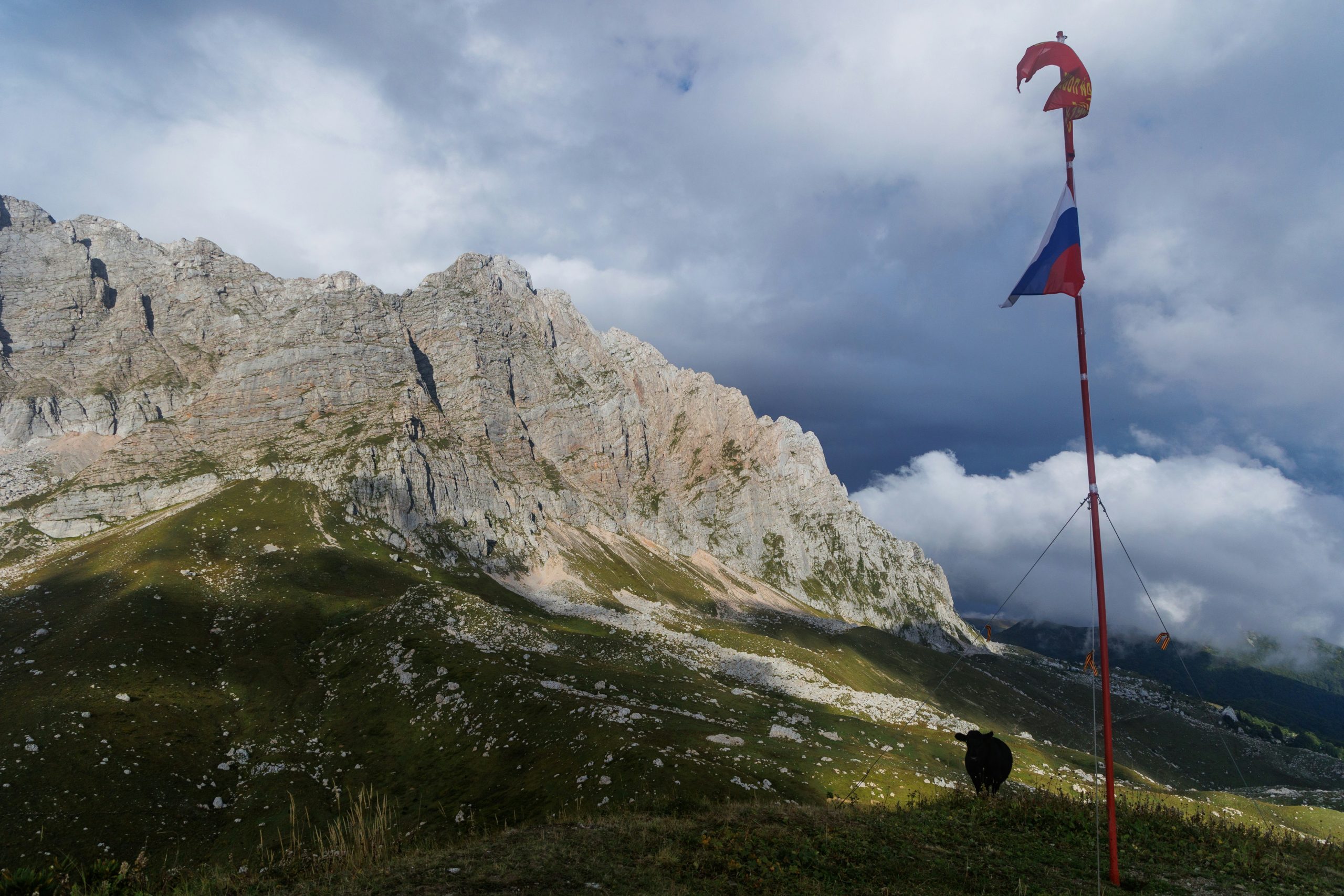
Rocky Trails, Snowy Paths, and Mixed Conditions
Rocky trails require metal carbide tips for secure grip on granite surfaces. Rubber tip protectors prevent trail damage and reduce noise on solid rock sections.
Snowy conditions demand wide powder baskets measuring 3-4 inches in diameter. These prevent poles from plunging through deep snowpack, maintaining surface contact.
Aluminum construction proves ideal for winter use during snowshoeing and ski touring. The added durability handles forceful push-offs better than lighter alternatives.
Rubber grips perform well in cold weather when wearing insulated gloves. Their moisture-shedding properties maintain functionality in wet conditions.
| Terrain Type | Essential Features | Recommended Adjustments |
|---|---|---|
| Rocky Trails | Carbide tips, removable baskets | Shorten poles for uphill sections |
| Snowy Paths | Powder baskets, aluminum shafts | Lengthen for deep snow stability |
| Mixed Conditions | Interchangeable basket systems | Carry multiple basket types |
Remove baskets entirely on narrow, technical terrain where they catch on obstacles. This provides better precision for placement between rocks and boulders.
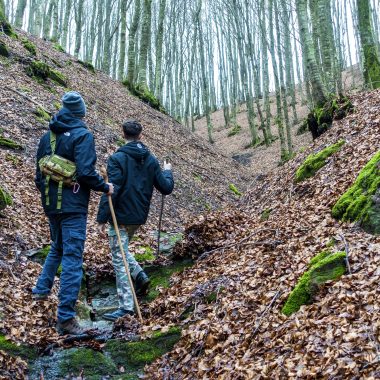
Poles offer crucial stability on uneven surfaces like boulder fields and loose scree. The additional contact points reduce ankle-twisting risks significantly.
Carry both standard and powder baskets for variable climate adventures. This ensures proper equipment for spontaneous terrain changes during multi-day trips.
Comparing Top Trekking Pole Models
Field testing reveals critical differences between leading trekking pole manufacturers. Comprehensive evaluations help identify standout options across various price points and performance categories.
Insights from Expert Testing and Reviews
Professional assessments highlight how top models balance weight, durability, and features. The MSR DynaLock Ascent Carbon earns praise as an exceptional all-around choice.
This carbon fiber model weighs 15.7 ounces per pair and collapses to just 14.5 inches. Its versatile design suits diverse hiking conditions perfectly.
Highlighting MSR, Leki, and Black Diamond Models
Leki’s Cressida FX Carbon offers women-specific ergonomics with soft cork grips. At 16.4 ounces, it provides premium performance for $230.
Black Diamond dominates the market with multiple winning options. The Distance Z aluminum poles deliver outstanding value at 11.9 ounces for $150.
| Model | Weight (oz/pair) | Price | Key Feature |
|---|---|---|---|
| MSR DynaLock Ascent Carbon | 15.7 | $190 | Best overall performance |
| Leki Cressida FX Carbon | 16.4 | $230 | Women-specific design |
| Black Diamond Distance Z | 11.9 | $150 | Ultralight value |
| Black Diamond Pursuit | 19.0 | $170 | Excellent adjustability |
| Black Diamond Trail Back | 18.25 | $100 | Maximum durability |
These aluminum poles from Black Diamond demonstrate the brand’s understanding of diverse needs. The Pursuit model offers reliable lever locks and extensive adjustment range.
For heavy-use scenarios, the Trail Back provides bombproof construction at an accessible price. Each model serves distinct hiking preferences effectively.
Maintenance and Care Tips for Longevity
Consistent upkeep transforms quality trekking poles into lifelong hiking companions. Proper maintenance ensures your gear investment pays dividends through years of reliable performance. This care directly impacts equipment durability when you need stability most.
Cleaning and Storage Best Practices
After each hike, wipe down pole shafts to remove abrasive dirt and grit. Rinse locking mechanisms if exposed to mud or sand. Dry grips thoroughly to prevent mold growth and maintain comfort.
Perform deep cleaning periodically by disassembling telescoping sections. Clean internal expanders and shaft interiors to prevent locking failures. Remove accumulated debris that compromises mechanism function over time.
For folding models, inspect shock cord tension regularly. Replace worn cords before complete failure occurs. Ensure section connectors remain secure without excessive play during use.
Storage practices significantly affect long-term durability. Keep poles in dry locations away from extreme temperatures. Store telescoping poles slightly loosened to prevent expander compression damage.
Inspect carbide tips for excessive wear before metal core exposure. Use rubber tip protectors during transport to prevent dulling. Replace worn tips to maintain trail grip security.
Understand your specific locking system thoroughly. Practice operation under various conditions you encounter. Apply manufacturer-recommended lubricant if specified for optimal performance.
After winter hiking, thoroughly dry all components from snow exposure. Remove ice buildup from locking mechanisms promptly. Inspect for moisture-related corrosion before long-term storage.
Conduct pre-trip inspections testing mechanisms under body weight. Verify adjustment ranges function smoothly. Check basket security and grip integrity before extended adventures.
Investing 15-20 minutes monthly in maintenance prevents expensive replacements. This small time commitment ensures your poles remain trustworthy companions for countless trails ahead.
Conclusion
Your final decision on trekking pole material should reflect your personal hiking style and terrain demands. Both carbon fiber and aluminum offer distinct advantages for different outdoor enthusiasts.
Carbon fiber represents the premium choice for weight-conscious hikers and trail runners. These poles deliver maximum performance with minimal weight impact. Aluminum remains practical for budget-focused buyers and heavy-load backpacking scenarios.
Quality trekking poles provide transformative benefits during any hike. They reduce up to 20% of body weight impact per step, protecting knees and improving balance. This energy transfer to your upper body makes long-distance journeys more sustainable.
The ideal pair of trekking poles balances material quality with proper design features. Consider grip comfort, locking mechanisms, and length adjustment alongside construction material. For serious outdoor enthusiasts, FiTiFT’s 3K Carbon Fiber Trekking Poles offer exemplary premium performance.
Armed with comprehensive material knowledge, you can confidently select poles matching your adventure needs. Proper research ensures years of enhanced hiking enjoyment and trail confidence.
FAQ
What is the main difference between carbon fiber and aluminum trekking poles?
The primary distinction lies in weight and durability. Carbon fiber poles are significantly lighter, reducing arm fatigue on long hikes, but they can be more brittle and may snap under extreme lateral stress. Aluminum poles are heavier yet offer superior durability, often bending instead of breaking, which makes them a reliable choice for rough terrain and backpacking with heavy loads.
How do I choose the correct length for my trekking poles?
For optimal height and comfort, your elbow should form a 90-degree angle when holding the pole grip with the tip on the ground. Most adjustable trekking poles have a wide range. Use a shorter length for uphill sections and a longer one for downhill to maintain balance and reduce strain on your knees.
Are cork or foam grips better for hiking?
Both materials have advantages. Cork grips mold to your hand over time, offering excellent comfort and moisture-wicking properties, which is ideal for multi-day trips. Foam grips are soft, absorb sweat well, and provide great cushioning, making them a popular choice for many hikers seeking to minimize fatigue.
What type of locking mechanism is most reliable?
External lever locks are generally considered the most reliable and easiest to adjust, even with cold or wet hands. Twist locks can be more compact but may require more maintenance to prevent slipping. High-end models from brands like Black Diamond often feature advanced systems that combine security with easy use.
Can trekking poles really help save my knees?
Absolutely. Using a pair of trekking poles improves stability and balance, transferring some of the impact from your lower body to your arms and shoulders. This reduces the load on your knees and joints, especially during descents on uneven terrain, which can help prevent pain and injury over time.
Are folding poles a good option for travel and backpacking?
Yes, folding poles are excellent for portability. They collapse into a very small packed size, easily fitting inside a backpack for air travel or storage. They are a top choice for ultralight enthusiasts and anyone who values a compact gear setup without sacrificing on-trail performance.