Outdoor enthusiasts often encounter confusing terminology when planning their wilderness adventures. The terms hiking, backpacking, and trekking appear frequently online, sometimes used interchangeably. This creates uncertainty for people wanting to explore nature through walking activities.
While these pursuits share the common goal of outdoor exploration, they have distinct characteristics that matter for planning. Understanding the differences helps adventurers choose activities matching their fitness level, time commitment, and desired experience. The terminology can seem unnecessarily complex across different sources and regions.
This comprehensive guide will clarify the distinctions and similarities between these popular outdoor pursuits. We will explore definitions, gear requirements, duration, terrain considerations, and regional variations. Regardless of specific labels, all these activities offer valuable opportunities to challenge oneself physically and mentally while experiencing natural beauty.
Key Takeaways
- Outdoor terminology often causes confusion for adventure seekers
- Hiking, backpacking, and trekking share core goals but differ in execution
- Understanding distinctions helps match activities to personal preferences
- Proper planning requires knowledge of gear, duration, and terrain differences
- All these wilderness activities provide physical and mental challenges
- Regional variations can influence how terms are used
- Choosing the right activity enhances the overall nature experience
Introduction to Outdoor Adventures
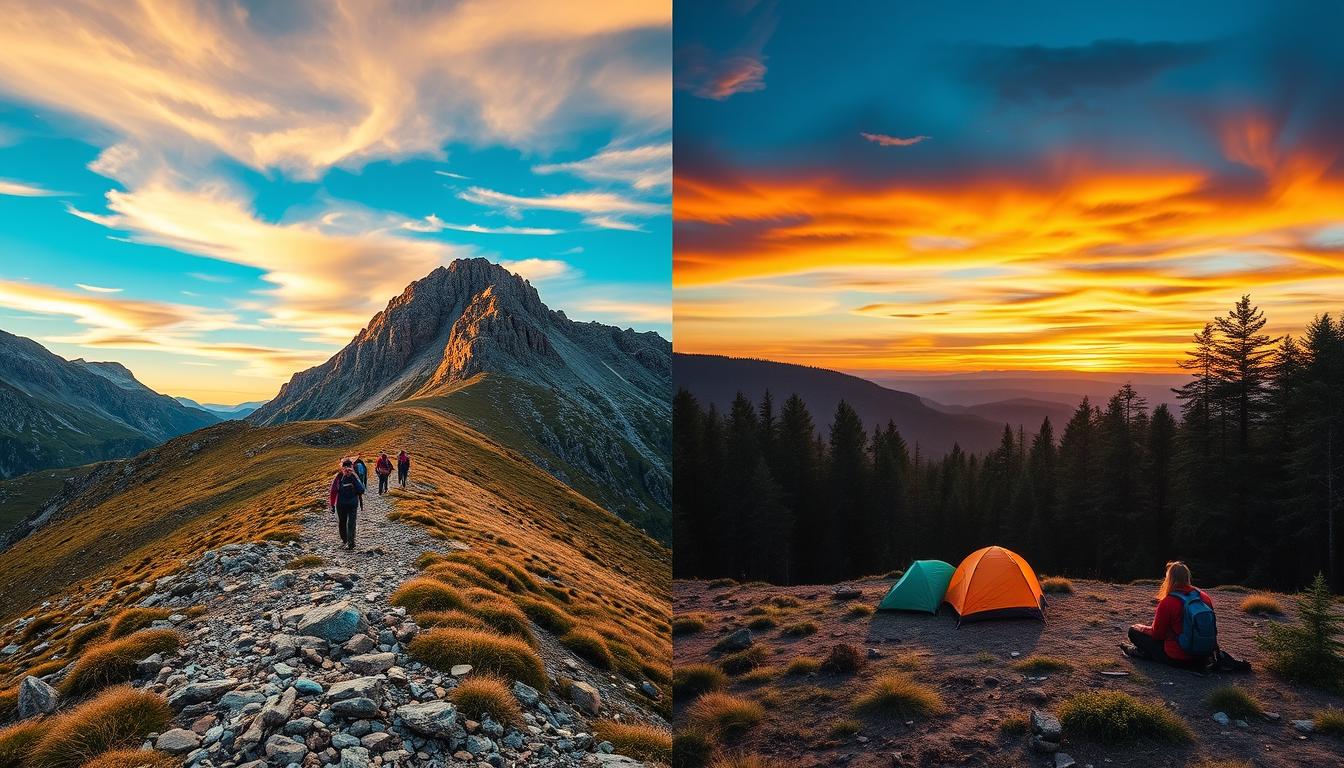
Modern life’s fast pace has fueled a significant surge in interest for wilderness exploration. People increasingly seek to unplug from busy schedules and reconnect with the natural world. This trend encompasses a wide spectrum of outdoor activities, from simple day trips to demanding multi-day expeditions.
Understanding the Popularity of Outdoor Activities
These pursuits offer unique experiences for exercise, stress relief, and adventure. They provide opportunities for solitude and self-discovery that urban environments cannot replicate. Walking on scenic trails allows for a deep connection with beautiful landscapes.
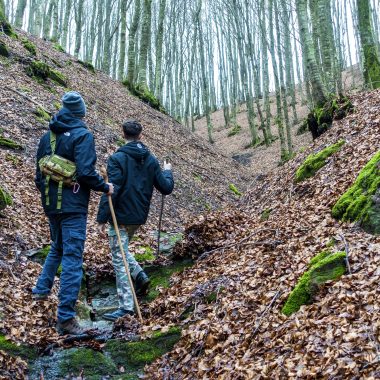
Hiking serves as the foundational activity in this category. It covers all forms of walking in natural settings. This includes easy nature walks and challenging mountain hikes.
Overview of Hiking, Trekking, and Backpacking
For those seeking greater challenges, trekking involves longer distances and more rugged terrain. It demands considerable physical and mental commitment. Meanwhile, backpacking represents the pinnacle of self-sufficient adventure.
Participants carry all necessary gear for survival over multiple days. These activities attract a diverse range of people, from beginners to experts. Understanding the differences helps individuals choose adventures matching their fitness and interests.
Defining Hiking, Trekking, and Backpacking
Accurate classification of walking adventures helps enthusiasts select appropriate experiences. Clear definitions prevent confusion when planning outdoor excursions.
What is Hiking? A General Overview
Hiking serves as the broadest term for walking in natural settings. Dictionary definitions describe it as “a long walk especially for pleasure or exercise.” This activity covers everything from gentle nature walks to challenging mountain journeys.
Most hikes follow marked trails through accessible terrain. Day hiking refers to completing an outing within one day, returning to the starting point without overnight gear. This makes it ideal for beginners exploring local wilderness areas.
Exploring the Concepts of Trekking and Backpacking
Trekking represents a more demanding form of walking adventure. It typically involves longer distances through challenging landscapes like mountains or forests. These journeys often span multiple days and require greater physical preparation.
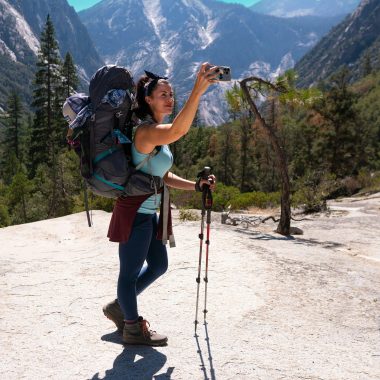
Backpacking centers on self-sufficiency in remote areas. Participants carry all necessary survival equipment for extended stays. This includes shelter, sleeping systems, cooking supplies, and food. Understanding these distinct terms ensures proper planning for any outdoor adventure.
Is trekking the same as backpacking?
The distinction between wilderness activities often comes down to regional preferences and logistical support. While both involve extended journeys through natural landscapes, subtle variations exist in their execution and terminology.
Key Differences and Similarities
Both pursuits share the common thread of multi-day expeditions through challenging terrain. Participants embark on physically demanding journeys that test endurance and wilderness skills.
The primary difference lies in self-sufficiency requirements. Backpacking emphasizes complete independence, with participants carrying all survival gear. This includes tents, cooking equipment, and food supplies for the entire journey.
Trekking often incorporates support services that lighten the load. Guides, porters, and established accommodations may be available along the route.
Regional and Terminological Nuances
Geographical context heavily influences which term becomes prevalent. In Asian destinations like Nepal’s Himalayan region, trekking describes organized mountain expeditions.
North American wilderness areas typically use backpacking for self-supported adventures. Other regions have unique terms like New Zealand’s “tramping” or Australia’s “bush-walking.”
Understanding these nuances helps adventurers communicate effectively when planning international trips. The choice between terms reflects cultural context more than fundamental activity differences.
Gear Essentials: High-Quality Outdoor Equipment
Quality outdoor gear serves as the foundation for safe and comfortable adventures. Proper equipment selection directly impacts your wilderness experience, from day hikes to extended expeditions.
FiTiFT’s Outdoor Gear Highlights
FiTiFT offers reliable outdoor sports equipment designed for diverse needs. Their products combine durability with innovative features for various activities.
The Compass Survival Whistle provides navigation and emergency signaling in one compact tool. All-season sleeping bags maintain comfort across changing weather conditions.
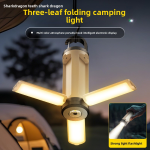
Multifunctional flashlights offer powerful lighting with convenient USB charging. Carbon fiber trekking poles reduce joint strain while improving stability.
Innovative cooking solutions like the stainless steel wood stove allow efficient meal preparation using natural fuels.
Recommended Equipment for Multi-Day Adventures
Extended wilderness travel requires comprehensive gear planning. Essential categories ensure all survival needs are met while managing pack weight.
Shelter systems protect against elements, while sleeping gear provides restful recovery. Cooking equipment and water purification maintain nourishment throughout the journey.
Navigation tools and lighting ensure safe travel, complemented by emergency preparedness items. Appropriate clothing layers adapt to unpredictable weather patterns.
| Gear Category | Essential Items | Weight Consideration | Priority Level |
|---|---|---|---|
| Shelter System | Tent, rainfly, stakes | 3-5 lbs | High |
| Sleeping Gear | Sleeping bag, pad | 2-4 lbs | High |
| Cooking Equipment | Stove, fuel, utensils | 1-2 lbs | Medium |
| Water Management | Filter, bottles | 1-3 lbs | High |
| Navigation & Safety | Map, compass, first aid kit | 1-2 lbs | High |
Lightweight, durable equipment represents a smart investment in outdoor safety. Quality gear reduces failure risk in remote locations while enhancing overall enjoyment.
Comparing Duration, Terrain, and Preparation
From brief day excursions to extended expeditions, outdoor pursuits demand different preparation levels. Understanding these variations helps adventurers select activities matching their available time and fitness.
Day Hikes Versus Multi-Day Expeditions
Day hiking involves completing trails within a single outing. These trips cover shorter distances, typically ranging from a few miles to about twelve miles. They require minimal planning and are accessible for various fitness levels.
Backpacking trips extend over multiple days, requiring overnight gear and careful route planning. Participants carry all necessary equipment for wilderness survival. These journeys allow deeper immersion in remote areas.
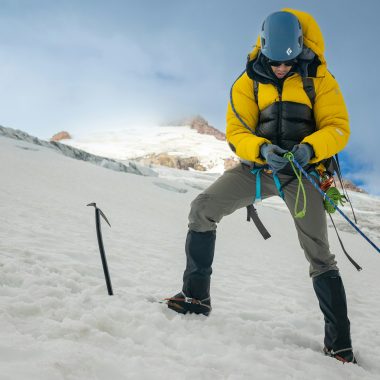
Extended expeditions can span weeks or even months. They traverse challenging landscapes like mountain ranges and remote wilderness. Such adventures demand exceptional physical conditioning and logistical preparation.
| Activity Type | Typical Duration | Terrain Difficulty | Preparation Level |
|---|---|---|---|
| Day Hikes | Several hours to one day | Established trails, gentle terrain | Minimal planning required |
| Backpacking Trips | Weekend to several weeks | Remote paths, elevation changes | Moderate gear and route planning |
| Extended Expeditions | Weeks to months | Demanding mountain or jungle terrain | Extensive physical and logistical preparation |
The true wilderness experience begins when you commit to spending multiple days immersed in nature’s rhythms.
Multi-day hikes provide opportunities impossible on shorter trips. They allow witnessing sunrise and sunset in remote locations. Weather patterns and seasonal conditions become critical considerations for extended journeys.
Terrain difficulty increases progressively from day hikes to extended expeditions. Each activity level offers unique rewards for outdoor enthusiasts seeking different challenges.
Choosing the Right Adventure: Tips and Training
Selecting the perfect outdoor adventure requires careful consideration of personal capabilities and trip logistics. Honest self-assessment prevents overestimating abilities while ensuring challenging experiences.
Planning Your Expedition and Gear List
Begin by researching potential trails and destinations. Check difficulty ratings, permit requirements, and seasonal weather patterns. Create realistic itineraries matching your available time.
Develop comprehensive gear lists balancing essentials with weight management. Quality equipment from providers like FiTiFT enhances safety and comfort. Test all clothing and gear on shorter trips first.
Consider duration, difficulty, and accessibility when planning your trip. Multi-day backpacking demands different preparation than day hikes. Famous routes like the Appalachian Trail offer various challenge levels.
Strategies for Weight Management and Safety
Lightweight gear makes any adventure safer and more enjoyable. Choose multi-functional equipment and eliminate redundant items. This approach is crucial for extended backpacking journeys.
Always inform others of your itinerary and carry navigation tools. Prepare for weather changes with appropriate clothing layers. Build experience progressively from day hikes to longer mountain treks.
For challenging mountain terrain, consider hiring experienced guides. They provide valuable local knowledge and enhance safety. Proper preparation ensures memorable outdoor experiences.
Conclusion
Whether you call it hiking, backpacking, or trekking, the transformative power of wilderness travel remains the core experience. These activities share a common goal: connecting people with nature through physical challenge and outdoor exploration.
Hiking serves as the umbrella term for all walking adventures. Backpacking emphasizes self-sufficiency with gear carried for multiple days. Trekking often involves longer journeys through challenging mountain terrain. Regional preferences influence which term becomes prevalent.
Successful outdoor experiences require proper preparation regardless of terminology. Quality equipment, physical conditioning, and route planning ensure safety and comfort. The right gear makes a significant difference on any trail.
Focus on finding activities matching your fitness level and adventure goals. Embrace the journey itself rather than debating labels. Discover the profound satisfaction that comes from exploring natural areas, from brief day trips to extended expeditions.
FAQ
What is the main difference between a day hike and a multi-day trek?
A day hike is a short journey, typically lasting only a few hours, and does not require overnight gear like a tent or cooking equipment. Multi-day treks, such as those on the Appalachian Trail, involve carrying a full backpack with shelter, food, and a first aid kit for an extended journey through wilderness areas.
Do I need special equipment for backpacking compared to hiking?
Yes, backpacking requires more specialized gear. Essential items include a durable backpack, a lightweight tent, a sleeping bag, a portable cooking kit, and a comprehensive first aid kit. Brands like Osprey for packs and MSR for stoves are popular choices for these multi-day trips.
How does the terrain differ between hiking and trekking?
Hiking often occurs on well-marked, established trails that are manageable in a single day. Trekking usually involves more challenging, remote terrain, such as mountain paths or wilderness areas, and can last for several days or even months, requiring greater physical preparation and navigational skills.
Can the terms ‘trekking’ and ‘backpacking’ be used interchangeably?
While related, the terms are not identical. Backpacking is a broad term for carrying your gear on multi-day outdoor trips. Trekking often implies a longer, more arduous journey, sometimes in international or high-altitude regions. The specific meaning can vary by region.
What are some essential safety tips for a first-time backpacking adventure?
Key safety strategies include planning your route meticulously, informing someone of your itinerary, packing a reliable first aid kit, managing your backpack’s weight to avoid injury, and carrying adequate water and food. Training with shorter hikes to test your equipment is also highly recommended.