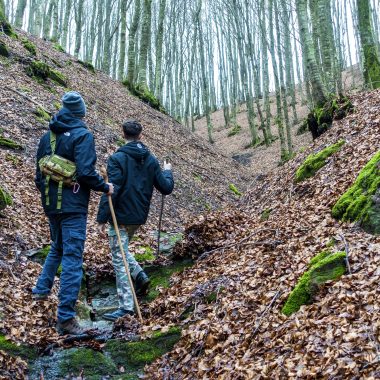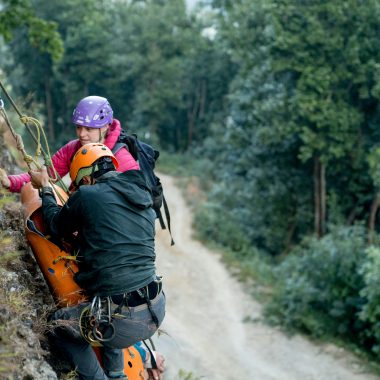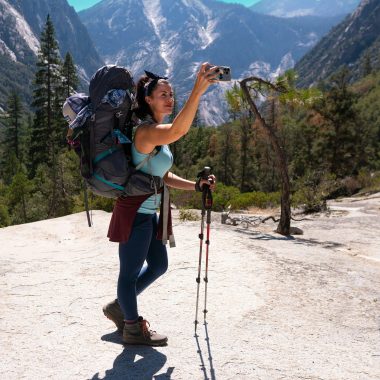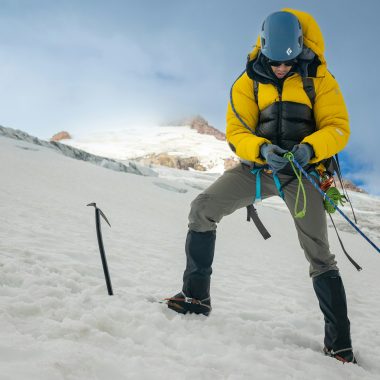
Proper preparation separates enjoyable outdoor adventures from potential emergencies. Every hiking enthusiast needs reliable equipment before venturing into the wilderness. Smart planning ensures safety and confidence on any trail.
The concept of the ten essentials provides a proven framework for wilderness preparedness. This system covers critical categories that address fundamental survival needs. Developed by The Mountaineers organization, these guidelines have protected outdoor enthusiasts for decades.
Even simple day hikes can become challenging situations when unexpected circumstances arise. Being unable to return to the trailhead requires proper equipment and knowledge. The right gear makes all the difference during unexpected delays or emergencies.
This comprehensive guide explores each category within the essential items system. You’ll discover why these specific tools became the gold standard for hiking safety. We’ll also highlight quality products from FiTiFT that meet diverse outdoor needs.
Readers will gain practical knowledge for selecting, packing, and using essential equipment. This applies to all seasons, difficulty levels, and destinations. Understanding these fundamentals creates a foundation for safer wilderness experiences.
Key Takeaways
- The ten essentials represent a time-tested safety system for outdoor adventures
- Proper gear selection matters regardless of hike difficulty or duration
- Unexpected situations can transform any trail experience into a survival scenario
- The Mountaineers organization established these fundamental guidelines
- Each essential category addresses specific wilderness safety needs
- Quality equipment from trusted brands like FiTiFT enhances preparedness
- This knowledge applies to hikers across all experience levels and seasons
Introduction to Hiking Essentials
Modern hiking safety has transformed from simple checklists to integrated systems thinking. This evolution reflects deeper understanding of wilderness risks and preparedness strategies.
Defining the Ten Essentials
The original ten essentials concept dates to the 1980s mountaineering community. Early versions listed specific items like maps, compasses, and first aid kits.
Today’s approach organizes equipment into functional systems. This philosophical shift emphasizes redundancy and multiple solutions. Core safety principles remain unchanged despite technological advances.
Understanding Your Outdoor Needs
Proper preparation requires honest self-assessment. Consider your experience level and physical capabilities. Evaluate planned route difficulty and weather conditions.
Nature trails may not demand full emergency items. Backcountry adventures make these essentials non-negotiable. Unexpected situations can arise on any trail.
| 1980s Essential Items | Modern Systems Approach | Core Safety Function |
|---|---|---|
| Map and Compass | Navigation System | Route finding and orientation |
| First Aid Kit | First Aid Supplies | Medical emergency response |
| Extra Food & Water | Nutrition & Hydration | Sustenance during delays |
| Emergency Shelter | Shelter System | Protection from elements |
This framework applies universally across hiking contexts. Preparedness manages risk rather than predicting outcomes. Each category supports others creating integrated safety.
What are the 10 essential gears in hiking?
The Mountaineers’ framework organizes critical survival needs into ten distinct functional systems. These categories represent the modern approach to wilderness safety that has evolved from simple item checklists.
Importance of Each Essential Item
Navigation tools form the foundation of backcountry safety. Traditional maps and compasses provide reliability when electronic devices fail. Sun protection remains crucial even on overcast days.
UV rays penetrate cloud cover and reflect off surfaces like snow. Insulation through extra clothing prevents hypothermia in changing conditions. Proper layers protect against wind and moisture.
Illumination devices become vital if hikes extend into darkness. First aid supplies address injuries from minor blisters to serious emergencies. Fire-starting capabilities provide warmth and signaling options.
Repair kits solve equipment failures that could compromise safety. Extra nutrition maintains energy during unexpected delays. Hydration systems prevent dehydration with clean water sources.
Emergency shelter offers protection during unplanned overnight stays. Each category supports the others creating integrated safety.
Integrating Safety with Practical Gear
These ten essentials work together as complementary systems. Navigation tools help avoid situations requiring emergency shelter. First aid items address injuries that might occur during repairs.
The systems approach ensures redundancy for critical functions. Multiple fire-starting methods backup illumination gear. Extra clothing supports nutrition in maintaining body heat.
Understanding these essentials creates preparedness beyond individual pieces of equipment. The integration transforms separate items into comprehensive safety solutions for any trail scenario.
Gear Reviews: FiTiFT’s Must-Have Outdoor Sports Products
Selecting reliable outdoor products bridges the gap between essential concepts and real-world trail applications. FiTiFT delivers professional-grade equipment designed specifically for wilderness safety requirements.
Compass Survival Whistle – Stonewashing Finish
The FiTiFT Compass Survival Whistle combines navigation and emergency signaling in one compact tool. This dual-function device provides reliable directional guidance with a loud whistle for rescue situations.
It clips easily to your gear, making it an efficient addition to any survival kit. The stonewashing finish ensures durability during rugged trail use.
Sleeping Bags for All Seasons (Orange Gray & Blue Gray)
FiTiFT’s all-season sleeping bags offer versatile protection across changing weather conditions. Available in Orange Gray and Blue Gray, these 2.2kg bags provide critical emergency shelter capability.
They deliver reliable warmth and weather protection in a packable format. This sleeping bag serves both planned overnight trips and unexpected wilderness stays.
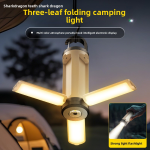
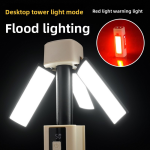
Multifunctional High-Intensity and EDC Flashlights
The high-intensity flashlight features USB charging and bicycle mounting options. Its powerful illumination ensures safety during after-dark trail navigation.
The compact EDC flashlight provides backup lighting for emergency situations. Both lights create redundancy in your illumination system, a critical safety consideration.
Carbon Fiber Trekking Poles and Stainless Steel Wood Stove
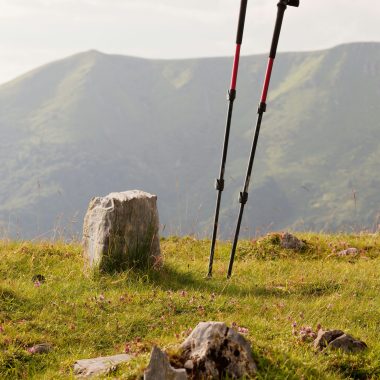
Carbon fiber trekking poles reduce joint stress and improve balance on challenging terrain. They also serve emergency functions like shelter construction.
The stainless steel wood stove enables efficient cooking and water purification. This versatile tool provides emergency warmth while minimizing environmental impact.
Navigation, Illumination, and Emergency Tools for the Trail
Finding your way through the backcountry depends on reliable equipment and practiced skills. Modern hikers benefit from integrating traditional methods with technological advances. This creates a robust system that functions when individual components fail.
Map, Compass, and Modern GPS Integration
Always carry detailed topographic maps specific to your hiking area. Green Trails 15-minute maps work well for maintained trails. For wilderness navigation, use more detailed 7.5-minute USGS maps.
Protect your maps in waterproof bags. Practice using them before your trip. Knowing how to use a map and compass is fundamental wilderness knowledge.
GPS devices provide convenient real-time positioning. They cannot replace traditional navigation skills. Batteries drain, signals fade in canyons, and devices break.
Understand magnetic declination for accurate compass use. In Western Washington, magnetic North sits 20-22° east of true North. This correction prevents significant navigational errors over distance.
The FiTiFT Compass Survival Whistle exemplifies practical navigation gear. It combines a functional compass with emergency signaling capability. This durable tool supports all-day trail use.
| Navigation Tool | Primary Function | Backup Importance |
|---|---|---|
| Topographic Map | Terrain understanding and route planning | Works without power or signal |
| Baseplate Compass | Direction finding and orientation | Never requires batteries |
| GPS Device | Real-time position tracking | Requires functional electronics |
Reliable Illumination: Headlamps and Flashlights
Light sources become vital emergency equipment after dark. Even planned day hikes can extend past sunset. Injuries, slow pace, or trail confusion cause delays.
Headlamps offer hands-free operation during emergencies. Test your light before each trip. Carry spare batteries and extra bulbs for all illumination devices.
Consider lumens output and beam distance when selecting lights. Different situations require varying brightness levels. Reliable illumination is non-negotiable safety gear.
Hydration, Nutrition, and Shelter: Essential Backup Items
Backcountry safety depends heavily on three interconnected systems: hydration, nutrition, and emergency shelter. These fundamental needs work together to sustain life during unexpected delays or emergencies.
Water Purification and Hydration Techniques
Proper hydration maintains physical performance and prevents serious conditions. Dehydration increases susceptibility to heat stroke and altitude sickness.
All natural water sources can harbor harmful organisms like Giardia. Purify water using filters, chemical tablets, or boiling techniques.
The FiTiFT Stainless Steel Wood Stove provides reliable boiling capability. This method works regardless of water contamination type.
Carry sufficient water for your planned hike plus emergency reserves. Know water source locations along your route for backup planning.
Extra Food and Emergency Shelter Options
Always bring extra food when hiking in case of unexpected delays. Carry at least one extra day’s worth of high-energy rations.
Choose foods that store well and require no preparation. Energy bars, nuts, and dried fruit provide sustained nutrition.
Emergency shelter protects during unplanned overnight stays. Even lightweight options like space blankets dramatically improve survival odds.
FiTiFT Sleeping Bags for All Seasons offer comprehensive protection. These packable solutions provide reliable warmth for day hikes.
Proper shelter preserves the energy that food and water provide. This creates an integrated safety system for extended emergencies.
Additional Gear Tips: Weather Preparedness, First Aid, and Repair Essentials
Mountain weather patterns create unique challenges that require specialized preparation beyond basic gear. These conditions can shift from sunny warmth to cold rain within hours. Smart hikers develop systems that address both predictable risks and sudden environmental changes.
Proper Clothing and Layering Strategies
Always pack rain gear regardless of forecast predictions. Moisture-wicking layers provide crucial protection when temperatures drop suddenly. Avoid cotton clothing that traps moisture against your skin.
Wool or synthetic blends maintain insulation even when wet. This material choice prevents rapid heat loss during unexpected storms. Proper layering allows easy adjustment as conditions change throughout your trip.
Sun protection remains vital in all weather conditions. UV rays penetrate cloud cover and intensify at high elevations. Quality sunglasses shield your eyes from damaging light reflection.
Apply broad-spectrum sunscreen to all exposed skin before starting your day. Reapply every two hours, paying special attention to often-missed areas. Your ears, neck, and lips need consistent protection from strong rays.
First Aid Kits and Multipurpose Repair Tools
A comprehensive first aid kit addresses common trail injuries effectively. Blisters, sprains, and abrasions represent frequent hiking mishaps. Make sure your supplies include materials for wound care and blister treatment.
Knowledge proves as important as the kit itself. Consider formal wilderness first aid training for proper emergency response. This preparation helps manage situations until professional aid arrives.
Multipurpose tools like FiTiFT’s knives serve numerous backcountry functions. They assist with food preparation, gear repair, and first aid applications. Duct tape provides versatile solutions for temporary fixes on equipment.
Test all repair items before your trip to ensure familiarity. Wilderness emergencies demand quick, confident tool use. These essentials complete your safety system for comprehensive protection.
Conclusion
The weight of responsibility rests squarely on each hiker’s shoulders when venturing into nature’s domain. Before any hike, your backpack must contain the complete ten essentials list. These critical items represent your primary safety net.
Carrying these essentials is only half the equation. You must also practice using each item before your trip. Familiarity with your gear becomes crucial during real emergency situations.
Key elements demand special attention. Ensure adequate water purification and fire-starting capabilities. Don’t forget sun protection for your skin and sunglasses for eye safety.
FiTiFT provides reliable equipment that meets these wilderness requirements. Their quality bag options and multi-functional tools serve multiple safety categories. This gear supports both planned adventures and unexpected scenarios.
Always carry your essentials, even on short day hikes. Leave detailed itineraries with trusted contacts. Smart preparation transforms potential emergencies into manageable situations.
View your essential items as valuable insurance rather than extra weight. They provide peace of mind while exploring any trail. Proper planning ensures memorable outdoor experiences.
FAQ
What are the Ten Essentials for hiking?
The Ten Essentials are a collection of crucial items designed to help you respond positively to emergencies or unexpected situations on the trail. This system covers navigation, sun protection, insulation, illumination, first aid supplies, fire starters, repair kits, nutrition, hydration, and emergency shelter.
Why is a map and compass still necessary if I have a GPS?
While a GPS device like a Garmin is incredibly useful, it relies on batteries and satellite signals. A physical map and a reliable compass, like the FiTiFT Compass Survival Whistle, do not. They provide a fail-safe navigation method that ensures you can always find your way, even if your electronics fail.
How much extra food and water should I carry?
A good rule is to pack at least one extra day’s worth of food that requires no cooking, such as energy bars or nuts. For water, carry more than you think you’ll need and always have a means of purification, like a filter or purification tablets, to treat water found along the trail.
What should be in a basic hiking first aid kit?
A basic kit should include adhesive bandages, gauze pads, adhesive tape, antiseptic wipes, blister treatment, pain relievers, and any personal medications. It’s also wise to include tools like duct tape and a multi-tool for gear repairs.
What type of clothing is best for a day hike?
Opt for moisture-wicking synthetic layers rather than cotton. Start with a base layer, add an insulating mid-layer like a fleece, and always carry a waterproof and windproof outer shell. Don’t forget a hat, sunglasses, and extra socks to protect your skin from sun rays and changing weather.
Is an emergency shelter really needed for a short trip?
Yes, even on a short day hike. Conditions can change rapidly. An emergency blanket or a lightweight bivy sack takes up little space in your bag but can provide vital protection from hypothermia if you are injured or delayed overnight.
What is the most reliable source of illumination?
A headlamp is often preferred as it keeps your hands free. Always carry extra batteries. A high-intensity flashlight, like those from FiTiFT, serves as an excellent backup. Test your light source before every hike.
How do I protect myself from the sun on the trail?
Use a combination of a wide-brimmed hat, UV-blocking sunglasses, and sunscreen with a high SPF applied to all exposed skin. Sun protection is critical to prevent sunburn and long-term skin damage, regardless of the season.