Ready to pack smarter? This short guide gives a clear list for outdoor days and quick overnights. By the end, you will know exactly which kit items to stash at home and which to grab on the go.
We translate everyday carry habits into trail-ready gear that improves life outdoors. FiTiFT is a field-tested brand offering reliable products like sleeping bags, flashlights, trekking poles, a stainless steel wood stove, and a compass survival whistle.
Planning your kit saves time on trail and raises safety margins. Stage gear at home for faster pack-ups and fewer forgotten items. Years of community reviews help us highlight items that punch above their weight.
Look ahead to a 10-part framework covering shelter, light, navigation, water, food and heat, first aid, tools, power, stability, and carry. This compact approach favors lightweight, durable picks that work as a system for friends and family trips.
Key Takeaways
- You’ll get a clear, practical list for day trips and overnights.
- FiTiFT products illustrate reliable choices for each need.
- Home staging saves time and prevents forgotten gear.
- Focus on lightweight items that form a cohesive kit.
- Planning boosts safety and increases actual trail time.
Start here: A friendly guide to planning your next outdoor day or night
A quick planning habit turns messy packing into predictable, repeatable prep. Use a short routine before every trip so you save time and cut stress on trail.
Think like you would for work: a padded sleeve, chargers, and easy-access pockets translate to outdoor prep as water pockets, snack zones, and a small emergency kit you can reach without unpacking.
- Define trip length—half-day, full day, or overnight—and set a turn-around time so you never race daylight.
- Create one reusable master list for shelter, light, navigation, hydration, food, first aid, tools, power, stability, and carry.
- Stage gear at home on a desk or table to decide what lives in bags and what stays in the car.
- Assign one primary item per category to lower decision fatigue.
- Sync plans with your group so people share load and avoid duplicates.
FiTiFT gear maps directly to this checklist. Follow this routine every time to pack faster and keep essential things handy.
Shelter and sleep: Four-season comfort that actually packs down
A reliable sleep system turns a cold night into a simple comfort task. Start by checking temperature ratings, insulation type, and the proper size so you sleep warm without extra weight.
Pick by rating, insulation, and fit
Temperature rating tells you the safe comfort range. Choose insulation (down or synthetic) for weight and wet-weather goals. Try a quick fit at home: lie down with layers, check wiggle room at shoulders and hips, and confirm zipper reach.
Comfort details that matter
Layering with a liner acts like sheets to tune warmth and protect fabric. A sleeping pad under your bag stops conductive heat loss and beats adding extra blankets.
“Durable construction and dependable warmth make a bag you trust the one item you count on most.”
| Shape | Packed Size | Best For | Notes |
|---|---|---|---|
| Mummy | Smaller | Weight-conscious hikers | Keeps heat close to your back |
| Rectangular | Larger | Side sleepers, car camping | More room, less thermal efficiency |
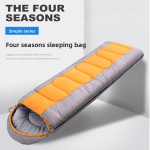
| FiTiFT All Seasons (2.2 kg) | Moderate | Versatile, mixed weather | Orange Gray or Blue Gray; durable from a trusted brand |
Store the bag in a dry sack and air it out daily on trip to keep loft. Shake debris off, spot-clean, and avoid long-term compression at home to preserve fill and performance.
Reliable light for camp, trail, and car emergencies
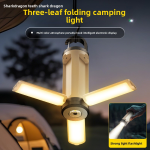
Strong, reliable light makes camps, trails, and car fixes easier after dark. Pick a high-output handheld as your primary lamp and a pocket EDC for fast reaches. This combo covers route-finding, camp chores, and roadside fixes at night.
Featured gear
FiTiFT Multifunctional High-Intensity Flashlight (Orange) offers USB charging, a BicycleRack mount, and a sturdy box for storage. Pair it with the FiTiFT EDC Flashlight (Red) for a compact backup you can keep in hand or an outer pocket.
How to use beam patterns and modes
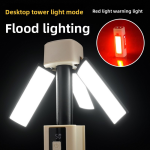
Use a narrow throw for long-range route-finding and a wide flood to light camp and help people work together. Keep a red mode or diffuser tip to protect night vision while reading maps.
- Stash one light at home near the door and another in the car for emergencies.
- Top up by USB, carry a small power bank, and rotate cells so batteries stay ready.
- Clip a light to your pack or use a lanyard on your back to prevent drops while using both hands.
- Practice switching modes at home so you can operate by feel in cold, dark conditions.
- Before departure, clean the lens, confirm charge, and test the switch to avoid surprises on trail.
“A simple pre-trip check and a pocketed EDC save time and headaches when sunlight fades.”
Navigation and signaling you can trust when phones fail
When your battery dies, basic direction and a loud signal restore options fast. Redundancy matters: a paper map and a compass still lead the way when devices fail, and one small thing—a whistle—can carry sound past wind and distance.
Featured gear: FiTiFT Compass Survival Whistle 2-in-1
FiTiFT Compass Survival Whistle 2-in-1 (Stonewashing) combines a directional compass with an audible signal in a single, hand-ready item. Clip it to your strap so it’s always the same place at home and on trail.
- Do a quick “one-minute” bearings routine: orient the map to the world, pick landmarks, and check heading before you move.
- Teach every member how to read a compass—skills matter only if shared.
- Three short whistle blasts equal universal distress; practice crisp bursts to save energy.
- Print or save an offline map and mark bail-out waypoints for a safe way home if weather turns.
- Add reflective cord to the compass whistle and pack a small mirror or bright patch to boost visibility.
Tip: Note departure time, estimated return, and key junctions at the trailhead—staying found begins before you leave.
Hydration you’ll actually stick with: bottles, filters, and a simple routine
Good hydration starts with gear you actually enjoy carrying. Choose a bottle that feels right in hand and fits your pack so sipping becomes automatic, not a chore. FiTiFT items pair well with a trusted bottle and a small thermos for quick routines on trail days.
Pro tip from reviews culture: carry a bottle you love
Comfort drives behavior: insulated stainless steel options keep drinks at the right temp, and thousands of five-star reviews back that claim. Pick a sip-friendly lid and a size that slides into your bag side pocket to avoid excuses when you’re moving.
Coffee on trail: keep a thermos handy for early starts
A small thermos gives a morale boost at dawn and warmth when temps drop. Pair it with reusable snack pouches to prevent leaks and keep your kit tidy for longer life.
- Routine: sip at the trailhead, every 20–30 minutes, and top up at breaks to maintain steady energy.
- Safety: carry a compact filter or tablets and a wide-mouth bottle for easy fills from natural sources.
- Prep: stage your bottle at home or in your bag the night before so it’s ready every time.
“One loved bottle and a simple refill habit save time and make hydration normal, not extra work.”
Camp kitchen and heat: a compact, smokeless solution for real meals
A compact camp kitchen makes hot food simple and keeps cleanup light. The FiTiFT Stainless Steel Wood Stove is a durable, multifunctional, smokeless product that fits small packs and cooks reliably.
Plan easy dinners that boil and simmer briefly. Pre-portion dry ingredients and spices into reusable bags to limit paper waste and save space in your pack.
Boil extra water at dinner for hot drinks and fast cleanups. Use a lid and a wind screen to cut cook time and fuel use.
- Choose a compact stove that matches your cooking style: FiTiFT balances heat and low smoke.
- Adopt reusable sheets and cloths from home kitchens to reduce single-use trash.
- Assign a fixed place in your pack for stove, lighter, and pot gripper for quick access.
- Practice lighting and feeding the stove at home so you know its draw before a trip.
Tip: Let the stove cool completely before packing, and pack out scraps to leave the site cleaner.
| Item | Benefit | Packed Size | Notes |
|---|---|---|---|
| FiTiFT Stainless Steel Wood Stove | Smokeless, high heat for boiling water and cooking | Compact | Durable, fits small packs |
| Reusable bags & cloths | Cut paper waste and mess | Flat, light | Easy to wash and reuse |
| Heat-safe mat | Protects ground, stabilizes pot | Small roll | Prevents scorch marks on campsite |
What are the 10 things everyone needs?
Start with one simple list that ties each need to a practical item you likely have at home. This makes packing less scary and helps friends share gear with clear labels.
Definitive list — shelter & sleep system, reliable light, navigation/signal, water, food & heat, first aid, tools & repair, power & communication, stability/support, and a carry system that puts everything in reach.
How these map to real gear
Some categories act as paired systems: tent plus sleeping bag or stove plus pot. Others are one-and-done items like a high-output flashlight or a compass whistle.
Use FiTiFT examples to shortlist quickly: a trusted sleeping bag, a multifunction flashlight, a compass whistle, a stainless wood stove, and carbon trekking poles for support.
Tip: keep this list by your bags and use color-coded pouches so first aid, repair tools, and chargers don’t mix under stress.
- Before you go, check every category has at least one packed solution.
- Match priorities to your day plan—shorter trips allow less redundancy but never skip light or first aid.
- Treat the carry system as part of safety: an organized bag helps you find tools fast when it matters most.
Support and stability: trekking poles that save knees and time
Trekking poles turn uneven miles into steady progress and conserve energy on tricky terrain. They give firm contact on roots and rocks so you move with more confidence and less effort.
How poles help your body: Poles redistribute weight to the arms, easing stress on your knees during steep descents and protecting your back on long carries. That simple shift often cuts fatigue and keeps you going longer.
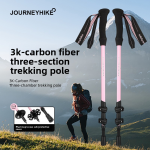
Featured gear: FiTiFT 3K Carbon Fiber Trekking Poles (2-pack)
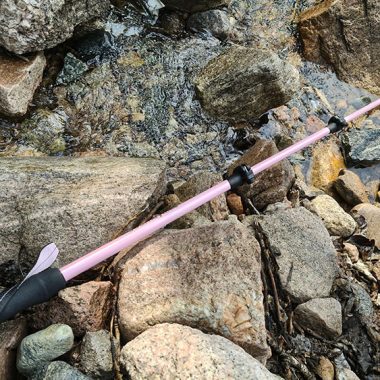
The FiTiFT 3K Carbon Fiber poles (Green) are light, stiff, and packable. Quick-adjust flick-locks let you change length fast for climbs, flats, and downhills without losing pace.
- Technique: Plant poles just ahead of your feet and use a short, steady rhythm so people move faster and steadier across rough ground.
- Multi-use: Poles double as tent or tarp supports, making them a useful part of shelter planning.
- Prep tips: Pick the right size, add mud or snow baskets as needed, practice flick-locks at home, and keep tips capped in your car to protect interiors.
Many hikers say poles are the one thing they wish they’d added sooner — less fatigue means more miles and better days on trail.
First aid and basic repair: small kit, big peace of mind
A tidy first-aid and repair pouch gives you confidence to keep moving when things go wrong.
Build a pocket-sized kit with adhesive bandages, blister care, gauze, tape, antiseptic wipes, and an elastic wrap. Add a laminated quick-reference for CPR and basic wound care so friends can act under stress.
Include repair tools: a needle with heavy thread, safety pins, a duct-tape wrap, and a small multi-tool for zippers and straps. Pack a few comfort extras like moleskin and insect wipes to make a long day easier.
Think bathroom hygiene too: a small trowel, toilet paper in a zip bag, and hand sanitizer keep everyone healthy on trip. Keep meds simple—pain reliever, antihistamine, and personal prescriptions—and check dates at home before you leave.
Treat this kit like insurance: lightweight now, priceless in a crisis.
- Tuck the kit in the same place in your bags so it’s instantly at hand.
- Review used items after each outing and restock for years of reliable use.
- Prevent avoidable breaks: tighten screws and inspect gear as part of pre-trip work.
| Item | Purpose | Pack size | Notes |
|---|---|---|---|
| First-aid essentials | Cuts, blisters, sprains | Pocket pouch | Includes elastic wrap and antiseptic wipes |
| Repair kit | Straps, zippers, small tears | Small roll | Needle, heavy thread, duct tape, multi-tool |
| Hygiene & meds | Bathroom breaks and basic treatment | Flat bag | Trowel, TP in zip bag, sanitizer, meds |
Everyday carry that works outdoors and at home
Lean carry means keeping only items that truly earn a spot. Curate a compact kit that moves from a desk to a trail without extra bulk.
From desk to trail: minimalist items that earn a spot in your bag
Pick multipurpose products like the FiTiFT EDC Flashlight and a compass whistle. Add a compact organizer so small gear stays in place and easy to grab.
Choose a bag with a padded sleeve for a laptop, a pocket sized for a water bottle, and waterproof linings to contain spills. That design leaves room for a jacket without turning into a suitcase.
- Curate a short list: wallet, phone, keys, EDC flashlight, compass whistle, pen, small notebook.
- Reserve interior pockets to separate clean items from snacks and drinks.
- Keep a slim battery and cable so your phone stays alive on long days and sudden hikes.
- Install simple car hooks to hang bags and prevent spills when you load up.
Use color-coded pouches by size so you find things by sight. Keep duplicates of often-forgotten items at home to avoid last-minute scrambles.
“A small, well-organized kit saves space and gets you outside faster.”
Power and communication: phone, charger, and backups
Treat phone uptime as mission-critical: pair it with a compact power bank, a fast cable, and a car charger so your lifeline stays available on long days.
Make charging simple. Pack one small bank and a durable USB cable that works with multiple devices. Keep the bank in a quick-access pocket so you can top up without rifling through your bag.
Use your phone for maps, weather, and check-ins, but never rely on it alone. Carry a paper map and a compass as a basic offline backup.
- Pre-download offline maps and save emergency contacts to avoid coverage gaps.
- Use airplane mode while hiking to extend usable battery time.
- Add a tiny headlamp for simple flashing signals if devices die.
- Protect gear in a splash-resistant pouch if wet crossings or rain are likely.
Tip: do a quick power check at the trailhead—sufficient charge, cable present, and bank topped off before you go.
Check reviews when picking batteries and cables; lightweight, well-made gear lasts longer and saves weight. Stash the power kit at home and in your pack so it’s always ready to go.
Smart packing: choosing the right bag and organizing the small stuff
Pick a pack that matches your frame and habits so gear sits where you need it most. Fit comes first: a torso- and hip-sized bag moves weight to your hips and frees up room for essentials.
Travel light principles backed by real-world reviews
Start with fit. Reviewers praise packs with large side pockets for bottles and waterproof linings that protect food and electronics. A correctly sized bag reduces fatigue and creates usable space.
Snack pockets, bottles, and a clean way to pack dinner
Map your layout. Keep heavy items close to your back, bottles in side pockets, and daily items up top or in hip pockets for fast access.
- Use color-coded pouches for kitchen, bathroom hygiene, first aid, and tools so each place has a clear purpose.
- Adopt reusable containers for snacks and dinner ingredients to cut trash and prevent leaks that waste space.
- Create a staging wall at home with hooks or shelves by the door so go-to gear is visible and grab-ready.
- Slip flat items like maps and permits into a protected sleeve so paper stays readable and dry.
- Keep a slim kitchen pouch—stove, lighter, pot, spork, and a small towel—to streamline cooking and cleanup.
“A good pack plus simple organization is the easiest way to travel light without losing must-haves.”
Before you go, do a short load test: walk a few blocks, tweak straps, and confirm the solution fits your body and plans. That quick check saves miles of discomfort later.
Skills that amplify your gear: the useful things to learn
Learning a few practical habits turns good gear into great results. Invest small practice sessions and your kit will work harder for you on every trip.
Time management for trip planning and safe turnarounds
Set a clear turnaround and stick to it. Predictable schedules keep people safe and reduce last-minute stress.
Tip: practice route pacing at home and log realistic breaks so you reach checkpoints before dark.
Swim, basic CPR, and wound care fundamentals
Refresh CPR and wound-dressing skills yearly. A short course gives confidence when seconds matter.
Learn basic swim safety if routes cross water; it is true life insurance in moving water.
Travel light and hang-what-you-need: camp and home readiness
Trim extras, favor multi-use items, and build a simple cooking playbook—boil-first meals and quick coffee to save time and life at camp.
Create a home gear station and hang essentials on walls or shelves so packing takes minutes, not hours.
“Practice makes kit reliable: run a mock emergency, share roles, and refine after each trip.”
| Skill | Benefit | Practice |
|---|---|---|
| Turnaround timing | Avoids late exits and bad weather | Plan routes, time checkpoints |
| CPR & wound care | Immediate, effective response | Annual short course |
| Travel light & camp cooking | Less weight, more time for trail life | Seasonal kit edits, boil-first recipes |
| Field repairs | Extend gear years and usefulness | Practice sewing, patching, tightening |
Conclusion
Close with a clear plan: one ready , bag staged at home makes every day and night outing easier. Use this short list of essentials as a starting point and refine your pack by reading buyer reviews and testing small products.
Practical habits matter: log what you used, what stayed in your bags, and what needs room or repair next time. Keep a steady water and coffee routine that starts in the car and flows on trail. Make sure your phone, light, and first aid live in smart pockets so you find them in seconds.
With FiTiFT gear—sleeping bags, flashlights, compass whistle, trekking poles, and a stainless steel wood stove—you get a reliable base to build a system that fits your life. Pick one category to improve today so your next trip feels safer and lighter on every way.
FAQ
What should I pack for a single overnight outdoor trip?
Start with a compact shelter, a season-appropriate sleeping bag, a reliable light, a water bottle and filter, a small camp stove or fuel source, simple cookware, a basic first-aid kit, a multipurpose tool, a power bank, and a daypack to carry it all. Those items cover shelter, warmth, hydration, food, safety, repair, and power.
How do I choose a sleeping bag that actually works for different seasons?
Pick by temperature rating, insulation type (down for weight-to-warmth, synthetic for damp conditions), and packed size. Match the bag to expected low temps plus a safety margin. Check size and weight so it fits your pack and sleep system comfortably.
What lighting options are best for campsite, trail, and emergencies?
Combine a headlamp for hands-free tasks, a compact high-intensity flashlight for signaling and emergencies, and an emergency glow or lantern for camp. Rechargeable batteries and a small solar or USB backup keep them ready.
When should I rely on traditional navigation versus my phone?
Use a GPS-capable phone for convenience, but bring a compass and a physical map when you travel out of cell range or into complex terrain. Practice basic map-and-compass skills so you can navigate if the phone dies or loses signal.
How can I make sure I drink enough on the trail?
Carry a water bottle you like and place it where you’ll see and reach it often. Add a lightweight filter or purification tablets for longer trips. Sip regularly instead of waiting until you’re thirsty to avoid dehydration.
What camp cooking setup gives real meals without heavy gear?
Choose a compact, smokeless stove and a small set of durable cookware. Look for stoves that accept solid fuel or wood for lightweight fuel options. Bring a spork, small pot, and a cup—simple pieces that double for multiple meals.
What belongs in a compact first-aid and repair kit?
Essentials: adhesive bandages, sterile gauze, antiseptic wipes, blister treatment, pain reliever, tweezers, safety pins, and a few sutures or wound-closure strips if trained. For repairs: duct tape, spare cord, a patch kit, and a multi-tool.
How much backup power do I need for short trips?
One high-capacity power bank (10,000–20,000 mAh) covers phone charging and small electronics. Add a solar charger for extended outings and a USB cable or adapter that matches your devices. Prioritize charging a phone and a headlamp first.
Which carry system suits both day hikes and travel?
A versatile daypack with 20–30 liters fits day trips and short travel. Look for padded straps, a hip belt, external water-bottle pockets, and compartments for organization. Use lightweight stuff sacks for gear separation inside the pack.
What skills should I learn to get the most from my gear?
Basic navigation, fire safety and stove use, wound care and CPR, simple gear repair, and efficient trip planning with time management. These practical skills keep you safer and make your gear more effective in real situations.
How do trekking poles help on trails and long days?
Is coffee worth bringing on the trail?
Yes—if it boosts morale and morning routine. A small thermos or insulated mug keeps coffee hot for hours. Instant coffee and single-serve pour-over kits are lightweight, while a compact French press or AeroPress suits car camping.
What small everyday items double as outdoor essentials?
A quality pocketknife, compact flashlight, reusable water bottle, multi-tool, lightweight rain jacket, and a phone charger work at home and outdoors. Minimalist items save space and justify permanent spots in your bag.
How should I organize small gear inside my pack?
Use small stuff sacks or zip pouches for categories: sleep, shelter, cook, first aid, and electronics. Keep frequently used items in external pockets for quick access—bottle, snacks, map, and headlamp.
What should I consider when buying gear from specific brands?
Look for transparent specs, real-user reviews, warranty policies, and service support. Brands like Patagonia, REI, Thermos, and Garmin provide clear specs and strong customer service; prioritize proven reliability over trends.