
Exploring elevated terrain offers incredible rewards for outdoor enthusiasts. This activity combines physical exercise with mental refreshment and deep connection to nature.
The right equipment transforms a potentially challenging day into an enjoyable adventure. Proper gear ensures comfort, warmth, and safety across varying landscapes.
Your equipment requirements depend heavily on route length, terrain difficulty, and weather conditions. Gentle lowland excursions in fair weather demand minimal specialized kit.
More demanding routes require thoughtful preparation. This comprehensive guide helps you build a versatile outdoor system that adapts to different seasons and objectives.
From foundational footwear to weather protection and navigation tools, each item serves a specific purpose. Understanding essential equipment prevents both over-packing and dangerous under-preparation.
Following this structured approach develops your knowledge for informed gear decisions. You’ll learn which items deserve space in your pack and which can stay behind.
Key Takeaways
- Proper equipment selection varies based on terrain difficulty and weather conditions
- Quality footwear forms the foundation of any successful outdoor excursion
- Weather-appropriate clothing ensures comfort and safety throughout your journey
- Navigation tools are essential for route finding in unfamiliar territory
- A well-planned kit adapts to different seasons and hiking objectives
- Understanding essential gear prevents both over-packing and under-preparation
- Each piece of equipment serves a specific purpose in overall preparedness
Overview of Hill Walking Essentials
Proper equipment organization serves as your first line of defense against unpredictable wilderness elements. Strategic planning prevents discomfort and reduces risks during outdoor excursions.
A systematic approach to gear selection ensures you carry essential items without unnecessary weight. This balance maximizes enjoyment while maintaining safety standards.
Understanding the Importance of a Well-Planned Kit
Hypothermia risks make waterproof protection a critical consideration. Being cold and wet creates dangerous situations in remote locations.
Multiple thinner layers outperform single thick garments for adaptability. This layering principle allows quick adjustments to changing activity levels and temperatures.
| Essential Items | Situational Gear | Weight Consideration |
|---|---|---|
| Waterproof jacket | Extra insulation layers | Always carry |
| Navigation tools | Specialized equipment | Route-dependent |
| Emergency supplies | Comfort items | Non-negotiable |
| Basic first aid | Luxury accessories | Essential safety |
Adapting Your Gear for Changing Weather Conditions
Mountain environments experience rapid meteorological shifts. Your equipment list must accommodate sudden temperature drops and precipitation.
Regular kit reviews based on field experience refine your packing decisions. This ongoing process eliminates redundant items while identifying preparedness gaps.
Investment in planning pays dividends throughout your journey. Proper preparation enhances comfort and security across varied landscapes.
Essential Clothing and Layering Systems
The art of dressing for variable mountain environments begins with understanding three core components. This approach provides maximum adaptability throughout your outdoor excursion.
Baselayers, Midlayers, and Outer Layers Explained
Baselayers sit directly against your skin. They wick moisture away to maintain comfort during physical activity.
Midlayers provide essential insulation. Materials like microfleece trap warm air while allowing vapor escape.
Outer layers serve as your primary weather defense. A quality waterproof jacket protects against rain and wind during hiking adventures.
Choosing Weather-Appropriate Apparel
Weather conditions dictate your clothing strategy. Always check forecasts before heading outdoors.
Fabrics make a significant difference in performance. Synthetic materials and merino wool outperform cotton in wet conditions.
Proper legwear completes your system. Water-resistant trousers offer protection while allowing movement across varied terrain.
This layered approach ensures comfort regardless of changing conditions. Strategic clothing selection enhances safety and enjoyment.
What do I need for hill walking?
Successful outdoor preparation involves grouping gear into core essentials, weather-dependent items, and situational accessories. This systematic approach creates a comprehensive kit list that adapts to changing conditions.
Core items form your non-negotiable safety foundation. These include navigation tools like maps and compasses, emergency supplies, proper footwear, and adequate food provisions.
Weather-dependent equipment requires forecast consideration before each excursion. Sun protection gear becomes essential during summer months, while winter conditions demand extra insulation layers.
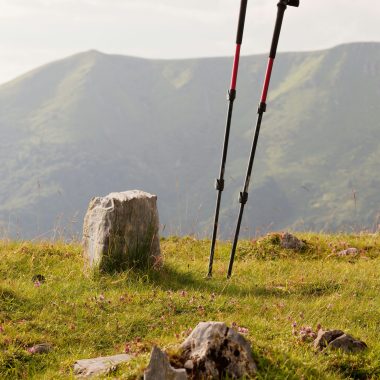
Situational accessories enhance comfort during specific types of walking adventures. Trekking poles provide stability on steep terrain, while gaiters protect against muddy conditions.
This strategic organization guide ensures you carry appropriate equipment without unnecessary weight. Proper planning transforms challenging walking routes into enjoyable outdoor experiences.
Outdoor Gear and Accessories for Safety and Navigation
When venturing into remote landscapes, your ability to find your way and respond to emergencies defines the margin between adventure and ordeal. Proper safety equipment provides critical support when conditions deteriorate unexpectedly.
This equipment category represents your lifeline in challenging situations. These items are non-negotiable regardless of experience level or route difficulty.
Navigation Tools: Maps, Compass, and Digital Apps
Traditional navigation skills remain fundamental despite technological advances. A quality paper map and compass provide reliable direction that doesn’t depend on batteries or signals.
Digital tools offer convenient waypoint tracking but should complement traditional methods. Always carry a detailed topographic map in a waterproof case for your entire trip.
Cold weather drains batteries quickly, making spare power sources essential. Offline maps ensure you can navigate without cell service.
Emergency Essentials: Whistles and First Aid Kits
A comprehensive first aid kit tailored to outdoor risks can help keep minor issues from becoming major problems. Include blister treatment, wound care, and materials for sprains.
Emergency signaling devices like the FiTiFT Compass Survival Whistle 2-in-1 serve dual purposes. This compact device provides both backup compass functionality and long-distance attention-getting capability.
An emergency whistle carries much farther than human voice. It’s essential for attracting rescue assistance when needed.
| Navigation Gear | Emergency Equipment | Priority Level |
|---|---|---|
| Waterproof map case | First aid supplies | Essential |
| Magnetic compass | Emergency whistle | Critical |
| Offline digital maps | Signaling mirror | Recommended |
| Spare batteries | Emergency blanket | Situational |
All-Season Equipment and Multipurpose Tools
Multi-purpose tools transform basic outdoor kits into comprehensive systems for all seasons. Versatile equipment provides reliable performance throughout the year without requiring separate collections.
Investing in adaptable gear proves economical over time. You maintain fewer items while ensuring preparedness for various conditions.
Sleeping Bags Designed for Every Season
Quality sleeping bags serve dual purposes during outdoor adventures. They provide comfort during planned camping trips and emergency insulation during unexpected situations.
The FiTiFT sleeping bag for all seasons offers reliable performance in Orange Gray and Blue Gray variants. At 2.2kg, this bag represents a reasonable weight trade-off for winter excursions.
This versatile sleeping bag adapts to changing temperatures. It provides adequate warmth during cold nights while remaining packable for extended trips.
Smart Gadgets: Multifunctional High-Intensity and EDC Flashlights
Modern lighting technology has revolutionized outdoor illumination. LED headtorches provide reliable light sources when daylight fades unexpectedly.
The FiTiFT multifunctional high-intensity flashlight features bicycle rack compatibility and USB charging. This versatile tool expands beyond basic illumination needs.
Compact EDC flashlights serve as essential backup lighting. Their small size ensures easy storage in pack compartments or pockets.
USB charging capability eliminates battery concerns during extended adventures. You can recharge devices using portable power sources.
Footwear and Trekking Support
Your foundation for comfortable outdoor movement begins with proper footwear selection. The right combination of boots and support equipment ensures stability across varied terrain.
Selecting the Right Hiking Boots and Socks
Quality hiking boots provide essential ankle support on rocky ground. They protect feet from sharp objects while offering traction on steep sections.
The debate between lightweight shoes and traditional boots depends on terrain and preference. Many experienced walkers choose lighter footwear for most conditions.
Proper hiking socks work in partnership with your boots to prevent blisters. Mid-weight options in materials like lambswool offer excellent moisture management.
Investing in at least one high-quality pair of socks maintains foot comfort. Rotating multiple pairs on longer trips keeps feet dry throughout your adventures.
| Footwear Type | Best For | Considerations |
|---|---|---|
| Lightweight Shoes | Well-maintained trails, dry conditions | Quick drying, flexible movement |
| Traditional Boots | Rough terrain, heavy loads | Ankle support, weather protection |
| Approach Shoes | Mixed rock and trail | Grippy soles, lightweight design |
The Benefits of Using Trekking Poles
Trekking poles reduce impact on joints by up to 40% during descents. They improve balance on uneven ground while carrying heavy loads.
Using a pair of poles rather than one provides balanced support. This establishes a natural rhythm that can increase pace while reducing exertion.
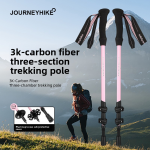
The FiTiFT 3K Carbon Fiber Trekking Poles offer lightweight durability for all-day use. Adjustable lengths accommodate different terrain types and user preferences.
These poles shorten for uphill sections to reduce arm fatigue. They lengthen for descents, increasing stability and reducing knee impact.
Multipurpose Tools for the Modern Hill Walker
The evolution of outdoor gear has produced innovative tools that combine essential functions into single, lightweight packages. This approach reduces overall burden while maintaining comprehensive safety coverage.
Modern equipment design focuses on versatility rather than single-purpose specialization. Multipurpose items eliminate redundancy in your outdoor system.
Compass Survival Whistle and Its Dual Functionality
The FiTiFT Compass Survival Whistle 2 in 1 exemplifies intelligent design. This compact tool merges backup navigation with emergency signaling capability.
Its stonewashing finish provides corrosion resistance for long-term reliability. The integrated compass offers directional guidance when electronic devices fail.
The loud whistle carries over long distances to attract rescue attention. This one piece of equipment serves two critical safety purposes.
Incorporating Lightweight, Durable Equipment into Your Kit
Weight consciousness significantly impacts your outdoor experience. Every extra gram accumulates over miles of terrain.
Modern materials like carbon fiber and technical fabrics offer strength without excessive mass. Durable construction withstands harsh conditions while remaining pack-friendly.
Investment in quality multipurpose tools pays dividends through years of reliable service. These items build confidence in your safety preparedness.
| Multipurpose Tool | Primary Functions | Weight Advantage |
|---|---|---|
| Compass Survival Whistle | Navigation backup, emergency signaling | Eliminates separate compass and whistle |
| Multifunctional Knife | Cutting, fire starting, sharpening | Combines multiple tools in one |
| Trekking Poles with Camera Mount | Stability support, photography | Dual-use reduces accessory count |
| Headlamp with Power Bank | Illumination, device charging | Single device replaces two items |
Building your kit around versatile equipment maximizes capability while minimizing burden. This strategic approach enhances both safety and enjoyment during outdoor adventures.
Outdoor Cooking and Warmth on the Go
A hot meal or beverage can dramatically transform your outdoor experience, providing both physical nourishment and psychological comfort during challenging conditions.
Utilizing a Stainless Steel Wood Stove for Outdoor Cooking
The FiTiFT stainless steel wood stove offers a versatile cooking solution for outdoor enthusiasts. This multifunctional smokeless stove uses natural fuel sources like twigs and leaves, eliminating the need to carry heavy canisters.
Stainless steel construction ensures durability against moisture and repeated heating cycles. The efficient design boils water quickly for dehydrated meals or hot drinks.
Proper food planning includes high-energy snacks for unexpected delays. Maintaining energy levels is crucial during extended time outdoors.
Hot meals provide warmth during cold weather breaks. They boost morale and comfort when camping overnight or on long day trips.
Learning efficient cooking techniques maximizes your stove’s performance. Simple practices like using wind screens reduce preparation time and fuel consumption.
Packing Strategies and Weight Management
Strategic load organization transforms the hiking experience from burdensome to effortless. Proper techniques ensure comfort throughout your journey.
How to Optimize Your Rucksack for a Comfortable Hike
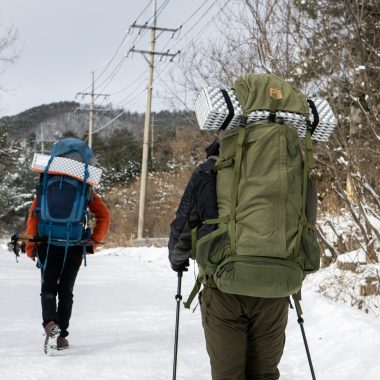
Selecting the right capacity for your pack depends on trip duration. Day excursions typically require 20-30 liter packs, while overnight adventures need 50-65 liter capacity.
Weight distribution follows proven principles. Place heavy items close to your back, centered between shoulder blades. Medium-weight gear fills the main compartment.
Organizational systems create efficient packing. Use dry bags for spare clothing and electronics. Compression bags maximize space while keeping items accessible.
Make sure essential items remain within easy reach. Store rain gear, snacks, and first aid in outer pockets. This prevents frustrating searches during critical moments.
Modern pack designs incorporate innovative features. Trampoline mesh back panels improve ventilation. Adjustable hip belts transfer weight effectively.
Regular audits of your packing list refine equipment choices. Identify unused items after each trip. This continuous improvement optimizes your load over time.
Integrating Safety and Emergency Preparedness
Emergency preparedness represents the final layer of protection that transforms potential crises into manageable situations. This approach combines equipment with practical knowledge for comprehensive safety.
Battery and Power Solutions for Your Gear
Cold weather dramatically reduces battery performance. A spare power bank adds minimal weight but ensures critical devices remain functional.
Modern safety equipment depends on reliable power. Your phone, GPS, and headtorch all require adequate charge.
Battery packs with attached cables simplify charging in challenging conditions. They eliminate fumbling with separate accessories when every second counts.
Preparing for Unexpected Weather and Injury
Weather conditions can change rapidly in outdoor environments. Carrying emergency shelter provides life-saving protection.
A breathable emergency bivvy offers superior performance to non-breathable alternatives. It prevents dangerous condensation buildup.
“The mountains do not care about your plans. Preparation is the only variable you control.”
Protective gloves maintain manual dexterity during emergencies. They prevent cold injuries while allowing equipment operation.
| Emergency Item | Primary Function | Weather Consideration |
|---|---|---|
| Power Bank | Device charging | Essential in winter |
| Emergency Bivvy | Shelter protection | All seasons |
| Protective Gloves | Extremity safety | Critical in cold |
| Water Treatment | Hydration backup | Always carry |
Basic first aid knowledge combined with proper equipment prevents minor issues from escalating. This comprehensive approach ensures you can handle unexpected challenges effectively.
Advanced Navigation and Communication Tools
The digital age brings powerful new tools to the world of outdoor navigation, complementing traditional methods with enhanced capabilities. These technologies provide real-time positioning and improved safety features for modern adventurers.
The Role of Digital Navigation and Traditional Map Cases
Smartphone apps have transformed trip planning with offline maps and trail databases. However, phones remain vulnerable to cold, moisture, and battery drain during outdoor use.
Dedicated GPS units offer rugged construction and extended battery life. Their simple button interfaces work well with gloves in challenging conditions.
Waterproof map cases protect your paper backup while keeping it accessible. This traditional approach ensures reliable navigation when technology fails.
Communication devices like two-way radios help people maintain contact without cellular coverage. They allow groups to hike at different paces safely.
Satellite messengers provide emergency communication in remote areas. These devices work anywhere on earth, offering ultimate backup protection.
Conclusion
Your equipment collection grows organically as you gain experience across different seasons and terrain types. This comprehensive guide provides a solid foundation for building your personal kit list.
Quality gear from manufacturers like FiTiFT ensures reliable performance throughout the year. Their compass whistle, carbon fiber poles, and all-season sleeping bag represent smart investments for regular walking adventures.
Remember that personal preferences significantly impact equipment choices. What works for one person may not suit another’s conditions or comfort needs.
Test new items on shorter days before challenging trips. Always carry emergency supplies and rain protection regardless of forecasts.
Ultimately, your kit should inspire confidence to explore safely while enjoying the incredible experience of mountain walking.
FAQ
What is the most critical piece of gear for a day trip?
Your footwear is arguably the most vital. A sturdy pair of hiking boots, like those from Salomon or Merrell, provides essential ankle support and grip. Combine them with quality wool socks from brands like Darn Tough or Smartwool to prevent blisters and manage moisture, ensuring comfort mile after mile.
How can I keep my pack’s weight down?
Focus on multipurpose items and avoid duplicates. Choose a lightweight stove, such as the MSR PocketRocket, and prioritize calorie-dense food. Select gear made from modern, light materials. Every ounce adds up, so critically evaluate each item’s necessity for the specific conditions and duration of your hike.
What navigation tools should I always carry?
A> You must carry a physical Ordnance Survey map and a reliable compass like a Silva Type 4. While digital apps like AllTrails are excellent aids, they rely on your phone’s battery life. A traditional map and compass are fail-safe tools that don’t require power and are essential for safe navigation in poor visibility.
What emergency items are non-negotiable?
Every pack should have a basic first aid kit, a survival whistle (an Acme Thunderer is a classic), an emergency blanket, a headlamp like a Petzl Actik with spare batteries, and a power bank for your phone. These items are your lifeline in case of an unexpected delay, injury, or drastic change in weather.
Are trekking poles really necessary?
Trekking poles from Leki or Black Diamond offer significant benefits. They improve stability on uneven terrain, reduce impact on your knees during descents, and can help you maintain rhythm. They are especially valuable on long days or when carrying a heavier overnight pack, making your hike more efficient and less taxing.
How do I choose the right jacket for variable conditions?
Use a layering system. Start with a moisture-wicking baselayer (e.g., Patagonia Capilene), add an insulating midlayer like a fleece, and always pack a waterproof and windproof outer shell, such as an Arc’teryx Beta LT. This system allows you to adapt quickly to changing exertion levels and weather throughout your day.