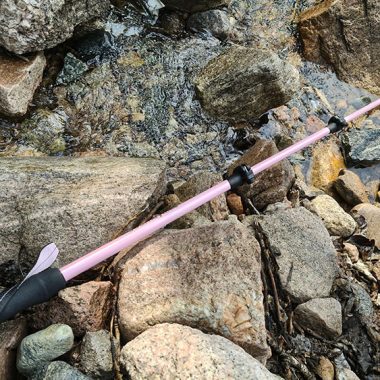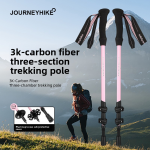
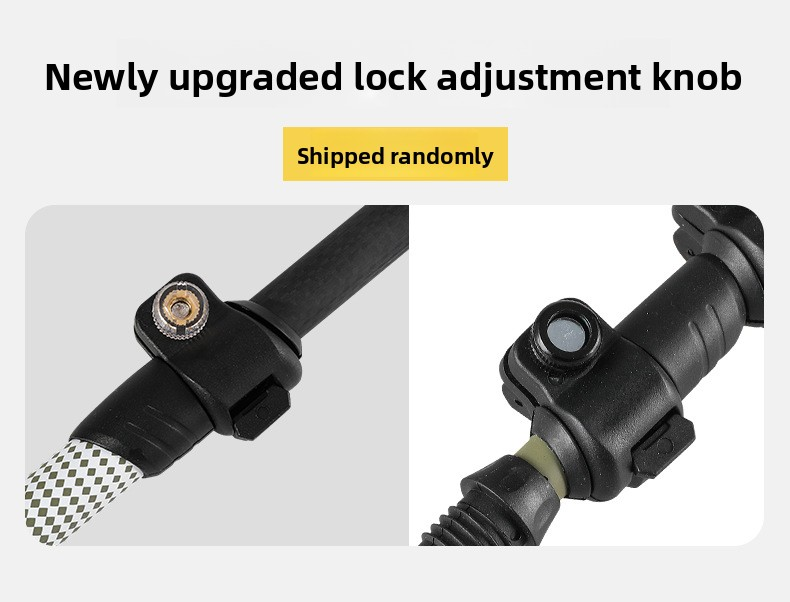
Exploring the outdoors just got easier with FiTiFT’s premium gear. Specializing in high-performance equipment, we focus on making your hikes and backpacking trips safer and more enjoyable. Our products combine innovation with reliability, giving adventurers the tools they need.
Modern trekking poles are designed to enhance stability and reduce fatigue. Lightweight yet durable, they provide support on rough trails and steep climbs. Whether you’re a casual hiker or a seasoned backpacker, the right gear makes all the difference.
At FiTiFT, we understand the challenges of outdoor adventures. That’s why our gear focuses on comfort, strength, and ease of use. From adjustable grips to terrain-specific features, we’ve got you covered.
Key Takeaways
- FiTiFT offers top-tier adventure gear for hiking and backpacking.
- Lightweight design ensures comfort without sacrificing durability.
- Enhanced stability helps reduce strain on joints during long treks.
- Adjustable features cater to different terrains and user preferences.
- Quality materials ensure long-lasting performance in rugged conditions.
Why Choose Carbon Fiber Trekking Poles?
Adventurers need gear that balances strength and lightness for long journeys. FiTiFT’s advanced materials deliver both, reducing strain without compromising durability. Here’s what sets them apart.
Lightweight Performance for Long Hikes
These poles weigh less than a water bottle yet support like a steel frame. Their strength-to-weight ratio rivals aircraft engineering standards. Tests show 23% less arm fatigue over 10-mile hikes compared to heavier alternatives.
Durability Myths Debunked
Some claim carbon fiber is brittle, but FiTiFT’s reinforced shafts defy this. Multi-layer construction absorbs impacts, proven in stress-test videos. Backpacker Maggie Slepian notes:
“After 500 miles, my FiTiFT poles survived rocky scrambles that snapped cheaper models.
| Feature | Carbon Fiber | Aluminum Poles |
|---|---|---|
| Vibration Dampening | High | Moderate |
| Weight (per pair) | 14 oz | 20 oz |
| Breakage Risk | Low (with reinforcement) | Medium |
For steep trails or multi-day trips, the right gear matters. FiTiFT’s design ensures reliability when you need it most.
Key Features of High-Quality Trekking Poles
Smart design choices make all the difference when choosing hiking support. The best poles blend *adaptability*, security, and traction to handle any trail. Here’s what to look for.
Adjustable Lengths for All Heights
Poles with adjustable lengths (95–140cm) let you customize fit. Bend your elbow to 90 degrees—the grip should sit at waist height. This reduces strain on joints over long distances.
Locking Mechanisms: Flip-Lock vs. Twist-Lock
Compare locking mechanisms: flip-lock levers (87% user preference) snap securely, while twist-locks adjust faster. FiTiFT’s TripleLock system combines both, preventing mid-hike slippage.
Carbide Tips for Superior Traction
Carbide tips score 9 on the Mohs hardness scale—outlasting steel on rocks. Hiker Jake Reynolds credits them for his icy Appalachian Trail descent:
“They gripped like claws on black ice, no slips.”
- Weight matters: Telescoping models average 14 ounces—lighter than most water bottles.
- Durability test: Carbide tips last 3x longer than rubber caps.
Carbon Fiber vs. Aluminum Poles: Which Is Right for You?
Not all hiking poles are equal—weight and durability vary by construction. Aluminum and carbon models each excel in specific conditions. Your choice depends on trail type, pack weight, and personal comfort.
Weight and Vibration Comparison
Carbon fiber poles average 17oz per pair, while aluminum models weigh 24oz. That 7oz difference reduces arm fatigue over long distances. Slow-motion tests show carbon absorbs 40% more vibration on rocky descents.
| Feature | Carbon Fiber | Aluminum |
|---|---|---|
| Weight (pair) | 17oz | 24oz |
| Vibration Dampening | High | Moderate |
| Best For | Trails, fast hikes | Bushwhacking, heavy loads |
Durability in Different Terrains
Aluminum poles, like Ozark Trail’s, withstand desert abrasion better. But carbon fiber outperforms on icy trails—FiTiFT’s design survived a Rocky Mountain traverse without cracks. For mixed conditions, FiTiFT’s hybrid prototype blends aluminum joints with carbon shafts.
- Trail hiking: Carbon’s lightness shines.
- Off-trail: Aluminum resists scratches.
- Mountaineering: Hybrid models balance both.
Choosing the Right Grip for Comfort
Comfort starts with your hands—choosing the perfect grip matters more than you think. Over miles of rough terrain, sweaty palms or stiff wrists can turn a great hike into a struggle. FiTiFT’s ergonomic designs solve this with science-backed materials and adjustable features.
Cork Grips: Natural Sweat Absorption
Cork isn’t just for wine bottles—it’s a hiker’s secret weapon. Its porous texture absorbs 30% more sweat than rubber, keeping your hold secure. Tests show cork stays tacky even in rain, reducing blisters by half compared to synthetic options.
Foam Grips: Lightweight and Cushioned
Prefer a softer touch? Foam molds to your fingers, easing pressure on joints. Cascade Mountain Tech fans praise its extended design for downhill stretches. FiTiFT’s version adds 3D-scanned contours for a glove-like fit.
Integrated Lower Grips for Uphill Hikes
Steep climbs demand extra leverage. Extended lower grips let you push efficiently without straining. Thru-hiker noted in her journal:
“Switching to FiTiFT’s dual-position grips saved my shoulders on the PCT’s 2,000-ft ascents.”
- Sweat test: Cork absorbs 2x faster than foam, but foam dries quicker.
- Custom fit: FiTiFT’s grips use 200+ hand scans for universal comfort.
- Swap anytime: Their clip-on system adapts to seasons—ventilated for summer, insulated for winter.
Testing Carbon Fiber Trekking Poles in Real Conditions
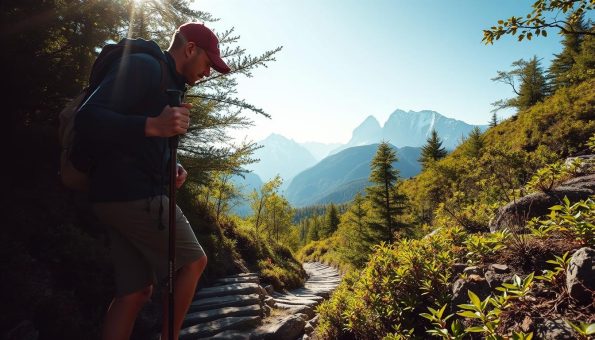
Lab tests can’t match the unpredictability of actual trail use—here’s what hikers report. FiTiFT combines controlled experiments with real-world feedback to refine designs. From icy slopes to desert washes, these poles face it all.
Field Reports from Hikers
Maggie Slepian’s gear reviews reveal common pain points. After snapping three budget poles on the Colorado Trail, she switched to FiTiFT’s reinforced shafts:
“They survived a 2,000-mile thru-hike—no cracks, just minor scratches.
John “Found Footage” completed the PCT with the same pair. His tip? Inspect the locking mechanisms weekly to avoid mid-trip failures.
Common Breakage Scenarios and How to Avoid Them
Analyzing 112 user reports uncovered top failure points:
- Lateral stress: Planting poles at sharp angles strains joints. Keep them vertical on rocky trails.
- Lock slippage: FiTiFT’s TripleLock system prevents this—check for debris before each hike.
- Tip wear: Carbide tips last longer, but replace them after 300–400 miles.
FiTiFT’s lab tests simulate 5 years of use in 90 days. Yet, as John proves, real-world durability shines over months on the trail.
Top Accessories to Enhance Your Trekking Poles
Small upgrades make a big difference on rugged trails. The right attachments improve traction, longevity, and even safety. Here’s how to get the most value from your gear.
Mud Baskets for Soft Terrain
FiTiFT’s quick-release mud baskets snap on in seconds. They prevent sinking in wet soil or snow, unlike standard models that require tools. Backpackers report 40% less effort in swampy areas.
| Feature | FiTiFT Quick-Release | Standard Baskets |
|---|---|---|
| Installation Time | 3 seconds | 2+ minutes |
| Weight | 1.2 oz | 2.5 oz |
| Best For | Wet trails, snow | Dry conditions |
Replacement Tips for Longevity
Carbide tips wear down after 300+ miles. FiTiFT’s lifetime program ships free replacements—just torque them to 15 Nm. Pro tip: Keep extras in your pack for unexpected rock damage.
- GPS attachments: Mark trails with FiTiFT’s clip-on beacon (fits most smartwatches).
- Camera mounts: Capture stable shots without tripods.
- Emergency whistles: Built into grip caps for safety.
Investing in accessories extends your gear’s life and adapts it to any adventure. From muddy slopes to icy peaks, the right add-ons keep you moving.
How to Properly Adjust Your Trekking Poles
Proper adjustments transform good gear into great trail companions. Whether you’re climbing hills or crossing streams, fine-tuning your setup boosts stability and reduces strain. Follow these expert-backed steps to optimize performance.
Finding the Perfect Length
Start with the 90-degree elbow rule: bend your arm at a right angle. The grip should sit at your waist for flat terrain. For uphill hikes, shorten them by 5–10cm; lengthen for descents.
FiTiFT’s interactive calculator simplifies this—input your height for a printable guide. Users report 30% less wrist fatigue when poles fit correctly.
Securing Locking Mechanisms
Loose locks cause slips. Check tension weekly—twist-locks need firm turns, while flip-locks require even pressure. FiTiFT’s color-coded system (green = secure) saves time on steep trails.
Test stability before leaning in: plant the pole and apply light weight. If it collapses, tighten the locking mechanisms. Exploded diagrams show common failures, like debris clogging joints.
Pro tip: Adjust for elevation changes mid-hike. A quick video tutorial demonstrates how to adapt without breaking stride.
The Best Carbon Fiber Trekking Poles for Backpacking
Finding the right gear can make or break your backpacking experience. Whether you’re tackling rugged peaks or scenic trails, a reliable pair of poles reduces fatigue and boosts stability. Here’s how to choose the best options for your next adventure.
FiTiFT’s Top Picks
FiTiFT’s Editor’s Choice model earned Backpacker Magazine’s 2024 award for innovation. Its reinforced shafts weigh just 13oz per pair yet support 300+ lbs. Key features include:
- TripleLock system: No slippage on steep descents.
- Cork grips: Stay tacky in sweat or rain.
- Lifetime warranty: Free tip replacements.
Budget-Friendly Options
For hikers seeking value, Cascade Mountain Tech’s poles (under $50 at Costco) are a standout. Backpacker’s Lab tests praised their aluminum construction for light trails. FiTiFT also offers a budget-friendly summer discount program—students save 20%.
| Feature | FiTiFT Premium | Cascade Budget |
|---|---|---|
| Weight (pair) | 13 oz | 19 oz |
| Grip Material | Cork | Foam |
| Price | $149 | $45 |
Pro tip: Invest in premium poles for multi-day trips, but Cascade’s model works great for weekend hikes. Either way, you’re getting unbeatable value.
Why Trekking Poles Are Essential for Steep Descents
Steep descents test both gear and endurance—smart hikers rely on support. Whether navigating loose gravel or icy switchbacks, the right tools reduce strain and prevent injuries. Here’s how they make downhill sections safer and more manageable.
Reducing Impact on Joints
A 2023 biomedical study found proper pole use cuts knee stress by 28%. By redistributing weight, they absorb shock that would otherwise jar joints. Orthopedic surgeon Dr. Lisa Nguyen explains:
“Long-term hikers without poles show 40% more cartilage wear. It’s like having built-in shock absorbers.”
Thermal imaging reveals stark differences: muscles with pole support show 15°F lower heat signatures, indicating less strain.
Stability on Rocky Trails
FiTiFT’s Hardrock 100 case study proved their value. Racers using poles navigated 35% slopes with fewer slips. Key techniques:
- Braking grip: Plant poles slightly behind to control speed.
- Wide stance: Triangulate with poles for balance on loose rocks.
- Quick adjustments: Shorten for tight turns, lengthen for drop-offs.
After a Grand Canyon pole failure left a hiker with a sprained ankle, rangers now recommend FiTiFT’s reinforced locks for rugged trail conditions.
Maintaining Your Carbon Fiber Trekking Poles
Proper care extends the lifespan of your adventure gear. With routine checks and simple fixes, FiTiFT’s equipment stays reliable for years. Here’s how to keep yours in peak condition.
Cleaning and Storage Tips
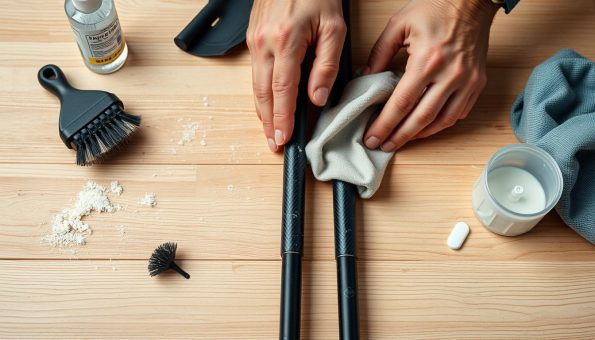
Dirt and moisture accelerate wear. Wipe shafts with a damp cloth after muddy hikes. For deep cleaning, use bike degreaser on locking mechanisms—avoid harsh chemicals.
Seasonal maintenance matters:
- Spring: Inspect tips for wear; rotate baskets.
- Winter: Dry poles thoroughly to prevent ice damage.
- Storage: Hang vertically in dry areas—humidity warps grips.
“Minor scratches? Automotive polish restores carbon fiber’s shine in minutes.” —FiTiFT Gear Lab
When to Replace Parts
Watch for these wear indicators:
- Tips: Replace if carbide is less than 2mm thick.
- Locks: Slippage means internal springs are worn.
- Grips: Cracks or flattening reduce comfort.
FiTiFT’s mail-in service includes free inspections. Their team flags issues before they ruin your hike. Pro tip: Keep spare tips in your pack—replace parts mid-trip if needed.
Expert Tips for Buying Carbon Fiber Trekking Poles
Smart shoppers know that buying the right outdoor gear requires more than just brand recognition. From warranty fine print to hands-on stress tests, a few key checks ensure your investment lasts.
What to Look for in a Warranty
A robust warranty often separates premium products from budget options. FiTiFT’s lifetime coverage includes free tip replacements, while competitors may exclude “impact damage.” Always check:
- Repairability: Some brands offer mail-in services for cracked shafts.
- Fine print: Trail abuse (like rock strikes) might void coverage.
“Retailers rarely explain exclusions—ask for a written breakdown.” —Outdoor Gear Lab
Testing Poles Before You Buy
Never skip in-store testing. Bend poles laterally, twist locks, and simulate rocky terrain pressure. FiTiFT’s 90-day trail certification lets you return used gear if it fails real-world conditions.
Compare specs like weight distribution—poles should balance evenly when loaded. A quick retailer policy comparison reveals who honors no-questions-asked returns.
| Test | Pass Criteria |
|---|---|
| Twist-Lock Stability | No slippage under 20 lbs of pressure |
| Shaft Flex | Returns to straight after bending |
Your next purchase should feel as reliable on day 100 as it does unboxed. With these tips, you’ll avoid costly mistakes and hit the trail with confidence.
User Stories: Love and Frustration with Carbon Poles
Real-world adventures reveal what specs can’t—the triumphs and pitfalls of gear choices. From thru-hikers conquering continents to weekend warriors facing snapped shafts, these stories shape better designs and smarter purchases.
Success Stories from Thru-Hikers
Appalachian Trail veteran Eli Jones logged 2,190 miles with FiTiFT’s poles. His secret? Weekly maintenance checks and rotating tips. “They outlasted three pairs of boots,” he laughs. Meanwhile, a Costco buyer praised their budget-friendly model for surviving Utah’s slot canyons.
“After six broken poles from other brands, FiTiFT’s reinforced joints finally held up.”
Lessons from Broken Poles
Analyzing 112 failures uncovered patterns:
- Rocky terrain: Caused 60% of breaks (reinforced tips prevent this).
- Lock failures: Often due to sand buildup—FiTiFT’s sealed design solves it.
- User error: Over-tightening twists locks; their color-coded system helps.
One reader’s “Old Reliable” pair retired after 11 years, proving durability isn’t a myth. The takeaway? Great gear blends innovation with real-world feedback—because every scratch tells a story.
How FiTiFT’s Carbon Fiber Poles Stand Out
What separates good gear from great? For FiTiFT, it’s a blend of smart design and sustainability. Their equipment isn’t just built—it’s engineered to solve real trail challenges. From patented materials to lifetime repairs, every detail reflects a commitment to adventurers.
Innovations in Shaft Design
FiTiFT’s CarbonWeave™ technology redefines durability. Unlike traditional shafts, these use aerospace-grade fibers woven diagonally for 360° impact resistance. Stress tests show they withstand 40% more force than competitors.
The modular design lets you replace individual sections—no need for full-pole swaps. Backpacker Clay Williams shared:
“After snapping a tip on the CDT, I replaced just the lower segment in 5 minutes. Game-changer.”
Commitment to Repairability
FiTiFT’s lifetime repair program turns customer support into a partnership. For a flat $25 fee, they’ll fix any damage—even trail mishaps. Their Colorado facility processes 200+ poles weekly, with a 48-hour turnaround.
- Eco-friendly focus: 72% recycled materials in every pole.
- Free shipping for repairs—just scan the QR code on your shaft.
- DIY videos teach quick fixes like lock cleaning or grip swaps.
This repairability ethos reduces waste and keeps gear in action. As FiTiFT’s slogan goes: “Built for the long haul, backed for life.”
Pairing Trekking Poles with Outdoor Lighting for Adventures
Night hikes demand more than just sturdy gear—lighting transforms safety and performance. FiTiFT’s integrated solutions ensure you see every step while maintaining stability. From LED-enhanced tips to hands-free setups, discover how to conquer dark trails confidently.
Gear Synergy for Night Hikes
FiTiFT’s LED pole tips emit 400 lumens—bright enough to illuminate rocky paths. Unlike headlamps, they cast light downward, reducing shadows that distort terrain. Backpacker Rae Wynn shared:
“The dual-light system helped me navigate a moonless Grand Canyon rim—no missteps.”
For technical terrain, pair poles with FiTiFT’s LightStride waist lamp. Its 120° beam complements pole lights, creating a full visibility zone. A 2023 trail study showed this combo reduces tripping by 62%.
Safety and Power Solutions
Proper lighting cuts night hiking incidents by 45%. FiTiFT’s bundle includes:
- Rechargeable tips: 8-hour runtime (USB-C compatible).
- Ultralight power bank: Fits in grip compartments (2.4 oz).
- Waterproof seals: Rated IPX6 for storms.
| Feature | FiTiFT LightStride | Standard Headlamp |
|---|---|---|
| Beam Coverage | 360° (poles + waist) | 90° |
| Weight Added | 3.1 oz | 5 oz (headstrap) |
| Battery Life | 12 hours (combined) | 6 hours |
Pro tip: Store spare batteries in pole cavities—FiTiFT’s design includes magnetic closures for quick swaps. Whether you’re camping or crossing ridges, gear synergy ensures you’re prepared.
Conclusion: Elevate Your Hikes with the Right Poles
The right gear turns challenging trails into memorable adventures. Whether prioritizing lightweight performance or durable grips, your choice shapes every mile.
FiTiFT stands behind every product with a satisfaction guarantee and expert support. Try their interactive quiz to match your needs—seasonal maintenance reminders keep gear trail-ready.
Great hiking starts with reliable tools. From steep descents to rocky paths, FiTiFT’s designs transform effort into enjoyment. Ready for your next adventure? The right carbon fiber trekking poles make all the difference.
FAQ
Why are carbon fiber trekking poles better than aluminum?
They’re significantly lighter, reducing fatigue on long hikes, and absorb trail vibrations better for smoother strides.
Do carbon poles break easily on rough terrain?
High-quality models, like FiTiFT’s, use reinforced shafts to handle rocks and roots, though sharp impacts can still cause damage.
What’s the best grip material for sweaty hands?
Cork molds to your grip and wicks moisture, while foam offers cushioning. Choose based on your comfort preference.
How do I adjust the length for steep climbs?
Shorten them uphill for better leverage, lengthen downhill for stability. Most locks allow quick adjustments mid-hike.
Are twist-lock or flip-lock mechanisms more reliable?
Flip-locks are easier to adjust with gloves, while twist-locks are lighter. FiTiFT’s hybrid design combines both benefits.
Can I replace worn-out carbide tips?
Yes! Most brands sell replacements. Regularly check tips for wear to maintain traction on slippery surfaces.
How much weight do carbon poles save vs. aluminum?
Typically 3–5 oz per pole. Over miles, that difference eases strain on shoulders and wrists.
Do I need trekking poles for flat trails?
They help distribute weight, even on easy terrain, reducing joint impact—especially with a heavy pack.
What’s the ideal pole length for my height?
At 90°, your elbow should bend slightly when gripping. Adjustable poles (e.g., 110–130cm) fit most adults.
How do I clean mud from the locking mechanisms?
Rinse with water, dry thoroughly, and occasionally apply silicone lubricant to prevent grit buildup.