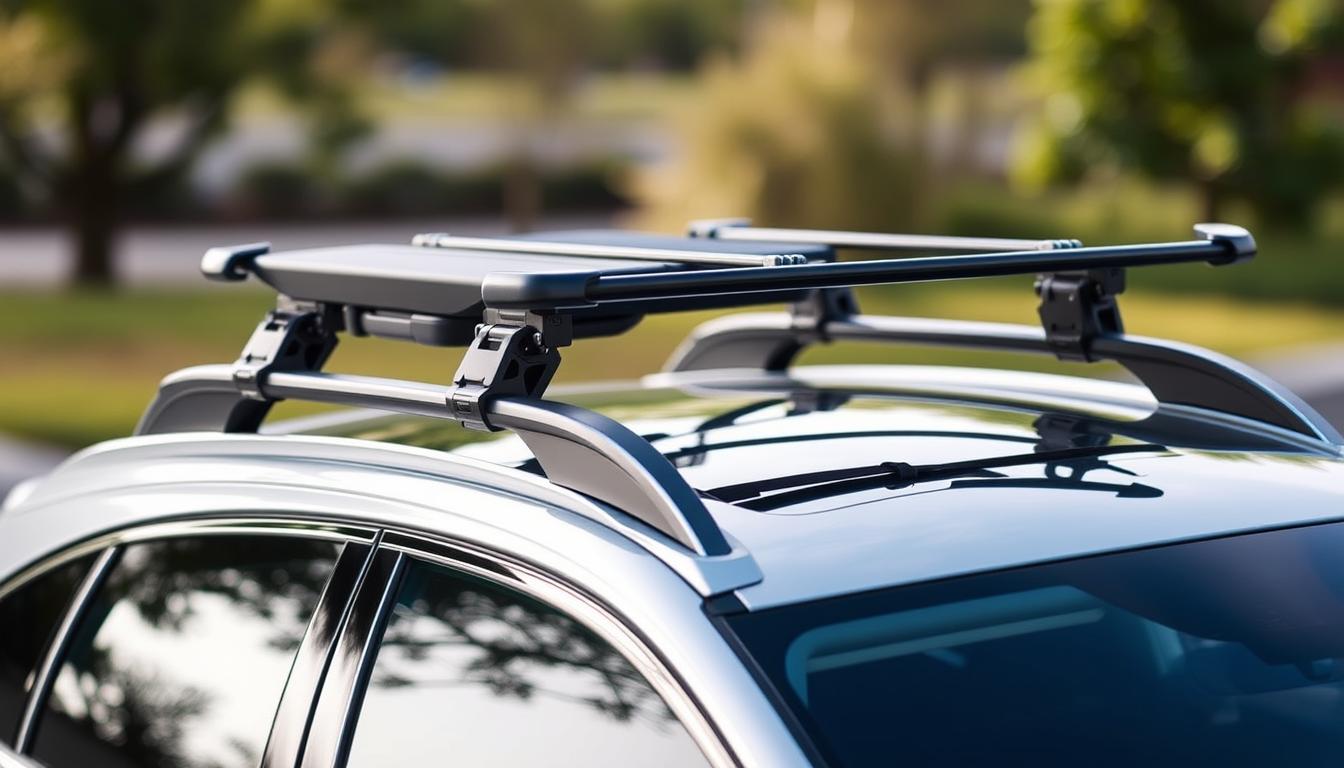
When it comes to maximizing storage space for your vehicle, a reliable roof rack system is a game-changer. Whether you’re planning a road trip, hauling sports gear, or transporting bulky items, these systems offer a secure and efficient solution. Brands like Thule lead the way with innovative designs that ensure a perfect fit for your vehicle.
Modern roof racks are designed to handle heavy loads while maintaining aerodynamic efficiency. This means less wind drag and better fuel economy during your travels. With options like cargo boxes and crossbars, you can customize your setup to suit your needs.
This guide will walk you through the benefits of using a roof rack, provide installation tips, and share real-world testing results. Whether you’re a seasoned adventurer or a casual traveler, this resource will help you choose the right product for your lifestyle.
Key Takeaways
- Roof racks provide extra storage and security for your vehicle.
- Thule offers high-quality, aerodynamic designs for modern vehicles.
- Customizable options like cargo boxes and crossbars enhance functionality.
- Proper installation ensures safety and efficiency.
- This guide is based on in-depth research and testing.
Overview of Rooftop Car Racks
For those seeking extra storage without compromising interior space, a roof rack system is the ultimate solution. These systems transform your vehicle’s roof into a functional storage area, making them essential for adventurers, commuters, and families alike.
What They Are and Why They Matter
A roof rack is a framework mounted on top of a vehicle, designed to carry additional gear or cargo. Whether you’re hauling sports equipment, luggage, or camping supplies, these systems provide a secure and efficient way to expand your vehicle’s capacity. Brands like Thule lead the market with innovative designs that ensure a perfect fit for various models.
Modern roof racks are engineered for stability and aerodynamics. This means less wind resistance, improved fuel efficiency, and a smoother ride. Features like adjustable crossbars and cargo boxes allow for customization based on your specific needs.
Applications Across Different Vehicles
One of the greatest advantages of roof racks is their versatility. They can be installed on a wide range of vehicles, from compact sedans to SUVs and trucks. Universal options are available, but custom-fit systems, like those from Thule, ensure maximum compatibility and security.
For example, Thule’s streamlined designs are tested for compatibility with popular brands like Ford, Toyota, and Chevrolet. Whether you’re transporting overlanding gear or everyday essentials, choosing the right product is crucial for safety and performance.
By selecting a roof rack that matches your vehicle’s specifications, you can enhance its utility and make every trip more convenient. Stay tuned for a deeper dive into the benefits and features of these systems in the next sections.
Benefits of Installing a Roof Rack System
Adding a roof rack system to your vehicle opens up a world of possibilities for storage and convenience. Whether you’re planning a family road trip or heading out for an overlanding adventure, these systems provide the extra space you need to carry all your essentials securely.
Enhanced Cargo Space and Versatility
One of the biggest advantages of a roof rack is the significant increase in cargo space. Unlike relying solely on your vehicle’s trunk, a cargo box or crossbar setup allows you to transport bulky items like camping gear, sports equipment, or luggage with ease. This added storage is perfect for families or adventurers who need to pack more without compromising passenger comfort.
These systems are incredibly versatile. From carrying kayaks and bicycles to securing heavy loads, a roof rack adapts to your needs. Brands like Thule offer designs that ensure a perfect fit for your vehicle, making installation seamless and secure.
Another benefit is improved weight distribution. By moving heavy items to the top of your vehicle, you can maintain better balance and handling. This is especially useful during long trips or when navigating tricky terrains. Plus, modern roof racks are designed to reduce wind drag, helping you save on fuel costs.
For those who love road trips, a roof rack is a game-changer. It allows you to pack everything you need while keeping the interior clutter-free. Overlanding enthusiasts also benefit from the extra space, as it supports transporting essential gear for extended adventures.
In summary, a roof rack system is more than just an add-on—it’s a practical solution for expanding your vehicle’s capabilities. Whether you’re hauling gear for a weekend getaway or preparing for a cross-country journey, this investment ensures you’re always ready for the road ahead.
Key Features of Durable Roof Racks
Durable roof racks are built to last, offering unmatched reliability for all your storage needs. These systems are designed with high-quality materials and innovative engineering to withstand harsh weather and heavy use. Whether you’re transporting gear for a weekend adventure or everyday essentials, a robust roof rack ensures your items stay secure.
Material Quality and Long-Term Reliability
One of the standout features of durable roof racks is their construction. Brands like Thule use premium materials such as reinforced aluminum and stainless steel. These materials resist rust, corrosion, and wear, ensuring the product remains functional for years.
Long-term reliability is also achieved through rigorous testing. Real-world reviews and performance tests highlight how these systems handle heavy loads and extreme conditions. For example, Thule’s designs are tested for compatibility with popular vehicles, ensuring a perfect fit and maximum security.
Aerodynamic Designs for Better Fuel Efficiency
Modern roof racks are engineered with aerodynamics in mind. Streamlined profiles reduce wind drag, which helps improve fuel efficiency. This is especially beneficial for long trips where every mile counts.
Features like vortex-reducing crossbars and integrated rails minimize noise and resistance. This not only enhances your driving experience but also ensures your cargo stays stable. Brands like Thule lead the way with these advanced designs, making their products a top choice for adventurers and commuters alike.
In summary, durable roof racks combine superior material quality, innovative engineering, and aerodynamic efficiency. These features make them a reliable and practical solution for expanding your vehicle’s storage capabilities.
Choosing the Best “rooftop car racks”
Selecting the right roof rack for your vehicle ensures both safety and convenience during your travels. A well-fitted system not only maximizes storage but also keeps your gear secure, whether you’re heading on a road trip or transporting bulky items.
Fit, Compatibility, and Secure Mounting
One of the most critical factors in choosing a roof rack is ensuring it fits your vehicle’s profile. A mismatched system can lead to instability and potential damage. Brands like Thule offer custom-fit options that align perfectly with specific models, ensuring maximum compatibility and security.
Secure mounting is equally important. A properly installed system prevents cargo from shifting during transit, reducing the risk of accidents. Look for products with advanced mounting kits, such as Thule’s SmarT-Slot Kit, which simplifies installation while enhancing stability.
Universal options are available, but they may not provide the same level of precision as custom-fit systems. For example, Thule’s designs are tested for compatibility with popular brands like Ford and Toyota, ensuring a seamless fit for a wide range of vehicles.
When assessing mounting systems, consider features like adjustable straps and reinforced rails. These elements help distribute the load evenly, maintaining your vehicle’s balance and handling. A well-fitted, securely mounted system not only enhances performance but also ensures long-term satisfaction.
In summary, choosing the right roof rack involves careful consideration of fit, compatibility, and secure mounting. By selecting a system that aligns with your vehicle’s specifications, you can enjoy added convenience and peace of mind on every journey.
Understanding Different Roof Rack Systems
Exploring the variety of roof rack systems can help you find the perfect fit for your vehicle. Whether you’re hauling sports gear or planning a road trip, understanding the differences between universal and custom-fit options is key. This section breaks down the essentials to guide your decision.
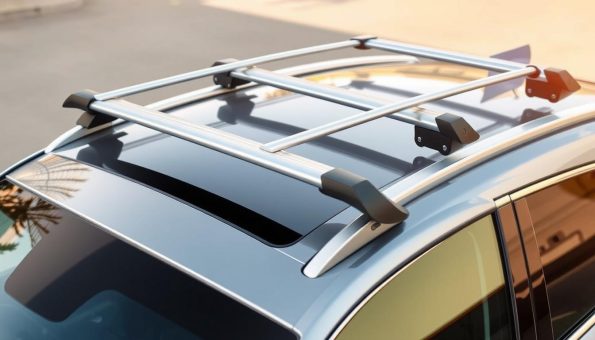
Universal vs. Custom-Fit Options
Universal roof racks are designed to fit a wide range of vehicles. They’re a great choice if you need flexibility or plan to switch cars often. However, they may not provide the same level of stability as custom-fit systems.
Custom-fit options, like those from Thule, are engineered for specific models. These systems ensure a precise fit, enhancing security and aerodynamics. For example, Thule’s designs are tested for compatibility with popular brands like Ford and Toyota.
Choosing between universal and custom-fit depends on your needs. If you prioritize a tailored solution, custom-fit systems are worth the investment. They offer better load security and improved fuel efficiency.
Crossbar and Rail Configurations
Crossbars and rails are the backbone of any roof rack system. Crossbars span the width of your vehicle, providing a base for attaching cargo boxes or gear. Rails, often pre-installed on SUVs, offer additional support and stability.
Configurations vary based on your vehicle’s design. For example, raised rails leave a gap between the rail and the roof, reducing wind noise. Crossbars can be mounted on vehicles with or without rails, offering versatility.
When selecting a system, consider the load capacity and installation method. Adjustable straps and reinforced rails ensure even weight distribution, maintaining your vehicle’s balance. Brands like Thule provide advanced mounting kits for seamless installation.
In summary, understanding the differences between universal and custom-fit systems, as well as crossbar and rail configurations, helps you choose the right roof rack for your needs. Whether you’re transporting sports gear or planning an adventure, the right system ensures safety and convenience.
Maximizing Cargo Space with Roof Platforms
Transforming your vehicle’s roof into a functional storage area has never been easier with roof platforms. These flat, sturdy surfaces are perfect for mounting a variety of accessories, making them ideal for overlanding, camping, and transporting sports equipment.
One of the biggest advantages of a roof platform is its versatility. Whether you’re hauling bulky gear or setting up a rooftop tent, these platforms provide a secure and spacious solution. Brands like Thule offer designs that ensure a perfect fit for your vehicle, enhancing both functionality and safety.
For adventurers, a roof platform is a game-changer. It allows you to carry everything from kayaks to camping supplies without compromising interior space. The flat surface also makes it easy to load and unload cargo, ensuring a hassle-free experience.
When choosing a platform, consider the load capacity and material quality. High-quality options, like those from Thule, are made from durable materials such as aluminum or steel. These materials resist rust and wear, ensuring long-term reliability.
To maximize space safely, use cargo nets and tie-down straps. These accessories keep your gear secure, even on rough terrains. Additionally, wind fairings can reduce noise and improve aerodynamics, making your journey smoother.
In summary, a roof platform is an essential addition for anyone with an adventurous lifestyle. It expands your vehicle’s storage capabilities, ensuring you’re always ready for the next adventure.
Enhancing Functionality with Roof Rack Accessories
Expanding your vehicle’s storage potential is easier with the right accessories. From integrated crossbars to adjustable components, these add-ons can transform your roof rack into a versatile solution for all your needs. Whether you’re hauling sports equipment or planning a road trip, accessories ensure your gear stays secure and accessible.
Integrated Crossbars and Adjustable Components
Integrated crossbars are a game-changer for achieving a streamlined look and secure fit. These components are designed to blend seamlessly with your vehicle’s profile, reducing wind drag and improving fuel efficiency. Brands like Thule offer crossbars that are tested for compatibility with popular models, ensuring a perfect match.
Adjustable components add another layer of customization. Whether you’re transporting a cargo box or bulky items, these features allow you to adapt your setup based on the size and type of gear. For example, adjustable mounting systems make it easy to secure everything from bicycles to kayaks.
Accessories like cargo nets and tie-down straps further enhance functionality. These tools keep your items stable, even on rough terrains. With the right combination of accessories, you can maximize your vehicle’s storage capacity while ensuring everything stays in place.
Compatibility is key when selecting accessories. Leading brands like Thule design their products to work cohesively, creating a system that’s both reliable and easy to use. This ensures that loading, securing, and unloading your gear is a hassle-free experience.
In summary, accessories are essential for unlocking the full potential of your roof rack. From integrated crossbars to adjustable components, these add-ons provide the flexibility and security you need for any adventure.
Installation Tips for a Secure Roof Rack
Installing a roof rack doesn’t have to be complicated—here’s how to do it right. Whether you’re adding a cargo box or securing sports gear, proper installation ensures safety and stability. Follow these steps to make the process smooth and hassle-free.
Step-by-Step Mounting Processes
Start by gathering the necessary tools: a wrench, screwdriver, and measuring tape. Most Thule systems come with a quick-lock mechanism, making installation easier. Begin by attaching the foot mounts to your vehicle’s roof, ensuring they align with the factory-installed points.
Next, secure the crossbars to the foot mounts. Use the provided fit kit to ensure a snug fit. Tighten all bolts evenly to avoid uneven weight distribution. For added stability, double-check the alignment before finalizing the setup.
Once the crossbars are in place, attach your cargo box or other accessories. Use tie-down straps to secure bulky items, ensuring they don’t shift during transit. A well-installed roof rack not only enhances storage but also improves fuel efficiency by reducing wind drag.
Common Installation Tools and Techniques
Using the right tools can save time and prevent mistakes. A torque wrench is essential for tightening bolts to the manufacturer’s specifications. For vehicles with bare roofs, a fit kit is crucial for creating secure attachment points.
Here’s a quick reference table for installation steps:
| Step | Action | Tips |
|---|---|---|
| 1 | Attach foot mounts | Align with factory points |
| 2 | Secure crossbars | Use a fit kit for precision |
| 3 | Tighten bolts | Use a torque wrench |
| 4 | Attach accessories | Use tie-down straps |
Finally, test the setup by gently shaking the roof rack to ensure it’s secure. If everything feels stable, you’re ready to hit the road. Remember, even weight distribution is key to maintaining your vehicle’s balance and handling.
By following these steps, you can confidently install a roof rack that’s both secure and functional. Whether you’re transporting gear for a weekend adventure or preparing for a long trip, proper installation ensures peace of mind.
Optimizing Load Capacity and Distribution
Understanding how to optimize your vehicle’s load capacity ensures safety and efficiency on the road. Whether you’re transporting a cargo box or sports equipment, adhering to weight limits and proper distribution is crucial. This section provides practical tips to help you make the most of your roof setup while staying safe.
Weight Limits and Safety Considerations
Every roof rack system has a maximum load capacity, typically ranging from 150 to 200 pounds. Exceeding this limit can compromise your vehicle’s stability and handling. For example, many cargo boxes have a weight limit of around 165 pounds. Always check the manufacturer’s guidelines to avoid overloading.
Proper weight distribution is equally important. Heavy items should be placed in the center of the roof to maintain balance. Uneven loads can cause shifting during transit, increasing the risk of accidents. Use tie-down straps and cargo nets to secure your items effectively.
Here are some key safety tips to keep in mind:
- Adhere to the manufacturer’s weight limits to prevent damage.
- Distribute weight evenly across the roof for better stability.
- Regularly inspect your rack for wear or loose components.
Brands like Thule design their systems with safety in mind. Their products undergo rigorous testing to ensure they meet industry standards. For instance, Thule’s cargo boxes are engineered to handle heavy loads without compromising aerodynamics.
Proper load optimization not only enhances safety but also improves fuel efficiency. By reducing wind drag and maintaining balance, you can enjoy a smoother ride and lower fuel costs. Remember, a well-distributed load is key to maximizing your vehicle’s performance.
In summary, understanding weight limits and practicing proper load distribution are essential for safe and efficient travel. By following these guidelines, you can make the most of your roof rack while minimizing risks.
Comparing Leading Brands and Systems
Choosing the right brand for your storage needs can make all the difference. When it comes to roof systems, brands like Thule and Yakima stand out for their quality and innovation. Each offers unique features and price points, making it essential to compare them before making a decision.
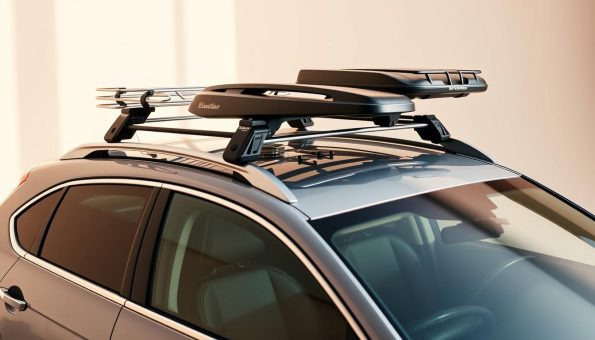
Thule, Yakima, and Other Market Leaders
Thule is known for its aerodynamic designs and quick-lock systems. Their cargo boxes and crossbars are engineered for a perfect fit, ensuring stability and ease of use. For example, the Thule Motion 3 XL offers a spacious 21 cubic feet of storage, ideal for road trips.
Yakima, on the other hand, focuses on versatility. Their SkyBox NX XL provides 22 cubic feet of space and accommodates skis up to 195 cm. Both brands are tested for compatibility with popular vehicle models, ensuring a secure fit for your needs.
Unique Features and Price Points
Price is a key factor when choosing a roof system. Thule’s high-end models, like the Vector M, cost around $2,000 but offer premium features like enhanced durability and sleek designs. For budget-conscious buyers, Yakima’s RocketBox Pro 14 provides excellent value at $599.
Here’s a quick comparison of popular models:
| Brand | Model | Price | Features |
|---|---|---|---|
| Thule | Motion 3 XL | $1,050 | 21 cubic feet, 6 ski pairs |
| Yakima | SkyBox NX XL | $799 | 22 cubic feet, 195 cm skis |
| Thule | Vector M | $2,000 | 13 cubic feet, luxury design |
| Yakima | RocketBox Pro 14 | $599 | 14 cubic feet, budget-friendly |
Both brands excel in different areas. Thule is ideal for those seeking premium features, while Yakima offers affordability without compromising quality. Consider your budget and storage needs to find the best roof system for your vehicle.
Innovative Features in Thule Roof Racks
Thule continues to redefine convenience and safety with its cutting-edge roof rack innovations. From advanced lighting systems to streamlined installation processes, these features are designed to enhance your experience on the road. Whether you’re loading gear at night or securing heavy cargo, Thule’s solutions are built to meet modern demands.
LED Lighting for Enhanced Safety
One standout feature in Thule’s lineup is integrated LED lighting. This addition transforms nighttime loading into a hassle-free experience. The lights illuminate your cargo box, making it easier to organize and secure items after dark. It’s a small detail that significantly improves usability and safety.
Quick-Lock Systems for Effortless Installation
Thule’s quick-lock systems simplify the installation process. With intuitive mechanisms, you can secure your roof rack in minutes. This feature is especially useful for frequent travelers who need to switch setups quickly. The system ensures a snug fit, reducing the risk of shifting during transit.
Other modern innovations include:
- Aerodynamic designs that reduce wind drag and improve fuel efficiency.
- Dual-side openings for easy access in tight parking spaces.
- Weather-resistant materials that protect your cargo from rain, snow, and UV rays.
These features not only enhance functionality but also elevate the overall appearance of your vehicle. Thule’s commitment to innovation ensures that every product meets the highest standards of performance and reliability.
In summary, Thule’s innovative features like LED lighting and quick-lock systems make their roof racks a top choice for adventurers and commuters alike. These advancements combine practicality with modern design, ensuring a seamless experience for every journey.
Real-World Testing and Customer Insights
Understanding how products perform in real-world scenarios is crucial for making informed decisions. Extensive testing—from road trips to controlled field tests—has provided valuable insights into the performance and durability of various roof carriers. This section dives into the methodology behind these tests and summarizes customer feedback to help you choose the best solution for your needs.
Performance Reviews and Field Tests
Real-world testing involves evaluating roof systems under diverse conditions. For example, brands like Thule and Yakima subject their products to rigorous road tests to assess durability, ease of installation, and security. These tests simulate everyday use, from long highway drives to rough terrains, ensuring the systems can handle real-life challenges.
Customer reviews also play a significant role in understanding performance. Many users praise Thule’s quick-lock systems for their ease of use and secure fit. Others highlight the versatility of Yakima’s cargo boxes, which accommodate a wide range of gear. These insights provide a well-rounded perspective on how these products perform outside the lab.
Here’s a summary of key findings from real-world testing:
- Ease of Installation: Thule’s quick-lock systems are praised for their simplicity and speed.
- Durability: Both Thule and Yakima products withstand harsh weather and heavy loads.
- Security: Advanced mounting systems ensure cargo stays in place, even on bumpy roads.
For example, the Thule Motion XT XL scored high in controlled tests for its aerodynamic design and spacious cargo box. Similarly, the Yakima GrandTour 16 received positive feedback for its ease of use and secure fit. These results highlight the reliability of top brands in the market.
Here’s a comparison of popular models based on real-world testing:
| Brand | Model | Ease of Use | Durability | Security |
|---|---|---|---|---|
| Thule | Motion XT XL | 9/10 | 9/10 | 8/10 |
| Yakima | GrandTour 16 | 8/10 | 8/10 | 9/10 |
| Goplus | Rooftop Carrier | 7/10 | 6/10 | 6/10 |
In summary, real-world testing and customer insights provide a comprehensive view of how roof systems perform in everyday scenarios. Whether you’re looking for ease of installation, durability, or security, these reviews help you make an informed choice for your vehicle.
Upgrading Fit Kits and Custom Components
Upgrading your vehicle’s storage system doesn’t have to mean starting from scratch. Instead of replacing your entire roof rack, updating fit kits and custom components can be a smart, cost-effective alternative. This approach not only saves money but also ensures your system remains compatible with your vehicle.
When evaluating your current setup, consider factors like wear and compatibility. Over time, parts like foot mounts or fit kits may need replacement to maintain stability. Brands like Thule offer high-quality components designed to enhance performance and longevity.
Custom components ensure a better fit and improved performance. For example, upgrading to a Thule fit kit can provide a snugger attachment, reducing vibrations and noise during transit. This precision not only enhances safety but also extends the life of your rack.
Here’s a quick comparison of popular fit kit upgrades:
| Brand | Component | Price | Benefits |
|---|---|---|---|
| Thule | Fit Kit 3101 | $149.95 | Improved stability, easy installation |
| Yakima | BaseClip Fit Kit | $129.99 | Universal compatibility, durable materials |
| Rhino-Rack | Fit Kit for SUVs | $119.99 | Secure fit, weather-resistant |
Upgrading individual parts can also save you money in the long run. For instance, replacing worn-out foot mounts or adding a cargo box can refresh your system without the need for a full replacement. This approach is especially useful for frequent travelers who want to maximize their vehicle’s storage potential.
When choosing fit kit upgrades, look for features like durability and ease of installation. Brands like Thule offer lifetime warranties on many components, ensuring long-term reliability. Additionally, consider compatibility with your vehicle’s design to achieve the best results.
“Upgrading fit kits is a practical way to extend the life of your roof rack while maintaining peak performance.”
By focusing on specific upgrades, you can enhance your roof rack’s functionality without breaking the bank. Whether you’re adding a cargo box or refreshing foot mounts, these small changes can make a big difference in your travels.
Avoiding Common Installation and Usage Mistakes
Ensuring your roof rack is installed correctly is essential for both safety and performance. Even small errors can lead to big problems, from reduced fuel efficiency to potential accidents. Here’s how to avoid common pitfalls and keep your setup secure.
One frequent mistake is improper mounting. A loose or uneven fit can cause vibrations, noise, and even damage to your vehicle. Always follow the manufacturer’s guidelines, especially when attaching foot mounts and crossbars. For example, Thule systems come with detailed instructions to ensure a snug and secure installation.
Another issue is poor load distribution. Placing heavy items on one side can affect your vehicle’s balance and handling. Always center the weight and use tie-down straps to keep everything in place. Overloading is also a common error. Most roof racks have a weight limit of around 165 pounds, so be mindful of how much you’re carrying.
| Mistake | Solution |
|---|---|
| Improper mounting | Follow manufacturer instructions, tighten bolts evenly |
| Poor load distribution | Center heavy items, use tie-down straps |
| Overloading | Adhere to weight limits, include rack weight in calculations |
Real-world examples highlight the importance of proper installation. For instance, a poorly secured cargo box can shift during transit, leading to accidents or damage. Similarly, overloading can cause weld cracks, especially on rough terrains. These issues are easily avoidable with careful planning and attention to detail.
By following these tips, you can ensure your roof rack performs at its best. Proper installation and usage not only enhance safety but also extend the life of your system. Whether you’re transporting gear for a weekend trip or preparing for a long journey, avoiding these mistakes will make every trip smoother and more enjoyable.
Maintaining Your Roof Rack for Longevity
Keeping your roof rack in top shape ensures it lasts for years and performs reliably. Regular maintenance not only extends its lifespan but also keeps your cargo secure during every trip. Here’s how to care for your system with simple, effective steps.
Regular Inspections and Cleaning Tips
Start with monthly inspections to check for loose bolts or worn-out parts. Tighten any loose components and replace damaged ones immediately. This is especially important after long trips or exposure to harsh weather.
Cleaning your rack is equally important. Use warm water and mild soap to remove dirt and debris. Avoid automatic car washes, as they can damage the system. For Thule products, hand washing is recommended to preserve the finish.
Winterizing your system is crucial for cold climates. Remove snow and ice buildup to prevent corrosion. Lubricate locks and clamps periodically to ensure smooth operation. Storing your cargo box indoors during off-seasons can also extend its life.
Here’s a quick reference table for maintenance tasks:
| Task | Frequency | Tips |
|---|---|---|
| Inspect bolts and clamps | Monthly | Tighten as needed, replace damaged parts |
| Clean components | After trips | Use warm water and mild soap |
| Lubricate locks | Twice a year | Use manufacturer-recommended lubricants |
| Winterize system | Before winter | Remove snow, store cargo box indoors |
By following these tips, you can keep your roof rack in excellent condition. Regular maintenance ensures safety, reliability, and long-term performance, making every journey smoother and more enjoyable.
Conclusion
Investing in a quality roof rack system can transform your vehicle’s storage capabilities. Throughout this guide, we’ve explored how these systems enhance space, security, and versatility. Whether you’re transporting a cargo box or securing sports gear, the right setup ensures peace of mind on every trip.
Choosing a system that fits your vehicle and lifestyle is crucial. Brands like Thule offer innovative features, from quick-lock mechanisms to aerodynamic designs, making them a top choice for adventurers and commuters alike. Regular maintenance, like inspecting foot mounts and cleaning components, ensures long-term performance.
Use the insights shared here to make an informed decision. Consult detailed product guides and reviews to find the perfect match for your needs. A well-selected roof rack is more than an accessory—it’s an investment in convenience and reliability for all your journeys.
FAQ
What is a roof rack system, and why is it important?
A roof rack system is a set of crossbars and attachments designed to secure cargo on top of your vehicle. It’s essential for expanding storage space, especially for outdoor gear, luggage, or bulky items.
Are roof racks compatible with all vehicles?
Most roof racks are designed to fit a wide range of vehicles, but compatibility depends on the system. Universal options work for many cars, while custom-fit kits ensure a perfect match for specific models.
How do I choose the right roof rack for my car?
Consider factors like fit, load capacity, and design. Look for systems with secure mounting, aerodynamic features, and compatibility with your vehicle’s roof type, whether it has rails or bare panels.
What are the benefits of using a cargo box with a roof rack?
A cargo box adds extra storage space while protecting your gear from weather and theft. It’s ideal for road trips, camping, or transporting sports equipment securely.
How do I install a roof rack system properly?
Follow the manufacturer’s instructions step-by-step. Ensure the crossbars are aligned, the feet are securely attached, and the system is tightened to prevent movement during travel.
What is the difference between universal and custom-fit roof racks?
Universal racks are adjustable and work with most vehicles, while custom-fit options are tailored to specific models for a seamless and secure installation.
Can I add accessories to my roof rack system?
Yes! Many systems support accessories like bike mounts, ski carriers, or cargo baskets. These enhance functionality and make it easier to transport specialized gear.
How do I maintain my roof rack for long-term use?
Regularly inspect the system for wear, clean it to remove dirt and debris, and tighten any loose components. Proper maintenance ensures durability and safety.
What are the weight limits for roof racks?
Weight limits vary by system and vehicle. Always check the manufacturer’s guidelines to avoid overloading, which can compromise safety and performance.
Why are Thule roof racks popular among users?
Thule systems are known for their innovative features, like quick-lock mechanisms, aerodynamic designs, and durable materials, making them a top choice for secure and efficient cargo transport.