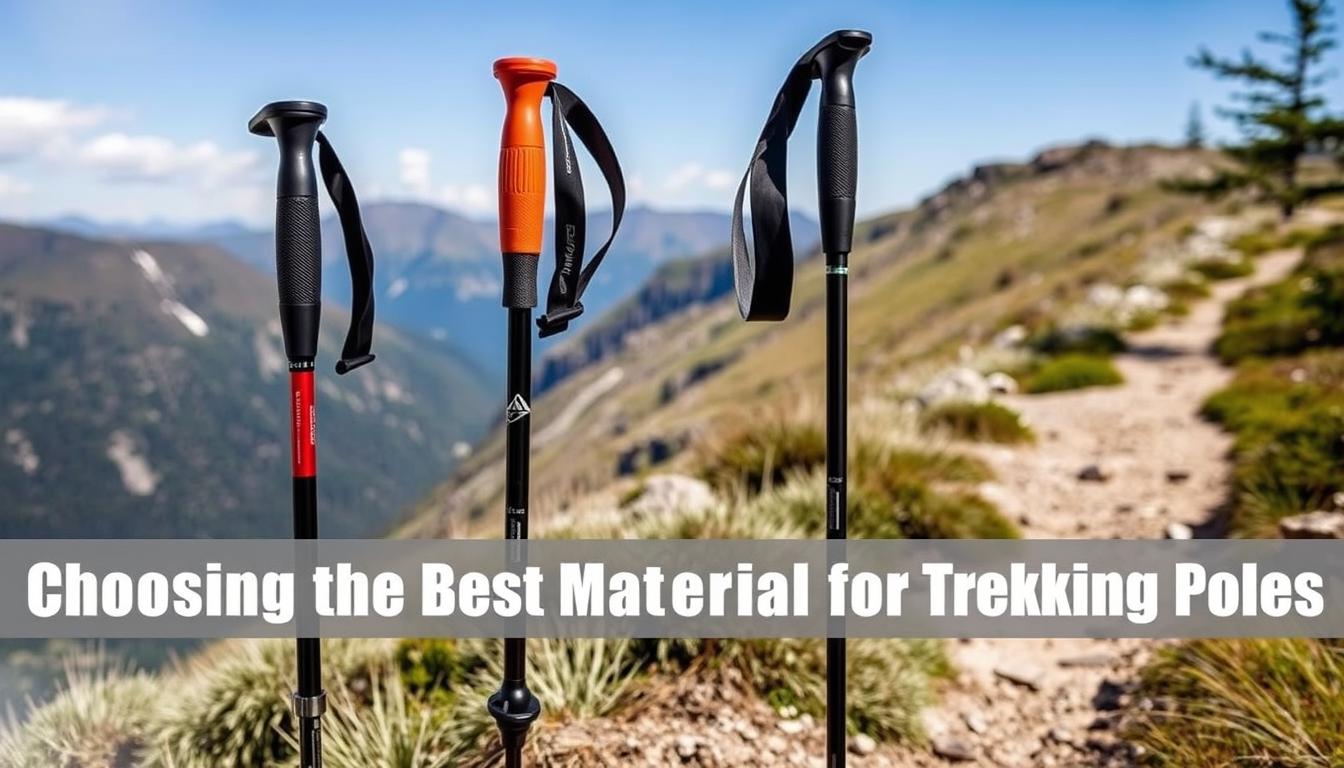
Choosing the right material for your trekking poles can significantly impact your hiking experience. The perfect poles should balance weight, durability, shock absorption, and cost—all factors directly influenced by the materials used in construction. Whether you’re a casual day hiker or an ultralight thru-hiker, understanding the pros and cons of different trekking pole materials will help you make an informed decision that enhances your outdoor adventures.
Why Trekking Pole Materials Matter
The material of your trekking poles affects virtually every aspect of performance. Weight impacts arm fatigue during long hikes. Durability determines how the poles handle rough terrain and accidental impacts. Shock absorption influences joint protection. And of course, material choice significantly affects price point.
When selecting trekking poles, the material should align with your specific hiking style, terrain preferences, and budget constraints. Let’s explore the most common materials used in today’s trekking poles and how they perform in real-world conditions.
Common Trekking Pole Materials Compared
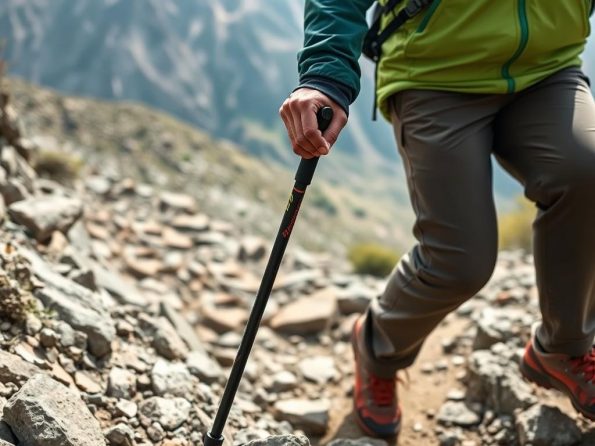
Manufacturers typically use four primary materials for trekking poles, each with distinct characteristics that affect performance, durability, and price. Let’s examine each option in detail.
| Material | Weight | Durability | Shock Absorption | Price Range | Best For |
| Aluminum | Medium (14-18 oz/pair) | High | Medium | $30-$100 | All-purpose hiking, rough terrain |
| Carbon Fiber | Light (7-12 oz/pair) | Medium | High | $100-$200+ | Long-distance hiking, ultralight backpacking |
| Composite | Medium-Light (10-15 oz/pair) | Medium-High | Medium-High | $80-$150 | Versatile use, balance of properties |
| Titanium | Light (9-14 oz/pair) | Very High | Low | $150-$250+ | Technical terrain, long-term investment |
Aluminum Trekking Poles
Aluminum remains the most common material for trekking poles, particularly in entry-level and mid-range options. Typically made from aircraft-grade aluminum alloy (7075-T6), these poles offer an excellent balance of durability and affordability.
Advantages of Aluminum Poles
- Highly durable and resistant to impact
- Can bend under pressure without catastrophic failure
- More affordable than other materials
- Performs well in extreme temperatures
- Can be repaired in the field more easily
Disadvantages of Aluminum Poles
- Heavier than carbon fiber options
- Less effective at dampening vibration
- Can feel cold in winter conditions
- May eventually develop fatigue cracks
- Less ideal for ultralight backpacking
Aluminum trekking poles excel in rough terrain where durability is paramount. If you tend to put significant pressure on your poles or hike in rocky environments, aluminum’s ability to bend rather than break could be a crucial advantage.
Top-Rated Aluminum Trekking Poles
Looking for reliable aluminum trekking poles? The Cascade Mountain Tech Aluminum Quick Lock poles offer exceptional value with adjustable heights and comfortable cork grips.
Carbon Fiber Trekking Poles
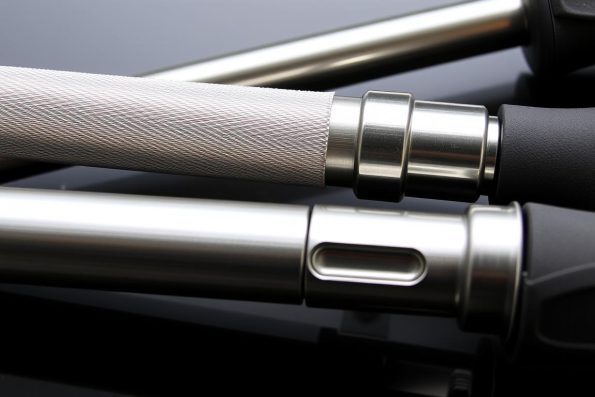
Carbon fiber has revolutionized trekking pole design, offering significant weight savings without compromising structural integrity. These poles are constructed from carbon fiber composite—layers of carbon fiber cloth bonded with resin under pressure.
Advantages of Carbon Fiber Poles
- Significantly lighter than aluminum (30-40% weight reduction)
- Superior vibration dampening and shock absorption
- Reduces arm fatigue on long hikes
- Doesn’t conduct cold in winter conditions
- Ideal for ultralight backpacking and thru-hiking
Disadvantages of Carbon Fiber Poles
- More expensive than aluminum alternatives
- Can shatter or splinter under extreme lateral pressure
- Less durable when subjected to impact against rocks
- Difficult to repair in the field if damaged
- More vulnerable to UV degradation over time
Carbon fiber trekking poles shine on long-distance treks where every ounce matters. The reduced weight translates to less arm fatigue, while the superior vibration dampening protects your joints on hard surfaces. However, they require more careful handling in rocky terrain.
Premium Carbon Fiber Trekking Poles
Experience the lightweight advantage of carbon fiber with Black Diamond Distance Carbon Z Trekking Poles—ultralight, foldable, and perfect for long-distance hikers.

Composite Trekking Poles
Composite trekking poles combine materials to balance the benefits of different options. Typically, these poles feature carbon fiber upper sections with aluminum lower sections, creating a hybrid that addresses the weaknesses of both materials.
Advantages of Composite Poles
- Better durability than pure carbon fiber
- Lighter than full aluminum construction
- Good vibration dampening properties
- Strategic placement of materials for optimal performance
- Middle-range price point
Disadvantages of Composite Poles
- Not as light as pure carbon fiber
- Not as durable as pure aluminum
- Can have connection points that may weaken over time
- Performance varies widely between manufacturers
- May lack the specialized benefits of single-material poles
Composite trekking poles offer a “best of both worlds” approach, making them excellent all-around performers for varied terrain. The carbon upper sections reduce weight where it matters most for swing weight, while aluminum lower sections provide durability where poles contact rocks and rough surfaces.
Versatile Composite Trekking Poles
Try the Leki Makalu Lite Cor-Tec composite trekking poles for an excellent balance of weight savings and durability across various terrains.
Titanium Trekking Poles
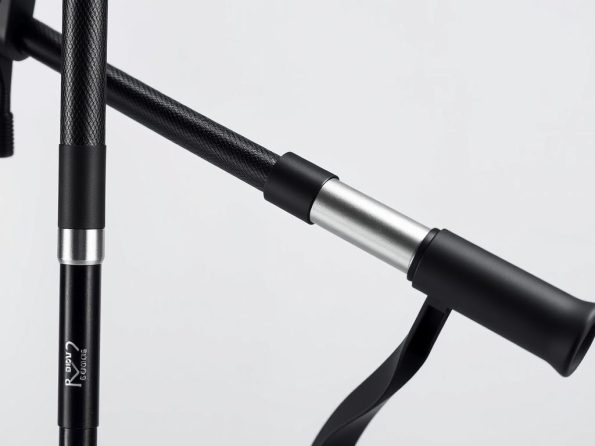
Titanium represents the premium end of the trekking pole material spectrum. While less common than aluminum or carbon fiber, titanium offers exceptional strength-to-weight ratio and virtually unmatched durability.
Advantages of Titanium Poles
- Exceptional durability and resistance to corrosion
- Lighter than aluminum but stronger
- Extremely long lifespan
- Natural flexibility without permanent deformation
- Performs well in all temperature extremes
Disadvantages of Titanium Poles
- Significantly more expensive than other materials
- Limited vibration dampening properties
- Less commonly available from major manufacturers
- May transmit more shock to joints than carbon fiber
- Overkill for casual or occasional hikers
Titanium trekking poles represent a long-term investment for serious hikers who demand the ultimate in durability. They excel in extreme conditions and technical terrain where equipment failure is not an option. However, their premium price point puts them beyond the reach of many recreational hikers.
Premium Titanium Trekking Poles
Invest in Gossamer Gear LT5 Three-Piece Titanium Trekking Poles for unmatched durability and performance that will last for years of adventure.

Key Factors to Consider When Choosing Trekking Pole Materials
Beyond the inherent properties of each material, several personal and environmental factors should influence your trekking pole material selection.
Terrain Considerations
Rocky/Technical Terrain
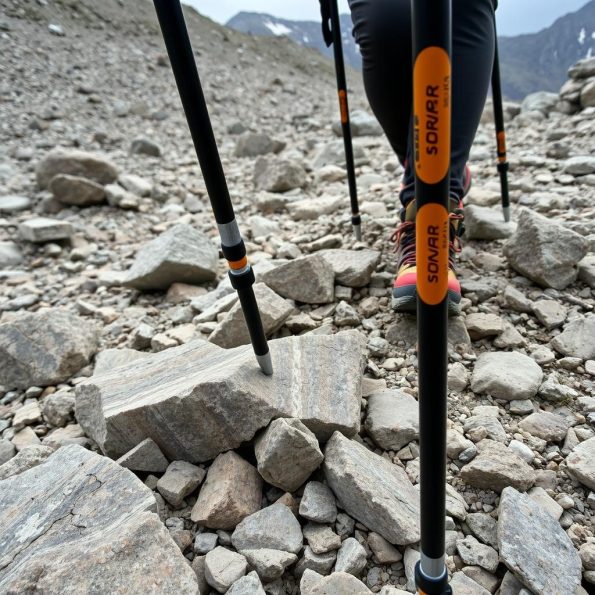
For hiking on rocky, technical trails where poles frequently strike hard surfaces, durability should be your primary concern. Aluminum and titanium poles resist impact damage better than carbon fiber, which can chip or crack when struck against rocks.
Long-Distance Trails
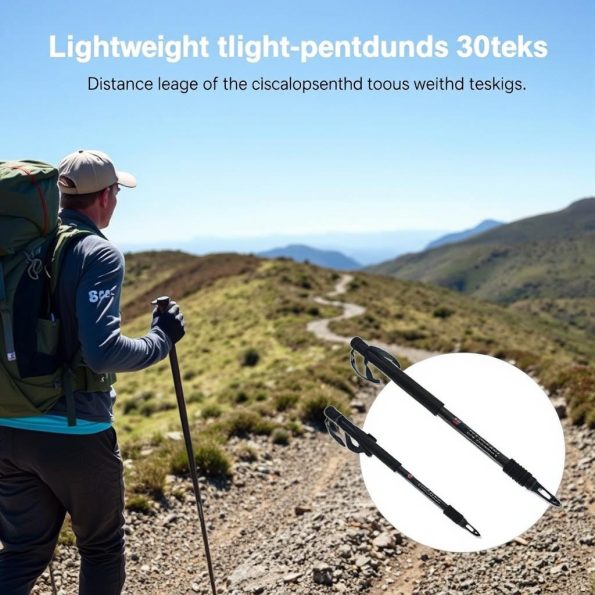
For thru-hiking or multi-day backpacking trips, weight becomes increasingly important. The cumulative effect of lifting slightly heavier poles thousands of times per day adds up. Carbon fiber or lightweight composite poles excel in these scenarios, reducing arm fatigue over long distances.
User Experience Level
Beginner Hikers
If you’re new to hiking with trekking poles, aluminum poles offer the best combination of affordability and durability. Their ability to bend rather than break forgives the occasional misstep, and their lower cost means less financial risk as you develop your technique.

Experienced Backpackers
Seasoned hikers who have refined their technique and understand their personal preferences can better justify the investment in premium materials like carbon fiber or titanium. The weight savings and performance benefits become more apparent with experience.

Budget Considerations
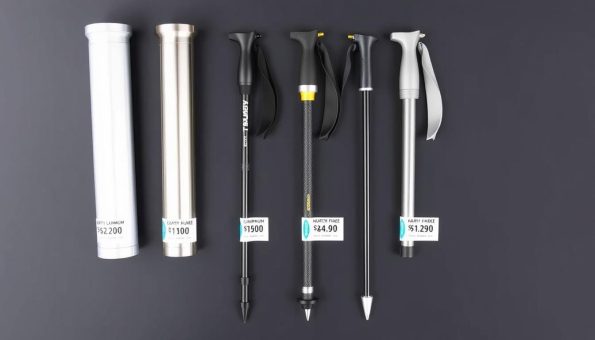
Your budget inevitably influences material choice. While premium materials offer performance benefits, they come at a significant cost premium:
| Budget Level | Recommended Material | Typical Price Range | Expected Lifespan |
| Entry-Level | Aluminum | $30-$60 | 2-5 years |
| Mid-Range | Aluminum or Composite | $60-$120 | 3-7 years |
| Premium | Carbon Fiber or Composite | $120-$200 | 5-10 years |
| Ultra-Premium | Carbon Fiber or Titanium | $200+ | 7-15+ years |
Expert Recommendations by Hiker Type
Different hiking styles and preferences call for different trekking pole materials. Here are expert recommendations based on your specific needs:
Casual Day Hikers
Recommended Material: Aluminum
For occasional day hikes on established trails, aluminum poles offer the best value. Their durability handles occasional use without requiring special care, and the weight penalty is less noticeable on shorter outings.
Top Pick: REI Co-op Trailbreak Trekking Poles
Ultralight Backpackers
Recommended Material: Carbon Fiber
When every ounce counts, carbon fiber poles deliver significant weight savings that compound over long distances. The reduced swing weight minimizes arm fatigue during all-day hiking.
Top Pick: Black Diamond Distance Carbon Z
All-Terrain Adventurers
Recommended Material: Composite
For hikers who tackle varied terrain from forest trails to alpine scrambles, composite poles offer the best balance of weight savings and durability across different conditions.
Top Pick: Leki Makalu Lite Cor-Tec
Winter Hikers/Snowshoers
Recommended Material: Aluminum
Cold temperatures can make carbon fiber more brittle. Aluminum poles better withstand the additional forces exerted during winter hiking and snowshoeing, despite the slight weight penalty.
Top Pick: MSR DynaLock Ascent
Thru-Hikers
Recommended Material: Carbon Fiber
For multi-month journeys where poles see daily use for thousands of miles, the weight savings of carbon fiber significantly reduces cumulative fatigue while providing adequate durability.
Top Pick: Gossamer Gear LT5
Budget-Conscious Hikers
Recommended Material: Aluminum
Quality aluminum poles deliver 80% of the performance at 50% of the cost of premium materials. They represent the best value for hikers who want reliability without breaking the bank.
Top Pick: Cascade Mountain Tech Quick Lock

Material-Specific Maintenance Considerations
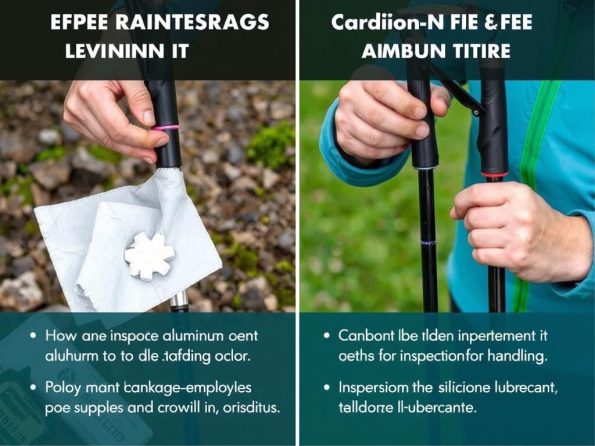
Different trekking pole materials require different care approaches to maximize lifespan and performance:
Aluminum Pole Maintenance
- Rinse with fresh water after exposure to salt (ocean hikes or sweat)
- Inspect regularly for small cracks, especially near adjustment points
- Apply silicone lubricant to locking mechanisms every few months
- Bent sections can often be carefully straightened if not severely damaged
- Store fully extended to reduce stress on internal mechanisms
Carbon Fiber Pole Maintenance
- Inspect frequently for chips, cracks, or splinters in the carbon
- Avoid exposure to extreme heat (like car interiors in summer)
- Never use as a pry bar or lever
- Clean with mild soap and water only (no solvents)
- Store away from UV exposure when not in use
Conclusion: Choosing the Best Material for Your Needs
When it comes to selecting the best material for trekking poles, there’s no one-size-fits-all answer. The ideal choice depends on your specific hiking style, terrain preferences, budget constraints, and performance priorities.
For most recreational hikers, aluminum poles offer the best combination of durability and value. Their ability to withstand impacts and occasional misuse makes them forgiving companions on the trail. If weight is a primary concern—particularly for long-distance hiking or backpacking—the premium price of carbon fiber poles may be justified by their significant weight savings and vibration dampening properties.
Composite poles bridge the gap between these options, while titanium represents the premium end of the spectrum for those seeking the ultimate in durability regardless of cost.
Ready to Find Your Perfect Trekking Poles?
Now that you understand the pros and cons of different trekking pole materials, you can make an informed decision based on your specific needs. Remember to consider your typical terrain, hiking distance, budget, and experience level when making your selection.
Whatever material you choose, quality trekking poles will enhance your hiking experience by improving balance, reducing impact on joints, and providing additional points of contact with the terrain. The best trekking poles are the ones that meet your specific needs and encourage you to hit the trail more often.