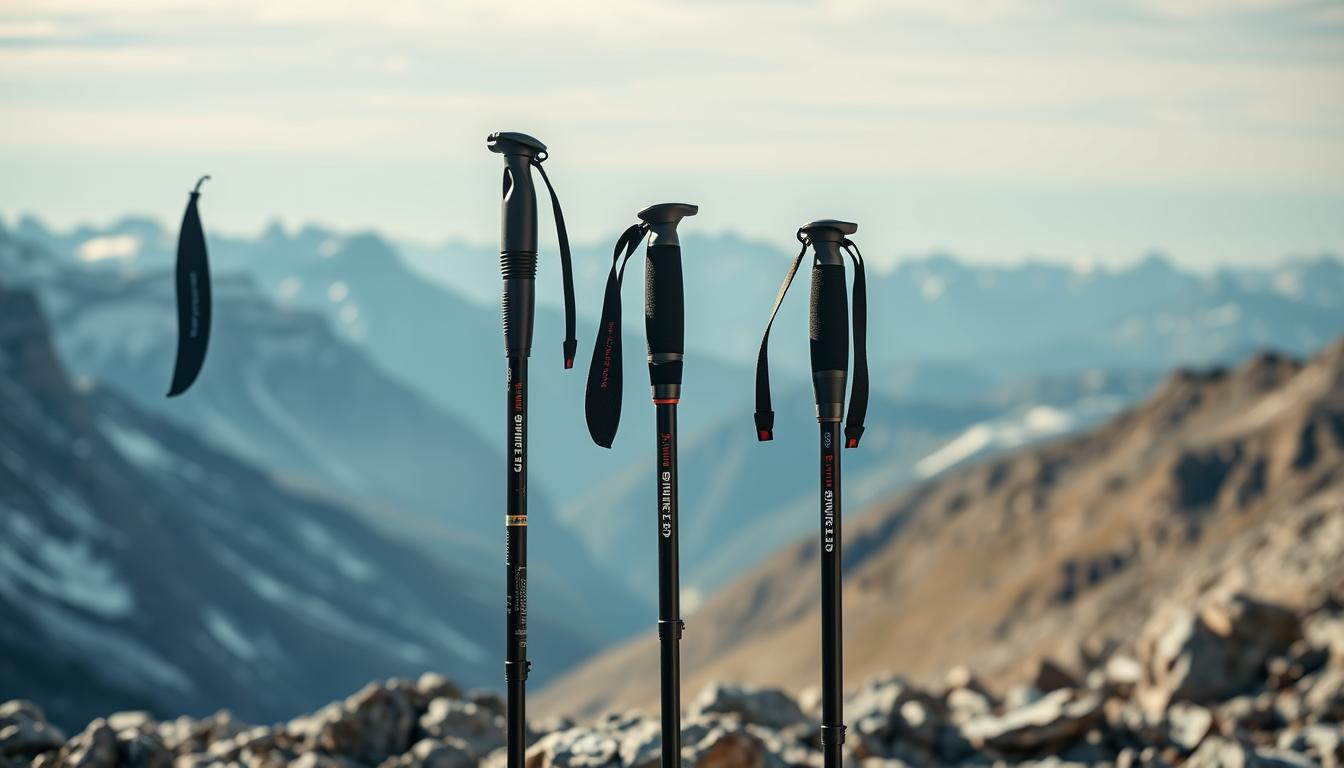
Two dollars saved per hike can add up fast, but so can extra ounces on your pack. A $17 pair from Walmart can do basic trail work, weigh about 25 oz per pair, and collapse to roughly 63 cm with quick‑release adjusters. At the other end, a carbon set like the Gossamer Gear LT5 drops under 10 oz for the pair and costs near $199.
The real split usually comes down to material and design. Aluminum models bend and can often be straightened in the field. Carbon keeps weight very low but needs a careful check after hard hits.
Think about use and carry time. Mid‑price compact aluminum (Black Diamond Distance Z/FLZ) sits near 14–16 oz and packs to about 40–43 cm. Those saved ounces matter on multi‑day hikes when poles ride on your pack.
Key Takeaways
- Both low‑cost and high‑end options work on trail; they differ in weight, pack size, and feel.
- Aluminum bends but can be forgiving; carbon saves grams but needs gentle handling.
- Mid‑range compact poles offer a balance of weight and durability for many hikers.
- Expensive sets reward ultralight travelers with shorter collapse lengths and less carried weight.
- Decide by trip type, how often you carry them, and how much cash you want to spend.
Why trekking poles matter for hiking and backpacking
Good poles do more than steady a step. They shift effort from tired legs to your upper body, ease joint pressure on descents, and add stability on tricky terrain. For many backpackers, they are essential kit; some day hikers skip them when elevation is minimal.
Uphill power, downhill knee relief, and balance
Use straps and technique to move load into your arms. A proper trekking pole helps you keep a steady rhythm on long climbs. That shared workload delays fatigue and keeps pace steady.
Coming down: Planting poles reduces felt pressure on knees and back when your pack is heavy. Shorten the length for climbs, lengthen for descents to protect joints.
On rough mountain terrain—talus, slick roots, creek crossings—a pole plant buys balance when your hands are full or the footing is poor. Poles also double as probes for mud depth or weak snow bridges in shoulder seasons.
Multi-use in camp: pitching ultralight tents and more
Many shelters rely on a trekking pole for a freestanding ridge or pitch. Examples include Gossamer Gear The One and the Durston X‑Mid 2. Poles make quick clotheslines, camera mounts, or impromptu repairs when gear fails.
| Benefit | How it helps | Practical tip |
|---|---|---|
| Uphill power | Shares load to arms, reduces leg fatigue | Use straps; short poles on steep climbs |
| Downhill relief | Lowers pressure on knees and back | Lengthen poles and plant ahead of foot |
| Camp utility | Supports ultralight shelters and chores | Pack spare tip or repair sleeve |
Comparison at a glance: cheap vs. expensive trekking poles
A clear price ladder shows what you gain and what you trade off when choosing poles for trail or travel. Entry models like Walmart Outdoor Products (~$17/pair) and Cascade Mountain Tech (~$30) give solid function at low cost. They often weigh ~25 oz or ~20.8 oz and collapse to about 63–66 cm (25–26″).
Core trade-offs: price, weight, durability, packability, comfort
Mid-range compact aluminum such as Black Diamond Distance Z (~14 oz, 43 cm collapsed) and Distance FLZ (~16 oz, 40 cm collapsed) bridge weight and pack size for around $140. Premium carbon drops under 10 oz for pair but costs near $199.
Durability vs. weight: thicker aluminum bends and is forgiving. Lighter tubes and carbon feel zippier but demand care after hard hits.
- Price ladder: ~$17–$30 → ~$140 Black Diamond → ~$199 carbon.
- Packability: telescoping collapses to ~25–26″ vs. Z‑fold 16–17″.
- Comfort: higher tiers offer better grips and straps; budget handles can feel slick when wet.
| Factor | Entry | Compact/High |
|---|---|---|
| Weight | ~20–25 oz | ~14–16 oz / sub‑10 oz carbon |
| Collapsed length | 25–26 in | 16–17 in |
| Adjustability | telescoping | fixed Z or FLZ adjustable |
Value angle: If you rarely stow gear, budget models save cash. If you fly or pack small, compact design often pays for itself in convenience and lower carried weight.
Materials showdown: aluminum vs. carbon fiber trekking
Material choice shapes how a pole behaves on rocks, mud, and long miles.
Aluminum dominates budget models because it costs less and stands up to everyday knocks. Thicker-walled, made aluminum tubes bend before they break. That bend can be hammered back in the field, keeping a pole usable after a hard hit.
Carbon shines for weight savings and a crisp swing that many trekkers prefer on long days. Premium carbon fiber delivers ultralight performance, but deep gouges or hidden cracks can lead to sudden failure. Inspect sections after rock strikes and replace damaged parts.
What sturdier actually feels like
Beefy aluminum feels confidence‑inspiring on scrambles. It resists dents and flexes predictably. High-end carbon can match strength for its weight, yet it rewards careful handling and routine checks.
Choose aluminum if rough use matters; choose carbon if saved ounces change your pack weight.”
| Feature | Aluminum | Carbon |
|---|---|---|
| Cost | Low | High |
| Weight | Heavier | Ultralight |
| Failure mode | Bends, can be straightened | May crack or delaminate |
| Best use | Rugged, frequent use | Long carries, ultralight packs |
- Maintenance: wipe sections, check for nicks, clean locks, swap tips.
- Quick cue: pick aluminum for rough trails; pick carbon for weight‑sensitive trekking with careful handling.
Weight and ounces that add up on the trail
Small weight differences feel huge once you stack miles and hours. For quick comparison, a budget aluminum pair runs about ~25 oz per pair. Black Diamond Distance Z sits near ~14 oz, and the Distance FLZ is around ~16 oz. At the ultralight end, the Gossamer Gear LT5 drops under 10 oz per pair.
Why ounces matter
Every gram you don’t carry or swing saves energy over time. A lighter set reduces fatigue in your hands, shoulders, and back during long days. If you stash poles on a pack for big climbs or scrambles, losing half a pound improves comfort immediately.
Hands-on feel and real-world example
In hand, lighter poles feel quicker and more precise, which helps rhythm and late‑day comfort. Remember that weight savings often come from thinner shafts; carbon gives big gains but needs careful inspection after hits or strikes.
- Numbers to remember: ~25 oz (budget aluminum), ~14–16 oz (Black Diamond Distance), sub‑10 oz (Gossamer Gear LT5).
- Practical example: A weeklong trip with daily stowing justifies ultralight; a short local loop may not.
- System weight: grips, straps, and baskets add up—compare total setups, not just a single pole tube.
Adjustability and folding styles: telescoping, Z-fold, and fixed length
Adjustability and folding style change how quickly you can deploy a pole and how small it stows in a pack. Different systems trade weight and simplicity for on-trail tuning. Pick a design that matches how often you will adjust length and how tight your pack space is.
Black Diamond Distance Z vs. Distance FLZ
Black Diamond Distance Z folds to 43 cm (17″) and uses a fixed length for minimal weight and great rigidity. The diamond distance flz folds slightly smaller to 40 cm (16″) and lets you fine-tune length within a range for varied terrain.
Why adjustability matters for ups and downs
Shorten a trekking pole on steep climbs so your elbow stays at a comfortable angle. Lengthen it on descents to lower knee pressure and add braking support. Small changes help maintain rhythm and reduce fatigue over long days.
Flip-locks and quick-release latches: ease of use in the field
Flip-locks and quick-release designs let you tweak length fast, even with gloves or cold hands. Budget telescoping aluminum poles often cover a wide fit range, which makes them great for family gear or loaner use.
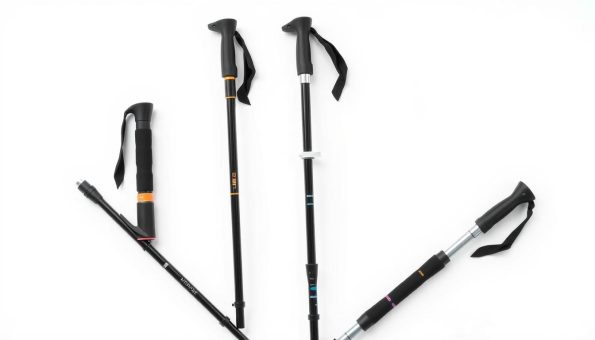
Quick tips: set a baseline length on flat ground, then micro-adjust as grades change without breaking stride. Fixed Z designs reward correct sizing; adjustable models reward flexible use and small weight trade-offs.
Packability and travel: how small do poles collapse?
How small a pole folds decides whether it stashes inside your bag or hangs from it. Compact collapse length matters for daypacks, bikepacking bags, and carry‑on luggage when space is tight. Choose a design that fits your travel routine and storage needs.
Carry‑on constraints: 16–17 inch Z‑fold vs. 25–26 inch telescoping
Z‑fold designs tuck to about 40–43 cm (16–17″). The Black Diamond Distance Z folds to 43 cm (17″) and the Distance FLZ to 40 cm (16″), which fits easily into small carry bags or daypacks.
Telescoping budget aluminum often collapses near 63–66 cm (25–26″). That length can stick out of small bags and force you to check luggage on flights.
Air travel realities and stowing in daypacks
Most airlines require poles to be checked. Compact sets make packing simpler and protect tips during handling. Smaller collapse length also cuts down snagging and banging on the outside of a small pack during scrambles or city transfers.
| Design | Collapsed length | Travel note |
|---|---|---|
| Z‑fold (Distance Z / FLZ) | 16–17 in (40–43 cm) | Fits daypacks, easier in carry luggage |
| Telescoping aluminum | 25–26 in (63–66 cm) | May require checked baggage, bulkier on pack exterior |
| Carbon ultralight | Varies, often Z‑fold or short telescoping | Low weight; inspect after impacts |
Quick tip: If you fly often or move fast in cities, prefer Z‑fold. Local hikers who stash a pole in a pack may be fine with telescoping aluminum despite a bit more bulk and weight.
Handles and straps: comfort on long days
Comfort at the handle often decides whether a long day ends sore or smiling.
Cork and foam grips feel different on trail. Cork dampens vibration and molds to your grip over time. Foam stays light and grippy when wet. Hard plastic handles can wear on skin and get slick with sweat or rain.
Strap fit matters. Thread your hand up through the bottom so the strap supports the wrist. That lets you relax your grip while still driving power through each pole plant.
- Premium gear often has shaped cork and padded straps to cut hot spots.
- Quick‑disconnect straps help free a pole fast if a tip snags or during creek crossings.
- Try grips with and without gloves to see what suits your typical conditions.
| Grip material | Feel | Tip |
|---|---|---|
| Cork | Damps vibration, conforms | Good for long miles |
| Foam | Light, non‑slip | Comfort when wet |
| Hard plastic | Durable, can be slick | Use gloves or textured tape |
Fit tips: tweak strap length and hand position on angled terrain to reduce hand fatigue and improve power transfer during tough climbs and descents.
Durability, use, and abuse in real conditions
Field wear shows fast: knocks, truck‑bed thumps, and repeated drops add up more than a price tag. How you handle gear often matters more than sticker cost when you count years of service.
Bending versus snapping: aluminum’s forgiveness, carbon’s care
Aluminum tubes tend to bend under a bad plant or a creek slip. A bent tube can often be straightened enough to limp out of a mountain stretch. That forgiving failure mode keeps many hikers moving.
Carbon offers huge savings in weight for its strength. Yet deep gouges or hairline cracks can lead to sudden failure. After a rock strike, inspect each section and replace any suspect parts.
How use and abuse shortens lifespan
Routine neglect shortens even pricey gear. Tossing poles in a truck bed, banging them against rock walls, or using a pole as a pry bar speeds wear. Any pole can fail if it arrests a heavy fall or is levered hard between stones.
- Check locks, tips, and baskets regularly.
- Tighten sections and clean grit from joints after wet trips.
- If an aluminum tube bends a bit, carefully straighten it to continue. Replace compromised carbon segments.
“With basic care and smart handling, many hikers get years of reliable service from their trekking poles.”
Real-world model examples and specs
Here are clear examples that show how design and weight affect real use. Each model maps to a common hiker type so you can pick by need, not just price.
Gossamer Gear LT5: ultralight carbon fiber option
Gossamer Gear LT5 tops the list for hikers who count every ounce. At under 10 ounces per pair, this carbon fiber trekking pole saves weight for long fastpacks.
Use case: ultralight thru‑hikers and fastpackers who value minimal pack weight and quick swing feel. It telescopes for easy sizing and costs near $199.
Black Diamond Distance Z and Distance FLZ: compact aluminum choices
Black Diamond Distance Z folds to about 43 cm (17″) and weighs ~14 ounces per pair. The Distance FLZ folds to ~40 cm (16″) and sits near 16 ounces.
These made aluminum offerings work well for travelers and day hikers who need compact stowage for carry‑ons or tight packs. Black Diamond also offers strong parts support for years of use.
Cascade Mountain Tech and Walmart Outdoor Products: budget benchmarks
Cascade Mountain Tech runs about 20.8 ounces per pair, collapses to 66 cm (26″), and has three quick‑adjust points for fit flexibility.
Walmart Outdoor Products delivers rock‑solid value at roughly $17 a pair and ~25 ounces, collapsing to about 63 cm (25″). These workhorses are good for casual hikers or loaner gear.
| Model | Weight (pair) | Collapsed length | Adjustability |
|---|---|---|---|
| Gossamer Gear LT5 | sub‑10 oz | telescopes | telescoping |
| Black Diamond Distance Z | ~14 oz | 43 cm (17″) | fixed Z |
| Black Diamond Distance FLZ | ~16 oz | 40 cm (16″) | range adjust |
| Cascade Mountain Tech | ~20.8 oz | 66 cm (26″) | 3‑point quick locks |
“Match gear to goals: ultralight for miles, compact for travel, budget for every‑day use.”
Maintenance note: brands like Black Diamond and Gossamer Gear offer spare tips and replacement sections, which helps keep a pole serviceable for years. Budget models work well but may have limited parts support.
What is the difference between cheap and expensive trekking poles?
Price rarely buys a single feature; it bundles lighter weight, nicer grips, and stronger service into one package.
Weight splits the market. Budget sets like Walmart sit near ~25 ounces per pair, while Cascade Mountain Tech runs about 20.8 ounces. Black Diamond Distance Z and FLZ drop to ~14–16 ounces, and premium carbon gear like the Gossamer Gear LT5 falls under 10 ounces.
Materials and durability matter. Aluminum bends but often survives field fixes. Carbon saves grams but needs checks after rock strikes for cracks or gouges.
Adjustability and pack size also differ. Telescoping budget poles collapse to ~63–66 cm (25–26″). Z‑fold designs pack to 40–43 cm (16–17″) for easier travel and stowage.
| Feature | Budget | Higher end |
|---|---|---|
| Weight | ~20–25 oz | sub‑10 to ~16 oz |
| Collapsed length | 25–26 in | 16–17 in |
| Price | $17–$30 | $140–$199 |
Grips, straps, and support: premium models favor cork or foam and strong warranty service from brands like Black Diamond and Gossamer Gear. Budget grips can be hard plastic and feel slick when wet.
“Pick a pole by use: travel and long miles reward compact carbon; casual hikers often get plenty from a low‑cost aluminum pair.”
Are expensive trekking poles worth it for most people?
Many hikers find that saved grams only matter after dozens of long days on trail. If you fly often, pack tight, or count every ounce, a compact ultralight set can pay back its price quickly.
For most users, a budget aluminum pair gives great value. Casual hikers who rarely stow gear inside a pack or who tackle rough ground often prefer a forgiving, repairable option. That saves cash and reduces worry about dented sections.
High-end models shine when travel convenience, compact stowage, and low in‑hand weight matter. Ultralight gear trades a margin of abuse tolerance for grams saved. Inspect carbon after impacts and carry spare tips if you plan heavy use.
- Choose costly sets if you: fly, fastpack, or spend many days carrying poles in hand.
- Choose budget options if you: hike locally, expect hard knocks, or want to save cash.
- Consider brand support: parts and service can extend useful life over years.
“Be honest: how often do you carry a pole in hand versus clipped to a pack? That answer settles most value questions.”
Bottom line: expensive trekking poles are worth it for travel and frequent long hikes. For many people, a budget pair still meets needs and saves money and time.
User scenarios: match your poles to your hiking style
Pick a setup that keeps your arms fresh and your hands comfortable over long miles. Match gear to typical routes, pack weight, and travel plans to get the most value from each purchase.
Ultralight thru-hiker and fastpacker priorities
Example: go for ultralight trekking poles such as the Gossamer Gear LT5 or compact carbon that drop under ~10 oz per pair.
Weekend backpacker and day hiker considerations
Balance price and durability with mid‑weight aluminum. A good midrange set saves cash and handles rough use without fuss.
Mountain travel, creek crossings, and rough trails
Choose sturdy shafts and reliable locks. For steep talus or deep streams, a solid pole with good baskets protects knees and steadies footing. If you travel often, compact Z‑folds like Black Diamond Distance or the diamond distance FLZ slip into a small pack easily.
- Ultralight: sub‑10 to ~16 oz, compact stow.
- Weekend: mid‑weight aluminum for resilience.
- Mountain/creek: beefy shafts, solid locks, and quick‑release straps.
Budgeting and value: where to spend and where to save
Spend smart: small upgrades in comfort or compact design often give more real benefit than chasing every ounce. A focused upgrade can change a trip without blowing your budget.
When to splurge on carbon or compact Z‑fold designs
Splurge if you fly a lot, pack tight, or log long miles where weight adds up. Compact Z‑fold sets like Black Diamond Distance Z/FLZ (14–16 ounces) or carbon options such as the Gossamer Gear LT5 (sub‑10 oz) cut carried weight and stow small for travel.
When a $20–$30 aluminum pair is the smarter buy
If you drive to trailheads, take short loops, or are building a starter kit, a cheap aluminum pair (Walmart ~25 oz; Cascade Mountain Tech ~20.8 oz) saves cash and stands up to rough use. They are forgiving and repairable in the field.
Comfort and returns: spending a bit more on grips, straps, or a reliable locking system pays off on hot days and long climbs. Those comfort gains compound over miles more than tiny weight drops.
- Choose compact carbon/Z‑folds when ounces and pack space matter most.
- Choose low‑cost aluminum when durability and budget matter more than grams.
- Prioritize boots, pack fit, and shelter before shaving a few ounces from a pole pair.
| Budget choice | Why buy | Typical specs |
|---|---|---|
| Walmart Outdoor Products | Low cost, durable for casual use | ~$17 per pair, ~25 oz, ~63 cm collapsed |
| Cascade Mountain Tech | Good starter set, flexible fit | ~$30 per pair, ~20.8 oz, 66 cm collapsed, 137 cm extended |
| Black Diamond Distance Z / FLZ | Travel friendly, compact | ~14–16 oz per pair, 40–43 cm collapsed |
| Gossamer Gear LT5 | Ultralight for long fastpacks | sub‑10 oz per pair, carbon, compact stow |
“Allocate budget where returns are biggest: comfort, fit, and shelter often beat shaving a few grams off a pole pair.”
Maintenance, repairs, and warranties over the years
A quick inspection before a trip can save hours and dollars later. Regular checks and small adjustments keep gear reliable on long routes. Simple care extends service life and lowers repair bills.
Inspection for cracks and gouges
Inspect shafts and joints after hard hits or long seasons of use. Look closely at any carbon section for hairline cracks or deep gouges. Replace compromised parts before your next big outing.
Aluminum may bend rather than fail outright. A bent tube can often be straightened enough to reach camp, but damaged components should be serviced when possible.
Field fixes, replacement parts, and brand support
Carry a small kit: spare tips, a mini driver, extra baskets, and a patch sleeve. Swap baskets, tighten flip‑locks, and clean grit to keep locks smooth.
Premium makers like Black Diamond and Gossamer Gear provide spares and clear instructions that simplify repairs. Warranty support can save time and money over years of hard use.
| Task | Quick fix | When to replace |
|---|---|---|
| Loose lock | Tighten hardware, clean dirt | Persistent slip after cleaning |
| Worn tip | Swap spare tip | Loss of traction or exposed metal |
| Bent aluminum | Gently straighten to limp home | Cracked tubing or persistent wobble |
| Cracked carbon | Retire section immediately | Any visible crack or delaminate |
“Consistent care reduces replacements and keeps gear ready for the next season.”
Common myths about trekking poles
Not every claim about poles matches how hikers actually use them. Myths spread fast, so let’s separate helpful advice from noise.
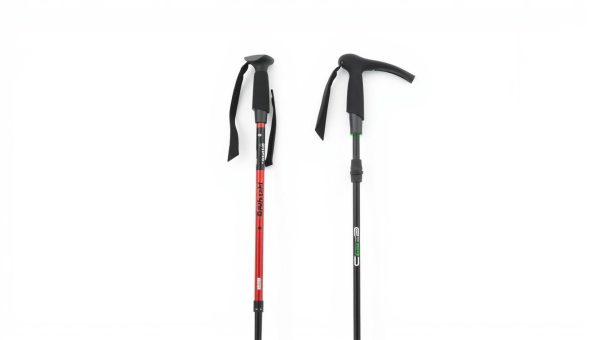
Myth: only high-price gear works well. Reality: solid aluminum pairs handle tons of trail miles for most weekend and local hikers. Budget sets can be reliable when matched to expected conditions.
Myth: carbon means fragile. Reality: carbon offers excellent strength for weight, but inspect sections after rock strikes and retire any cracked piece.
- Straps aren’t just for carrying — thread your hand up through the bottom to let the strap support your wrist and cut grip fatigue.
- Poles aren’t only for older hikers; on steep or uneven mountain terrain they improve balance, conserve energy, and increase safety for all ages.
- Fixed‑length Z designs work well when sized properly; they trade a bit of adjustability for lighter weight and rigidity.
“Use technique and care more than myth when choosing gear.”
Conclusion
Matching pole style to trip type saves money and reduces strain over long days. The core difference here is simple: you trade cost for lower weight, smaller collapse length, and finer ergonomics. That trade affects pack comfort and on‑trail feel.
A budget pair like Walmart or Cascade Mountain Tech gives solid service for casual use. Midrange compact aluminum and ultralight carbon reward frequent travelers, backpacking trips, and people who count grams.
Technique matters: use straps properly, check locks, and inspect sections after impacts. Good care boosts any pole’s life and performance.
Bottom line: choose the gear that fits your trips and budget. If a set keeps you hiking, it’s likely worth it—whether it costs $20 or $200.
FAQ
What makes higher-priced trekking poles different from budget pairs?
Higher-priced poles often use lighter materials like quality carbon fiber, tighter manufacturing tolerances, better locking systems, and more comfortable grips such as cork. Budget poles commonly use aluminum, weigh more, and have simpler locks and grips. That adds up in comfort, packability, and long-term durability on repeated use.
Why do trekking poles matter for hiking and backpacking?
Poles add stability on rough terrain, reduce knee strain on descents, and give extra push uphill. They also double as tent supports for ultralight shelters and help keep balance during river crossings and steep scrambles.
How do poles help uphill, downhill, and balance?
On climbs, a good pole transfers power from your arms to your forward momentum. On descents, it takes load off knees and quads. For balance, poles widen your stance and let you catch yourself on loose or uneven ground.
Can trekking poles be used for camp tasks?
Yes. Many hikers use poles to pitch tarp tents or to prop gear for shelter. Compact Z-fold and ultralight carbon models are especially handy for multi-use in camp because they collapse small and weigh less in the pack.
What are the main trade-offs to consider when comparing budget versus premium poles?
Core trade-offs include price, weight, durability, packability, locking mechanism quality, and grip comfort. Premium models usually win on weight and feel; budget sticks win on cost and forgiving bends under heavy stress.
How do aluminum and carbon fiber compare for poles?
Aluminum is affordable, bends under extreme load without snapping, and tolerates abuse. Carbon fiber is much lighter and stiffer, which improves energy transfer and reduces fatigue, but it can crack or fail suddenly if struck or deeply gouged.
What does “sturdier” feel like for aluminum versus carbon?
Aluminum tends to feel slightly heavier and more damped, with a flex that bends rather than breaks. Carbon feels crisp and springy under load but gives little warning before a fracture if damaged.
How much weight difference should I expect between cheap and ultralight poles?
Typical inexpensive aluminum pairs can weigh around 25 ounces. Midrange compact models like Black Diamond’s Distance FLZ sit around 14–16 ounces per pair. Ultralight carbon options such as the Gossamer Gear LT5 can drop below 10 ounces per pair.
When does pole weight really matter?
Weight matters most on long carries and thru-hikes where every ounce affects fatigue and pack weight. For short day hikes, a heavier, cheaper pair often works fine.
What are the common adjustability and folding styles?
You’ll see telescoping poles that adjust length and foldable Z-fold designs that collapse into compact segments. Telescoping types suit varied terrain; Z-fold models pack small for travel but usually have fixed or limited adjustment.
How do Black Diamond Distance Z and Distance FLZ differ?
The Distance Z is a simple, very compact Z-fold design with a fixed effective length, ideal for travel. The Distance FLZ folds but offers a bit more length and field adjustment, blending packability with on-trail versatility.
Why does adjustability matter on climbs and descents?
Shortening poles for uphill helps arm mechanics and cadence. Lengthening them downhill increases braking support and stability. Quick, reliable adjustment is essential for frequent terrain changes.
What locking systems work best in the field?
External flip-locks and quick-release latches are popular for reliability and easy use with gloves. Twist locks save weight and can be more compact but require clean threads and periodic maintenance.
How compact do poles get for packing and travel?
Z-fold poles commonly collapse to about 16–17 inches and fit in carry-on luggage. Telescoping aluminum poles often collapse to 25–26 inches, which may not fit airline restrictions without checking or disassembly.
Any tips for air travel with poles?
Foldable Z-designs fit in carry-on or checked bags with less risk. Remove tips, protect sections, and check airline rules—many carriers treat poles as sporting equipment and have specific stowage requirements.
Which grip materials feel best on long days?
Cork grips conform to hands, wick sweat, and reduce hotspots. EVA foam is softer and warmer in cold weather. Hard plastic grips are durable but less comfortable over prolonged use.
What should I look for in wrist straps?
Adjustable, padded straps that release easily are best. Properly fitted straps transfer load into your forearm and shoulder, reducing grip fatigue while keeping poles secure.
How do durability and failure modes differ in real conditions?
Aluminum tends to bend when overloaded, often allowing temporary field repairs. Carbon can crack from impacts or deep scratches and may fail completely without bending, so inspect for damage after falls or strikes.
Does heavy use wear out poles faster regardless of price?
Yes. Frequent dragging, hitting rocks, or improper packing shortens life. Regular inspection, cleaning, and replacing worn tips or locks prolong service across brands and prices.
Can you name real models that illustrate these points?
Sure. Gossamer Gear LT5 highlights ultralight carbon performance. Black Diamond Distance Z and Distance FLZ show compact aluminum and hybrid approaches. Budget benchmarks include Cascade Mountain Tech and mass-market outdoor options sold at big-box retailers.
What features should I compare feature-by-feature?
Compare weight per pair, material (aluminum vs. carbon), adjustability style, collapsed length for packing, grip material, locking system, and warranty or brand support to match needs and budget.
Are premium poles worth it for most hikers?
For thru-hikers, fastpackers, or anyone carrying weight for long days, splurging on ultralight carbon or high-quality compact designs often pays off. Weekend hikers may prefer a lower-cost aluminum pair that handles abuse and costs less to replace.
How should I match poles to my hiking style?
Ultralight hikers prioritize low ounces and small packed size. Weekend backpackers value durability and cost. Mountain travelers who expect heavy, technical use should choose sturdier aluminum or thicker-walled carbon designs with strong locks.
When should I splurge versus save?
Splurge on carbon or a compact Z-fold if you prioritize weight and space. Save on aluminum if cost, ruggedness, and the ability to bend without catastrophic failure matter more than shaving ounces.
How do I maintain poles and spot damage?
Inspect sections for cracks or deep gouges, clean locking areas, replace worn tips, and keep threads and locks free of sand. Carbon needs extra attention after impacts; discard or repair cracked sections promptly.
What field fixes and brand supports exist?
Many brands sell replacement tips, baskets, and clips. Some manufacturers offer warranties and repair programs. Carry a small wrap or tape for emergency splints and bring spare baskets for muddy routes.
What common myths about poles should hikers ignore?
Ignore claims that cheaper poles always break instantly or that carbon will always fail sooner. Both materials can last for years if used properly. Also, poles don’t slow you down; they can increase efficiency and reduce joint stress when used correctly.