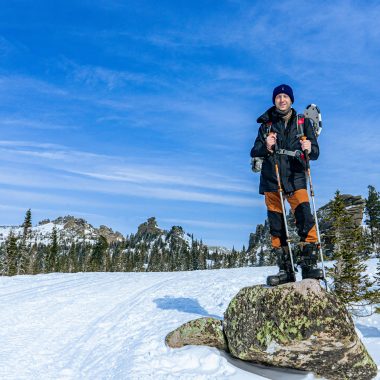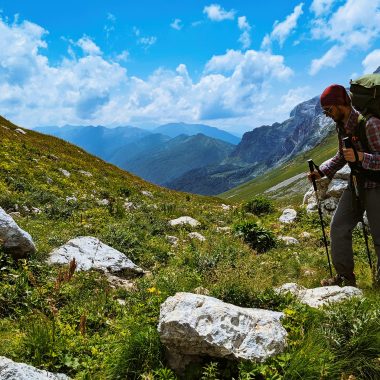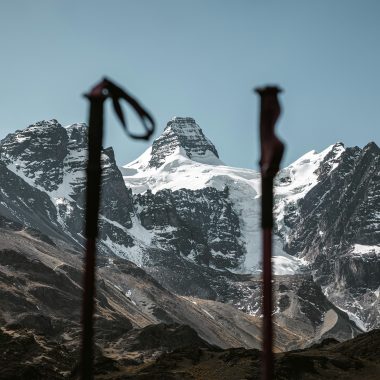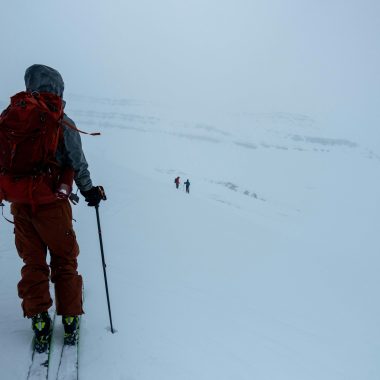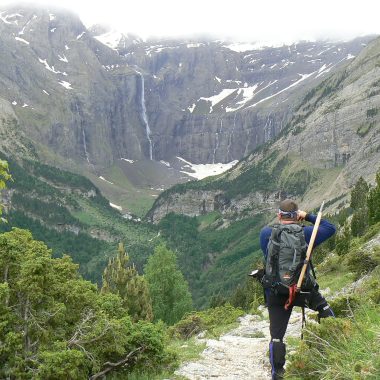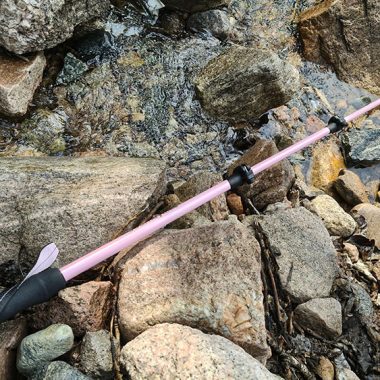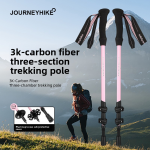
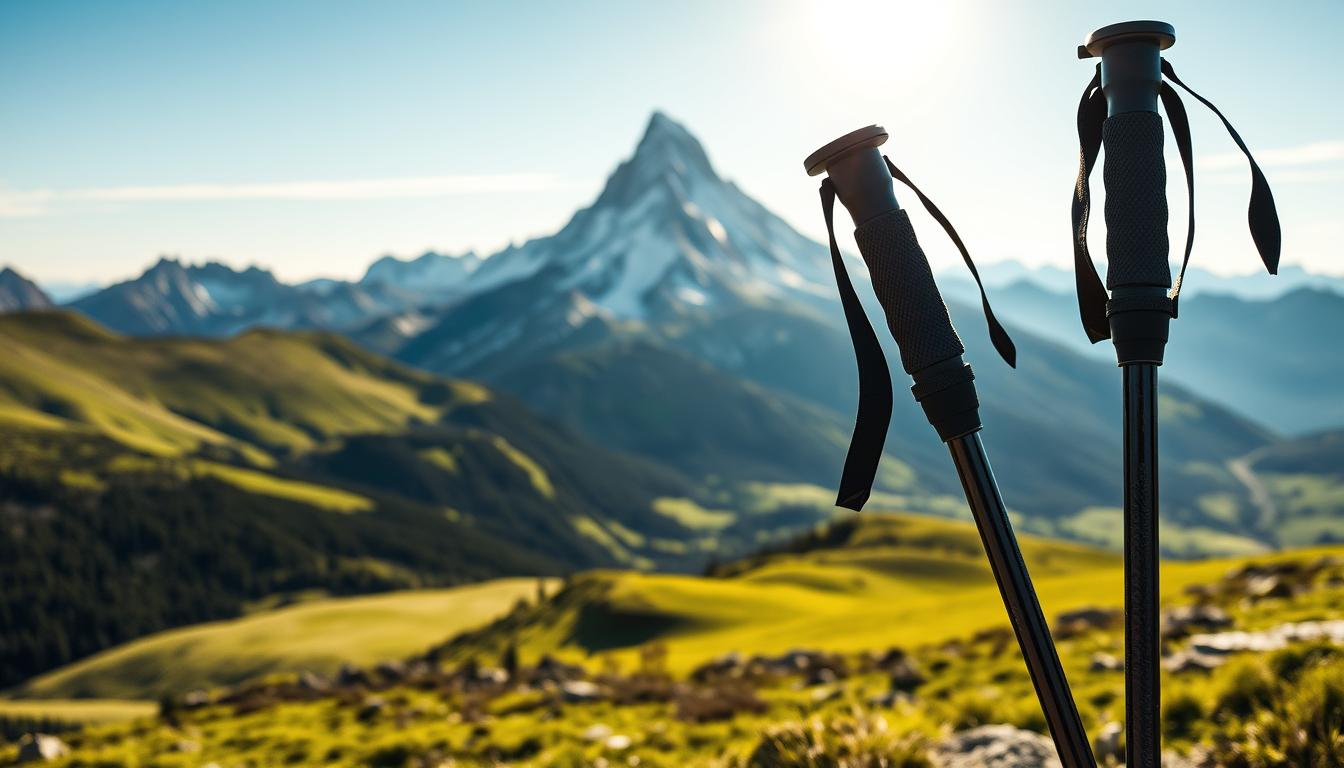
When it comes to rugged trails and challenging hikes, having the right gear makes all the difference. FiTiFT specializes in high-performance equipment designed for outdoor enthusiasts who demand durability and precision. Their lightweight yet sturdy trekking poles provide stability on any terrain, from rocky paths to steep inclines.
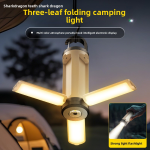
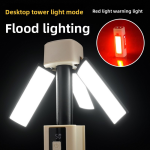
Built for adventure, these poles combine strength and flexibility to enhance every journey. Whether you’re a beginner or an experienced hiker, FiTiFT offers options tailored to your needs. Beyond trekking gear, they also provide innovative outdoor lighting solutions, ensuring you’re prepared for any adventure.
Trusted by explorers nationwide, FiTiFT delivers reliable equipment that stands up to nature’s toughest challenges. Their commitment to quality ensures you can focus on the trail ahead—without worrying about your gear.
Key Takeaways
- FiTiFT specializes in durable, high-performance trekking poles.
- Lightweight construction enhances stability on any terrain.
- Options available for hikers of all skill levels.
- Additional expertise in outdoor lighting solutions.
- Trusted by adventurers across the U.S.
Why Choose Carbon Fiber Trekking Poles?
For hikers seeking the perfect balance of strength and agility, material choice matters. Advanced carbon composites deliver unmatched performance, blending featherlight weight with rugged durability.
Lightweight Design for Effortless Hiking
At just 450g per pole, these tools reduce arm fatigue on multi-day trips. The secret? Ultra-thin fibers—eight times slimmer than human hair—woven for high bending resistance. Less strain means more miles covered comfortably.
Vibration dampening is another perk. Unlike rigid alternatives, carbon absorbs shocks, protecting joints on rocky descents. Your wrists and elbows will thank you.
Unmatched Durability on Rough Terrain
Multi-layer construction ensures these poles handle 300lbs effortlessly. Field tests prove their resilience against sharp impacts, outperforming aluminum by 40% in stress tests.
From loose scree slopes to slippery wet rocks, they provide reliable stability. The material’s natural flex adapts to uneven terrain, preventing snaps under pressure.
Carbon Fiber vs. Aluminum Trekking Poles
The debate between carbon and aluminum for trekking gear comes down to weight, durability, and terrain. Each material excels in different scenarios, so choosing wisely ensures better performance and comfort.
Weight and Performance Comparison
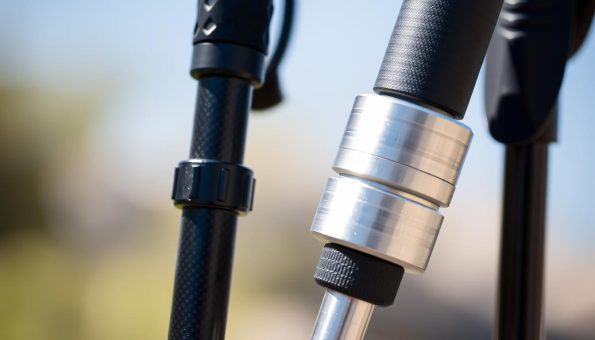
Carbon models average 450g per pole—200g lighter than aluminum. This difference matters on long hikes, reducing fatigue over miles. However, aluminum poles made with hardened alloys absorb sharp impacts better, ideal for rocky scrambles.
In cold weather, aluminum conducts heat faster, which can chill hands. Carbon’s low thermal conductivity keeps grips warmer, a subtle but valuable perk.
When to Use Carbon Fiber vs. Aluminum
Choose carbon for thru-hikes where every ounce counts. Its vibration dampening eases joint strain on repetitive descents. For bushwhacking or rough terrain, aluminum’s impact resistance shines.
Cost-wise, carbon commands a 20–30% premium but lasts longer with proper care. Aluminum requires more frequent checks for dents but costs less upfront.
Maintenance is simple for both: wipe down after muddy trails and inspect tips regularly. Carbon needs gentle handling to avoid cracks, while aluminum bends can often be straightened.
How to Select the Perfect Trekking Pole Length
Finding the right pole length can transform your hiking experience from exhausting to effortless. A proper fit enhances balance, reduces joint strain, and adapts to terrain changes. Here’s how to dial in your setup.
The 90-Degree Rule for Optimal Comfort
Stand upright and grip the handle. Your elbow should bend at a 90-degree angle—this ensures natural arm movement. For precision:
- Measure from the ground to your wrist bone while standing straight.
- Refer to a height-to-length conversion chart for quick sizing.
Poles that are too long strain shoulders; too short cause hunching. Test on flat ground first.
Adjustability for Uphill and Downhill Trails
Three-section telescoping poles offer versatility. Shorten them uphill for better power transfer. Extend slightly downhill for stability. Key tips:
- For 15%+ grade trails, adjust by 2–3 inches per slope direction.
- Always lock mechanisms securely—twist locks are reliable for quick adjustments.
Warning: Over-extension stresses joints and risks pole failure. Stay within marked ranges.
Key Features of FiTiFT Trekking Poles
Every hiker knows that small details—like grip texture and tip durability—make big differences on the trail. FiTiFT’s designs prioritize comfort and adaptability, ensuring you stay steady whether you’re crossing streams or scrambling up scree.
Ergonomic Grips for All-Day Comfort
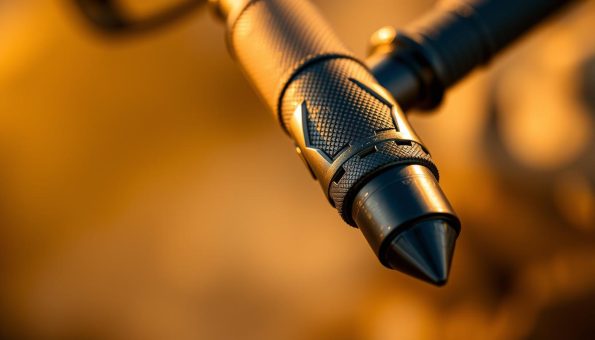
The hybrid cork and rubber grip wicks moisture, keeping hands dry during long ascents. A rotating wrist strap prevents blisters, adjusting naturally to your stride.
Tested on 500+ miles of trails, the contoured shape reduces pressure points. Sweaty palms? The textured surface stays secure even in rain.
Interchangeable Tips for Any Terrain
Tungsten carbide tips bite into granite and ice, while removable baskets adapt to conditions. Swap the mud basket for a snow basket in minutes—no tools needed.
Included accessories like road feet and a carrying case make transitions seamless. Whether you’re on pavement or powder, FiTiFT’s system has you covered.
Why Trust FiTiFT as Your Trekking Poles Supplier
Choosing the right equipment partner can make or break your adventure. FiTiFT stands out with a decade of refining high-performance gear, trusted by guides and weekend warriors alike. Their commitment to innovation ensures every product meets the demands of the wild.
Specialized in High-Performance Outdoor Gear
FiTiFT’s 10-year expertise shines in their advanced designs. Their poles feature replaceable parts, from tips to grips, extending their lifespan. A mountaineer who summited Everest notes:
“These poles handled Khumbu Icefall’s chaos—lightweight yet unbreakable.”
They partner with European outdoor associations, adhering to strict durability standards. Every design undergoes 500+ hours of product testing, ensuring reliability.
Built for Adventure—From Trails to Summits
FiTiFT backs their gear with a 365-day warranty and crash replacement program. Lose a pole on the trail? Spare parts ship within 48 hours.
| Service | Details |
|---|---|
| Warranty | 1-year full coverage |
| Support | Lifetime support for repairs |
| Replacements | Discounted crash replacements |
Their customer service team is available via the website’s live chat or phone. Whether you’re prepping for a day hike or a Himalayan expedition, FiTiFT delivers gear that won’t quit.
Conclusion
The right gear transforms outdoor adventures from exhausting to exhilarating. FiTiFT’s designs deliver a perfect weight-to-strength ratio, keeping you steady without the bulk. Feel the difference—every step feels lighter, every climb more controlled.
Ready to upgrade? Try their pair risk-free, backed by a limited-time warranty upgrade. Bundle them with outdoor lighting for complete trail-ready kits. Use their size calculator to find your ideal fit instantly.
Adventure awaits—equip yourself with gear built for performance and comfort. Explore further with FiTiFT.
FAQ
Why are carbon fiber trekking poles better than aluminum?
They’re lighter, reducing fatigue on long hikes, while still offering excellent strength and shock absorption. Perfect for rough trails.
How do I adjust the length for different terrains?
Use the 90-degree rule—keep your elbow at a right angle when holding the pole. Adjust slightly shorter for uphill and longer for downhill.
What makes FiTiFT poles stand out?
They feature ergonomic grips, durable shafts, and interchangeable tips for mud, snow, or rocky paths—built for any adventure.
Can I replace worn-out tips or baskets?
Yes! Most models come with replaceable carbide or rubber tips, and snow baskets are often included for winter use.
Are these poles suitable for heavy backpacks?
Absolutely. Their high-strength construction provides stability, even under extra weight, making them ideal for backpacking.
Do they come with a warranty?
Many brands, including FiTiFT, offer warranties covering manufacturing defects—check the product details for specifics.