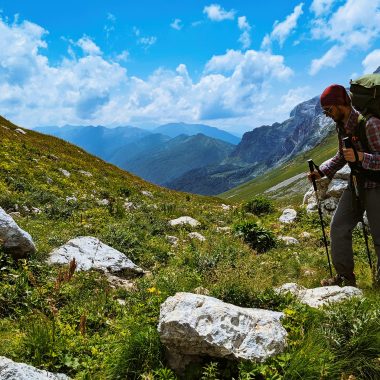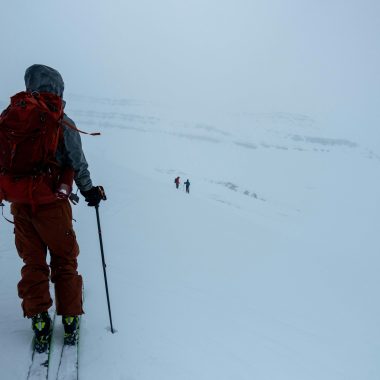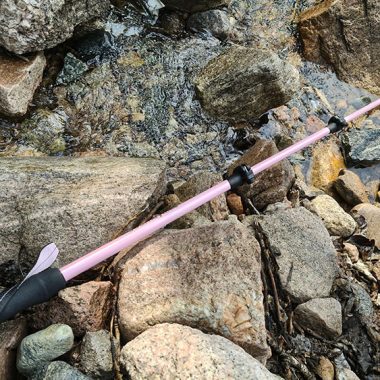
Are you ready to elevate your trekking game? When it comes to conquering challenging terrains, selecting the right trekking poles can make all the difference. Wondering how to choose the best trekking poles? This comprehensive guide is tailored to help you make informed decisions, aligning your choice with your hiking style, terrain, and personal preferences. From understanding different materials to ergonomic features, get equipped with expert insights to optimize your outdoor adventures.
Why Selecting the Right Trekking Poles Is Essential for Safe and Effective Hiking
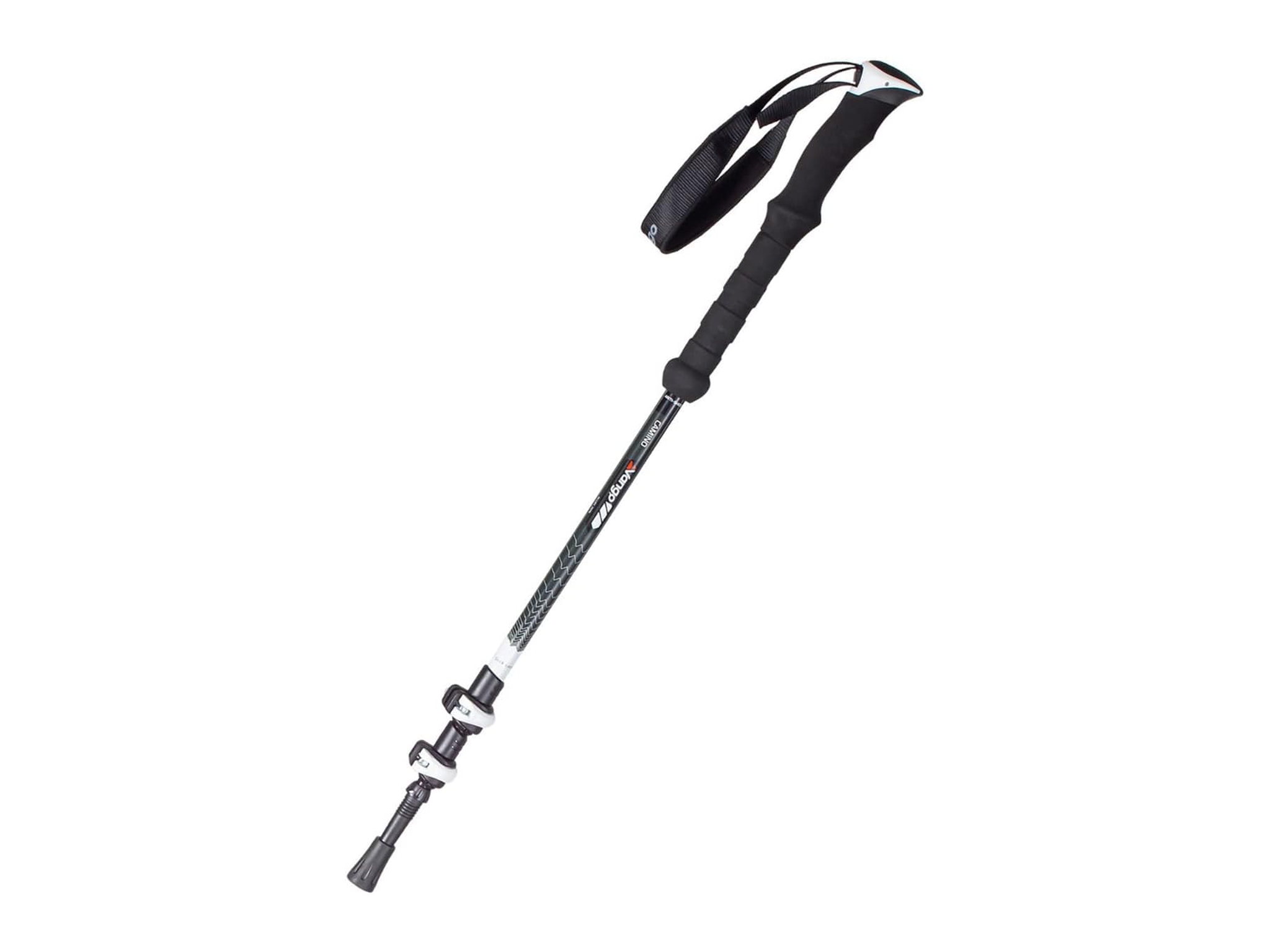
Choosing the proper trekking poles is not merely about adding accessories to your backpack; it’s about enhancing your overall trekking experience. Good trekking poles provide stability on uneven trails, reduce strain on joints, and improve your balance, especially during descents or steep inclines. The importance of selecting the best trekking poles becomes evident when considering terrain diversity, weather conditions, and individual physical needs.
Investing time in understanding how to choose the best trekking poles ensures that your equipment complements your skill level and the trail difficulty. Misaligned gear can lead to discomfort, fatigue, or even injuries. Therefore, understanding the key features and differences between various types of trekking poles ensures you make an educated choice tailored to your adventure.
Moreover, high-quality trekking poles can significantly elevate your endurance and confidence during long hikes, backpacking trips, or mountaineering expeditions. In essence, making a well-informed decision about your trekking poles means prioritizing safety, comfort, and performance—cornerstones of an enjoyable outdoor experience.
Material Matters – The Foundation of Durability and Weight

Selecting the right material for your trekking poles is crucial because it directly influences weight, strength, durability, and overall performance. Especially for long hikes where every ounce counts, understanding materials guides you in choosing equipment that balances portability with resilience.
Aluminum – The Classic Choice for Budget-Friendly Reliability
Aluminum trekking poles are widely popular among hikers due to their affordability and robustness. They are excellent choices for those new to trekking or looking for reliable gear without breaking the bank. Aluminum’s inherent strength makes it resistant to bending or breaking under typical trekking stresses.
However, aluminum poles tend to be heavier than their carbon counterparts, which can add fatigue over extended journeys. But, advancements in aluminum alloys have improved weight-to-strength ratios, making recent models quite lightweight. The key is to select the right aluminum-grade poles that bring durability without excessive weight.
Furthermore, aluminum poles are easier to repair in the field—if bent or damaged, they can often be straightened or patched. Their durability makes them a logical pick for rugged terrains, snow, and scree fields where impact resistance is vital. If affordability and resilience are your priorities, aluminum trekking poles are worth considering.
Carbon Fiber – The Lightweight Champion with a Delicate Touch
Carbon fiber trekking poles have gained favor among serious hikers and mountaineers for their exceptional lightweight properties. They significantly reduce fatigue, especially during multi-day treks or long-distance hikes where every ounce saved matters.
Yet, carbon fiber is more sensitive to impact damage; a hard fall or accidental bump can cause cracks or fractures that compromise the pole’s integrity. Therefore, if choosing how to choose the best trekking poles involves considering lightweight design, you tend to prefer carbon fiber but must also be mindful of handling with care.
Durability remains a concern unless you opt for hybrid models—combinations of aluminum and carbon fiber—that offer a balance between strength and weight. For trail runners or extreme adventurers who prioritize weight savings and are gentle with their gear, carbon fiber is compelling. Conversely, if rugged terrain and frequent impacts are expected, aluminum might be a safer choice.
Hybrid Options and Advanced Materials
Innovations continue to improve trekking pole materials, with hybrid designs combining aluminum and carbon fiber. These offer a compromise—light enough for strenuous hikes, yet robust against impact. Advanced alloys and composites are also used to enhance strength-to-weight ratios, ensuring your gear can handle the worst of trails without excessive weight.
In developing a how to choose the best trekking poles strategy, investing in high-end, well-engineered materials pays dividends in durability and comfort. Your specific adventure type shapes the optimal material selection, whether it’s lightweight carbon for ultralight trekkers or durable aluminum for rough terrains.
Adjustability and Ergonomics – Fine-Tuning Fit for Maximum Comfort
Proper adjustment and ergonomic design are paramount for effective trekking pole use. Misfitting poles can cause strain, sore wrists, or awkward gait, undermining your physical comfort and safety. Understanding how to choose the best trekking poles involves assessing adjustability features and ergonomic handle design to suit your specific hiking needs.
Pole Length Adjustment – Customizing for Terrain and User Height
Most trekking poles feature telescopic or collapsible mechanisms, allowing you to modify their length as needed. Adjustable poles give you the flexibility to adapt to different terrains—shorter for uphill traction, longer for downhill stability—and to suit your height for optimal leverage.
When selecting adjustable poles, consider a reliable locking system—twist lock, lever lock, or flip-lock—that ensures secure positioning during strenuous activity. A loose lock can lead to wobbling, discomfort, or even accidental collapse, jeopardizing safety.
An effective approach is to set your trekking pole length roughly equal to your arm length when standing upright. For steep inclines, extend the poles slightly, and for descents, shorten them to keep your elbows at a comfortable angle. When how to choose the best trekking poles, prioritize ease of adjustment and lock stability, making transitions seamless during your trek.
Handle Material and Shape – Ergonomics for Reduced Fatigue
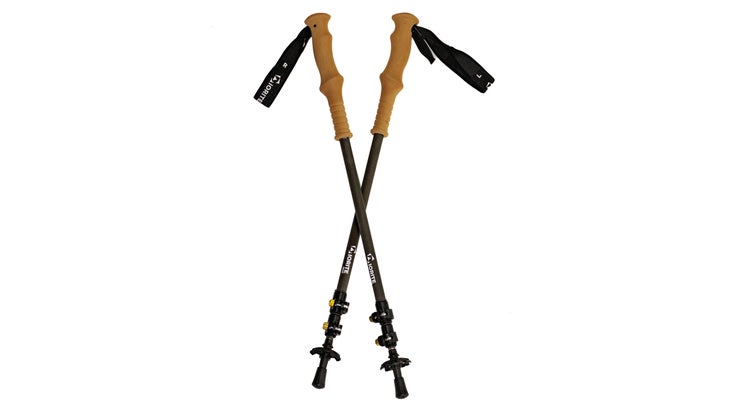
The handle design directly influences how comfortably you grip your trekking poles for hours. Materials like cork, foam, or rubber cater to different preferences and conditions. Cork is naturally comfortable, absorbs moisture, and molds to your hand over time, offering a more natural grip.
The shape of the handle impacts pressure distribution; ergonomic handles contour to your hand’s natural shape to minimize fatigue and prevent blisters. A good handle design includes a proper-sized grip and additional features like finger grooves or multi-material layering to enhance comfort.
Additionally, some trekking poles feature adjustable straps, which relieve pressure on your wrists and allow for more forceful pushes or pulls without gripping too tightly. Proper strap tension and handle ergonomics are essential for reducing fatigue, especially during long hikes or steep ascents.
Additional Features for User-Friendly Adjustment
Other ergonomic considerations include the pole’s locking mechanisms, anti-shock features, and grip positioning for multi-stance usage. Anti-shock systems absorb shocks during impact, making trekking less taxing on joints, and should be compatible with your ergonomic needs.
A thoughtfully adjusted and ergonomically designed pole increases your confidence and stamina. Before purchasing, test handle shapes and weight distributions—your comfort can significantly influence your overall trekking enjoyment. Mastering how to choose the best trekking poles involves prioritizing fit, comfort, and ease of adjustment to match your hiking style.
Maintenance, Durability, and Use – Ensuring Longevity and Optimal Performance
Selecting the best trekking poles is only part of the journey; proper maintenance and understanding how to use and care for your equipment ensure they perform optimally for years. The longevity of your trekking poles depends on regular upkeep, mindful usage, and correct storage.
Cleaning and Inspection – Preventing Wear and Damage
After each trip, cleaning your trekking poles removes dirt, mud, and corrosive elements like salt or snow. Use a damp cloth or gentle brushes to wipe down poles, especially around telescopic joints and locking mechanisms. Regular inspection for cracks, loose handles, or bent shafts is essential to catch issues before they worsen.
Proper cleaning extends the lifespan of your gear, maintaining smooth telescoping action and reliable locking systems. Check straps for fraying and replace them if necessary—all of which contribute to safe, comfortable trekking.
Storage and Handling – Protecting Your Investment
When not in use, store your trekking poles in a cool, dry place. Avoid exposing them to extreme temperatures or direct sunlight, which can degrade materials over time. Collapsing or folding your poles properly prevents unnecessary stress and wear.
Handle your poles gently during transport, especially when traveling by plane or car. Use protective covers if available, and avoid placing heavy objects on them. Thoughtful storage and handling can prevent accidental damage, ensuring your gear remains in top condition ready for your next adventure.
Proper Use Techniques – Maximizing Benefits and Minimizing Damage
Using your trekking poles correctly maximizes their benefits. Engage your arms for propulsion rather than relying solely on grip strength, using straps to transfer force efficiently. Adjusting your stride and using poles in sync with your gait prevent strain and make trekking more efficient.
Avoid using poles on rocky or abrasive surfaces without suitable tips; swap to appropriate mud or crampon tips if necessary. Understanding how to choose the best trekking poles also involves knowing how to care for them during use, promoting longevity and reliable performance across various terrains.
FAQs About Choosing the Best Trekking Poles
What features should I prioritize when selecting trekking poles?
Prioritize adjustability (like telescoping features), handle ergonomics, weight, and material durability. These elements directly impact comfort, safety, and longevity.
Are lightweight trekking poles always better?
Not necessarily. While lightweight poles reduce fatigue, they may compromise durability if made from weaker materials. Balance weight with robustness based on your terrain and trekking style.
How do I choose the right length for my trekking poles?
Adjust your poles to a length where your elbows form a roughly 90-degree angle when standing upright. Make adjustments based on incline or decline to maintain comfort and control.
Can I use trekking poles for trail running?
Yes, but choose lightweight, smaller diameter poles with quick-lock adjustments and ergonomic handles designed for dynamic movement to suit trail running needs.
What maintenance tips will extend the lifespan of my trekking poles?
Regular cleaning, inspection for damage, proper storage, and correct handling during transport all help ensure your trekking poles stay functional and safe for multiple adventures.
Conclusion
Navigating how to choose the best trekking poles requires a thoughtful evaluation of materials, adjustability, ergonomics, and maintenance considerations. The right poles can transform your outdoor experience by providing stability, reducing fatigue, and enhancing safety across rugged terrains. Whether opting for lightweight carbon fiber, durable aluminum, or hybrid designs, ensuring adjustable, ergonomic handles and proper care practices extends the life and performance of your gear. Investing in well-chosen trekking poles ultimately supports your journey, helping you trek further, faster, and with greater confidence into the wilderness.