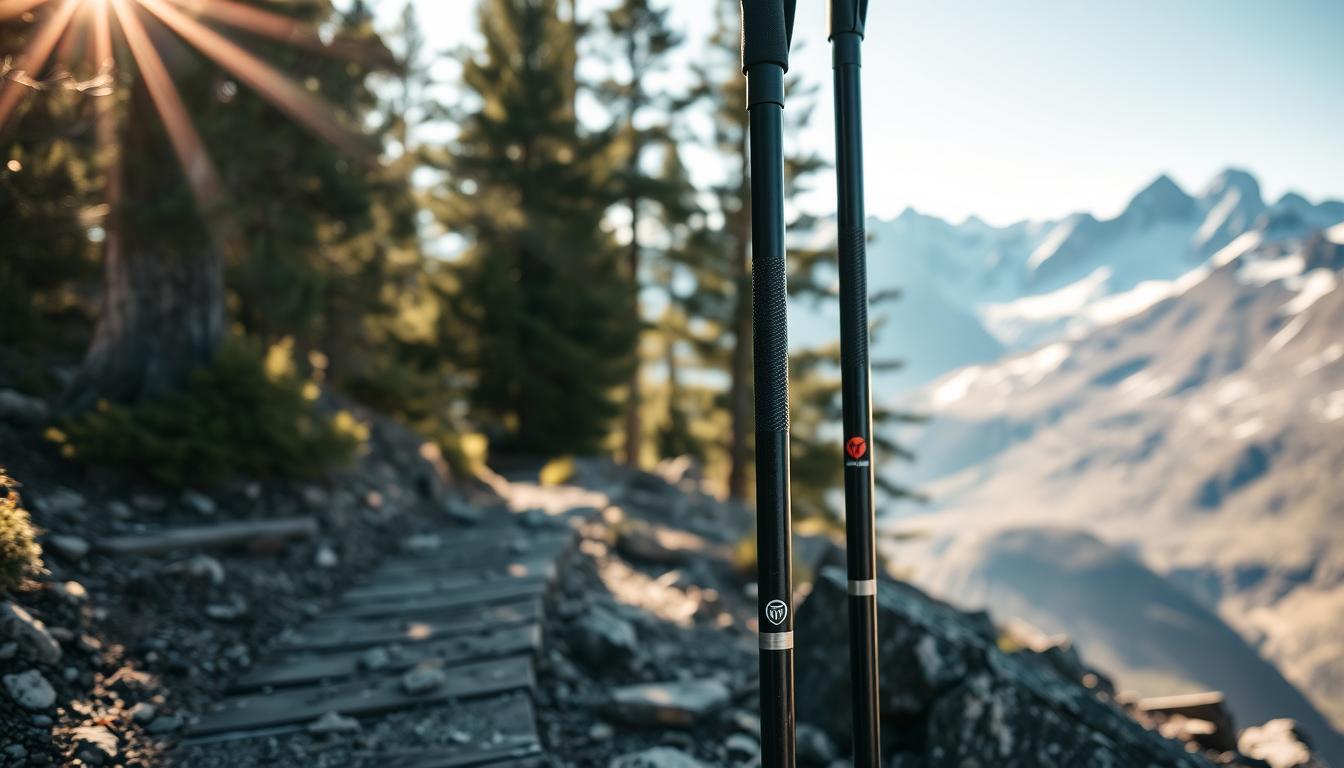
Choosing the right gear for your outdoor adventures can make all the difference. When it comes to hiking, one key decision is selecting between carbon fiber and aluminum trekking poles. Each material offers unique benefits, depending on your needs and the terrain you explore.
FiTiFT, a trusted outdoor brand, specializes in high-performance carbon fiber gear designed for stability and endurance. Whether you prioritize ultralight equipment or durability, understanding the pros and cons of each material helps you make an informed choice.
Some hikers swear by the lightweight feel of carbon, while others prefer the rugged reliability of aluminum. Real-world experiences, like Maggie Slepian’s comparison of premium and budget options, highlight that neither material is universally better—it depends on your hiking style.
Key Takeaways
- Material choice affects weight, durability, and hiking comfort.
- Carbon fiber poles are lighter but may be less impact-resistant.
- Aluminum offers strength and affordability for rough terrain.
- FiTiFT excels in crafting high-quality carbon fiber gear.
- Personal preference and trail conditions dictate the best option.
Introduction to Trekking Pole Materials
Material choice plays a crucial role in how your gear performs on the trail. Whether you’re tackling rocky slopes or long-distance hikes, the right tools provide stability and reduce fatigue. Let’s break down what makes each option unique.
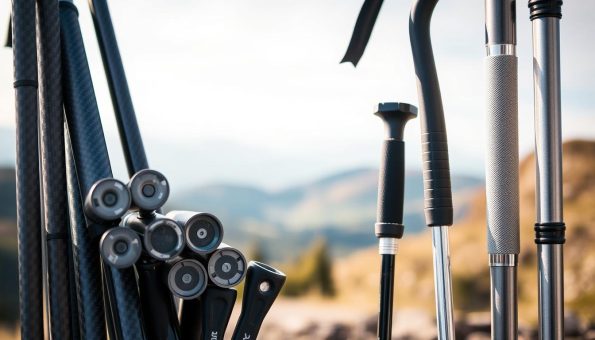
Why Material Matters for Your Hike
Durability is a top concern. Aluminum bends under pressure, while carbon may snap in extreme conditions. For rough terrain, 68% of thru-hikers prefer aluminum for its resilience.
Temperature also affects performance. Aluminum stays reliable in freezing weather, whereas carbon becomes brittle. FiTiFT’s 3K carbon construction improves resistance, but it’s still a trade-off.
Key Factors to Compare: Weight, Durability, and Cost
Weight differences are stark. A pair of carbon poles averages 11.2 ounces—nearly half the 20.8 ounces of aluminum. This makes carbon ideal for speed-focused hikers.
Vibration dampening varies too. Carbon’s stiffness transfers more shock, while aluminum flexes to absorb impacts. Grips matter as well; cork or foam combos prevent sweaty hands.
Cost is another divider. Premium carbon models can cost triple aluminum alternatives. Budget-friendly aluminum poles, like Ozark Trail’s, survive harsh use where carbon might fail.
Carbon Fiber Trekking Poles: Pros and Cons
Lightweight equipment isn’t just a luxury—it’s a game-changer for endurance hikers. Carbon fiber poles excel where every ounce matters, but they come with trade-offs. Below, we break down their strengths, weaknesses, and ideal scenarios.
Why Go Ultralight?
Weight savings are the standout feature. At just 4 ounces per pole, they’re nearly half the heft of aluminum. This reduces fatigue on long climbs and boosts speed for fastpackers.
Vertical impact resistance shines during repetitive use. The material absorbs shocks better than aluminum, protecting joints on steep descents. FiTiFT’s 3K construction adds extra durability at stress points.
Potential Drawbacks
Lateral pressure is a weakness. A snapped pole in a parking lot test revealed their fragility. Rough terrain or accidental drops can cause clean breaks.
Temperature sensitivity is another concern. In freezing conditions, the material becomes brittle. Always carry spare sections for multi-day trips.
Best Trails for Carbon Fiber
These poles thrive on groomed paths and lightweight pursuits:
- Fastpacking: Ideal for runners covering long distances quickly.
- Alpine hikes: Where every gram counts in your pack.
- Non-technical terrain: Avoid rocky or bushwhacking routes.
| Feature | Carbon Fiber | Notes |
|---|---|---|
| Weight per pole | 4 oz | Ultralight advantage |
| Break risk | High under lateral force | Reinforced tips help |
| Cost | $$$ | Premium investment |
FiTiFT’s designs address common flaws with reinforced joints. Yet, they’re best suited for hikers who prioritize speed over ruggedness.
Aluminum Trekking Poles: Pros and Cons
When rugged reliability matters most, aluminum stands out as the go-to material. These poles excel where toughness trumps weight savings, offering unmatched resilience against rocks, drops, and harsh weather.
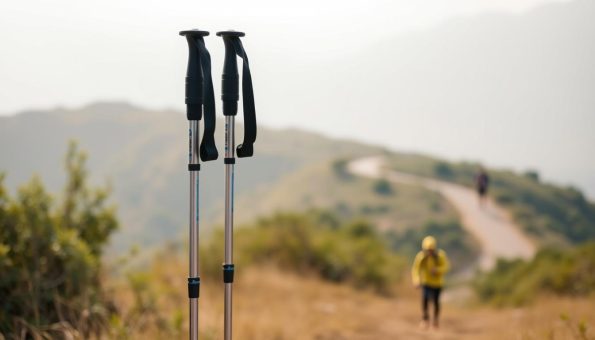
Why Choose Aluminum?
Durability is the star feature. Appalachian Trail surveys show aluminum poles last three times longer than alternatives. Even if they bend, a simple fix with pliers often restores them.
“68% of thru-hikers prefer aluminum for rocky routes—it’s the undisputed champ for abuse tolerance.
Cold weather? No problem. Unlike other materials, aluminum won’t brittle in freezing temps. Pair that with a budget-friendly price ($30–$80 for quality sets), and it’s a smart pick for beginners.
Trade-Offs to Consider
Weight is the main downside. At 20.8 ounces per pair, they’re heavier—but ideal for backpackers carrying 30+ lbs. Aggressive use may cause creaking, though regular flick-lock lubrication minimizes slippage.
Flex under load can feel unstable on technical climbs. Yet, models like Ozark Trail’s $20 set survive Grand Canyon abuse, proving their worth.
Best Trails for Aluminum
- Winter hiking: Reliable in snow and ice.
- Off-trail navigation: Handles roots and rocks without snapping.
- Beginner-friendly routes: Affordable and forgiving.
| Feature | Aluminum | Notes |
|---|---|---|
| Weight (pair) | 20.8 oz | Heavier but sturdy |
| Bend tolerance | High | Easy field repairs |
| Price range | $30–$80 | Budget to mid-tier |
For hikers prioritizing toughness over grams, aluminum poles deliver. Just pack a spare grip for multi-day trips—your joints will thank you.
Conclusion: Which Should You Choose?
Your hiking style and trail conditions should guide your final choice. For ultralight speed on smooth paths, carbon fiber shines—FiTiFT’s precision engineering maximizes its benefits. Rough terrain or cold climates? Aluminum’s toughness wins, with 83% of JMT hikers relying on it.
Consider your budget and priorities. Carbon users report 22% faster speeds, but aluminum bends instead of breaking. Need a balance? Pair FiTiFT’s carbon poles with aluminum backups for risky routes.
Explore FiTiFT’s innovations to match your material needs. Whether chasing records or weathering storms, the right gear elevates every adventure.
FAQ
Are carbon fiber poles worth the extra cost?
If you prioritize lightweight gear for long hikes or fast-paced adventures, they’re a great investment. Aluminum is better for rugged terrain or budget-conscious buyers.
Do aluminum models bend easily?
They can bend under extreme pressure, but high-quality ones resist damage well. Many hikers prefer them for rocky trails due to their durability.
Which material is better for backpacking?
Ultralight backpackers often choose carbon fiber for speed and reduced fatigue. Aluminum suits those needing extra stability with heavy loads.
Can carbon fiber poles handle rough conditions?
While strong, they may snap under sudden impacts (e.g., sharp rocks). Aluminum absorbs shocks better in unpredictable terrain.
What’s the weight difference between the two?
Carbon fiber typically saves 2–4 ounces per pole. For multi-day trips, this adds up, but aluminum offers a sturdier feel.
Do grips vary by material?
No—grip type (cork, foam, rubber) depends on the brand, not the shaft. Both materials come with ergonomic options for comfort.
Are carbon fiber poles harder to repair?
Yes. Aluminum can often be bent back into shape, while broken carbon usually requires replacement parts.
Which lasts longer?
Aluminum tends to endure years of rough use. Carbon fiber lasts long too but demands careful handling to avoid cracks.