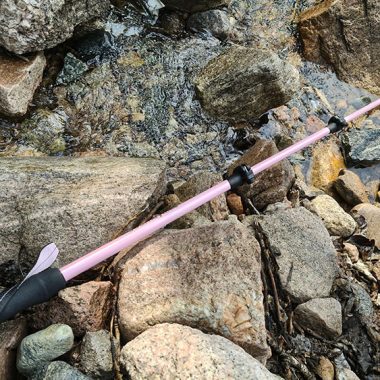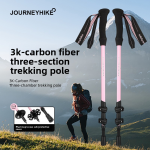
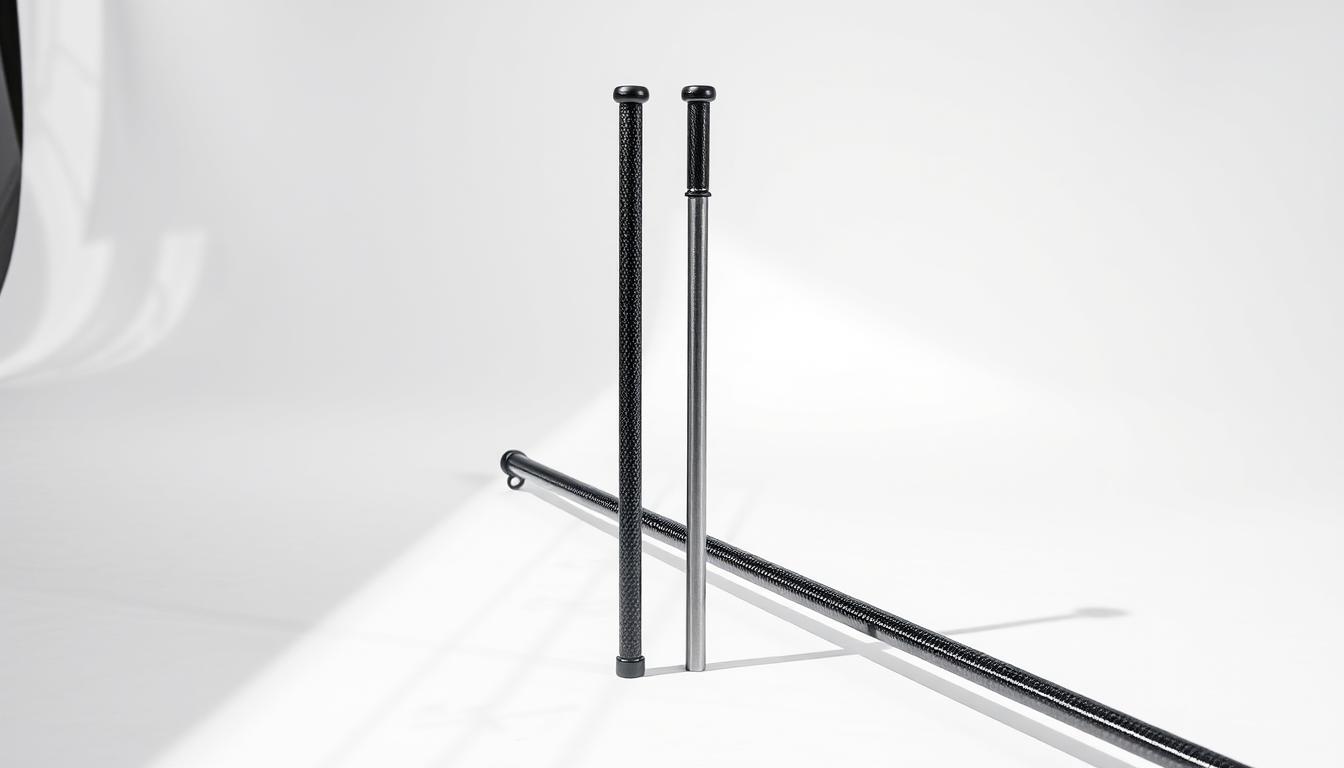
Choosing the right trekking stick affects comfort, control, and cost on the trail. This introduction maps key trade-offs so you can match a set to your goals. Expect clear notes on weight, stiffness, vibration damping, durability under load, and long-term price impacts.
Light models with carbon fiber offer lower weight and crisper feedback, with great vibration control. They cost more and can crack under heavy hits. Metal sticks tend to weigh a bit more but usually bend instead of breaking, which helps field repairs and can save money.
We also touch on telescopic versus foldable designs, grip materials like cork and foam, and simple setup tips. A quick rule: set pole length so your elbow forms about a 90-degree angle, and shorten for downhill to boost stability.
Key Takeaways
- There’s no universal winner; the right selection depends on terrain, distance, pace, budget, and personal preferences.
- Light, stiff carbon options excel on long fast days thanks to low weight and vibration damping.
- Metal builds offer durability and field-fix advantages, often lowering overall cost over time.
- Design choices—telescopic vs. foldable and cork vs. foam grips—affect comfort and handling.
- Use the 90-degree elbow setup and shorten for descents to protect joints and improve control.
Quick take: how to decide between carbon and aluminum poles
Deciding between two common shaft materials comes down to weight, durability, and how you use them on trail.
Numbers matter: typical metal trekking sets weigh about 20.8 ounces per pair, while many carbon sets fall between 11.2 and 16 ounces. That saved mass turns into less fatigue on long days.
Metal performs reliably in heat and deep cold. Small bends can often be straightened, making it a practical pick for rough use. In contrast, fiber shafts feel snappier and damp trail chatter better, but they can crack under sharp high loads.
“If you regularly break gear, choose toughness; if you rarely damage equipment and count ounces, choose lightness.”
- Pick metal when you carry heavy loads, rock-hop, or need field repairability.
- Pick carbon fiber when pace, long miles, and lower hand and pack weight matter most.
- Balance budget, typical activities, and personal preferences to land on the best choice.
Are carbon or aluminum poles better?
How a shaft swings and lands can change fatigue and pace on the trail.
Weight and swing feel: Composite sets shave roughly 4–9 ounces per pair versus many metal sets. That reduction makes a real difference on long hikes and high-mileage days. Lighter gear lets you keep cadence and reduces arm fatigue.
Durability and toughness: Metal shafts usually bend under a heavy jam, which can be managed in the field. Composite shafts are stiffer and lighter but can crack under sharp, high loads. This contrast shapes real-world strength and repair options.
Vibration and stiffness: Stiffer composite tubes damp small chatter and give a crisper plant. Metal can transmit more trail vibration unless the handle and damping systems compensate. That affects comfort over repeat miles.
“If you log many miles, lightness and damping pay off; if you hit rocks and bushwhack often, ductile failure is a practical safety net.”
- Advantages: composite = lower weight, better damping, crisp feel.
- Advantages: metal = tougher in abuse, usually less costly, field-fixable.
- Disadvantages: composite may crack under peak load; metal transmits more vibration and weighs more.
| Feature | Composite | Metal |
|---|---|---|
| Typical pair weight | 11.2–16 oz | ≈20.8 oz |
| Failure mode | Crack (brittle) | Bend (ductile) |
| Vibration | Better damping | More trail chatter |
| Upfront cost | Higher | Lower |
Who should choose aluminum vs. carbon for hiking and trekking
Match gear to what you actually do on trail. Your typical terrain, pack weight, and pace decide the best material for comfort and safety.
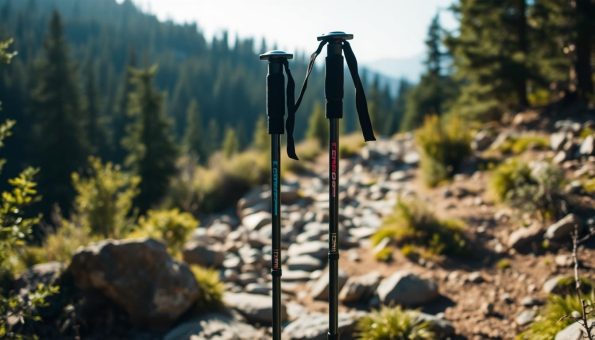
Heavy loads, rocky terrain, hard use: why aluminum shines
Aluminum stands up to leaning, prying, and accidental hits. It bends instead of snapping, so you can often straighten it and keep hiking.
This makes it a solid choice when you carry a big load, scramble on rocks, or treat gear roughly. It also performs predictably in heat and frigid cold.
Ultralight, high-mileage, speed-focused hikers: where carbon pays off
Carbon fiber saves real weight and reduces swing mass. That faint gain matters on long days and fast sections.
Fiber shafts give crisper feedback and better vibration damping, which cuts arm fatigue. They cost more and need careful handling to avoid sharp-impact damage.
Hot or frigid conditions: temperature sensitivity and performance
If you hike in extreme temps, aluminum keeps steady strength. Carbon can be less forgiving under sudden, high loads in very cold weather.
“Match material to your load, handling style, and desired weight—your best option depends on how you actually hike day to day.”
- Choose aluminum for heavy load, aggressive use, and easy field fixes.
- Choose carbon fiber for pace, long miles, and lower arm fatigue.
- Budget and terrain variability often tip the scale toward the tougher material.
| Hiker type | Recommended material | Key advantage |
|---|---|---|
| Loaded backpacker | Aluminum | Bend-not-break strength |
| Fastpacker / thru-hiker | Carbon fiber | Lower weight, less swing fatigue |
| Cold or mixed terrain | Aluminum | Consistent performance in extremes |
| Budget-minded hiker | Aluminum | Lower upfront cost, easier repairs |
Types of hiking poles: telescopic vs. foldable, and what matters in design
Choice of shaft mechanism affects how compact your kit gets and how steady each step feels. The right type balances on-trail stability with how easily the pole stows when not in use.
Telescopic models collapse with screw (twist) or clamp (lever) locks. They offer precise length adjustment and strong stability for climbs and descents. Clamp locks are quick with gloves; twist locks give a sleeker profile when packed.
Telescopic options: stability, locks, and pack length
Telescopic gear tends to be longer when stowed but can be compact enough for side pockets. Aluminum telescopic models lean toward durability and dependable locking under load. Many hikers pick them for carrying heavy packs or rugged routes.
Foldable options: lightness, compactness, corded segments
Foldable designs use corded segments that snap together. They pack very small and often weigh less, especially in carbon fiber builds. That compact length makes them easy to stash inside backpacks or travel cases.
Grips and extensions: cork and foam vs. rubber for comfort and control
Cork grips manage moisture and cut abrasion, while foam offers soft comfort and light weight. Rubber tends to trap sweat and can leave marks on hands during long miles. Many premium models add foam extensions for choke-up control on steep slopes.
| Feature | Telescopic | Foldable |
|---|---|---|
| Typical strength | High, reliable locks (clamp/twist) | Good, depends on joint quality |
| Pack length | Short to moderate | Very short, travel-friendly |
| Weight tendency | Heavier with aluminum; stable | Lightest with carbon fiber |
| Maintenance | Clean and lubricate locks | Check cord tension and joints |
- Both aluminum and carbon options exist in each type; match material and mechanism to your priorities.
- Consider grip material, basket type, and tip composition for traction across mud, snow, and rock.
Fit and setup: getting pole length right for comfort and control
Proper length makes every step easier and keeps joints happy. Setups that match your stance and shoes improve balance and reduce fatigue. Small changes matter more than you think.
The 90-degree elbow rule for general hiking
Start with the 90-degree rule: hold the grip and place the tip next to your foot. Adjust until your elbow rests near a right angle. This baseline gives reliable support and stability for most terrain.
Keep both shafts marked the same so handling stays predictable during a quick cadence. If wrists feel stressed, try a tiny tweak (±2–3 cm) to relieve pressure.
Downhill adjustments and footwear considerations
Lengthen the pole a bit for long descents to help keep your torso upright and ease knee strain. Shorten slightly for steep climbs to improve leverage.
Fit while wearing your usual trail shoes or boots. Sole stack height and rocker change the effective pole length on the trail, so test with the footwear you actually use.
| Setup task | Recommendation | Why it matters |
|---|---|---|
| Initial fit | 90-degree elbow with tip at foot | Comfortable arm angle, steady support |
| Downhill | Increase length by 2–5 cm | Improves stability and reduces knee load |
| Uphill | Shorten slightly | Better leverage and efficient stride |
| Material-specific checks | Verify lock tension on aluminum; seat segments on carbon fiber | Prevents slippage and ensures consistent support |
- Quick tip: use foam grip extensions to choke down on sidehills without changing shaft length.
- Reassess length as terrain shifts—small micro-adjustments preserve stability on off-camber sections.
Budget, longevity, and field repair: total cost of ownership
Think past the label price: longevity and serviceability often drive real value on long trips.
Price expectations vary widely by brand and build. Expect lower upfront price from metal sets and higher sticker prices for ultralight options that save ounces and reduce swing fatigue. Consider warranty and spare-part availability when you compare materials and make the buy decision.
Repairability and real-world use
Aluminum shafts usually bend before breaking. That gives a clear advantage for field repair and extended life. You can often straighten a small bend and finish a trip safely.
Carbon fiber brings weight savings and comfort but has limits when it cracks. Trailsides fixes are risky; replacement is usually required.
“If you often rough up gear, choose toughness; if you log big miles and avoid impacts, save weight.”
- Lower upfront price from metal sets.
- Advantages: bend-not-break strength extends service life.
- Disadvantages: brittle failure of lightweight shafts limits repairs.
| Feature | Aluminum poles | Carbon |
|---|---|---|
| Typical price | Lower | Higher |
| Repairability | Can be straightened | Replacement usually required |
| Field longevity | Predictable strength | Lightweight, needs care |
| Replacement parts | Wide availability | Varies by brand |
Beyond trekking: a quick note on tent poles made of aluminum and carbon
Tent shafts use similar trade-offs as hiking gear: select for durability, low mass, or easy field service.
Aluminum tent sections: durable, affordable, repairable
Aluminum tent poles give solid strength for their class and resist corrosion well.
They cost less and can often be bent back if deformed. That makes them easy to live with during frequent setup cycles.
Carbon fiber tent sections: ultralight with handling needs
Carbon fiber poles cut pack mass and can span large shelters with good stiffness.
They are pricier and harder to fix in the field. Expect careful handling to avoid crushing or sharp bends.
- Aluminum poles: proven blend of strength, affordability, and field repairability.
- Carbon fiber: slashes weight while keeping excellent rigidity for minimal shelters.
- Mixed-material designs often place stronger sections where load concentrates and lighter sections where weight matters most.
- Consider your shelter type, expected weather, and how rough you are with gear when choosing a material.
| Feature | Aluminum | Carbon fiber |
|---|---|---|
| Strength vs weight | Good strength, heavier | High strength-to-weight |
| Repairability | Can be bent back | Often requires replacement |
| Cost | Lower | Higher |
“Match material to how you use the shelter: rugged camps pick repairable sections, ultralight users chase every saved ounce.”
Regional and activity context: matching pole choice to U.S. trails and seasons
Match your shaft material to local terrain and seasonal swings to avoid surprises on route. Pick what fits your common routes and the weather you face most often. That keeps weight where it helps and strength where it matters.
Western high routes and alpine climate swings
Western high routes feature big elevation, talus fields, and wild temperature swings. In those zones, aluminum gives predictable strength during self-arrests and rock encounters.
Aluminum sets typically weigh about 20.8 ounces per pair and stand up well to hard use in frigid conditions. That stability can save a trip when the terrain is unforgiving.
Eastern roots, rocks, and humid summer miles
Eastern trails load shafts with prying, jams, and slick roots. Aluminum poles tolerate bends and rough handling; that bend tolerance often keeps you moving when a shaft takes a hit.
For long, rolling routes with smooth trail, carbon fiber shines. Many carbon fiber pairs range 11.2–16 ounces, cutting arm fatigue and keeping cadence high on long mileage days.
“Choose the ones that match your most common terrain and weather: aluminum for rough, cold, or technical trails; carbon for long, fast, and moderate trails.”
- Alpine, talus, shoulder-season snow: favor aluminum for strength and cold performance.
- Desert singletrack, long fast miles: favor carbon fiber for weight savings and reduced swing fatigue.
- Split time across regions: consider owning both materials and pick the set for each itinerary.
| Region / Activity | Recommended material | Why it fits |
|---|---|---|
| Western alpine routes | Aluminum | Resists impact, stable in cold, predictable strength |
| Long high routes / fastpacking | Carbon fiber | Lower weight (11.2–16 oz), less arm fatigue, faster pace |
| Eastern rocky, rooty miles | Aluminum | Bend tolerance, easier field fixes, durable under prying |
| Desert or smooth rolling mileage | Carbon fiber | Light swing mass, keeps cadence high over long days |
Conclusion
Match kit to mission: pick the set that fits terrain, pace, and how you handle gear. For long, smooth miles, light carbon fiber saves energy with lower weight and snappier feedback.
For rough ground and heavy loads, aluminum gives predictable toughness and field repairability. Both materials have clear advantages and disadvantages; weigh the factors that matter to your use.
Fit matters: set length for a 90-degree elbow and tweak for descents to protect joints. If you switch routes often, owning two sets lets you choose the ones best suited to each objective.
Final tip: prioritize secure locks, quality grips, and serviceable parts so your pole choice keeps you moving mile after mile.
FAQ
Which material offers the best weight-to-performance for long hikes?
Carbon fiber typically wins on weight and swing feel, making it ideal for long miles and fast travel. It absorbs vibration well, reducing wrist and shoulder fatigue. Aluminum is heavier but offers dependable strength when you carry heavy loads or encounter rugged terrain.
How do durability and field repair compare between materials?
Aluminum tolerates impacts and can often be straightened after bending, making it easier to repair on the trail. Carbon fiber resists permanent bending but can crack under high point loads; cracks usually require replacement rather than repair.
Does stiffness affect comfort and control?
Yes. The stiffer material dampens chatter and transmits force more directly. Carbon tends to feel livelier and reduces vibration, while aluminum can feel harsher but gives predictable feedback on rough surfaces.
How should cost influence my choice?
Expect a higher upfront price for carbon models, especially premium brands like Black Diamond or Leki. Aluminum offers strong value for frequent use and rugged conditions. Consider how often you hike and whether weight savings justify the extra cost.
Who should choose aluminum versus carbon for trekking?
Choose aluminum if you carry heavy packs, hike rocky routes, or need a pole that tolerates hard knocks. Opt for carbon if you prioritize low weight, high mileage, and speed-focused outings where every ounce matters.
Do extreme temperatures affect performance?
Both materials work across common hiking climates. Aluminum can feel colder to the touch in winter; carbon keeps a neutral surface feel. Temperature doesn’t usually change structural properties for everyday use, but severe cold can make impacts more damaging to some composites.
How do telescopic and foldable designs differ?
Telescopic poles adjust length easily and pack compactly with clamps or twist locks, offering fine-tuned setup. Foldable poles use corded segments to collapse quickly and often weigh less when made from comparable materials.
Which grip material should I pick?
Cork grips wick sweat and mold to your hand over time for comfort. EVA foam stays warm and soft, and rubber excels for downhill control and winter use. Pick based on comfort, hand size, and typical weather.
How do I set pole length correctly?
Use the 90-degree elbow rule: with your forearm horizontal and the pole tip on the ground, your elbow should form about a right angle. Adjust shorter for downhill and longer for steep climbs or heavy packs.
What should I expect for price and lifespan?
Entry-level aluminum poles from brands like REI Co-op or Cascade Mountain Tech deliver great durability for a modest price. Mid to high-end carbon shafts cost more but reduce fatigue on long trips. Lifespan depends on care, terrain, and impacts.
Can I repair damaged shaft sections in the field?
Aluminum can sometimes be straightened or reinforced with splints. Carbon failures usually require replacement of the section or full shaft swap; carrying a lightweight repair sleeve helps but won’t restore full original strength.
Are tent poles made from these materials different in trade-offs?
Aluminum tent poles are strong, cost-effective, and repairable in camp. Carbon fiber tent poles cut weight significantly but cost more and need careful handling to avoid stress fractures.
How should regional trail conditions influence my selection?
On Western high routes with alpine exposure and variable weather, durability and reliability matter—aluminum is a solid choice. For Eastern trails with rocky footing and humid summers, choose based on weight preference and expected impacts.
What brands and models are known for good options?
Look at established outdoor makers like Black Diamond, Leki, REI Co-op, and Gossamer Gear. They offer a range of telescopic and foldable designs in both shaft materials to match different needs and budgets.