Embarking on a backpacking adventure requires meticulous planning, careful selection of gear, and a profound understanding of what to carry. Among the fundamental concepts that seasoned backpackers and beginners alike need to grasp, understanding what are the big four in backpacking stands out as crucial. These four essential pieces of gear serve as the foundation for a safe, comfortable, and enjoyable journey through the wilderness. Whether you’re an aspiring thru-hiker, weekend camper, or someone venturing into remote terrains, knowing the big four will streamline your packing process and help you be prepared for the challenges ahead.
In this comprehensive guide, we will explore what are the big four in backpacking, delve into each element in detail, and provide expert insights, practical advice, and real-world examples to enrich your outdoor experience. We will also compare different options, share tips on how to optimize each item, and answer common questions to ensure you are well-equipped for your next adventure.
Understanding the Concept of the Big Four in Backpacking – Why These Items Are Critical
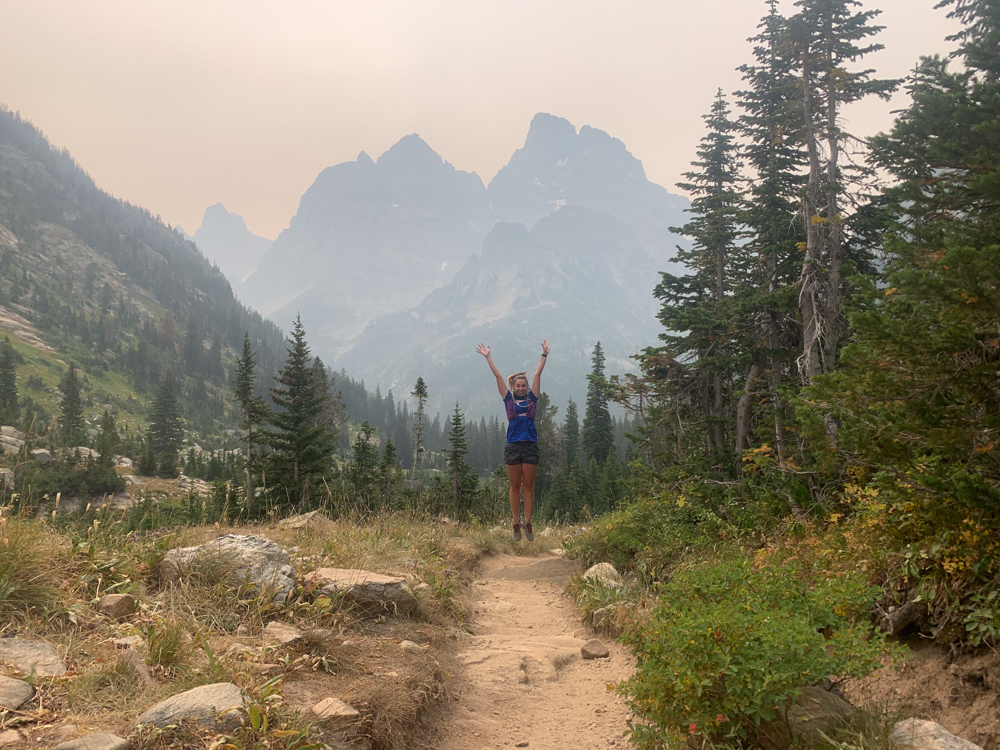
Before diving into each component, it’s important to grasp why these four items hold such significance in backpacking. The big four are considered the core essentials that directly impact your safety, comfort, and overall success during outdoor excursions. They are the building blocks upon which your entire trip hinges; neglecting any one of them can lead to discomfort, health risks, or worse, life-threatening situations.
The reason these items are categorized as the big four is due to their overlapping influence on core camping needs—shelter, warmth, hydration, and energy. They are often the heaviest, most costly, or most technologically advanced pieces of gear you will carry, making their selection critical. Moreover, the efficiency and quality of these items can determine whether a trip turns out memorable for the right reasons or becomes a challenging ordeal.
In practice, knowing what are the big four in backpacking can influence your packing decisions profoundly. It allows you to prioritize, choose versatile gear, and streamline your pack for optimal weight-to-value ratio. In addition, these essentials serve as the foundation for understanding intermediate equipment and backup plans. When correctly selected, they enable you to adapt to changing weather, terrain, and unforeseen circumstances, ensuring a safe and enjoyable adventure.
The Superiority of Lightweight and Multi-Functional Gear

Choosing the right gear for the big four involves balancing durability, weight, functionality, and cost. Modern advancements in outdoor gear technology have led to a market flooded with options, making it tempting to select the most feature-rich or expensive equipment. However, seasoned backpackers emphasize simplicity, reliability, and weight savings when selecting what are the big four in backpacking.
Lightweight gear not only reduces physical fatigue but also expands the scope of adventures, allowing for longer treks or more remote explorations. Multi-functional items, such as a tarp that can serve as an emergency shelter or a jacket that provides insulation and rain protection, maximize versatility within limited space. This synergy of lightweight and multi-use gear elevates a backpacker’s experience, often making the difference between comfort and misery at the end of a long day or night in the wilderness.
Expert backpackers often recommend investing in quality, tested equipment for these core components. For instance, a durable yet lightweight sleeping bag can provide warmth without adding unnecessary bulk. Similarly, versatile cookware not only facilitates meal prep but also acts as a container for water boiling or storage. Their approach favors less but better—focusing on equipment that not only hits the key requirements but also offers longevity and ease of maintenance.
Below is an outline of proven strategies for selecting the big four:
| Strategy | Explanation | Benefits |
|---|---|---|
| Focus on Weight Reduction | Choose lightweight materials and compact designs | Less fatigue, longer trips |
| Prioritize Durability | Invest in high-quality gear to withstand conditions | Cost-effective, reduces replacements |
| Opt for Multi-functionality | Select gear with multiple practical uses | Saves space, enhances adaptability |
| Consider Climate Compatibility | Gear suited for specific weather conditions | Ensures safety and comfort |
| Budget with Value in Mind | Balance cost with performance and longevity | Value for money, reliable performance |
As we explore each element of the big four, these considerations will serve as guiding principles for making informed gear choices.
1. Backpack – The Foundation of Your Journey

The backpack is arguably the most personal and crucial piece of gear, serving as your mobile home and storage unit. It determines how comfortably you can carry your essentials, influences your posture, and affects your overall energy expenditure. Choosing the right backpack involves understanding capacity, fit, weight, and accessibility. For what are the big four in backpacking, the backpack must efficiently house all other essentials while minimizing strain.
Different Types of Backpack Designs and Their Uses
Backpacks come in various designs tailored to specific trips, durations, and personal preferences. Their features directly impact comfort and functionality.
- Trail/Daypacks are small, usually under 30 liters, perfect for short hikes or day trips. They typically carry water, snacks, a first aid kit, and extra layers.
- Overnighters and Weekend Packs range from 30 to 50 liters, suitable for overnight or weekend trips. They offer more compartments and comfort features.
- Multiday/Long Trekking Packs generally hold 50-70 liters, designed for extended backpacking trips. Their construction prioritizes weight distribution and ventilation.
- Expedition Packs are over 70 liters, built for extreme weather, multiple weeks, or heavy gear loads.
The key is selecting a pack that fits well, distributes weight properly, and suits the planned adventure.
Fitting and Adjustments for Maximum Comfort
Proper fit is non-negotiable when selecting the big four in backpacking. An ill-fitting pack leads to discomfort, injuries, and fatigue. The shoulder straps, hip belt, back panel, and load lifters must be adjustable to contour perfectly to your body shape and size.
Experts recommend visiting a specialized outdoor store to try on various packs. Load the pack with gear, tighten straps, and walk around to assess comfort. Pay attention to how the weight shifts and whether any pressure points develop. Investing time here can save significant discomfort on the trail.
Material and Construction for Durability and Weather Resistance
Materials such as high-denier nylon or polyester are common due to their strength-to-weight ratio. Waterproof zippers, rain covers, and reinforced panels increase durability and weather resistance. A rugged pack can withstand rough handling, abrasion, and exposure to the elements, making it indispensable as part of what are the big four in backpacking.
Personal Experience and Best Practices: I recommend choosing a pack with a capacity that matches your typical trip length, avoiding unnecessarily large models that add weight. For instance, a 50-liter pack balances size and weight for most multi-day adventures, leaving room for essential gear and some extras.
2. Sleeping System – Ensuring Rest and Recovery Off the Trail
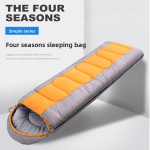
A good night’s sleep is fundamental for stamina, mood, and safety during any backpacking excursion. The sleeping system, which includes your sleeping bag, sleeping pad, and pillow, is essential to warmth, comfort, and overall trip quality. When asked what are the big four in backpacking, the sleeping system stands out as the element that directly affects your rest and recuperation.
Choosing the Right Sleeping Bag for Climate and Comfort
Sleep systems must match environmental conditions. For cold climates, insulated sleeping bags with appropriate temperature ratings (e.g., 20°F or -6°C) are necessary. Mummies or semi-rectangular bags offer a good balance of warmth and weight, and choosing one with water-resistant or water-repellent shells provides additional protection against damp conditions.
For milder weather, lightweight and breathable bags suffice, minimizing bulk and weight. The fill type—down versus synthetic—also influences performance. Down offers superior warmth-to-weight ratios and compressibility but loses insulating properties when wet. Synthetic fills perform better in damp environments and are easier to maintain.
Sleep Pads – The Key to Insulation and Comfort
Sleeping pads serve as both insulation from the cold ground and a comfort layer. They come in foam, self-inflating, or air mattress varieties, each with strengths and weaknesses. Foam pads are durable and inexpensive but bulkier. Self-inflating pads strike a good balance, offering comfort and insulation with moderate weight. Air pads are lightweight but require care to prevent punctures.
Selecting the proper bag and sleeping pad combination based on weather, terrain, and personal comfort needs is critical in what are the big four in backpacking.
Additional Accessories for Rest and Relaxation
A compact pillow enhances sleep quality significantly. Inflatable or packable pillows are popular choices, providing neck support and a sense of familiarity when sleeping in the wild. Also, packing earplugs, eye masks, or a sleep sheet can improve rest quality in communal or noisy environments, further contributing to overall enjoyment and readiness.
Pro Tip: Rotate and test your sleeping system before your trip to ensure compatibility and comfort. Optimize packing for efficiency by compressing the sleeping bag and rolling the pad tightly to maximize space.
3. Shelter – Protecting Yourself from Elements and Insects
Shelter is the cornerstone of staying dry, warm, and safe during your journey. Whether you prefer a tent, hammock, bivvy, or tarp, the goal is to choose a setup that matches your needs, terrain, weather, and skills. The question what are the big four in backpacking is incomplete without a thorough understanding of your shelter options and how to select the best for your adventures.
Tent Types and Their Suitability
Tents are versatile and provide excellent protection against rain, wind, and insects. They range from ultralight backpacking tents to multi-person models designed for car camping.
- Ultralight Tents are ideal for solo trips. They prioritize weight savings, often sacrificing some comfort and durability.
- Four-Season Tents are built to withstand snow and high winds, suitable for winter travel or mountain environments.
- Freestanding vs. Non-Freestanding Tents: Freestanding models are easier to set up and eliminate the need for stakes in certain terrains, ideal for rapid deployment.
Shelter Material and Weather Resistance
Look for waterproof fabrics like ripstop nylon or polyester with high waterproof ratings (e.g., 3000mm water column). Seam sealing and robust stakes improve stability and waterproofing. Ventilation features prevent condensation buildup inside the shelter, maintaining a dry and comfortable environment.
Alternative Sheltering Options
In addition to tents, hammock setups with rain flies are popular in tropical or forested environments. Tarps and bivvy sacks are lightweight options for minimalist backpackers, offering shelter with minimal weight and pack size.
Expert Advice: Always pitch your shelter in an elevated, well-drained location away from water runoff and potential falling debris. Practice setting up your shelter before the trip to ensure quick deployment when needed.
4. Cooking and Water Purification Systems – Nutrition and Hydration on the Go
Proper cooking gear and water purification are vital for sustenance and hydration, directly affecting your health, energy, and morale. In the context of what are the big four in backpacking, these elements are often intertwined because efficient cooking systems enable warm meals and safe drinking water.
Selecting the Right Stove – From Simple to Advanced
Backpacking stoves come in various types:
- Canister Stoves are popular for their convenience, rapid heating, and clean combustion.
- Liquid Fuel Stoves excel in cold environments and longer trips but require maintenance.
- Solid Fuel Stoves are lightweight but less efficient and suitable for short trips.
When choosing, consider factors like weight, fuel availability, ease of use, and safety features. Multi-fuel stoves offer the flexibility of using different fuel sources, adding value for remote expeditions.
Cookware and Utensils
Opt for lightweight, durable materials like titanium or aluminum. Compact, nesting cookware maximizes space, and combining pots and pans can reduce pack weight. A spork or lightweight utensils complete the setup.
Water Purification Methods
Reliable water purification ensures safety from pathogens, especially in remote or wilderness areas. Options include:
- Chemical treatments like iodine or chlorine tablets.
- Filtration systems using pump or gravity filters.
- Ultraviolet (UV) purifiers for quick sterilization.
It’s advisable to treat all water before drinking to prevent illness, which can jeopardize the trip and health.
Practical Tip: Always carry extra fuel and purification supplies. Test your cooking and purification systems beforehand to ensure they work effectively and efficiently.
FAQs: Common Questions About What Are the Big Four in Backpacking
Q1: Why are these four items considered essential in backpacking?
A: They are fundamental because they directly impact your safety, comfort, and ability to sustain yourself in the wilderness. Without them, a trip can become dangerous or unmanageable.
Q2: How do I choose the best sleeping bag for different climates?
A: Look at temperature ratings suited for your expected conditions, fill material (down or synthetic), weight, and packability. Test different models in stores or campgrounds for comfort.
Q3: Can I substitute lightweight gear with more durable options?
A: While durable gear is essential for rough terrains, prioritize weight savings for long-distance trips. Choose quality lightweight gear that balances both durability and portability.
Q4: What are the most common mistakes when selecting the big four?
A: Overpacking heavy or unnecessary items, ignoring proper fit and size, neglecting weather considerations, and choosing gear based solely on price rather than performance.
Q5: How do I maintain the big four during the trip?
A: Regularly inspect gear for damage, keep items clean, store them properly, and perform routine checks like testing stove functions and inspecting shelter fabric.
Conclusion
Understanding what are the big four in backpacking is fundamental to planning successful outdoor adventures. These four core essentials — a suitable backpack, sleeping system, shelter, and cooking/water system — form the backbone of any trip, influencing comfort, safety, and overall experience. Prioritizing lightweight, durable, and versatile options within these categories allows backpackers to optimize their gear, reduce fatigue, and adapt to changing conditions. By making informed decisions, practicing proper setup, and maintaining your equipment, you can elevate your backpacking experience from ordinary to extraordinary. Whether embarking on a weekend escape or a months-long trek, mastering the big four equips you with the confidence and preparedness to explore the wilderness with enjoyment and peace of mind.