Hiking is not just an enjoyable outdoor activity; it serves as a fundamental aspect of connecting with nature, improving mental health, and fostering a sense of adventure. However, before setting out on your hiking expedition, understanding the essentials can make a world of difference in your experience. This article seeks to answer the question, What is the Big 4 in hiking?
The Big 4 in hiking refers to the four essential gear items every hiker should prioritize: shelter, sleep system, pack, and water system. These crucial components ensure your safety and comfort while maximizing the joy of exploring the great outdoors. As we delve into each component, we’ll explore its significance, consider various options, and how to select the gear that’s best for your hiking adventures.
Understanding the Importance of the Big 4 in Hiking
When embarking on hiking adventures, especially in remote or challenging terrains, having the right gear is critical. The Big 4 encompasses core elements that can make or break your hiking experience.
Shelter – Your Safe Haven
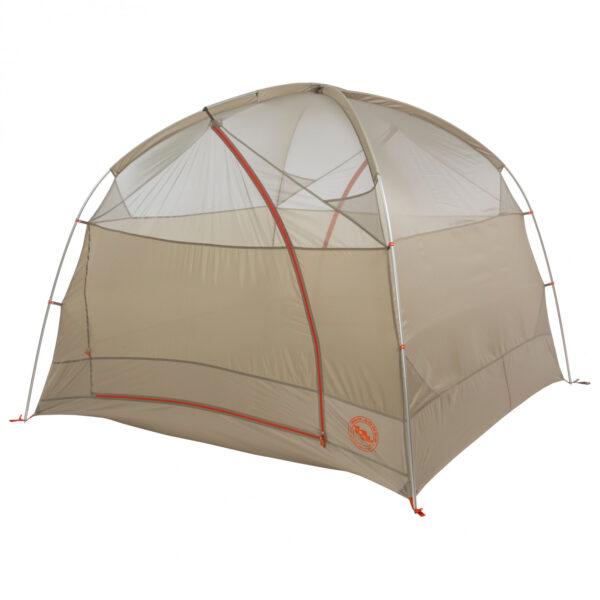
Shelter is essential for protection against varying weather conditions, ensuring rest during your hike, and providing a break from the elements.
Tent vs. Hammock vs. Bivvy Bag
Choosing the right option for shelter depends on your comfort level, the type of hike, and the weather:
- Tent: Offers ample space, protection, and comfort. Ideal for family hikes and long stays.
- Hammock: Great for warm climates, lightweight, and quick to set up. However, it can be uncomfortable in cold weather.
- Bivvy Bag: Compact and lightweight, perfect for backpackers who seek mobility. However, it compromises on comfort and space.
Key Considerations when Choosing a Shelter
When selecting a shelter, consider your hiking style, the duration of your trip, and the environment:
- Weather Resistance: Ensure your shelter can withstand rain and wind.
- Weight: Lightweight options are essential for long-distance hikes.
- Capacity: Choose a size that can accommodate you and your gear comfortably.
Sleep System – Rest and Recovery
A good night’s sleep can dramatically influence your hiking performance. Your sleep system is a combination of your sleeping bag and sleeping pad, playing a crucial role in ensuring you recover adequately.
Types of Sleeping Bags
Different temperature ratings and insulation materials cater to diverse hiking conditions:
- Down Fill: Lightweight, compressible, but performs poorly when wet.
- Synthetic Fill: Heavier but retains insulation even when damp, making it ideal for wet conditions.
The Role of Sleeping Pads
Sleeping pads provide insulation and comfort:
- Air Pads: Offer excellent comfort and are lightweight but can puncture easily.
- Foam Pads: Durable, lightweight, and insulative, great for all-around use.
Essential Tips for Your Sleep Setup
- Location Is Key: Pitch your tent/shelter on flat ground, away from water sources to stay dry.
- Keep It Dry: Use a waterproof cover to protect against moisture from the ground.
The Backpack – Your Essential Carry-All

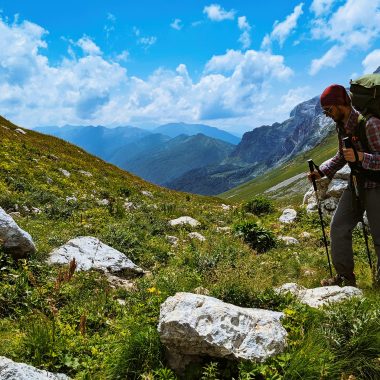
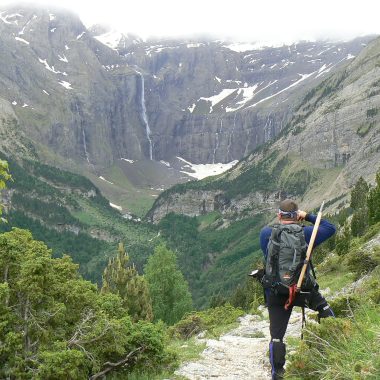
The pack you carry influences not just your comfort but your efficiency. A good backpack will make your hike enjoyable and hassle-free.
Types of Backpacks
Different hikes require different types of backpacks. You should choose based on your length of hike and personal preferences.
Day Packs vs. Overnight Packs
- Day Packs: Typically designed for shorter hikes, offering a capacity of around 15–30 liters.
- Overnight Packs: For longer hikes, they can hold from 40-60+ liters, designed for carrying more gear.
Weight and Comfort are Key
The weight of the backpack should be light enough to ensure comfort. Some factors to consider include:
- Suspension System: Helps distribute weight evenly, affecting overall comfort.
- Fit: Should be adjusted based on your torso and hip size for optimal support.
Essential Features to Look For
When selecting your pack, remember these vital features:
- Pockets: Ensure ample pockets for organization and easy access to essentials.
- Hydration Reservoir: Built-in hydration sleeves can help you stay hydrated on the trail.
- Rain Cover: A protective rain fly can save your gear from being soaked in sudden storms.
The Water System – Staying Hydrated
Hydration is vital for any hiker. Understanding your water system is crucial for your overall hiking experience.
Types of Water Systems
Different options are available, depending on your route and water sources.
Bottles vs. Hydration Bladders
- Water Bottles: Versatile and easier to clean; however, they require frequent stops to access.
- Hydration Bladders: Offer hands-free access, making it easier to hydrate without breaking your stride.
Protecting Your Water Supply
When heading into the backcountry, it’s important to purify your water:
- Filters: Can remove contaminants from natural water sources.
- Chemical Treatments: Tablets can be lightweight and effective for purification.
How Much Water Do You Need?
The guideline is to drink about half a liter of water per hour in moderate conditions. However, adjust based on:
- Temperature: Warmer climates require higher intake due to evaporation.
- Altitude: Increases your need for hydration as well.
Essential Hydration Tips
- Regular Sips: Don’t wait until you feel thirsty.
- Plan Resupplies: Know where you can refill your water supply along the trail.
FAQs about the Big 4 in Hiking
What items make up the Big 4 in hiking?
The Big 4 in hiking includes shelter, sleep system, pack, and water system. Each plays a vital role in ensuring comfort and safety.
How do I choose the right gear for the Big 4?
Consider your hiking style, duration, climate, and personal comfort when selecting gear for the Big 4.
Why is the Big 4 so important in hiking?
The Big 4 is essential because they ensure safety, comfort, and enjoyment while hiking, directly impacting your overall experience.
Can I skimp on any of the Big 4?
It’s highly recommended not to skimp on any of the Big 4. However, your choices may vary based on the hike’s length and difficulty.
How can I properly maintain my Big 4 gear?
Regularly clean, dry, and inspect your gear. Store it in dry, dark places to extend its lifespan.
Conclusion
Understanding What is the Big 4 in hiking? equips you with the necessary knowledge to embark on enjoyable wilderness adventures. By focusing on shelter, the sleep system, the backpack, and the water system, you increase your chances of a safe and fulfilling hiking experience. Always remember that preparation is key, so invest time in researching and choosing the right gear tailored to your individual hiking style. Happy trails!