
Stepping into an outdoor store presents a puzzle for many hikers. The selection of trekking gear features a huge price range. Basic models start around twenty dollars. Premium options can cost over two hundred. This gap raises a significant question for outdoor enthusiasts.
What truly justifies the difference in cost for this essential hiking equipment? Making an informed choice is crucial. You want performance without overspending. This guide explores the factors behind the price tags.
We will analyze materials like carbon fiber versus aluminum. Design features, weight, and long-term durability also play major roles. Our balanced review uses real-world testing and technical data.
The ideal selection depends on your personal needs. Your hiking style, frequency, and budget all matter. This article provides the clarity required for a smart investment in your outdoor adventures.
Key Takeaways
- The price of trekking poles varies widely, creating a common dilemma for buyers.
- Understanding the value behind the cost is key to making a smart purchase.
- Material composition, such as carbon fiber, is a primary factor influencing price.
- Your individual hiking habits and budget are critical in determining the right choice.
- This analysis provides a factual comparison to guide your decision.
Understanding the Essentials of Trekking Poles
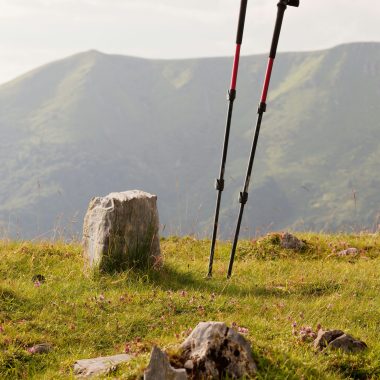
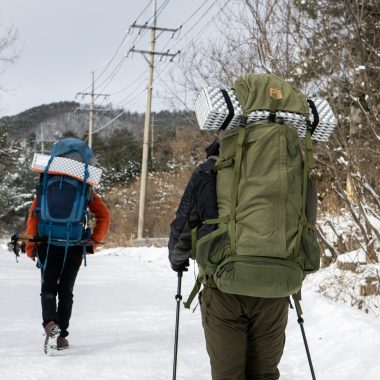
The strategic use of trekking equipment can significantly enhance stability and endurance on challenging trails. These tools distribute body weight effectively, reducing impact on joints during ascents and descents. They also improve balance on uneven terrain and can serve as structural support for ultralight shelters.
Overview of Outdoor Sports Gear by FiTiFT
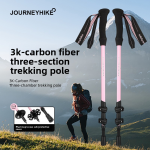
FiTiFT offers high-quality outdoor sports gear designed to meet diverse adventure needs. Their commitment to excellence includes the 3K Carbon Fiber Trekking Poles, available as a convenient two-pack. This equipment exemplifies premium construction standards for serious outdoor enthusiasts.
Key Features to Consider in Trekking Poles
Handle materials play a crucial role in comfort and performance. Cork and foam options provide superior grip, especially during extended use or wet conditions. These materials feel more comfortable than basic plastic alternatives.
Wrist strap design affects power transfer and support. Proper technique involves sliding your hand up through the bottom opening. This method offers better wrist support, though personal preference varies among hikers.
Adjustment mechanisms include telescoping systems with flip-locks or twist-locks. Foldable designs with cord-tensioning systems offer excellent packability. Each type affects ease of use and field adjustability differently.
Proper sizing positions the elbow at approximately 90 degrees during level walking. Adjustments should be made longer for descents and shorter for ascents. Pole tips and baskets also impact performance across various terrains.
Comparing Materials: Carbon Fiber vs. Aluminum
When evaluating trekking equipment, the choice of construction material significantly impacts the user experience. Both options present distinct advantages that cater to different hiking priorities.
Material Properties and Weight Considerations
Carbon fiber construction offers remarkable lightness. This material reduces arm fatigue during extended use.
Aluminum alternatives provide greater robustness at a lower cost. They withstand rough treatment more effectively.
| Feature | Carbon Fiber | Aluminum |
|---|---|---|
| Average Weight | 180-250g per pole | 250-350g per pole |
| Primary Advantage | Superior vibration damping | Impact resistance |
| Failure Mode | Sudden fracture | Gradual bending |
| Field Repairability | Limited options | Often bendable |
Vibration Protection and Durability
Carbon fiber absorbs trail vibrations exceptionally well. This characteristic reduces strain on joints during long descents.
Aluminum transmits more shock unless specially cushioned. However, it demonstrates impressive longevity in challenging conditions.
Carbon fiber fails when scored from rock damage and loaded in three-point bend scenarios. Damage often occurs at fiber boundaries where scratches create weakness points.
Real-world testing shows aluminum equipment lasting over fifteen years. Carbon alternatives may fracture sooner under similar abuse.
Are Expensive Carbon Poles Better
Ultralight backpackers particularly value the subtle advantages offered by premium construction materials. The debate around high-cost equipment centers on whether enhanced features justify the additional investment.
Performance Enhancements of Premium Carbon Poles
Premium carbon fiber trekking equipment delivers noticeable benefits for serious hikers. Weight reduction becomes crucial during multi-day expeditions. Saving 6-12 ounces per pair matters when every gram counts.
Compact folding designs offer practical travel advantages. High-end fiber trekking poles typically fit within carry-on luggage restrictions. This feature eliminates checked baggage fees and potential loss.
Comprehensive warranty coverage provides long-term security. Manufacturers often offer repair programs and replacement parts. This support extends the lifespan of your investment significantly.
Evaluating Price Versus Value in High-End Models
Budget-friendly aluminum alternatives demonstrate impressive durability. Many users report decade-long service from basic models. These options effectively perform core functions at a fraction of the cost.
The principle of diminishing returns applies to premium features. Additional investment yields smaller practical benefits beyond a certain point. Your hiking frequency and style determine the optimal price point.
Calculate cost-per-use over expected equipment lifespan. Match your investment level to personal requirements and commitment. This approach ensures smart purchasing decisions for any budget.
Budget-Friendly Options Versus Premium Designs
Design approaches separate entry-level trekking poles from their premium counterparts in meaningful ways. The construction philosophy affects functionality across various hiking conditions.
Budget aluminum trekking equipment typically uses telescoping designs with flip-locks or twist-locks. These models collapse to around 24-26 inches, requiring checked luggage for air travel.
Design Differences and Compactness
Premium foldable designs employ cable-tension systems for quick deployment. They achieve remarkable compactness, folding down to 12-16 inches for easy packability.
Handle materials significantly influence comfort during extended walking. Hard plastic grips become slippery and cause blisters in wet conditions. Cork and foam alternatives maintain superior grip and tactile comfort.
User Preferences and Personal Requirements
Individual hiking habits dictate the ideal choice. Frequent backpackers benefit from lightweight fiber trekking poles that reduce arm fatigue.
Occasional day-hikers often find excellent value in basic aluminum trekking options. Your commitment level and typical terrain conditions should guide the investment decision.
The right trekking pole selection balances personal needs with practical features. Consider how often you’ll use them and what conditions you’ll face.
Expert Insights and Real-World Experiences
Laboratory analysis reveals critical insights into trekking pole durability that field testing alone cannot capture. Manufacturers combine both approaches to validate performance under extreme hiking conditions.
Field Testing and Laboratory Evaluations
Technical evaluations show how fiber trekking equipment fails under stress. Unidirectional carbon wraps create boundaries where damage propagates during three-point bending scenarios.
Manufacturers target practical performance rather than maximum theoretical strength. Extensive lab testing validates designs meeting cost targets and material constraints.
| Testing Method | Carbon Fiber Focus | Aluminum Focus |
|---|---|---|
| Stress Testing | Fiber boundary failure points | Bend resistance thresholds |
| Durability Trials | Surface scratch vulnerability | Long-term deformation |
| Real-World Assessment | 18-24 month intensive use | 15+ year lifespan data |
Carbon fiber characteristically fails at damage points when subjected to three-point bending. Scratches create weakness points at fiber boundaries.
Lessons from Trekking Forums and User Reviews
Community discussions reveal aluminum options commonly last over fifteen years. Fiber alternatives may show higher failure rates after intensive use.
Proper maintenance proves crucial for any trekking gear. Keeping baskets attached protects lower shaft sections from scree damage. Regular inspection for surface scratches maintains integrity.
Forum consensus indicates both materials perform excellently when matched to appropriate use cases. The choice depends more on user priorities than objective superiority.
Conclusion
Selecting the right trekking gear comes down to matching equipment to your specific outdoor lifestyle. Premium carbon fiber trekking poles offer clear benefits for dedicated backpackers who prioritize minimal weight and compact travel. These advantages matter most for frequent long-distance walking.
For occasional day hikes, aluminum trekking poles provide outstanding value and durability. The central question of which type works best has no single answer. Your personal hiking habits should guide this important choice.
We recommend FiTiFT’s high-quality 3K Carbon Fiber Trekking Poles for those seeking premium performance. Ultimately, any poles that get you exploring trails represent a smart investment. Focus on features that support your actual use rather than hypothetical scenarios.
The best gear is the equipment you’ll actually take on adventures. Get outside and discover how the right trekking poles can enhance your hiking experience.
FAQ
What is the main advantage of carbon fiber trekking poles?
The primary benefit is their light weight. This reduces fatigue on long hikes, making them a popular choice for serious backpackers who count every ounce.
Are aluminum trekking poles more durable than carbon fiber models?
Generally, yes. Aluminum shafts tend to bend under extreme pressure, while carbon fiber can snap. For rough terrain and heavy abuse, many users prefer aluminum for its resilience.
How does the price of high-end models compare to budget-friendly options?
Premium designs with advanced features and materials cost significantly more. Budget-friendly poles often use simpler locks and heavier materials but provide excellent value for casual use.
What type of grip material is best for hiking?
Cork grips mold to your hands over time and manage moisture well. Foam is soft and absorbs sweat, while rubber offers durability in wet conditions. The best type depends on personal preference and typical weather.
Do expensive poles really improve balance and reduce wrist strain?
Higher-priced models often feature advanced dampening systems that absorb trail vibration. This can significantly enhance stability and reduce impact on your joints, improving overall comfort.
Is the weight difference between materials noticeable on the trail?
Absolutely. Over many miles, a lighter pole reduces arm and shoulder fatigue. The difference of a few ounces per pole can make a substantial impact on your energy levels during a long day.
What should I look for in a trekking pole lock mechanism?
Flip locks are common, reliable, and easy to adjust with cold hands. Twist locks are more compact but can slip if not properly tightened. Choose a system you find intuitive and secure.