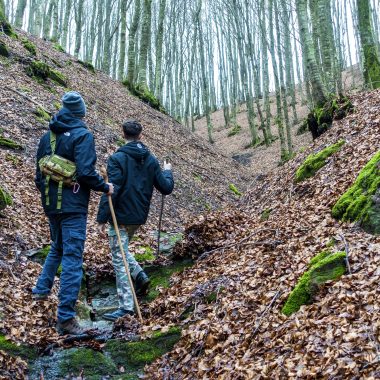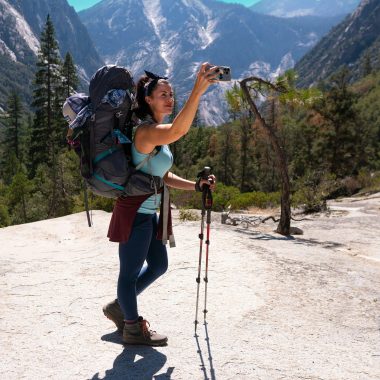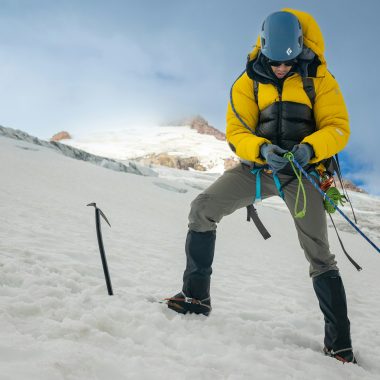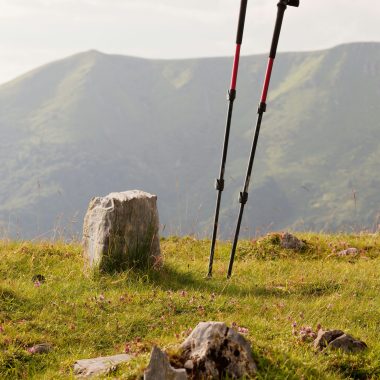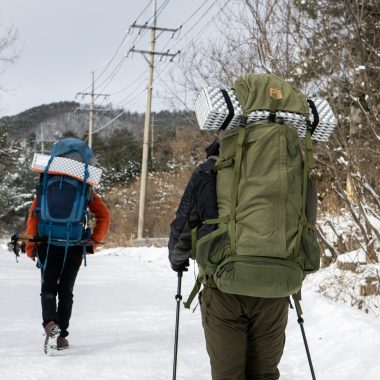
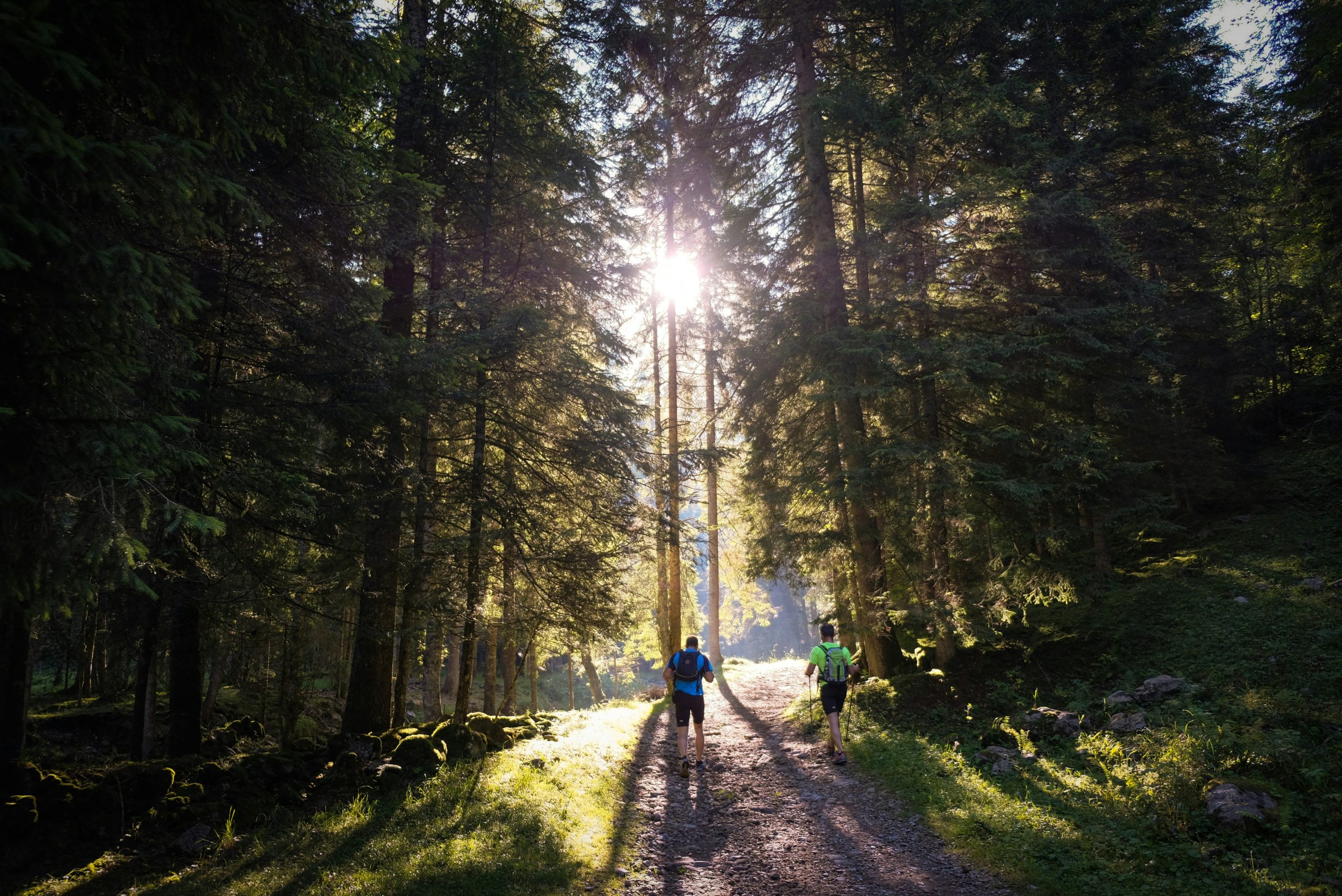
Modern adventurers are discovering equipment that transforms their trail experiences. Many backpackers, dayhikers, and mountain runners find that once they start using quality trekking equipment, they rarely venture out without it.
Advanced materials have revolutionized outdoor gear. Carbon fiber technology delivers exceptional strength while keeping weight minimal. This innovation makes professional-grade performance accessible to more enthusiasts.
Using the right equipment provides significant advantages on challenging terrain. Proper gear reduces strain on leg muscles, joints, and your back. It also decreases fatigue and lowers the risk of accidental falls.
Serious outdoor participants recognize how quality tools enhance their performance. The right equipment allows adventurers to tackle more demanding routes with confidence and endurance.
Key Takeaways
- Quality trekking equipment has become essential for modern outdoor enthusiasts
- Advanced materials offer superior strength with minimal weight
- Proper gear reduces joint strain and muscle fatigue during activities
- Using the right equipment significantly decreases fall risk on challenging terrain
- Many experienced adventurers won’t hit the trail without their essential tools
- Modern technology makes professional performance accessible to broader audiences
- The right equipment transforms outdoor experiences by boosting confidence and endurance
Overview of FiTiFT’s High-Quality Outdoor Sports Gear
For those who demand reliability from their equipment, FiTiFT stands as a trusted source for outdoor sports gear. The company focuses solely on creating tools that meet the diverse needs of adventurers. Everyone from weekend walkers to seasoned mountaineers can find what they need.
FiTiFT’s philosophy centers on delivering performance-driven gear that inspires confidence. Their commitment to quality ensures every piece of equipment performs exceptionally in real-world conditions. This approach allows explorers to push their limits safely.
The brand excels at combining innovative materials with thoughtful design. They understand that enthusiasts need durable gear that remains lightweight and packable. Functionality is never compromised for the sake of saving weight.
FiTiFT’s product line supports a wide range of activities. It covers everything from gentle hiking and backpacking to demanding trail running and mountaineering. Their trekking poles and other tools are built for varied terrains.
Ultimately, FiTiFT is dedicated to making top-tier outdoor equipment accessible. They offer solutions that provide professional performance without a premium price tag. The brand backs all its products with strong customer support you can trust.
Product Spotlight: 3K Carbon Fiber Trekking Poles (2-Pack)
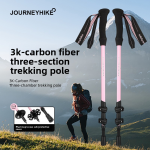
The 3K Carbon Fiber Trekking Poles from FiTiFT deliver professional-grade durability in a remarkably light package. This complete set provides adventurers with matched equipment for balanced trail performance.
Available at FiTiFT’s product page, these tools feature advanced 3K construction. The unique 2 x 2 weave pattern withstands force from multiple directions.
Product Link and Quick Specs
These carbon fiber trekking poles offer significant weight savings over aluminum alternatives. The material technology maintains superior strength while enhancing shock absorption.
For long-distance adventures and travel, the lightweight design proves essential. Every ounce matters when covering extensive terrain or packing equipment.
| Specification | Measurement | Details | Benefit |
|---|---|---|---|
| Material Construction | 3K Carbon Fiber | 2 x 2 weave pattern | Multi-directional durability |
| Weight per Pair | 16 ounces | Complete set | Reduced fatigue on long trails |
| Adjustability Range | 110-130cm | Quick-lock mechanism | Custom fit for various users |
| Packed Length | 24 inches | Three-section design | Easy transport and storage |
| Maximum Extension | 51 inches | Per pole | Adaptable to different terrains |
This two-pack represents an excellent investment for outdoor enthusiasts. The balance of performance and durability suits adventurers at any experience level.
Key Features and Specifications
Serious trail enthusiasts prioritize two critical factors in their gear selection: robust construction and compact storage capabilities. These elements determine how equipment performs under stress and travels between adventures.
Durability and Construction
The exceptional durability comes from advanced material engineering. A super-strong carbon fiber shaft combines with 7075 aluminum alloy connectors.
This construction creates an incredibly robust structure. It withstands varied terrain types and weather conditions reliably.
Users can trust this equipment through countless adventures. The quality ensures consistent performance when it matters most.
Folding Design and Packability
Innovative folding technology allows these tools to break down to approximately 15 inches. This compact length makes transport and storage remarkably easy.
Assembly takes just seconds with a quick-deploy system. Trail users can rapidly prepare their gear when needed.
The typical three-section design balances packability with structural integrity. It offers superior space efficiency compared to traditional collapsible models.
| Feature | Folding Design | Traditional Collapsible | Advantage |
|---|---|---|---|
| Packed Length | 15 inches | 24-30 inches | Superior packability |
| Assembly Time | Seconds | 30-60 seconds | Quick deployment |
| Section Count | 3 sections typical | 3 sections standard | Balanced design |
| Weight per Pair | 16 ounces | 18-22 ounces | Reduced fatigue |
| Storage Flexibility | Fits in backpack | External attachment | Discreet transport |
The folding mechanism represents a significant advancement in trekking equipment design. It maintains full functionality while optimizing for modern travel needs.
Why Choose Value Carbon Hiking Poles for Your Outdoor Adventures
Smart trail equipment selection can dramatically enhance your outdoor experience while protecting your body. The right tools deliver professional performance without premium pricing.
Safety improvements stand out immediately. Proper equipment significantly reduces accidental falls on uneven terrain. You maintain better footing across streams, rocky sections, and slippery surfaces.
Your entire body benefits from reduced impact. Leg muscles, joints, and back experience less strain during long treks. This distributed force means decreased fatigue throughout your adventures.
Fitness advantages extend beyond basic support. Engaging your upper body increases calorie burn and stimulates core muscles. This full-body workout enhances your overall conditioning.
Consistent rhythm becomes easier to maintain with balanced equipment. Your pace improves, allowing more distance with less perceived effort. Efficiency gains make challenging routes more accessible.
Long-term joint health represents a crucial investment. Quality gear protects your ability to enjoy future explorations. Carbon fiber construction offers the ideal blend of lightweight durability that serious enthusiasts demand.
Materials and Durability: Carbon Fiber vs. Aluminum
Your choice of material significantly impacts your trekking experience. The debate between carbon fiber and aluminum defines core performance characteristics.
Advanced carbon fiber construction delivers exceptional benefits for serious adventurers. The material’s incredible strength-to-weight ratio creates remarkably light equipment.
Advantages of Carbon Fiber
Long-distance enthusiasts appreciate the weight savings. Every ounce matters during multi-day adventures or when traveling with gear.
Superior shock absorption reduces vibration transmission to your arms. This feature becomes crucial during extended use on rough terrain.
The material’s advanced composition provides impressive durability despite its lightweight nature. Proper handling ensures reliable performance across countless journeys.
Aluminum: A Comparison
Aluminum offers a versatile alternative with distinct advantages. This sturdy material withstands heavy impacts and rough treatment exceptionally well.
While slightly heavier than carbon fiber options, many users find the weight difference negligible. Casual adventurers may not notice the variation during typical outings.
The metal’s inherent toughness makes it ideal for challenging environments. It bends rather than breaking under extreme stress, allowing for field repairs.
| Characteristic | Carbon Fiber | Aluminum | Best For |
|---|---|---|---|
| Weight Profile | Ultra-light | Moderate | Long-distance travel |
| Shock Absorption | Excellent | Good | Rough terrain |
| Impact Resistance | High (may snap) | Very High (bends) | Rocky environments |
| Durability | Exceptional | Outstanding | Frequent use |
| Cost Consideration | Premium | Budget-friendly | Value seekers |
Select your material based on terrain types, frequency of use, and personal priorities. Weight-conscious adventurers favor carbon fiber, while those prioritizing impact resistance often choose aluminum.
Innovative Design Elements of Carbon Trekking Poles
Contemporary trekking equipment incorporates sophisticated engineering that elevates trail performance beyond basic support. Modern trekking poles feature integrated systems addressing stability, durability, and user convenience simultaneously.
Advanced adjustment mechanisms represent a key innovation in pole design. FlickLock levers provide secure length settings with simple flip actions. Twist-lock systems offer smooth telescopic adjustments for varied terrain requirements.
Tungsten carbide tips deliver exceptional traction on diverse surfaces. These durable components withstand abrasive contact with rock and soil. Replaceable tip systems extend equipment lifespan through simple component swaps.
Internal Kevlar cords enable rapid deployment in folding models. This technology maintains structural integrity through repeated use cycles. Basket attachments accommodate different terrain types from soft ground to snow.
| Design Feature | Technology Used | Primary Benefit | User Advantage |
|---|---|---|---|
| Length Adjustment | FlickLock/Twist-Lock | Secure customization | Quick terrain adaptation |
| Tip System | Tungsten Carbide | Superior grip | Confident footing |
| Internal Structure | Kevlar Cord | Rapid deployment | Time efficiency |
| Basket Attachment | Interchangeable system | Terrain specialization | Versatile performance |
These innovative elements create cohesive systems maximizing trail performance. The integrated design approach distinguishes modern trekking poles from basic hiking sticks.
Ergonomics and Comfort for Extended Use
The connection between your hands and trekking equipment plays a crucial role in long-distance endurance. Proper ergonomic design ensures sustained comfort during multi-hour excursions.
Cork grip materials offer exceptional benefits for extended use. They naturally absorb moisture and conform to individual hand shapes over time. This creates a personalized fit that enhances overall comfort.
While cork may develop cosmetic wear, it remains extremely durable for years of trail use. The material’s natural properties provide excellent sweat absorption and temperature regulation.
Extended EVA foam grips present a reliable alternative for outdoor enthusiasts. These foam components deliver superior cushioning and moisture resistance. Their comfortable positioning reduces hand fatigue during long treks.
| Feature | Cork Grips | EVA Foam Grips | Best Application |
|---|---|---|---|
| Moisture Handling | Excellent absorption | Good resistance | Hot conditions |
| Comfort Level | Forms to hand | Consistent cushion | Long distances |
| Durability | Years of use | Long-lasting | Frequent adventures |
| Maintenance | Natural patina | Easy cleaning | Low upkeep |
Advanced designs like Aergon Air foam incorporate ergonomic contours to reduce hand strain. These innovative grips make equipment feel lighter during prolonged use.
Proper wrist strap design is equally important for trail comfort. Padded, adjustable straps with mesh materials provide breathability and support. Quality straps allow users to relax their grip while maintaining control.
Extended grip zones enable versatile hand positioning without constant length adjustments. This flexibility is particularly valuable during steep ascents and descents. The combination of proper materials and ergonomic shaping creates a system optimized for endurance.
Performance on Varied Terrains
Navigating diverse landscapes requires equipment that adapts to changing ground conditions effectively. Quality trekking tools deliver consistent performance across rocky trails, soft soil, and challenging routes.
Tungsten carbide tips provide exceptional grip on natural surfaces like dirt, rock, and gravel. Their durable construction withstands abrasive contact with mixed terrain types.
Rubber tip covers become essential on paved surfaces or extremely rocky areas. They prevent slipping and reduce premature wear on carbide components.
Trekking baskets prevent excessive sinking in soft dirt, mud, or packed snow. They maintain proper planting depth for optimal stability during use.
Dedicated snow baskets offer larger, more flexible designs for deep powder conditions. Winter enthusiasts appreciate their effectiveness during snowshoeing adventures.
Proper tip and basket selection optimizes equipment for specific seasonal conditions. This adaptability enhances safety and efficiency across varied trail environments.
Adjusting pole length maintains optimal biomechanics during uphill climbs and downhill descents. Correct sizing ensures balanced support when traversing slopes.
Real-world scenarios like stream crossings and boulder fields demonstrate the critical support these tools provide. Technical descents and off-trail navigation benefit greatly from proper equipment use.
Adjustability and Versatility in Trekking Pole Use
Proper length adjustment transforms trekking equipment from simple tools into versatile trail companions. This feature accommodates different user heights and varying terrain types effectively.
Traditional collapsible models typically offer greater adjustability ranges than folding alternatives. Their extension often spans 30-40 centimeters from collapsed to maximum length.
Folding designs usually provide limited or no adjustable options. Instead, they come in multiple fixed size choices to fit various user heights.
To determine your ideal pole length, stand with your elbow bent at 90 degrees. Measure the vertical distance from the floor to your hand’s top surface.
Adjustable models allow shortening for steep climbs and lengthening for descents. This maintains optimal biomechanics throughout changing trail conditions.
The versatility of these tools extends to group adventures where equipment sharing becomes practical. Family members or partners of different heights can use the same set comfortably.
However, maximum adjustability involves trade-offs with weight and mechanical complexity. Users must balance these factors when selecting their ideal trekking equipment.
Correct length settings optimize performance by maintaining proper arm angles. This reduces strain while maximizing stability benefits during trail use.
The Impact of Weight and Balance on Hiking Efficiency
Equipment mass and distribution play crucial roles in determining trail performance and user endurance. The weight of your gear directly impacts how much energy you expend with each movement.
Industry standards categorize equipment into three main weight classes. Ultralight tools measure under 12 ounces per pair, while lightweight options range from 12 to 15.9 ounces per pair. Sturdy models weigh one pound or more for demanding applications.
Lighter equipment reduces arm fatigue dramatically during extended excursions. Each pole weighing just 9 ounces enables adventurers to cover greater distances with less effort. The relationship between equipment mass and swing weight means lighter tools require less energy per planting motion.
| Weight Category | Ounces Per Pair | Primary Applications | User Benefits |
|---|---|---|---|
| Ultralight | Under 12 oz | Fast-packing, trail running | Maximum efficiency, reduced fatigue |
| Lightweight | 12-15.9 oz | General backpacking, multi-day trips | Good balance of durability and weight |
| Sturdy | 16+ oz (1 lb+) | Heavy loads, rough terrain | Maximum durability, impact resistance |
Modern materials optimize the balance between minimal mass and sufficient strength. Proper weight selection based on intended use maximizes efficiency across different trekking scenarios. This consideration remains the primary factor distinguishing equipment types for specific hiking activities.
Customer Reviews and Field Testing Insights
Real-world feedback from trail veterans offers authentic perspectives on gear reliability. These insights help potential buyers understand how equipment performs across diverse conditions.
Expert Opinions from Trail Veterans
Seasoned adventurers have tested these tools extensively in demanding environments. Field testing includes challenging backpacking trips through Wyoming’s Wind River Range and Idaho’s Sawtooths.
The equipment endured rugged trekking in Utah’s High Uintas and Montana’s Beartooths. Experts reported excellent performance during off-trail expeditions and technical routes.
User Testimonials and Real-World Feedback
Long-term users provide compelling evidence of durability. One customer shared: “I’ve been using these regularly since 2017. After several hundred miles, I still think they are great.”
Testing scenarios included demanding day hikes covering 14 miles with 5,000 feet of elevation gain. Users reported reliable performance in iconic locations like Zion and Bryce Canyon national parks.
The tools demonstrated versatility during long trail runs and multi-day backpacking adventures. Most reviews highlight consistent performance across varied applications.
Price, Value, and Long-Term Investment
Budget considerations play a crucial role in selecting the right outdoor gear for individual needs. The market offers a wide range of price points for quality equipment, typically spanning from $75 to $230 per pair.
Entry-level models like the Montem Ultra Strong at $75 per pair provide excellent performance without premium brand cost. These options make reliable tools accessible to beginners and casual users.
Mid-range equipment in the $190-$200 category balances features with durability. Brands like MSR and Gossamer Gear offer trusted products at this price level.
Premium models from established companies command $220-$230 per set. This higher cost reflects advanced engineering, extensive testing, and comprehensive warranty support.
Viewing equipment purchase as a long-term investment changes the perspective. Quality tools lasting thousands of miles justify initial price through extended service life.
Frequent adventurers benefit from calculating cost per use over years of reliable performance. Even premium equipment becomes economical when spread across countless adventures.
Your ideal budget depends on activity frequency, terrain difficulty, and performance requirements. Matching equipment investment to actual usage patterns optimizes overall value.
Maintenance and Care for Your Carbon Hiking Poles
Regular care and inspection significantly extend the lifespan of your outdoor gear investment. Proper maintenance ensures reliable performance across countless adventures while protecting your warranty coverage.
Cleaning and Storage Tips
After each use, clean your equipment thoroughly. Pay special attention to locking mechanisms and joints between sections. Remove dirt from the shaft using a soft cloth.
Store your gear in dry locations away from extreme temperatures. Avoid leaving equipment compressed for extended periods. This prevents unnecessary stress on the components.
Inspect regularly for wear signs like frayed straps or damaged baskets. Replacement parts are readily available for easy repairs. This approach saves money compared to full replacements.
| Maintenance Task | Frequency | Key Areas | Benefit |
|---|---|---|---|
| Basic Cleaning | After each use | Shaft, joints, mechanisms | Prevents corrosion and wear |
| Storage Check | Before storing | All sections, straps | Maintains structural integrity |
| Component Inspection | Monthly | Tips, baskets, grips | Early problem detection |
| Deep Cleaning | Seasonally | Locking systems, shaft | Extends equipment lifespan |
Follow these maintenance tips to maximize your gear’s performance. Proper care ensures your equipment remains ready for any trekking challenge. The limited lifetime warranty covers manufacturer defects when proper care is maintained.
Comparing Competitive Models in the Market
The outdoor gear market offers diverse models across various price points. Each option has distinct features and performance characteristics.
Ultralight folding poles like the Black Diamond Distance Carbon Z cost $200 per pair. They weigh just 10 ounces per pair for maximum efficiency.
Lightweight collapsible models such as Gossamer Gear LT5 provide excellent adjustability. At $195 per pair, they offer versatile performance.
| Model | Price Per Pair | Weight | Adjustability | Key Feature |
|---|---|---|---|---|
| Black Diamond Distance Carbon Z | $200 | 10 oz | Folding | Ultralight design |
| Gossamer Gear LT5 | $195 | 10 oz | Collapsible | Full adjustability |
| Montem Ultralight Carbon | $90 | 14 oz | Collapsible | Budget-friendly |
| Black Diamond Alpine Carbon Cork | $230 | 17.5 oz | Collapsible | Premium durability |
| Leki Makalu FX Carbon | $230 | 17.9 oz | Folding | Advanced comfort |
Value-oriented options like Montem Ultralight Carbon deliver performance at accessible price points. Premium models offer enhanced durability and specialized features.
When comparing these trekking equipment options, FiTiFT’s offerings compete favorably. They balance quality features with competitive pricing across different weight categories.
Emerging Trends and Innovations in Trekking Pole Design
Next-generation designs are pushing the boundaries of what trail equipment can accomplish. The outdoor industry continues to evolve with remarkable technological breakthroughs.
New Materials and Technological Advances
Recent material science innovations include advanced 3K construction with unique weave patterns. This technology provides exceptional strength-to-weight ratios for superior performance.
Connection systems now feature high-grade aluminum alloys that combine lightweight properties with corrosion resistance. These materials ensure reliable performance in demanding conditions.
Locking mechanisms have seen significant refinement with tool-free adjustment systems. Internal Kevlar cord design enables thousands of deployment cycles while maintaining quick setup capabilities.
Ergonomic grip design incorporates scientifically optimized shapes matching natural hand positions. Replaceable tip systems extend equipment lifespan across varied terrain conditions.
Specialized basket attachments offer quick-change capabilities for different seasonal needs. These trekking tools adapt seamlessly to changing trail requirements.
The future points toward smart poles with integrated sensors and modular design. Advanced composite materials will continue transforming trekking equipment capabilities.
Conclusion
Quality trekking equipment has evolved from optional accessory to essential trail companion. Experienced hikers and backpackers consistently choose these tools for their proven benefits in reducing strain and preventing falls.
The right poles transform your outdoor experience by enabling longer distances with reduced fatigue. They increase confidence on challenging terrain while protecting long-term joint health.
FiTiFT demonstrates commitment to providing high-quality gear that meets diverse adventure needs. Their 3K carbon fiber construction offers superior strength-to-weight ratio and excellent shock absorption.
This represents outstanding value for both casual hikers and serious backpackers. Once you experience proper trekking support, you’ll never want to hit the trail without these essential poles again.
Explore FiTiFT’s complete range of performance-driven equipment designed to enhance every adventure. Their reliable gear ensures you can push your limits safely while enjoying the journey.
FAQ
What is the primary advantage of using a carbon fiber shaft?
The main benefit is a significant reduction in overall weight without sacrificing strength. This material offers excellent vibration dampening, which increases comfort on long treks by reducing fatigue in your arms and shoulders.
How does the folding design improve packability?
A folding design allows the gear to collapse into a very compact size, often fitting easily inside or strapped securely to the outside of a backpack. This feature is ideal for travel and for stowing the equipment when not needed on the trail.
Are cork grips better than other materials?
Cork handles are highly regarded because they naturally mold to the shape of your hand over time, providing a custom fit. They also effectively wick away moisture, reducing the chance of blisters and improving grip security during extended use.
Can these poles be adjusted for different user heights and terrains?
Yes, most high-quality models feature adjustable lengths, typically via a flip-lock or twist-lock mechanism. This allows you to customize the size for downhill and uphill sections or share the pair between backpackers of different heights.
What type of baskets are included, and are they replaceable?
These trekking poles usually come with standard trekking baskets suitable for most trails. Many also include larger snow baskets for winter conditions. The tips and baskets are typically replaceable, allowing you to maintain your gear for years.
How do these poles perform on rugged or uneven ground?
Equipment constructed from 3K carbon fiber provides exceptional stability and shock absorption on challenging terrain. The combination of a strong shaft and a secure locking system ensures reliable performance on rocky, root-filled, or slippery paths.
What is the expected lifespan of a quality pair?
With proper care, a durable pair made from premium materials can last for many seasons of regular use. Longevity is heavily influenced by maintenance, storage habits, and the types of trails you frequent.