
Selecting the right trekking poles is a critical decision for any trail runner. The debate between different materials is a hot topic among enthusiasts. Your final choice significantly impacts your performance and enjoyment on the path.
The material of your poles directly influences key factors. These include weight, vibration dampening, and overall durability. Understanding these properties helps you match your gear to your specific running style and the terrain you tackle.
Two primary options dominate the market. Aluminum models are known for their strength and affordability. Carbon fiber versions offer a lighter weight and superior shock absorption. Each material caters to a distinct runner profile, from the ultralight racer to the weekend adventurer.
This guide provides a detailed comparison. We will examine material properties, real-world performance, and expert insights. Our goal is to equip you with the knowledge for an informed purchasing decision that aligns with your goals.
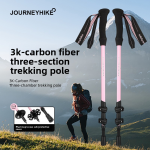
Brands like FiTiFT specialize in high-performance equipment for outdoor sports. Their 3K Carbon Fiber Trekking Poles represent a premium option designed for demanding trail conditions. The decision ultimately balances budget, frequency of use, and personal performance priorities.
Key Takeaways
- The material of your trekking poles is a fundamental choice affecting weight and durability.
- Aluminum poles are generally more affordable and very robust.
- Carbon fiber poles are lighter and offer better vibration dampening.
- Your selection should consider your typical terrain and running frequency.
- High-quality options, like FiTiFT’s carbon fiber poles, are built for performance.
- There is no single “best” material; the optimal choice depends on your individual needs.
- This article will help you weigh all factors to find the perfect poles for you.
Introduction to Material Differences in Trekking Poles
Material composition dictates the performance characteristics that distinguish premium trekking equipment. Understanding these fundamental differences helps athletes select gear matching their specific needs and terrain challenges.
Carbon Fiber vs. Aluminum: Distinct Properties
Carbon fiber construction involves weaving thousands of microscopic strands into a composite material. This process creates exceptional strength-to-weight ratios, with specialized techniques like 3K weaving enhancing durability. The resulting poles offer superior vibration dampening, reducing impact transmission to wrists and arms.
Aluminum trekking poles utilize metallic alloys known for their malleability. Under stress, these poles bend rather than fracture completely. This property allows for potential field repairs when poles become deformed during use.
Weight differences are significant between these materials. Carbon fiber trekking poles typically range from 11.2 to 16 ounces per set. Aluminum options weigh approximately 20.8 ounces, representing a substantial weight advantage for carbon models.
Temperature performance varies considerably between materials. Aluminum maintains consistent functionality across extreme heat and frigid conditions. Carbon fiber can become more brittle in freezing temperatures, affecting its impact resistance.
Market Overview and Price Considerations
The pricing landscape reveals dramatic differences between material choices. Premium carbon fiber trekking poles command $150-$250 per set due to complex manufacturing processes. Aluminum poles offer accessible entry points from $20-$80, making them approximately 70-90% less expensive.
Force resistance characteristics differ fundamentally between materials. Carbon fiber excels under vertical compression but can fail catastrophically under lateral pressure. Aluminum deforms gradually under similar sideways stress, providing more predictable failure modes.
Innovations like modular systems allow strand replacement in carbon fiber poles. These features extend functional lifespan and improve the value proposition for serious athletes investing in higher-priced equipment.
Are carbon or aluminium poles better for trail running?
Athletes face a clear trade-off when selecting their support gear: unparalleled lightness versus absolute resilience. The optimal choice is not universal but depends on individual priorities like budget, typical terrain, and running intensity.
Benefits and Performance of Carbon Poles
Carbon fiber trekking poles offer a significant weight reduction. This lightness minimizes arm fatigue over long distances, promoting a faster cadence and improved energy efficiency.
The material’s natural shock absorption is a key benefit. It dampens vibrations from repetitive pole plants, protecting wrists, elbows, and shoulders from stress.
Carbon provides immediate responsiveness upon ground contact. This lack of flex allows for aggressive pushing during climbs and quick transitions. However, lateral force remains a critical weakness.
Real-world tests show failures can occur within 20 miles. Poles have snapped on buffed trails, rocky descents, and even in parking lots. FiTiFT’s 3K Carbon Fiber Trekking Poles address this concern. Their advanced 3K weaving technology enhances lateral strength while maintaining premium performance.
Advantages and Durability of Aluminum Poles
Aluminum trekking poles excel in durability. They withstand lateral forces that would shatter carbon alternatives, making them ideal for technical, unpredictable terrain.
Their practical benefits are substantial. Minor bends can often be straightened in the field. They deliver consistent performance across extreme temperatures.
The weight trade-off is noticeable. Aluminum options add several ounces compared to carbon fiber. This extra weight, however, translates into tangible stability. Many runners prefer this, especially with heavier packs or on challenging routes.
For recreational runners prioritizing reliability, aluminum presents a strong value proposition. These poles offer versatility for both trail running and traditional hiking activities at a much lower cost.
Usage Scenarios: From Trail Running to Hiking
Different outdoor environments call for specific pole characteristics to maximize efficiency and safety. Your terrain selection directly influences which trekking poles will perform best.
Selecting the Right Pole for Different Terrains
Well-maintained paths favor lightweight options. These conditions minimize lateral stress on your equipment.
Technical terrain demands robust aluminum trekking poles. Boulder fields and unpredictable surfaces require maximum durability. Heavy pack loads also benefit from aluminum’s strength.
Mixed-use scenarios favor versatile equipment. Runners transitioning between groomed trails and rough terrain need reliable poles. Aluminum trekking options handle this variability effectively.
Integrating FiTiFT Outdoor Gear for a Complete Setup
FiTiFT provides comprehensive solutions for outdoor enthusiasts. Their 3K Carbon Fiber Trekking Poles excel on primary running routes.
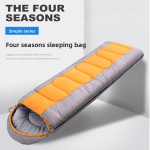
Essential safety gear includes the Compass Survival Whistle for navigation. Multi-day hikes require reliable sleeping bags for all seasons.
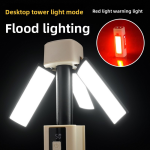
Lighting solutions like the multifunctional flashlight ensure visibility. The compact EDC flashlight offers portable illumination for any adventure.
Extended trips benefit from the stainless steel wood stove. This smokeless cooking solution completes your backcountry setup. FiTiFT’s integrated ecosystem supports every aspect of outdoor exploration.
Expert Insights and Real-World Experiences
Real-world testing reveals practical differences that technical specifications cannot capture. Seasoned athletes provide invaluable field data about equipment performance.
User Stories and Comparative Reviews
One experienced hiker documented multiple carbon fiber trekking pole failures. A premium $200 set broke within 20 miles on the Gallatin Crest Trail.
The pole shortened by six inches unnoticed. The user hiked miles on a frayed, dirt-clogged stub. Another athlete’s pole snapped during downhill navigation, causing a dangerous tumble.
In contrast, budget aluminum poles excelled during intensive 30-mile testing. They survived desert washes, off-trail sidehills, and steep rocky descents without failure.
Analysis of Weight, Stability, and Grip on Trails
Weight savings from carbon fiber options range from 4-9 ounces. This advantage disappears when poles require frequent replacement.
Stability concerns are significant with carbon models. Aluminum’s resistance to lateral forces provides psychological confidence during critical moments.
Grip quality depends more on handle design than shaft material. Both materials offer comparable cork and foam options for comfortable handling.
| Performance Factor | Carbon Fiber Poles | Aluminum Poles | Expert Recommendation |
|---|---|---|---|
| Durability | Prone to catastrophic failure | Bends but rarely breaks | Aluminum for technical terrain |
| Weight Advantage | 4-9 ounces lighter | Heavier but consistent | Carbon for competitive racing |
| Stability Confidence | Low under lateral stress | High reliability | Aluminum for safety-critical use |
| Cost Effectiveness | High replacement costs | Lasts multiple seasons | Aluminum for budget-conscious users |
Competitive runners might accept carbon’s fragility trade-off for speed advantages. Recreational users typically favor aluminum’s proven reliability across varied trail conditions.
Conclusion
Making the final decision between material options requires honest self-assessment of your running habits and terrain challenges. The optimal choice depends entirely on your individual priorities and typical trail conditions.
Carbon fiber trekking poles deliver exceptional weight savings and vibration dampening. These benefits appeal to competitive athletes seeking maximum efficiency. However, their vulnerability to lateral forces presents real safety concerns.
Aluminum trekking options offer superior durability and temperature resistance. Their lower price point makes them accessible for recreational use. The weight trade-off provides worthwhile reliability for technical terrain.
For dedicated runners on maintained paths, FiTiFT’s 3K Carbon Fiber Trekking Poles represent a premium solution that addresses durability concerns. Recreational users navigating varied conditions will find aluminum poles more practical.
The best trekking equipment inspires confidence, whether through featherlight performance or dependable strength.
FAQ
What is the main difference in weight between these two materials?
Carbon fiber poles are significantly lighter than aluminum trekking poles. This reduced weight is a major advantage for trail running, helping to minimize arm fatigue over long distances and steep terrain.
Which type offers better durability and shock absorption?
Aluminum trekking poles are generally more durable and better at absorbing shock from impacts. They are less likely to snap under sudden stress, making them a solid choice for rugged hikes and rocky trails where stability is key.
How does the price compare between carbon and aluminum options?
Aluminum trekking poles are typically more affordable. Carbon fiber models command a higher price due to the advanced materials and manufacturing process, offering a premium, lightweight performance for a greater investment.
Which pole material is best for a beginner trail runner?
For beginners, aluminum trekking poles are often the recommended choice. Their lower price point, combined with proven strength and reliability, makes them ideal for learning proper technique without a large upfront cost.
Do carbon fiber poles provide sufficient stability on technical terrain?
Yes, modern carbon fiber poles from brands like Black Diamond or Leki offer excellent stability. Their advanced construction provides a stiff, responsive feel that many runners prefer for maintaining rhythm and balance on challenging trails.
How important is the grip when choosing between these materials?
The grip is a critical feature that is largely independent of the shaft material. Prioritize a comfortable, ergonomic grip design—like those found on FiTiFT poles—that suits your hand size and sweat management needs, regardless of whether you choose carbon or aluminum.