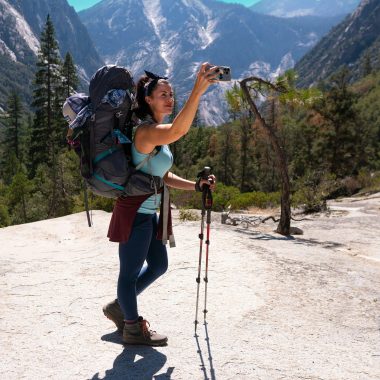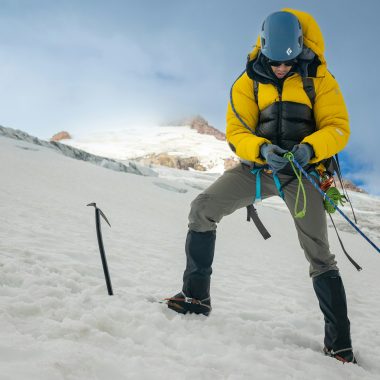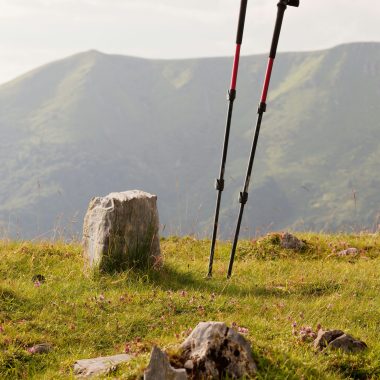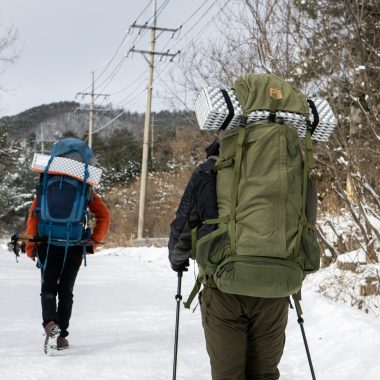
Outdoor enthusiasts often hear the terms “hiking poles” and “trekking poles” used in conversation and product descriptions. This creates a common point of confusion for newcomers and experienced adventurers alike.
When preparing for an adventure, from a simple day hike to a multi-day trek like the Tour du Mont Blanc, selecting the right equipment is vital. The terminology surrounding this essential gear can be conflicting across different sources.
Understanding the nuances between these terms is crucial for making an informed purchase. Choosing the correct support tool directly impacts safety, comfort, and performance on the trail.
This guide will clarify the relationship between these two common phrases. We will explore technical specifications and provide practical advice for selecting the best poles for your specific outdoor activities.
Our information draws from expert experience and real-world testing. This ensures you receive accurate, actionable advice tailored to hikers of all skill levels.
Key Takeaways
- The terms “hiking poles” and “trekking poles” are frequently used interchangeably.
- Clarifying the terminology is essential for making smart gear purchases.
- The right choice of poles enhances safety and performance during outdoor activities.
- This guide uses expert insights to cut through the confusion.
- You will learn how to select the best equipment for your adventures.
Introduction to Outdoor Gear Essentials
FiTiFT specializes in creating reliable outdoor equipment designed for diverse hiking and camping scenarios. Proper gear selection ensures safety and performance across various trail conditions.
FiTiFT’s Commitment to Quality Outdoor Sports Gear
FiTiFT builds durable products that withstand demanding outdoor environments. Each item undergoes rigorous testing for real-world performance. The company focuses on functionality and longevity in all conditions.
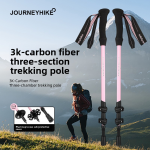
Their 3K carbon fiber trekking poles offer exceptional strength with minimal weight. These poles reduce strain during long hikes while fitting easily in any backpack.
Overview of Must-Have Adventure Products
FiTiFT’s comprehensive product line includes essential safety and comfort items. The Compass Survival Whistle combines navigation and emergency signaling capabilities.
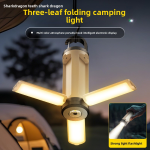
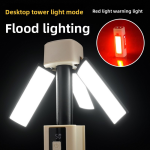
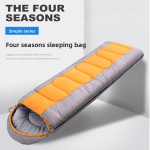
Sleeping bags for all seasons provide reliable shelter across changing weather patterns. Lighting solutions like multifunctional flashlights ensure visibility on the trail after dark.
| Product Category | Key Feature | Weight Impact | Trail Application |
|---|---|---|---|
| Trekking Poles | Carbon fiber construction | Lightweight support | Stability on uneven terrain |
| Sleep Systems | All-season adaptability | 2.2kg total weight | Overnight camping trips |
| Illumination Gear | Multiple power options | Minimal pack space | Night navigation safety |
| Cooking Equipment | Smokeless operation | Compact storage | Backcountry meal preparation |
This complete gear system works together for optimal outdoor experiences. Each component performs reliably over time in diverse environments.
Is there a difference between hiking poles and trekking poles?
Navigating product descriptions for walking aids reveals a significant overlap in naming conventions. The core fact is simple: these two terms describe identical equipment.
Defining Hiking Poles versus Trekking Poles
Hiking poles and trekking poles are functionally the same. Both refer to a pair of poles used for stability on trails.
It is crucial to distinguish them from a single hiking staff. They also differ greatly from Nordic walking poles.
Nordic walking poles feature specialized gauntlet straps for propulsion on flat ground. Trail poles use simple wrist straps for constant grip on uneven terrain.
Key Material, Design, and Usage Differences
The real choices involve construction and components. Aluminum poles offer durability and often bend under stress. Carbon options are lighter and dampen shock but can shatter.
Grip material is a key comfort factor. Rubber is affordable but can cause blisters. Cork molds to the hand nicely, while foam excels at sweat absorption.
Design choices include adjustable or fixed-length poles. Adjustable ones provide versatility but rely on locking mechanisms. Fixed-length poles are simpler and more reliable.
Other components enhance function. Baskets prevent sinking in soft ground. Proper wrist straps transfer weight efficiently. Research shows shock absorbers offer minimal joint protection benefit compared to good technique.
Choosing the Right Poles & Gear for Your Outdoor Adventure
The strategic application of walking aids depends heavily on environmental factors and personal hiking objectives. Proper equipment selection ensures maximum benefit across diverse trail scenarios.
When to Use Trekking Poles: Terrain and Benefits
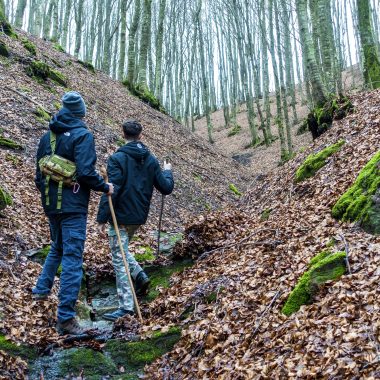
Experienced adventurers recommend using trekking poles for uneven terrain with rocks and roots. They provide essential stability during stream crossings and winter conditions.
Carrying a heavy backpack becomes more manageable with proper pole usage. The equipment distributes weight across your arms and shoulders, reducing strain on knees during long descents.
Impact of Weight, Straps, and Locking Mechanisms on Performance
Weight considerations significantly affect hiking endurance. Carbon fiber construction, like FiTiFT’s 3K Carbon Fiber Trekking Poles, minimizes fatigue during extended hikes.
Proper wrist strap technique involves running your hand up through the loop before gripping down. This transfers weight efficiently to your arms and upper body.
Locking mechanisms require periodic checks during your hike to prevent slippage. Adjustable poles offer versatility for varying terrain challenges.
Incorporating FiTiFT’s Outdoor Products for a Complete Experience
FiTiFT’s trekking poles integrate seamlessly with their comprehensive outdoor system. The Compass Survival Whistle provides safety backup during remote adventures.
Their all-seasons sleeping bags complement multi-day trips where poles support shelter setup. This creates a complete gear solution for serious hikers.
Conclusion
When selecting trail support equipment, the functional characteristics outweigh the naming conventions. The outdoor industry uses hiking and trekking terminology interchangeably for identical products.
Your choice should focus on construction materials and design features. Consider aluminum versus carbon options, grip comfort, and adjustability for your specific terrain needs. Quality trekking poles provide stability on challenging trails.
Experiment with different techniques to maximize benefits during steep descents and stream crossings. Invest in durable equipment that enhances safety and performance across diverse adventures. Explore local trails with properly selected poles to discover your optimal setup.
FAQ
Are hiking poles and trekking poles the same thing?
While often used interchangeably, the terms can have subtle distinctions. Generally, hiking poles are simpler, used for balance on moderate trails. Trekking poles are more robust, featuring advanced locking mechanisms and durable materials like carbon fiber for challenging terrain and heavy backpack loads.
What is the main benefit of using trekking poles?
The primary benefit is reduced impact on your knees and joints. Using trekking poles distributes your body weight to your arms and shoulders, especially during steep descents. This improves stability, increases endurance, and can help prevent fatigue on long hikes.
How do I choose between carbon fiber and aluminum poles?
Choose carbon fiber poles for their lightweight properties, which reduce arm fatigue over many miles. They excel on well-maintained trails. Opt for aluminum poles for their superior durability and lower cost, making them ideal for rough, rocky terrain where strength is critical.
How important are the grips and wrist straps?
A> Grips and wrist straps are crucial for comfort and efficiency. Cork grips mold to your hands and manage sweat well. Foam grips are soft and absorbent. Properly adjusted wrist straps allow you to transfer power through the pole without gripping tightly, saving hand energy.
When should I use the baskets on my poles?
What is the correct way to set my pole height?
For most flat or rolling terrain, set the height so your elbow forms a 90-degree angle when holding the grip. For uphill sections, shorten the poles for better power. Lengthen them slightly for descents to improve stability and reduce strain on your knees.