Is Walking 3 Miles a Lot?
For many walkers in the UK, three miles is a useful benchmark—long enough to feel satisfying, but short enough to fit into a lunch break or evening walk.
We’ll break down time, steps, effort, and trail factors so you can judge how a 3-mile outing fits your routine. Expect clear averages for duration and step counts, plus how pace and terrain change things.
FiTiFT supplies practical kit to make every mile easier: carbon-fiber trekking poles for rhythm, a 2-in-1 compass whistle for safety, and USB-rechargeable lights for visibility. For overnight plans, the brand’s all-season sleeping bags and smokeless wood stove keep you ready.
We’ll also cover calorie ranges, simple UK-focused prep tips, and training tweaks like hill repeats and cadence targets that turn a short walk into steady progress.
Key Takeaways
- Three miles is often a manageable, rewarding distance for busy UK walkers.
- Time and effort vary by pace, terrain, and load; plan accordingly.
- Light kit—poles, whistle, and rechargeable lights—boosts safety and comfort.
- Gentle pacing helps fat loss and recovery when you’re returning to walking.
- FiTiFT’s sleeping bags and smokeless stove make a short day walk ready for an overnight.
What 3 Miles Really Means for Time, Steps, and Effort
Knowing how time, steps, and pace interact makes a 3-mile walk much easier to schedule.
- Time: On flat, steady ground most adults will cover this distance in about 45–60 minutes at a comfortable pace. Faster walkers sit near 45 minutes; slower or hillier routes push past an hour.
- Steps: As a practical rule, plan for roughly 2,000 steps per mile. That works out to around 6,000 steps for 3 miles, though stride length and terrain nudge the total up or down.
- Pace:
- 15 minutes per mile → ~45 minutes total
- 20 minutes per mile → ~60 minutes total
- 30 minutes per mile → ~90 minutes on rough or crowded paths
Tips
- Moderate cadence near ~100 steps/min keeps effort sustainable.
- Uneven surfaces, gates, and short climbs require a small time buffer.
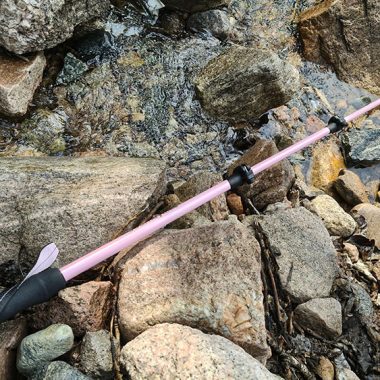
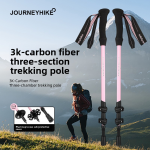
- Use FiTiFT 3K Carbon Fiber Trekking Poles to steady rhythm and reduce knee load.
- Clip a FiTiFT Compass Survival Whistle 2-in-1 for quick navigation and signaling.
Beginner vs. Intermediate Perspectives
- Beginners: For newcomers, three miles is a solid introduction. Plan 60–75 minutes on mixed trails, take a brief break every mile, sip water, and keep a conversational pace.
- Intermediate hikers: Many use this distance as an easy recovery session or a tempo walk. Faster paces cut time toward 45–60 minutes and build conditioning without long fatigue.
- Terrain factor: Flat promenades are forgiving, but muddy bridleways, rocky steps, and moorland raise energy cost. Wind, drizzle, and wet grass add challenge.
Practical kit
- Carbon-fiber poles protect knees on slick or uneven ground.
- A compass whistle gives bearings and a loud signal when visibility is low.
- Plan a turnaround at 30 minutes so you can adjust if the route feels harder than expected.
Calories Burned on a 3-Mile Hike
Calorie loss depends more on pace and ground than distance alone.
- 150 lb person
- Easy stroll (~2 mph, ~2 METs) → ~140 cal/hr
- Brisk walk (~3.5 mph, ~4.5 METs) → ~306 cal/hr
- Fast walk (~4–6 mph, ~5 METs) → ~340 cal/hr
Example: 10,000 steps in ~100 minutes at 3 mph = ~450 calories.
Key factors
- Speed, body weight, terrain, and temperature
- Soft grass, wet slopes, or gates spike effort
- Use short micro-breaks to stabilize estimates
Pacing for Comfort, Fitness, and Safety
- Steady pace: 18–22 min/mile feels natural and conversational.
- Brisk pace: 15–17 min/mile adds cardio stimulus—use sparingly.
- Split sessions: Three 1-mile walks (morning, lunch, evening) can equal one continuous 3-mile session.
| Pace | Min per mile | Time for 10,000 steps* | Tip |
|---|---|---|---|
| Brisk | 15–17 | ~75 minutes | Use poles on uneven ground |
| Moderate | 18–22 | ~100 minutes | Best for daily consistency |
| Leisure | 25–30 | ~150 minutes | Gentle fat-burn steady state |
*Approximate.
Tip: If breath or form suffers, slow by 10–20 sec per mile and shorten your stride.
Essential FiTiFT Gear
| Item | Primary benefit | Weight | Best use |
|---|---|---|---|
| 3K Carbon Fiber Trekking Poles | Shock reduction & rhythm | ~280 g each | Muddy, uneven trails |
| Compass Survival Whistle 2-in-1 | Navigation + signal | 15 g | Foggy mornings, quiet paths |
| EDC Flashlight | Pocket visibility | 60 g | Dawn/dusk, tight trails |
Hydration, Fuel, and Clothing
- Water: 300–500 ml on cool days; 600–750 ml in warm or windy conditions.
- Snacks: Banana, oat bar, or sandwich if you haven’t eaten recently.
- Clothing: Base layer + midlayer + waterproof shell.
- Footwear: Moisture-wicking socks and grippy shoes.
Skill Builders: Training with 3 Miles
- Progression: Add 1–2 min brisk intervals or gentle hills.
- Form: Aim for ~100 steps/min, shorten stride on climbs.
- Rucking: Start with 5–7% body weight in a snug pack.
- Surfaces: Mix pavement, grass, and gravel to engage stabilizers.
Beyond Day Hikes: Turning 3 Miles into an Overnight
- Sleeping bag: FiTiFT all-season sleeping bag (2.2 kg).
- Stove: Compact smokeless stainless steel wood stove.
- Light: USB flashlight for cooking and safety.
| Item | Key benefit | Best use |
|---|---|---|
| All-season sleeping bag | Warmth + compact | Cool UK nights |
| Smokeless stainless stove | Easy cooking | Hot drinks, light meals |
| USB flashlight | Reliable camp light | Tent tasks, after-dark safety |
Conclusion
Three miles is a sweet spot—short enough to fit a busy day, long enough to feel real.
- Expect ~45–60 minutes and ~6,000 steps on flat ground.
- Calorie burn varies widely—use ranges and adjust with personal data.
- Keep a steady, conversational pace and build intensity slowly.
- Hydrate, pack light, and dress for UK weather.
- FiTiFT kit makes each outing safer and easier: Trekking Poles, Compass Whistle, Flashlights, Sleeping Bag, and Wood Stove.
Consistency beats distance—build slowly and enjoy the habit.
FAQ
Is hiking three miles a lot for beginners?
For new walkers, yes—it’s a solid introductory distance. Long enough to feel like exercise, short enough with breaks to be manageable.
How long does it take to walk three miles?
About 45–60 minutes at a comfortable pace. Terrain or crowds can push it longer.
How many steps is three miles?
Roughly 6,000, based on ~2,000 steps per mile.
How many calories do you burn?
Anywhere from ~150 to 340 per hour depending on speed, weight, and terrain.
Does terrain matter?
Yes—hills, mud, rocks, and roots raise effort significantly.
What’s the best pacing strategy?
Steady, conversational pace for comfort; add brisk intervals for fitness.
What gear helps most?
Walking shoes, carbon-fiber trekking poles, a compact first-aid kit, whistle, and a USB flashlight.
How much water and food to bring?
16–32 oz (500–1,000 ml) of water and a light snack are enough for most.
Can it be used for training?
Yes—add hills, intervals, cadence work, or a light ruck for progression.
When could it become an overnight trip?
When you bring an all-season sleeping bag, compact stove, and light shelter.