Key Takeaways
- Hiking = purposeful walking in nature, not city strolling
- Pack basics: backpack, water, snacks, navigation, headlamp
- Dress in layers for UK wind and rain
- Hike with others, pace well, care for your feet
- Start short, grow step by step — FiTiFT gear helps beginners
What Hiking Means Today
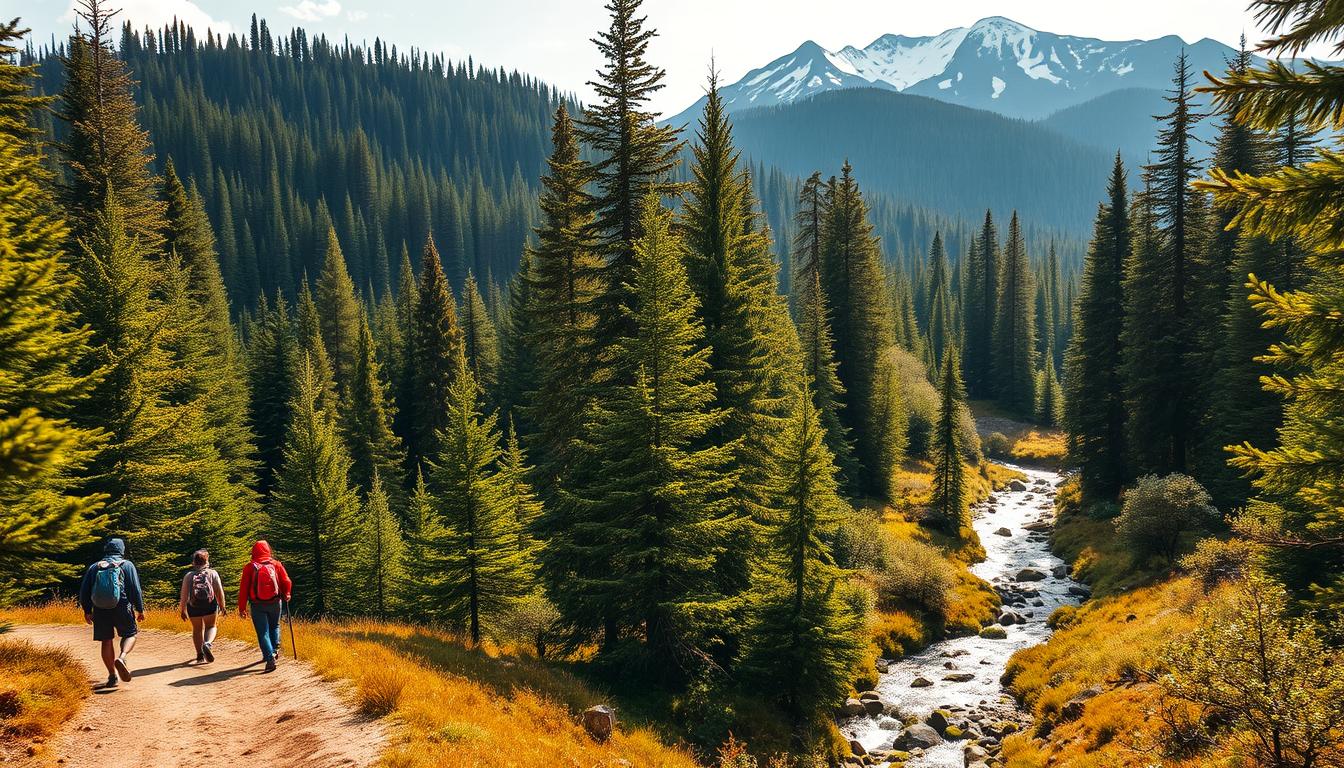
Modern hiking is walking in natural environments with intent — different from casual walking or competitive racing.
For Beginners
- Walks on marked tracks, farm paths, or gentle ridgelines
- Terrain influences difficulty: rocky surfaces, slopes, soft moorland
- Purposeful routes keep motivation high (hilltop views, riverside picnics)
How Distance, Surface & Time Shape a Hike
| Grade | Typical Distance | Surface | Elevation | Signage |
|---|---|---|---|---|
| Easy | 2–6 km | Firm tracks, field paths | Minor slopes | Clear waymarks |
| Moderate | 6–15 km | Gravel, grass, mud | Undulating | Some navigation needed |
| Hard | 15+ km | Rocky, uneven | Steep gains | Map skills required |
Why Start Hiking Now
Benefits
- Fitness: boosts cardiovascular strength & stamina
- Social: spend time with friends & groups
- Wellbeing: reduces stress, improves mood
| Benefit | Why It Helps | How to Start |
|---|---|---|
| Fitness | Stronger heart & legs | Short walks 1–2 times weekly |
| Social | Shared memories | Invite a friend or join a group |
| Wellbeing | Calmer mood, nature therapy | Woodland or coastal paths |
Hiking vs Walking vs Mountaineering
| Activity | Typical Ground | Key Kit | Beginner Fit |
|---|---|---|---|
| Walking | Paths, parks | Comfort shoes, light layers | Very beginner-friendly |
| Hiking | Trails, hills, varied | Poles, map, headlamp | Good for progression |
| Mountaineering | Alpine, snow, rock | Ropes, helmets, crampons | Requires training |
What to Wear on a Hike
Layering for UK Weather
- Base layer: sweat-wicking fabrics, liner socks
- Mid layer: fleece or synthetic jacket for warmth
- Outer layer: waterproof, windproof shell with ventilation
Foot Care
- Hiking shoes/boots with ankle support
- Spare socks & tape for hotspots
- Headlamp (70+ lumens) for late descents
Essential Hiking Kit for Beginners
- Backpack (20–30 L for day hikes)
- Water & food (1.5 L minimum, nuts, bars, sandwiches)
- Navigation: map, compass, FiTiFT Compass Whistle
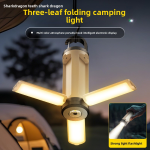
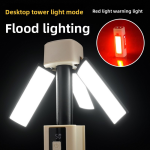
- Lighting: headlamp + FiTiFT EDC Flashlight
- Shelter & sleep: tent, sleeping bag, insulating pad
- Extras: first aid kit, gloves, hat, sunglasses
Choosing Your First Route
- Aim for 3–4 hour circular routes
- Keep ascent <600 m
- Prefer well-marked paths with varied scenery
- Check parking, gates, livestock, seasonal access
Safety First
- Check weather & trail info
- Tell someone your route
- Pack an emergency kit (whistle, flashlight, waterproofs)
- Hydration & rest: 5-min breaks each hour
- Pace: 4–5 km/h on easy ground
Training & Preparation
Add distance and elevation gradually
- Weekly hikes build stamina
- Practice with the actual gear you’ll use
- Packing light: water, snacks, layers, navigation, headlamp, first aid
FiTiFT Starter Kit for Beginners
- Compass Survival Whistle 2-in-1: navigation + signaling
- EDC Flashlight (USB): compact and rechargeable
- High-Intensity Flashlight: doubles as camp/bike light
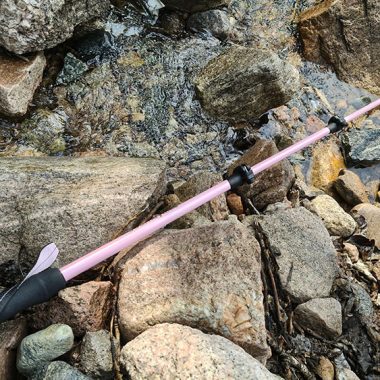
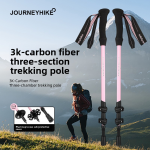
- 3K Carbon Fiber Trekking Poles: stability and joint support
- All-Season Sleeping Bag (2.2 kg): comfort + packability
- Stainless Steel Wood Stove: compact, smokeless cooking
Conclusion
Hiking is accessible, safe, and rewarding when done step by step.
- Start with short, marked routes
- Pack smart: water, snacks, navigation, headlamp
- Respect nature: leave no trace
- Use beginner-friendly FiTiFT gear for confidence
FAQ
Q1: What is hiking and how is it different from a walk?
A: Hiking is purposeful walking in nature, often longer and across varied terrain, requiring more planning and gear.
Q2: Who can hike?
A: Anyone — choose routes and gear suited to your fitness level.
Q3: What should I wear in UK weather?
A: Layer base (wicking), mid (warmth), outer (wind/rain shell).
Q4: What basic kit do I need?
A: Backpack, water, snacks, map & compass, headlamp, first aid kit.
Q5: How do I choose my first route?
A: Pick a short, circular, well-marked route with modest ascent.
Q6: What are top safety tips?
A: Check weather, share your plan, hike with others, pace well, and pack safety essentials.