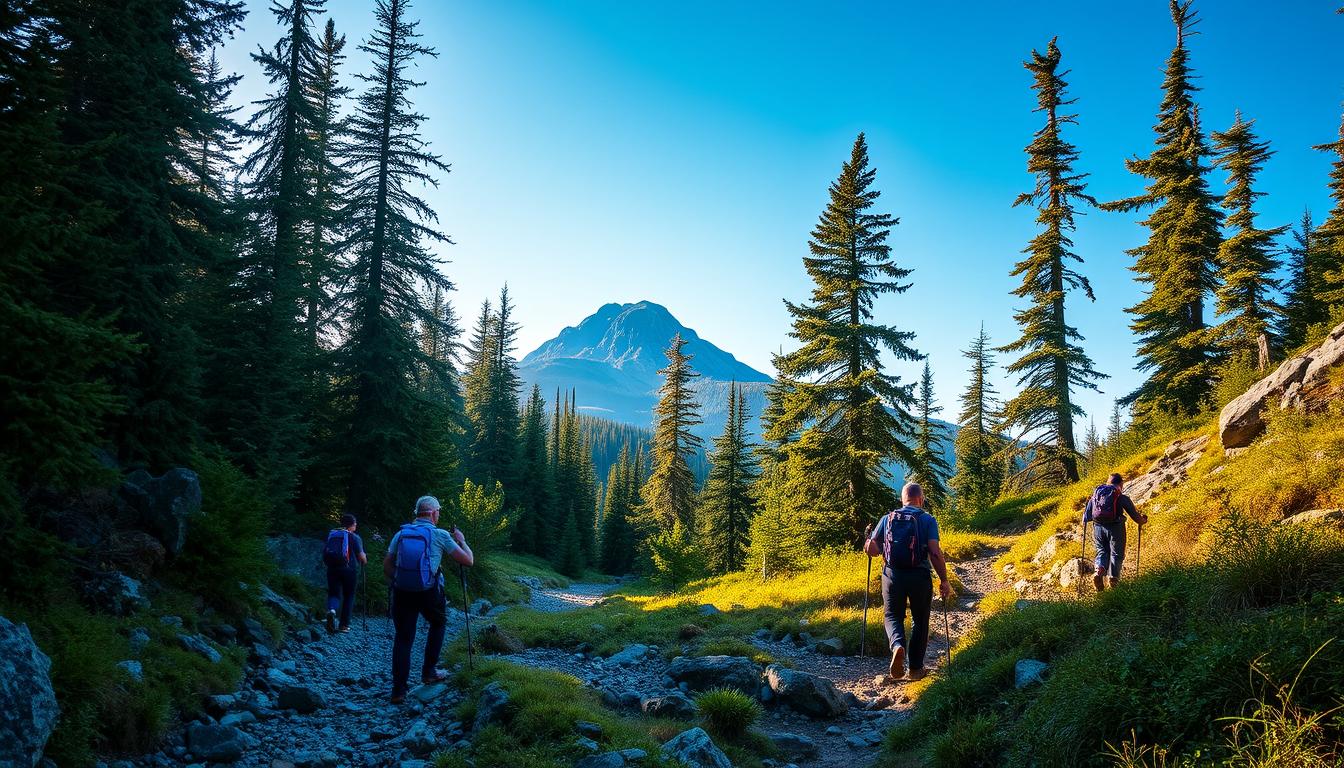
Wondering how the difficulty of the hike is assessed? This concise guide makes the unknown manageable. You’ll learn what “difficulty” really means on your first hike and how distance, elevation, and backpack weight affect the experience. We compare hill trekking in the UK with alpine routes, explaining how altitude affects breathing and pace. Goals are realistic: Plan your time wisely, set realistic goals, and choose equipment that reduces risk and fatigue.
This guide provides a simple framework to help you quickly determine the difficulty of any route – walking time, total climb, road surface type, and weather forecast. You’ll get friendly guidance and real-world experience for a smooth transition from short hikes to large hikes without panicking.
Core Difficulty Factor: What makes hiking difficult
The real challenge of hiking comes from a combination of walking time, steep sections, and sudden weather changes. These factors determine the difficulty of a day’s hike more than distance alone.

The three determinants of the difficulty of the hike: distance, altitude and weather
Walking time and physical exertion
A typical 4-6 hour hike is suitable for most people and recovery is quicker. When the hike is extended to 6-8 hours, especially for several consecutive days, fatigue can accumulate, leading to a slowdown in pace and a decrease in physical strength.
Terrain and route conditions
Rocky steps, deep mud, gravel, and exposed bridges can increase the psychological load. Technical sections require careful footing and can make short hikes feel more difficult.
Altitude and oxygen
At high altitudes, each additional 100 meters of climb consumes more energy. Above 3,000-4,000 meters, sleep, appetite and recovery change, so pace and rest become even more important when traveling at high altitudes or on highlands.
Weather & Planning
Strong winds or wet weather can double the difficulty of the same path. Start early, reduce the weight of your backpack, and take short breaks to manage physical exertion.
“On difficult hiking routes, short, steady steps coupled with good gear are often more effective than pure physical fitness.”
| factor | Effect on physical strength | Simple mitigation |
| Walking time | Long hikes increase fatigue | Plan a 4-6 hour hiking day; Add a day off |
| Pavement quality | Slow down on slippery or technical sections | Use trekking poles and sturdy boots |
| Altitude increases | The drop in oxygen affects the pace | conservative rise; Adapt to high altitude |
| Weather | Wind and rain increase the difficulty of perception | layered dressing; Adjust your plan early |
Authentic route comparison: From the English hills to Nepal’s iconic route
Benchmark comparisons can help you translate local training into mountain realities. Here are three common Nepali trekking routes and their requirements in terms of daily time, sea level equivalent, and equipment.

Comparison of the difficulty of the three classic hiking routes in Nepal
Everest Base Camp (EBC)
EBC is the benchmark for superiors: if it is extended by about 130 km, it usually takes 14-15 days, about 6 hours per day. The altitude ranges from 2,846 meters in Lukla to 5,555 meters in Kala Pattal.
Expect a climb of 600-800 meters per day, very basic facilities, with nighttime temperatures approaching -15°C. Above 3,000 meters, good lighting, a warm sleeping bag and trekking poles make a big difference.
Annapurna Base Camp (ABC)
ABC takes about 13 days, totaling about 115 kilometers, 6-8 hours per day. It is generally milder than EBC but becomes challenging above about 4,100 meters above sea level.
Pay attention to the monsoon season: June to September brings heavy rain and landslide risk. In winter, nights can reach -17°C, so a thermal sleep system and reliable lighting are essential.
Langtang Valley
Long Pond is suitable for first-time Himalayan trekkers. 6-7 hours a day, the terrain is less technical, rising from about 1,550 meters to about 3,900 meters.
The abundance of tea houses reduces logistical stress, making it a reliable Nepal trekking option before attempting a longer and higher route.
| route | Days | Daily time | Maximum altitude (m) |
| EBC | 14-15 days | ~6 hours | 5,555 m |
| ABC | 13 days | 6-8 hours | ~4,130 meters |
| Langtang | ~7-10 days | 6-7 hours | ~3,900 meters |
- Use EBC as the highest benchmark for pace and gear
- When planning a training trip, translate climbs and exposures to the English hills
- As the altitude increases, the risk is reduced by a local guide, steady drinking breaks and good FiTiFT lighting, trekking poles and sleeping gear
Beginner training plan: prepare for your first big hike
Smart training can turn intimidating multi-day hikes into manageable goals by targeting the exact system you’re using on your hike.

Beginner Hiking Training Plan: Gradually improve endurance and skills
Cardio and strength
Aerobic: Persistence is better than intensity
Do 30-45 minutes of cardio training 3-4 times a week. Mix running, cycling, or stair training to simulate a continuous climb on a real route.
Power: Backpack-friendly action
Add squats, lunges, stepping, deadlifts, and rowing training twice a week. These compound movements can improve the stability of the pack and reduce the burden on the knees when going downhill.
Practice hiking and equipment drills
Arrange progressive hikes that increase distance and elevation by about 10-15% each week. Includes a backpack with 10-20% of your body weight at a time to test your strength and pace.
Early wake up and equipment check
Make at least one sunrise departure and practice moving in low light. Test the headlamp and sleep system on an overnight hike to make your first big trip feel familiar.
Adaptation to high altitude and highland travel
Conservative ascent above 2,500-3,000 meters, adding rest days. Watch out for acute mountain sickness (AMS) symptoms – headache, nausea, poor sleep – as rising too quickly can lead to more severe symptoms.
| Training elements | Weekly Goals | Why it helps |
| Aerobic | 3-4 times, 30-45 minutes | Improve endurance for long hikes |
| strength | 2 times, compound weightlifting | Enhanced pack carry toughness and joint support |
| Practice hiking | 1 long walk + incremental increase | Test your pace, stamina, and equipment in realistic conditions |
| High altitude adaptation | Slow ascent + high altitude rest days | Reduce AMS risk and improve recovery |
Improve your hiking training
Use FiTiFT trekking poles for hilly repetition training and descents, FiTiFT headlamps for early training and adjust warmth with FiTiFT sleeping bags for overnight hikes in preparation for longer hikes. Check out FiTiFT training equipment
Essential equipment for beginners: Make hiking feel easier
Good gear reduces perceived effort on the hike and makes beginners feel safer from the first step. Here are reliable FiTiFT items to help you navigate, sleep, light, stabilize, and cook on a day hike or multi-day hike.

Essential equipment for beginner hiking: a key tool to reduce the difficulty of hiking
navigation and emergency signals
FiTiFT Compass Survival Whistle 2-in-1 – Ishwash is a compact compass whistle combo that improves basic navigation and signaling on the way. The metal construction is durable and the whistle is loud enough to penetrate wind or bad weather.
Sleep and recovery for multi-day trips
The FiTiFT All-Season Sleeping Bag (Orange Grey 2.2 kg; Blue Grey 2.2 kg) keeps you warm on changeable mountain nights. Better sleep reduces the perceived difficulty of the next day and helps you recover between long hiking days.

FiTiFT Sleeping Bag: Adapts to variable mountain temperatures and provides a comfortable rest
Lighting for early and late returns
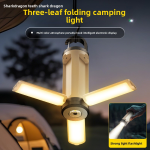
Versatile high-intensity flashlights – orange and pocket EDC flashlights – red provide a reliable beam for low-light movement. Good lighting stabilizes footstep placement on rough sections and maintains your schedule when the route times out.
Support and stabilization of various road sections
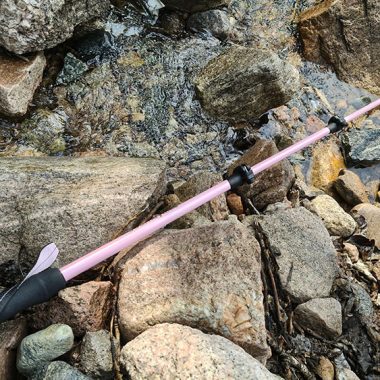
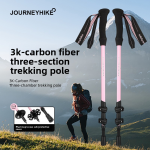
FiTiFT 3K Carbon Trekking Poles (2 Pack) – Green Increases Balance on Rocky Steps and Loose Gravel. Trekking poles reduce the load on the knees when going downhill and lead to less fatigue by the end of the day.

FiTiFT Carbon Trekking Poles: Provides stable support and reduces stress on the joints
Hassle-free camp cooking
FiTiFT stainless steel wood stove – versatile smokeless simplifies camp cooking in different regions. It burns efficiently, reduces fuel weight, and accelerates hot meals when cold and moderate altitude suppress appetite.
- Carry water treatment and at least one liter of water per person; Even marked routes can dry up during the shoulder season
- Choose a level suitable for UK drizzle and cold in the mountains; Keeping it dry reduces energy waste on exposed road sections
- FiTiFT gear is designed to be durable and user-friendly, so beginners don’t need to overthink the specifications before a big hike or short trip
Ready for your first hike?
Designed for beginners, FiTiFT gear offers reliable performance and a user-friendly experience to make your first hike safer and more enjoyable. Browse FiTiFT trekking gear
Plan your first hike: pace, accommodation, water, and weather window
Choose a route that suits your recent training, available days, and alternatives along the way. Match the difficulty of the route to the time: Start with the rolling English hills before committing to a multi-day trip abroad.

Hiking route planning: Progress from the English hills to high-altitude routes
Choose a route based on difficulty and available time
Short routes in the UK are more forgiving: signposted paths, frequent services, and clear escape points. They let you test the backpack weight, pace and FiTiFT trekking poles without significant risk.
High-altitude routes (ABC approx. 13 days, EBC approx. 14-15 days, Langtang approx. 7-10 days) require longer days, conservative stages, and additional accommodation planning. Book in advance and factor teahouse or basic camp restrictions into your plans.
Pace and rest strategies: When to stop, recharge energy and hydration
Snack every 60-90 minutes and drink water in small sips often to avoid fatigue at the end of the day leading to mistakes. Set short, frequent breaks and strict return times so you can reach your accommodation window without rushing.
Use reliable lighting – FiTiFT headlamps or flashlights – to make a pre-dawn departure to avoid afternoon weather and ensure access to cabins or traffic nodes.
Effective pace and rest strategies: maintain energy and reduce fatigue
Seasonal planning in the UK and at high altitudes
Check seasonal weather and climate trends before booking. The monsoon in Nepal (June to mid-September) brings mud and landslide risks.
The UK’s reduced daylight hours in winter can make familiar routes muddy. Favor flexible connectivity in sea-level UK planning; Add acclimatization days at altitude to avoid accumulating big climbs early in the trip.
“Book your cabin in advance, bring backup water treatment, and know your escape route before you go.”
| Planning elements | British tip | High altitude recommendations |
| Route selection | Use signposted paths; Short retreat option | conservative daily phase; Book the teahouse in advance |
| pace | 4-6 hours typical day; snack frequently | 6-8 hours are common; Increase rest days |
| Water and food | filling at the point of service; Carry 1 liter + reserve | carry handling and extra; Water sources may be scarce |
| Weather | Layered for drizzle and wind | Pay attention to the monsoon window; Expect rapid change |
| Guide and safety | Local routes are optional | Consider local guides for logistics and safety |
Quick checklist: match your route to the time, plan your breaks, bring your FiTiFT trekking poles and compass whistle, and always know your last transportation options so you stay calm and in control when replanning your route.
Altitude sickness management: Safely respond to high-altitude hiking
One of the biggest challenges of high-altitude hiking is the risk of altitude sickness. Understanding the symptoms and prevention strategies is crucial for completing the trek safely.
Altitude sickness: Identifying symptoms and prevention strategies
Altitude sickness symptoms
As altitude increases, oxygen levels decrease, which can lead to acute mountain sickness (AMS). Common symptoms include:
- Persistent headache that does not relieve after rest
- Nausea or vomiting
- Dizziness and fatigue
- Loss of appetite
- Difficulty sleeping
- Shortness of breath
Prevention and management strategies
The best way to prevent altitude sickness is to ascend slowly, giving your body time to adjust. Key strategies include:
- Above 2,500 meters, the ascent does not exceed 300-500 meters per day
- For every 1,000 meters of ascent, an acclimatization day is scheduled
- Stay well hydrated
- Avoid alcohol and sedatives
- Consider using preventive medications on your doctor’s advice
- Follow the principle of “climbing high and sleeping low”
In case of severe altitude sickness symptoms, the only solution is to descend to a lower altitude. Ignoring symptoms can lead to life-threatening pulmonary edema or cerebral edema.
Equipment support
The right gear can help alleviate the challenges of high-altitude trekking:
- The FiTiFT Four Seasons Sleeping Bag provides a comfortable sleep and helps the body recover
- FiTiFT trekking poles reduce physical exertion and conserve energy
- The FiTiFT multifunction flashlight ensures safe navigation, even in low oxygen conditions
Get ready for high-altitude challenges
The FiTiFT High-Altitude Trekking Gear Set contains essential tools for highland conditions to help you complete your hike safely. Explore high-altitude gear
Conclusion: A journey from novice to confident hiker
Good decisions about pace, gear, and rest can make a tough day feel ordinary rather than overwhelming.
Every hike is an opportunity to grow, and the difficulty decreases with experience
Start small, build confidence experience, and let each hike build your level. Using benchmarks – about 6 hours for EBC, 13 days at about 4,000+ meters for ABC, and 6-7 hours for Langtang – to plan realistic goals for trekking in Nepal or trekking in local areas.
Patience is worth it on plateau and high-altitude trips: ascent slowly, stay hydrated, self-check frequently to reduce AMS risk and perceived trekking difficulty.
FiTiFT equipment (compass whistle, sleeping bag, multi-function flashlight, EDC light, carbon cane, smokeless stove) eliminates friction and takes the guesswork out of the basics. Plan conservatively, carry essentials, and enjoy every trip – the difficulty decreases with practice and good gear.
Start your hike
Whether you’re planning your first short trek or preparing to tackle Nepal’s classic routes, FiTiFT provides the reliable gear you need. Explore the full range of FiTiFT hiking gear
Frequently Asked Questions (FAQs)
How difficult is hiking for true beginners?
The difficulty depends on the route, the altitude gain, the weather, and your fitness level. Start with a 2-4 hour British day hike on a well-marked route to build endurance and confidence. Practice with a light backpack, learn basic navigation, and gradually increase the time to avoid injury and excessive fatigue.
What are some key factors that make hiking feel harder than expected?
The technicality of the route (rocky steps, gravel, steep slopes), cumulative elevation gain, oxygen loss at high altitudes, and bad weather all add to the challenge. Poor shoes, heavy backpacks, low hydration, or inadequate rest can also increase perceived difficulty. Planning for these variables can reduce surprises on the road.
How does altitude affect walking time and recovery?
Higher altitudes reduce oxygen availability, which can slow down your pace, increase fatigue, and disrupt sleep. At altitudes above about 3,000 meters, shorter daily distances and longer recovery times are expected. Built-in acclimatization days, conservative pace, and attention to symptoms can help prevent altitude sickness.
What does a typical day on a multi-day hike look like?
Many hikes include 4-6 hour walking days for moderate routes and 6-8 hour walking days for more difficult sections. Expeditionary itineraries may include several consecutive long days. When estimating your daily road time, consider breaks, photo stops, and terrain.
How do the UK hills compare to high-altitude trekking like Nepal?
Hiking in the UK is usually lower at lower altitudes and more forgiving terrain, so cardiovascular health is paramount. Nepalese routes add long ascents, sustained daily hours, and altitudes of up to 5,500 meters or more, so acclimatization and high-altitude experience become crucial.
Is Everest Base Camp and Annapurna Base Camp very different in difficulty?
Everest Base Camp usually involves 14-15 days, many 6-hour days, with elevations ranging from about 2,846 to 5,555 meters and unpredictable weather. Annapurna Base Camp usually takes 13 days and totals about 115 km, with 6-8 hour walking days and challenging sections over 4,000 meters. Both require good physical fitness and acclimatization, but the terrain and logistics vary.
FiTiFT Hiking Gear: Reliable support for beginners
Still have more questions?
Browse our full collection of hiking guides or contact a FiTiFT expert for personalized advice. Explore more hiking resources