Are you ready to elevate your trail running experience? Knowing how to choose poles for trail running is essential for improving stability, reducing fatigue, and conquering challenging terrains with confidence. In this comprehensive guide, we will explore all the critical factors to consider, helping you make an informed choice that suits your unique needs.
The Importance of Choosing the Right Trekking Poles for Trail Running
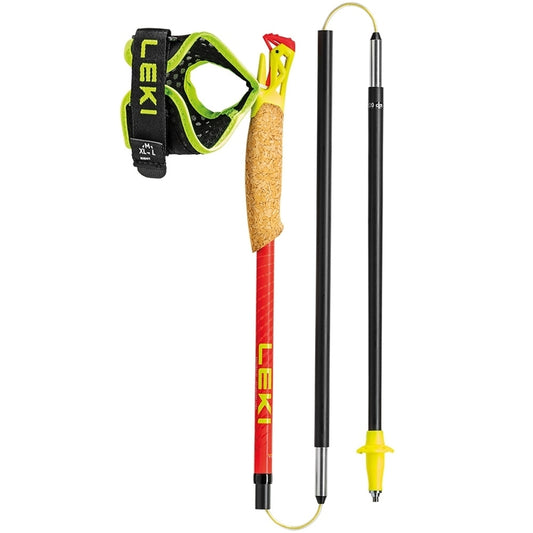
Selecting appropriate poles is more than a mere accessory decision; it profoundly impacts your efficiency, safety, and overall enjoyment of the sport. Trail running often involves uneven surfaces, steep inclines, and unpredictable obstacles that demand extra support and agility.
When asking how to choose poles for trail running, many runners overlook key features like weight, material, and adjustability, which are vital for optimal performance. The right trekking poles can absorb shocks from rugged terrain, reduce joint strain, and aid in propulsion, especially during long-distance runs. Understanding this importance sets the foundation for making educated choices suited to your trail conditions and personal preferences.
Many experienced trail runners emphasize trial and error, but a strategic understanding of pole features can significantly streamline your search. Whether transitioning from flat tracks to mountainous ascents or fitting poles into a small running pack, knowing what to prioritize ensures your gear aligns with your running style and goals.
Materials and Durability – Building Strong and Lightweight Trail Running Poles
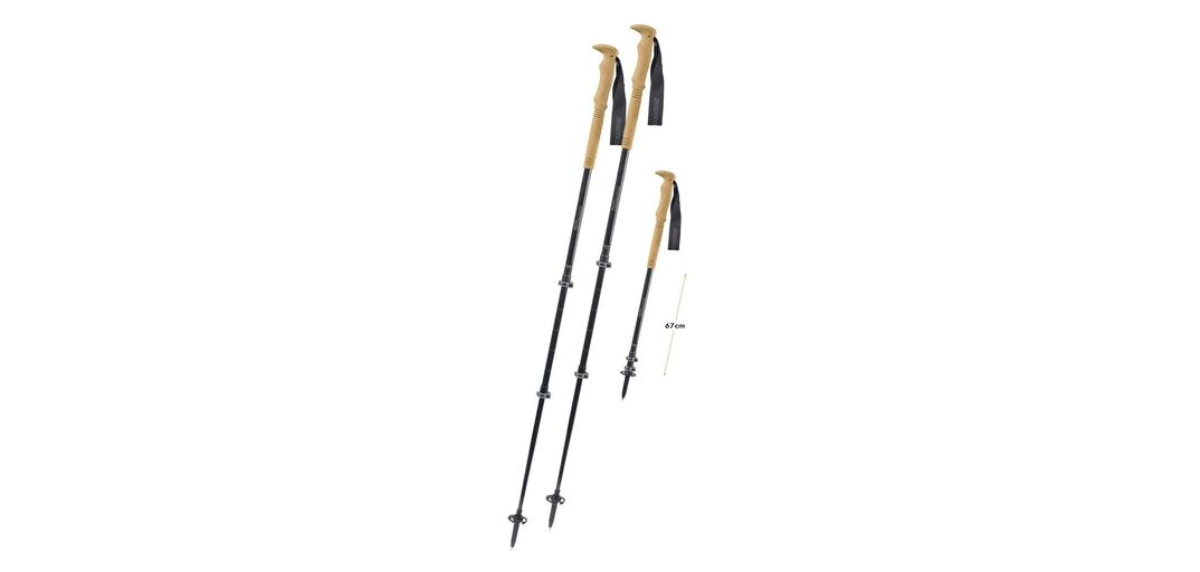
When considering how to choose poles for trail running, one of the most critical factors is the material and durability of the poles. These elements determine not only the poles’ lifespan but also their weight, flexibility, and ability to withstand harsh trail conditions.
The Most Common Materials Used in Trail Running Poles
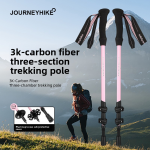
Carbon fiber and aluminum are the two main materials used in trail running poles. Carbon fiber is celebrated for its incredible lightweight and stiffness, making it an excellent choice for runners seeking minimal weight without sacrificing strength. Its rigidity helps maintain energy transfer, providing more propulsion with every stride.
Aluminum, on the other hand, strikes a balance between durability and weight. While slightly heavier than carbon fiber, aluminum poles tend to be more impact-resistant, making them suitable for rugged terrains where the risk of accidental banging or dropping is higher. Aluminum poles are also often more affordable, providing a cost-effective option without sacrificing performance in most trail conditions.
How Durability Influences Your Choice
Durability becomes a crucial consideration, especially for long-distance runners or those tackling technical trails. Carbon fiber, though lightweight and stiff, can be more prone to cracking under severe impacts, such as hitting rocks hard or accidental drops. Conversely, aluminum poles are generally more tolerant to such impacts and can endure longer with less risk of damage.
Another aspect of durability pertains to locking mechanisms and tip systems. High-quality, reliable locking mechanisms like internal twist locks or lever locks ensure your poles stay securely in place during vigorous activity. Additionally, reinforced tip material designed for rocky or uneven trail surfaces increases the lifespan of your gear.
Personal Insights and Recommendations
From personal experience, avid trail runners often prefer a hybrid approach—carbon fiber shafts with reinforced tips and locking systems that combine lightness with durability. If you’re frequently running on rocky or unpredictable terrains, prioritize robust construction over ultra-light options to avoid equipment failure mid-run.
In a comparative sense, investing in high-quality materials can be cost-effective in the long run. Cheaper, less durable poles may lead to increased replacements, ultimately costing more over time. Therefore, understanding your typical trail conditions and your running style guides you in selecting the optimal material for durability and performance.
Adjustable vs. Fixed Length Poles – Finding the Perfect Fit for Every Trail
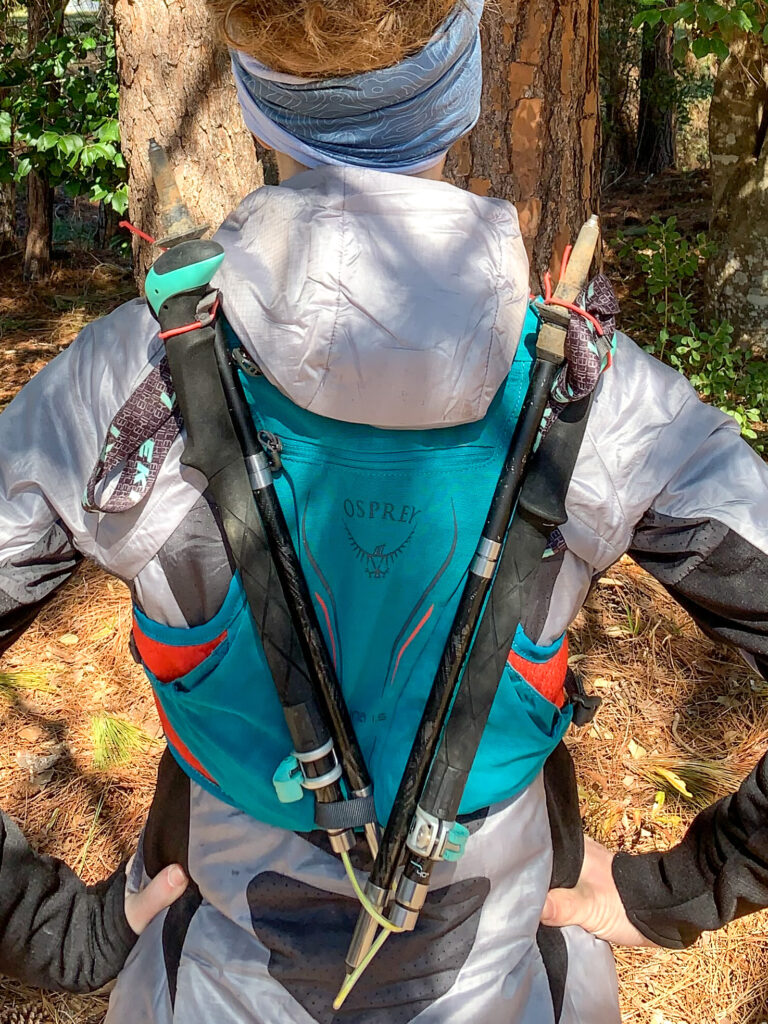
Adjustability is a prominent feature in trail running poles, amplifying their versatility. Knowing how to choose poles for trail running hinges significantly on whether adjustable or fixed-length poles align best with your trail conditions and personal preferences.
Advantages and Disadvantages of Adjustable Poles
Adjustable poles offer a customizable length setting, which can be particularly advantageous when transitioning between uphill, downhill, or flat sections. The ability to tweak pole length allows you to optimize leverage, support, and hand positioning, resulting in better balance and reduced fatigue.
However, adjustable poles tend to be slightly heavier and potentially less rigid than fixed-length options due to locking mechanisms, which can sometimes malfunction or loosen during vigorous activity. The added weight might seem negligible for some runners but is a factor worth considering for those aiming solely for maximum speed and efficiency.
Selecting Fixed-Length Poles for Simplicity and Reliability
Fixed-length poles are favored for their simplicity, lightweight design, and exceptional stability. They’re typically preferred by runners who run in familiar terrains where a single, optimal length suffices. These poles require no adjustments, reducing the risk of mechanical failure.
On the downside, fixed-length poles lack versatility. Runners tackling a mix of ascents and descents or varied trail conditions may find themselves limited by their fixed size. This can lead to suboptimal support on certain terrains, potentially increasing strain or reducing efficiency over long distances.
Personal Use Cases and Recommendations
For trail runners who frequently navigate diverse terrains—with steep inclines, descents, and technical segments—adjustable poles provide unmatched flexibility. They can be shortened or lengthened on the fly, offering customized performance at different trail points.
Conversely, those who prefer speed and minimal gear might find fixed-length poles more appealing due to their lightweight and straightforward design. In my experience, adjustable poles tend to be more adaptable and justify their slightly increased weight, especially for multi-terrain trail running adventures.
How to Use: Practical Tips for Selecting and Employing Trail Running Poles
Implementing the knowledge of how to choose poles for trail running requires a strategic approach. Knowing what features to prioritize, how to handle your gear efficiently, and positioning yourself for a seamless running experience makes all the difference.
Assess Your Trail Conditions and Running Style
Start by analyzing your typical trail environment. Are your trails rocky, muddy, or steep? Do you prefer long-distance running or quick sprints? Understanding these aspects helps identify which pole features are most relevant for your needs.
If you frequently traverse rocky climbs and descents, durability and aggressive tip systems are a priority. For long-distance runs across gentle hills, weight-saving features and comfort take precedence. Align your pole selection with your running style and trail complexity for optimal support.
Proper Technique for Using Trail Running Poles
Mastering correct usage enhances your performance and minimizes fatigue. Engage your core and arms correctly by planting the poles lightly and pushing off smoothly during each stride. The elbows should be bent at roughly a ninety-degree angle, ensuring efficient transfer of force.
Adjust your pole length depending on the trail terrain — longer on inclines for added leverage, shorter on descents or flat sections. Practice the timing of plant and push to maintain rhythm and conserve energy. Well-used poles should feel like an extension of your body, not an obstacle.
Best Practices for Maintenance and Longevity
Regular inspection of your poles ensures longevity and reliable performance. Clean the tips and locking mechanisms after each run, especially if you’ve experienced muddy or wet conditions. Tighten any loose parts promptly and store your poles in a dry, secure place.
Replacing worn tips and grips is crucial as they directly influence your grip and safety. If you notice cracks or bending, consider replacing the damaged components rather than risking a break during a run. Proper maintenance extends your gear’s lifespan and preserves its performance.
FAQs about How to Choose Poles for Trail Running
Q: What is the optimal length for trail running poles?
A: The ideal pole length is generally where your arms form about a ninety-degree angle when holding the grips with the tips touching the ground. Many runners prefer adjustable poles to fine-tune this length for different terrains.
Q: Are carbon fiber poles worth the investment for trail running?
A: Yes. Carbon fiber poles are lightweight and stiff, offering excellent performance for experienced runners seeking minimal weight without sacrificing strength. However, they may be more fragile compared to aluminum.
Q: How much do trail running poles typically weigh?
A: Most trail running poles weigh between 100 to 300 grams each, with ultralight models favoring the lower end of this range. Your choice depends on balancing weight with durability.
Q: Should I choose fixed or adjustable poles for beginner trail runners?
A: Beginners can benefit from fixed-length poles due to simplicity, but adjustable poles provide versatility as skills improve and terrains change. Personal preference and trail conditions are key factors.
Q: How do I know if my poles are suitable for technical terrain?
A: Look for features like reinforced tips, secure locking mechanisms, and durable materials. Testing the poles on varied terrains can help assess their stability and performance.
Conclusion
Choosing the right poles for trail running hinges on a detailed understanding of materials, adjustability, terrain demands, and personal running style. Properly selected poles enhance stability, reduce fatigue, and safeguard your joints, transforming challenging trail sections into manageable segments. Whether you opt for carbon fiber or aluminum, adjustable or fixed lengths, the key is aligning your gear with your specific needs and terrain conditions. Mastering how to choose poles for trail running empowers you to maximize your performance, enjoyment, and safety on every trail adventure.