When it comes to trail running, the right gear can make a world of difference in performance and comfort. One essential piece of equipment that often gets overlooked is the trail running pole. So, what are the best poles for trail running? In this article, we will explore the key factors that make up the best poles for trail running, ensuring that you choose wisely for your next adventure.
Understanding Trail Running Poles
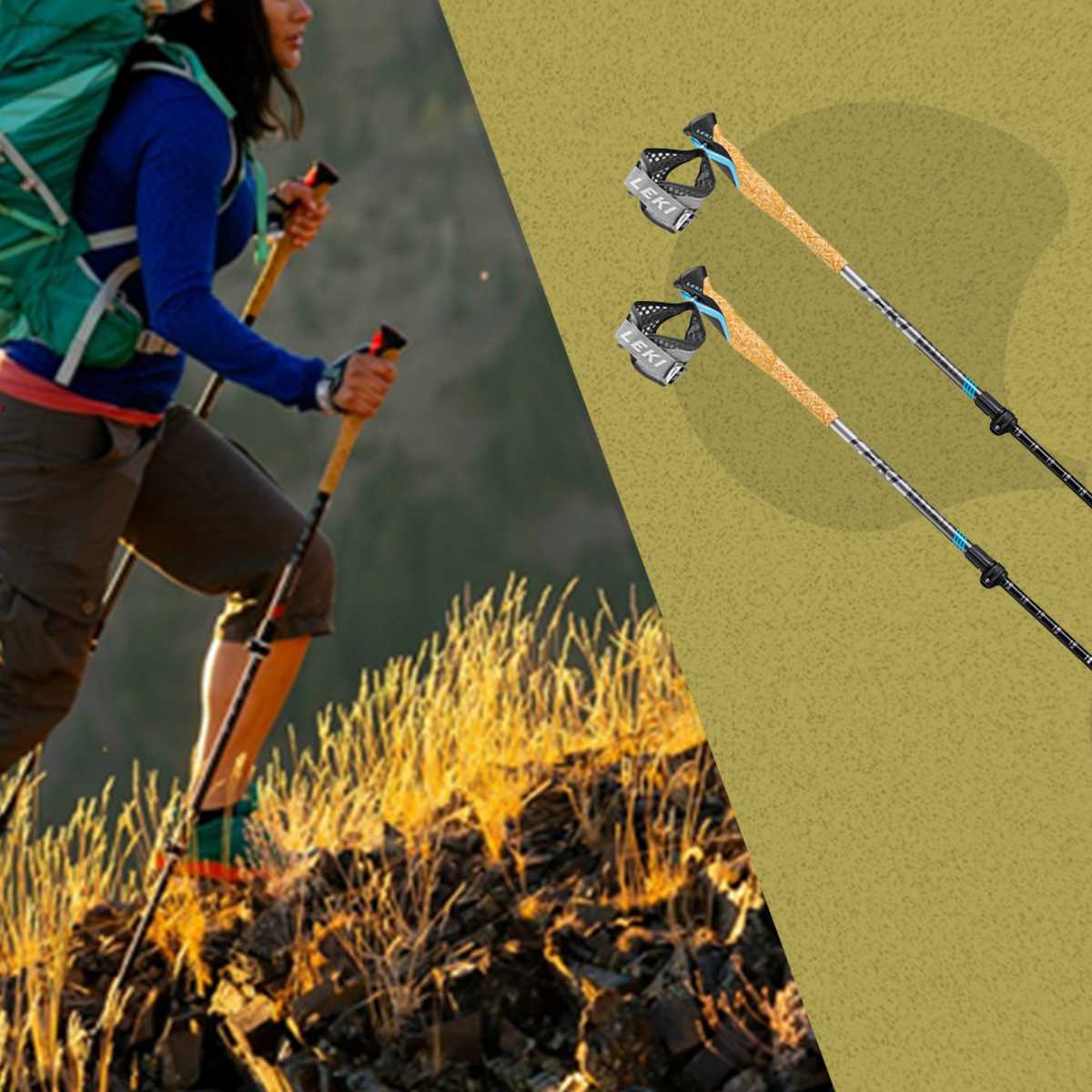
Trail running poles are not merely an accessory; rather, they are tools designed to enhance your stability, endurance, and overall performance on rugged terrains. Trail running, which often involves steep ascents and descents, raises new challenges that can be effectively managed with the right poles.
Benefits of Using Trail Running Poles
Utilizing poles while trail running comes with a plethora of benefits:
- Increased Stability: Poles provide additional points of contact with the ground, enhancing your balance on uneven surfaces.
- Reduced Strain: Pushing off with poles can help reduce the strain on your legs, particularly during steep climbs, which can translate to less fatigue in the long run.
- Improved Rhythm: Poles promote a natural rhythm, allowing for a more efficient running style, especially in technical terrain.
- Enhanced Power: By using the upper body to push against the poles, you can gain more propulsion up hills and mitigate the impact of descents.
Understanding these benefits sets the stage for knowing what are the best poles for trail running?
Types of Trail Running Poles
As you delve deeper into the world of trail running poles, it’s essential to differentiate between the main types available. Each of these categories can serve different styles and needs.
1. Fixed-Length Poles
These poles are the simplest in design and do not have moving parts.
Pros:
- Durability: Less prone to breakage due to fewer components.
- Lightweight: Usually lighter than adjustable models.
Cons:
- Limited Versatility: They often cannot be adjusted for different terrains or user heights.
2. Adjustable Poles
Adjustable poles are equipped with a mechanism that allows you to change their length on the go.
Pros:
- Versatility: Ideal for various climbing and descending positions.
- Custom Fit: Easily adjust to different users or conditions.
Cons:
- Heavier: Typically weigh a bit more due to additional mechanisms.
- More Complex: More parts can lead to potential points of failure.
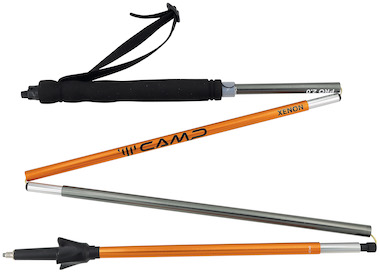
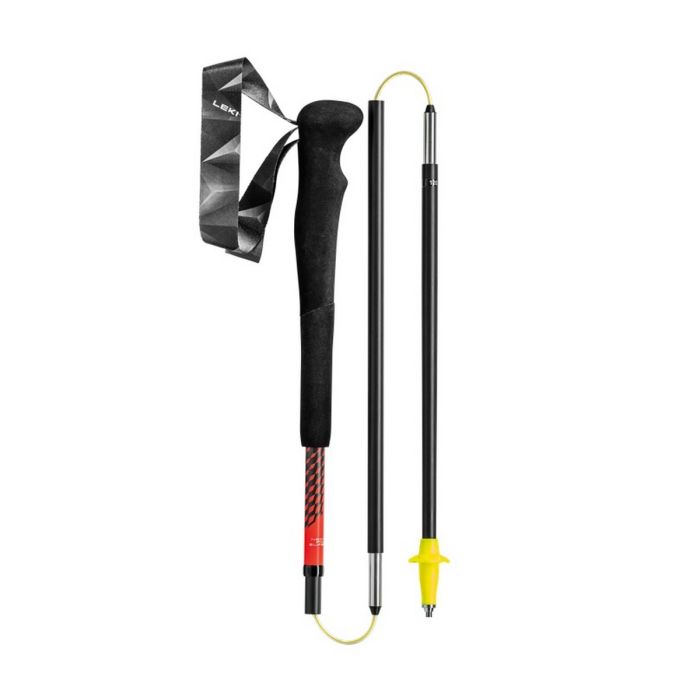
3. Folding Poles
Folding poles can be compacted for easy transport and storage.
Pros:
- Portability: These poles can easily fit in a backpack or pocket.
- Lightweight: Offers similar durability to adjustable poles.
Cons:
- Strength Limitations: More compact designs may compromise durability compared to fixed-length poles.
Each type has its unique advantages and disadvantages, leading you one step closer to answering what are the best poles for trail running?
Key Features to Consider
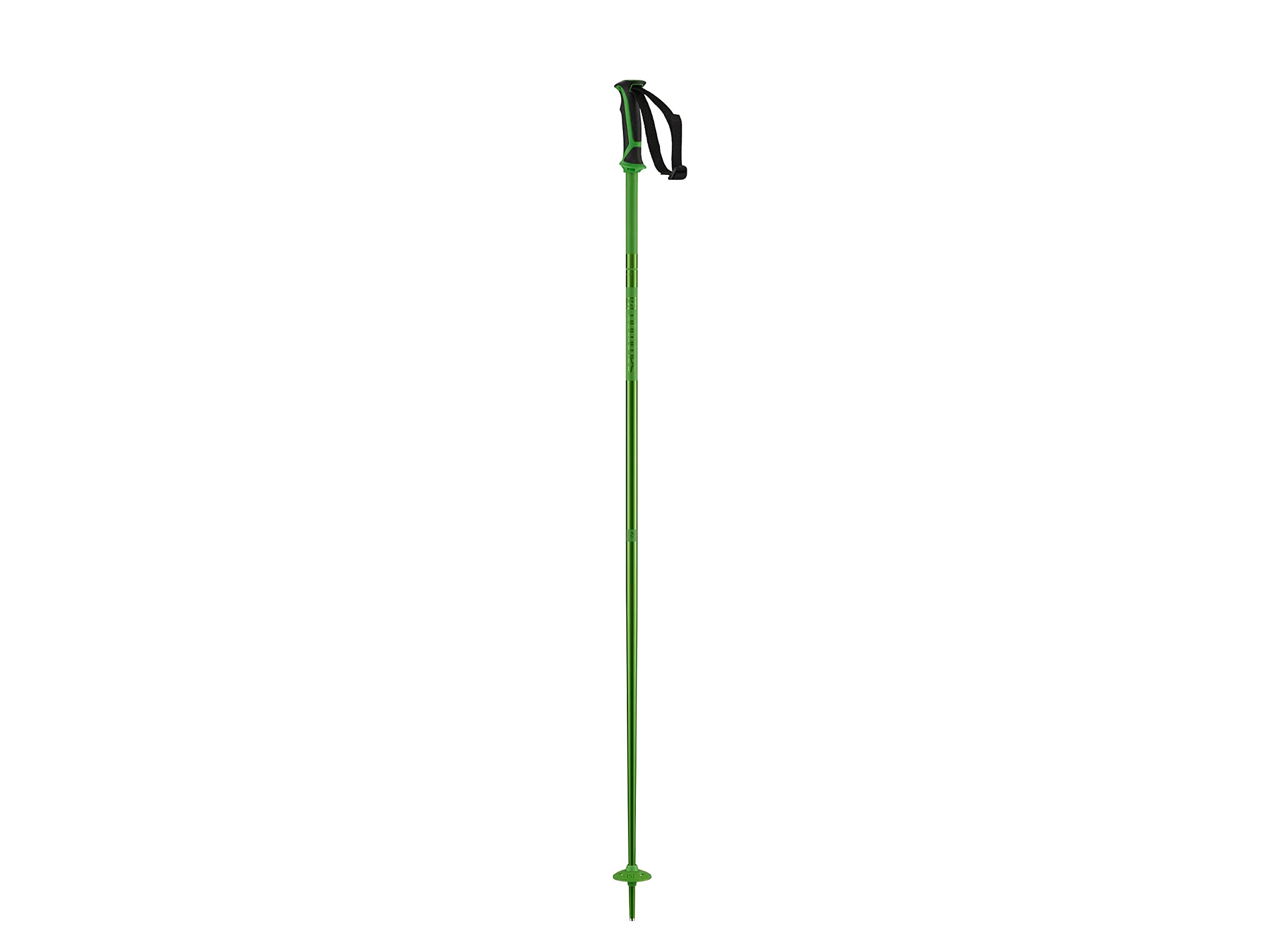
When investing in a set of trail running poles, several features should be assessed thoroughly to ensure they’re a perfect match for your trail running activities.
1. Weight
One of the most important features to consider is the weight of the poles.
Lightweight Materials:
- Carbon Fiber: Carbon fiber poles are light and provide excellent performance, albeit at a higher price point.
- Aluminum: More durable and affordable but can be heavier.
2. Grip
The grip affects comfort, especially on long runs or when the terrain gets slippery.
Grip Types:
- Foam Grips: Lightweight, comfortable and absorb sweat.
- Cork Grips: Offer natural cushioning and mold to the shape of your hands over time.
3. Baskets
These components allow the poles to be used effectively in different types of terrain.
Basket Options:
- Standard Baskets: Suitable for compact, hard-packed trails.
- Larger Baskets: Ideal for loose snow or soft ground conditions.
All these aspects contribute to answering, what are the best poles for trail running?
How to Use Trail Running Poles Effectively
Once you’ve chosen the right poles, knowing how to use them is vital for maximized performance.
Proper Technique
Using trail running poles follows a few essential techniques:
- Grip: Ensure you have a comfortable grip throughout the run.
- Pole Placement: Place the poles slightly ahead of your body and use them to support your weight as needed.
Timing and Rhythm
Synchronize the use of your poles with your running gait:
- Diagonal Motion: Use a diagonal motion similar to cross-country skiing to keep rhythm and momentum.
- Adapt to Terrain: Adjust usage based on inclines or declines to effectively distribute effort.
By mastering these techniques, you will have a better understanding of what are the best poles for trail running?
Popular Trail Running Poles on the Market

To make an informed choice, let’s take a look at some of the top-rated trail running poles currently on the market.
1. Black Diamond Distance Carbon Z
- Weight: Extremely lightweight at around 300g.
- Material: Carbon fiber provides excellent balance between weight and durability.
- Adaptability: The folding design makes it perfect for quick storage.
2. Leki Micro Vario Carbon
- Weight: Approximately 280g, ideal for those looking for lightweight options.
- Grip: Soft rubber grips provide comfort even on extended runs.
- Baskets: Comes with interchangeable baskets for different terrains.
3. Cascadia Trail Poles
- Weight: Slightly heavier but durable, weighing about 340g.
- Design: Adjustable and designed to tackle rugged terrain.
- Versatility: Great for both ascending and descending hills.
Each of these options contributes different benefits based on your unique trail running style, thus enhancing your understanding of what are the best poles for trail running?
FAQs
What are trail running poles made of?
Trail running poles are primarily made of two materials: aluminum and carbon fiber. Carbon fiber poles are lighter and generally offer better performance, while aluminum poles provide more durability and are usually less expensive.
Can beginners use trail running poles?
Absolutely! Trail running poles can be beneficial for runners of all levels. They offer increased stability, which is especially helpful for beginners trying to navigate technical terrains.
How do I choose the right length for my trail running poles?
The correct length depends on your height and preference. Generally, when standing upright, the pole should reach your wrist when you have your arm at a 90-degree angle.
Are adjustable poles worth the price?
Adjustable poles can offer versatility and a custom fit, making them worth the investment for many runners. However, if you know your preferred height and don’t require adjustments, fixed-length poles might suffice.
How much should I spend on trail running poles?
Prices for trail running poles can range from $50 to over $200. It’s typically worth investing in a higher-quality pole that meets your needs and will last through many trail adventures.
Conclusion
In summary, choosing the right trail running poles can greatly enhance your running experience on uneven terrains. By understanding the types, key features, and popular models, you can make an informed choice that meets your specific needs. Whether you go for fixed-length, adjustable, or folding poles, knowing how to use them effectively will ultimately lead you to a more enjoyable and efficient trail running experience. With this knowledge, you’ll be better equipped to answer the question: What are the best poles for trail running?