Trail running seamlessly combines athletic endurance with nature’s raw beauty. As runners venture into challenging terrains, their equipment plays a critical role in performance and safety. One of the most debated yet essential gear pieces is the trail running pole. So, what are the best poles for trail running? This article delves into expert insights, technical specifications, and practical advice to help runners select and utilize the ideal poles for their adventures.
The Significance of Choosing the Right Poles for Trail Running: Enhancing Performance and Safety
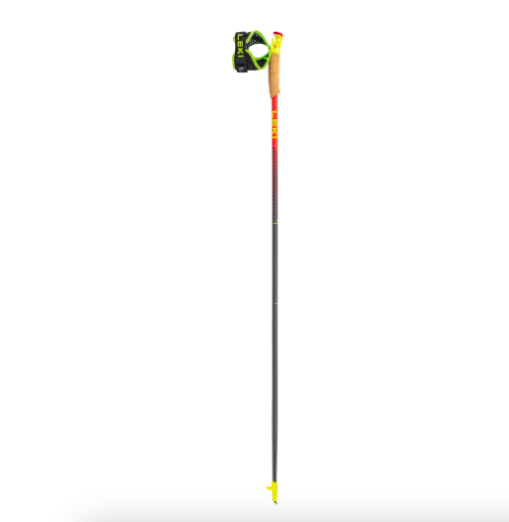
Trail running poles are more than just support tools; they are extensions of a runner’s technique, strength, and strategic approach on uneven and demanding terrains. Selecting the best poles for trail running involves understanding how they impact stability, reduce fatigue, and increase endurance.
In rough terrains or steep ascents and descents, the right poles can significantly diminish the strain on knees and calves, allowing runners to conserve energy over long distances. They also improve balance on technical sections, helping prevent slips and falls. Runners must, therefore, consider not only the material and weight but also the pole’s adaptability to various trail conditions.
Moreover, the physical demands of trail running often push participants into diverse environments, from muddy trails to rocky ascents. The best poles for trail running are those that easily adapt to these scenarios, providing grip, durability, and comfort. Choosing the wrong poles can lead to inefficiency, discomfort, and even injury, making informed decisions paramount.
Understanding the Role of Material and Build in Trail Running Poles
The foundation of selecting your trail running poles rests in understanding the materials used in their construction. Different materials provide varying benefits in weight, durability, flexibility, and cost, all of which influence performance and user comfort.
Aluminum poles are often favored for their robustness and affordability. They can withstand rough usage and are less likely to break under pressure, making them ideal for aggressive terrain or inexperienced runners prone to knocking their poles. However, aluminum poles tend to be heavier, which might add to fatigue over long-distance runs.
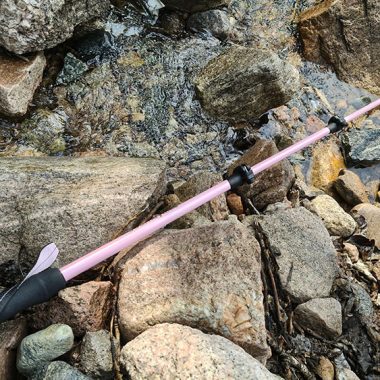
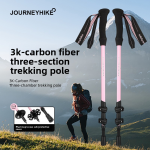
Carbon fiber poles have gained popularity among experienced trail runners for their lightweight and exceptional strength-to-weight ratio. Their rigidity offers excellent support and reduces arm fatigue, especially during steep climbs. However, they tend to be more expensive and can be more brittle—prone to splintering if mishandled or subjected to sharp impacts.
Composite materials combine the strengths of both aluminum and carbon fiber, delivering sturdy yet lightweight poles that are suitable for fluctuating trail conditions. These provide a balanced option—cost-effective, durable, and relatively lightweight—making them suitable for a broad range of trail runners.
The build quality also incorporates features such as locking mechanisms, grips, and shock absorption. The locking system—whether flick-lock or lever-lock—affects ease of adjustment and security during runs. The grip material, ranging from cork to foam, directly impacts comfort and moisture management, critical for long-distance trail running.
Key Features to Consider When Picking Trail Running Poles
When evaluating what are the best poles for trail running, it’s imperative to assess specific features that enhance usability, comfort, and performance. These features directly impact the overall experience and can vary depending on personal preferences, trail type, and running style.
First, adjustability is crucial. Ultralight telescopic poles allow quick length adjustments, essential for adapting to uphill, downhill, or flat terrains. Quick-lock mechanisms offer convenience while ensuring the poles stay secure during vigorous use. Rigid locking systems prevent unwanted length shifts, which can be hazardous during technical descents.
Second, weight and balance are vital. Trail runners should opt for lightweight poles since carrying unnecessary weight can lead to fatigue, especially during long-distance runs. However, a balance must be struck, as extremely light poles sometimes compromise durability or grip. Runners should prioritize a product that feels natural and balanced in their hands, reducing strain on shoulders and arms.
Third, grip comfort and ergonomic design influence how the poles feel during extended use. Cork grips are favored for their natural feel and moisture absorption, while foam handles provide padding and comfort. Some poles feature adjustable straps that allow for a snug, secure fit, decreasing hand fatigue. The handle design also impacts ease of use when adjusting pole length or removing poles during run segments.
Additionally, shock absorption features can help reduce impact pressure on joints, especially for runners with sensitive knees. Poles with integrated shock absorbers or damping systems can mitigate jarring impacts, thus prolonging running endurance and reducing injury risk.
Lastly, the trail-specific features such as carbide tips for added traction, snow baskets for winter conditions, or mud keepers help adapt poles for diverse environments. Overall, these features, when carefully considered, guide runners toward the best poles for trail running suited to their specific needs.
How to Use and Maintain Your Trail Running Poles for Maximum Benefit

Utilizing trail running poles effectively requires proper technique, regular maintenance, and understanding when and how to adjust them during runs. The right usage can significantly augment stability, speed, and endurance while preventing injuries.
Starting with technique, most runners should adopt a slight forward lean and maintain a relaxed grip, avoiding squeezing the handles tightly. Using a natural arm swing facilitates a fluid motion, reducing fatigue. When ascending, shorter pole lengths offer better leverage, while longer lengths help stabilize during descents. Properly adjusting the poles before the climb or descent ensures balanced support.
Some runners prefer planting poles diagonally, planting the tip with each stride, while others opt for more rhythmic planting—syncing with their stride rate. Practicing these techniques, especially on varied terrains, can improve efficiency measurably. Trail running poles are most effective when used in conjunction with good running posture and technique, maximizing their benefits without causing strain.
On maintenance, clean your poles after each run to remove dirt, mud, and debris, especially from the tips and locking mechanisms. Lubricate locking mechanisms periodically to ensure smooth operation and prevent jamming. Inspect carbon or aluminum shafts for signs of damage or cracks, and replace any worn-out tips or baskets promptly. Proper storage—away from extreme heat or direct sunlight—preserves the integrity of materials.
When not in use, collapse or fold your poles to their shortest length to prevent damage. Consider carrying a small repair kit if your poles feature removable components or adjustable locks. Maintaining your poles ensures their longevity and reliable performance, making them a trusted partner during every trail adventure.
FAQs on Choosing and Using the Best Poles for Trail Running

What are the main advantages of using poles in trail running?
Using poles enhances stability, reduces joint strain, and can improve speed on challenging terrains. They assist in navigating steep ascents and descents, prevent slips, and allow a more balanced distribution of effort, leading to better endurance in demanding conditions.
Are lightweight poles always better for trail running?
While lighter poles reduce fatigue, they sometimes compromise durability and grip. The ideal poles strike a balance—light enough for comfort but sturdy enough to handle tough terrains. Consider your personal strength and trail conditions when selecting weight.
How do I choose between cork and foam grips?
Cork grips offer a natural feel, excellent moisture absorption, and a firm grip over long runs. Foam grips are softer and padded, providing comfort and a cushioning effect, especially for extended use or when hands tend to sweat. Your choice depends on preference, trail conditions, and comfort needs.
When should I replace my trail running poles?
Inspect for cracks, bends, or worn tips regularly. If the locking mechanism becomes unreliable or if the shafts show fatigue signs, it’s time for a replacement. Regular maintenance extends their lifespan but eventual replacement ensures safety and effectiveness.
What features should I look for in trail running poles for different seasons?
For winter, look for poles with carbide tips and snow baskets. In muddy or wet conditions, slip-resistant grips and mud-friendly baskets are beneficial. Adjustable length, lightweight construction, and durable materials remain essential across all seasons.
Conclusion
Choosing the best poles for trail running hinges on understanding materials, features, and correct usage techniques. The right support gear can transform challenging terrains into manageable adventures by providing stability, reducing fatigue, and safeguarding joints. From lightweight carbon fiber options to durable aluminum models, selections should align with your specific needs, trail conditions, and running style. Proper maintenance and technique will maximize their effectiveness, ultimately elevating your trail running experience. Carefully evaluating these factors ensures your trail endeavors are safer, more efficient, and immensely enjoyable.