Are you passionate about conquering rugged terrains and seeking ways to improve your trail running experience? If so, understanding what are trail running poles is imperative. These lightweight yet sturdy accessories can transform your journey, providing stability, reducing fatigue, and enhancing overall performance. Whether you’re a seasoned athlete or an adventurous novice, incorporating trail running poles into your gear arsenal might be the game-changer you need to elevate your trail challenges.
In this comprehensive guide, we’ll explore what are trail running poles in detail, their types, benefits, proper usage, and expert tips. Strap in to discover how this seemingly simple tool can redefine your trail running experience and make every adventure safer, more enjoyable, and more efficient.
Understanding Trail Running Poles – The Catalyst for Safer and More Efficient Trails
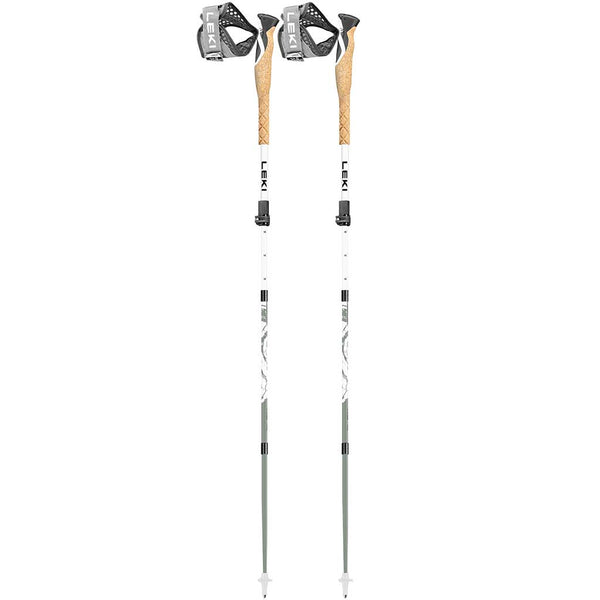
Trail running poles, also known as trekking or hiking poles, are specialized accessories designed to assist runners navigating uneven, steep, or challenging terrains. These poles serve multiple functions: providing extra stability, distributing physical effort more evenly, and reducing joint strain during long trail runs.
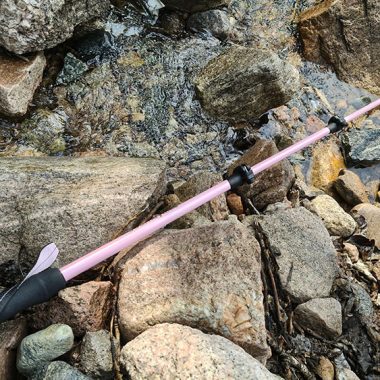
Now, before diving into specifics, let’s clarify what are trail running poles and why they are considered a critical piece of gear for trail enthusiasts. These poles are usually made from lightweight materials like aluminum or carbon fiber and come with adjustable features to suit different heights and terrains.
Understanding their purpose helps runners determine when and why they should incorporate poles into their runs. They’re especially valuable during climbs, descents, or variable terrains where footing is uncertain or endurance is tested by long distances.
Trail running poles are not just tools; they are strategic equipment designed to amplify your strength, balance, and safety. Borrowing ideas from both hiking poles and trekking sticks, these specially designed accessories are optimized for quick, agile motion, fitting seamlessly into the dynamic nature of trail running.
The Evolution of Trail Running Poles in Modern Sports
Trail running poles have evolved significantly over recent decades. Originally, trekking and hiking poles were rigid and bulky, intended for slow-paced hikes or mountaineering. As trail running gained popularity, engineers and sports scientists began designing poles that could withstand rapid motion, dampen vibrations, and be lightweight enough for fast terrain.
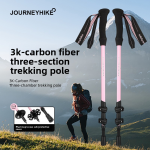
Modern trail running poles are crafted with high-performance materials such as carbon fiber which combines durability with minimal weight. They often feature ergonomic grips, shock absorption technology, and quick-lock mechanisms for easy adjustment on the go.
The integration of advanced features—like flick-lock systems, anti-shock mechanisms, and ergonomic handles—demonstrate a conscious effort to tailor these tools for runners who demand speed and agility. This evolution underscores their importance not just as auxiliary gear but as an essential component in trail running arsenals.
When and Why Should Trail Runners Use Poles?
Knowing when to use trail running poles is as crucial as understanding what are trail running poles. Use them during steep ascents, tricky descents, or technical sections where stability is compromised.
Additionally, seasoned runners incorporate poles for long-distance races to fight fatigue, reduce joint stress, and improve posture. They can also serve as anchors during cross-sectional obstacles or slippery sections, adding an extra layer of safety and confidence.
From a physiological standpoint, poles distribute some of the load from the lower limbs to the upper body, allowing runners to conserve energy over challenging stretches. For example, during ascents, placing weight on the poles engages arm muscles, easing thyroid stress on leg muscles, and prolongs endurance.
It’s essential not to over-rely on poles but to use them judiciously. The right timing—such as tackling rugged terrain—can make the difference between a safe, efficient run and unnecessary fatigue.
Types of Trail Running Poles – Materials, Features, and Design Variations
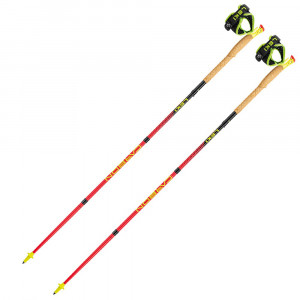
Trail running poles come in several types, each designed to meet specific terrain conditions, weight preferences, and running styles. Understanding their variants and features ensures you select the ideal poles tailored to your needs.
Material Composition and Their Impact on Performance
Trail running poles primarily fall into two material categories: aluminum and carbon fiber. Each offers unique benefits and trade-offs.
Aluminum poles are renowned for their durability, affordability, and impact resistance. They tend to withstand rough handling and are excellent for runners who value longevity. However, they can be slightly heavier than carbon fiber counterparts, which might impact long-distance runs where weight savings matter.
Carbon fiber poles shine in weight reduction without sacrificing strength. They provide excellent shock absorption, which can reduce fatigue on rough terrains. The downside is that they are more fragile—susceptible to cracking if mishandled or subjected to severe impacts—and tend to be pricier.
Understanding how material selection affects performance helps runners decide based on their typical trail conditions and budget constraints. For instance, ultramarathon runners or those tackling technical terrains with rocky sections might prefer carbon fiber for its lightweight and shock absorption properties. Conversely, adventure racers requiring rugged poles might lean toward aluminum.
Design Features and Mechanisms for Trail Efficiency
Beyond materials, the design features of trail running poles greatly influence comfort and functionality. These include handle ergonomics, locking mechanisms, shock absorption options, and adjustability.
Handle ergonomics are vital for comfort during prolonged use. Grips made from soft, sweat-resistant materials with ergonomic contours reduce hand fatigue. Some poles feature specialized designs like curved handles, catering to natural grip positions during ascents or descents.
Locking mechanisms determine how easily a pole can be adjusted during a run. Flick-lock and twist-lock systems are common, with flick-locks offering quick, reliable adjustments. Anti-shock mechanisms absorb impacts, reducing strain on the wrists and shoulders, especially on downhill sections.
Adjustability is essential for tailoring pole length to terrain and runner height. Most trail running poles are adjustable, with features like telescoping sections that lock securely in place.
The Role of Additional Features in Trail Running Poles
Additional features can elevate trail running poles’ efficiency and convenience. For example, some come equipped with built-in shock absorbers, which are particularly beneficial on downhill sections. Other features include removable trekking baskets for deep snow or loose dirt, wrist straps for added security, and lightweight designs to minimize fatigue.
Furthermore, innovative features like foldable or collapsible poles make transportation easier, fitting into backpacks or hydration packs. The integration of rubber or rubberized tips facilitate traction on different surfaces, preventing slips during technical sections.
Executing the right combination of features depends on individual preferences, terrain types, and running distances. Careful consideration of these factors ensures that runner’s gear enhances their performance rather than hindering it.
How to Use and Maximize Your Experience with Trail Running Poles

Using what are trail running poles correctly can significantly impact running efficiency and safety. Learning proper techniques and incorporating them into your trail routine unlocks their full potential.
Proper Technique for Using Trail Running Poles
Start by adjusting the poles to an appropriate length; typically, the handle should reach somewhere between your wrist and elbow when standing upright with arms relaxed. When using poles, your elbows should be bent at approximately 90 degrees, allowing natural movement during ascent and descent.
During uphill sections, plant the poles slightly ahead of you, pushing down to propel yourself upward while maintaining a smooth, rhythmic motion. During descent, use the poles for braking and stability rather than overreaching. Engage your core muscles to coordinate arm movements with your legs, enhancing energy transfer.
It’s crucial to avoid over-reliance; poles should support your movement, not dominate it. Maintain a relaxed grip to prevent hand fatigue, and adjust the length according to terrain—shorter on steep descents, longer on ascents.
Tips for Integrating Poles into Your Trail Running Routine
Gradual integration is key. Begin by practicing with poles on easier terrains and slowly progress to more technical sections. Familiarity with their use reduces hesitation and improves confidence.
Focus on rhythm and timing—think of the poles as extensions of your arms, aiding fluid movement rather than acting as crutches. Incorporate them during power hikes to build strength or during long runs to conserve energy.
From the practical perspective, always carry repair kits or spare parts, especially if you venture into remote areas. Maintaining your poles by cleaning and storing them properly prolongs their lifespan and performance.
Final Advice for Trail Runners Considering Trail Running Poles
Before purchasing, evaluate your typical trail conditions, running style, and physical needs. For technical, rocky terrains, lightweight, shock-absorbing carbon fiber poles are advantageous. If your runs involve long distances or rugged terrains, durability and adjustability might be more critical.
Incorporate training routines that include pole techniques, and consider consulting with experienced runners or coaches. Practice proper grip, stride, and pole placement to maximize advantages.
By understanding what are trail running poles and their appropriate use, you can significantly enhance safety, efficiency, and enjoyment on your trail running adventures. Properly used, these tools become an extension of your body and a vital component of your trail toolkit.
FAQs
Q1: What are trail running poles?
Trail running poles are lightweight, adjustable accessories designed to assist runners across challenging terrains by providing stability, reducing fatigue, and improving balance during trail runs.
Q2: How do trail running poles benefit me during a run?
They help distribute physical effort across your upper body, reduce joint strain, especially on descents, and enhance stability on uneven surfaces, making long or technical runs less tiring and safer.
Q3: When should I use trail running poles?
Use them on steep ascents, descents, technical sections, or long-distance runs to aid stability, conserve energy, and prevent fatigue. They’re particularly beneficial on rugged, uneven terrains.
Q4: Are carbon fiber poles better than aluminum?
Carbon fiber poles are lighter and absorb shock better, ideal for speed and reducing fatigue. Aluminum poles are more durable and impact-resistant, suitable for rough terrains or budget-conscious runners.
Q5: How do I choose the right trail running poles?
Consider the terrain, your typical running distance, your physical condition, and preferences in weight, material, and features like shock absorbers or foldability. Testing different models helps find the best fit.
Conclusion
Understanding what are trail running poles empowers runners to make informed decisions about their gear, enhancing performance and safety across rugged terrains. These versatile, lightweight tools support stability, reduce fatigue, and facilitate efficient movement during challenging climbs and descents. By selecting the right type, mastering proper technique, and incorporating poles thoughtfully into your routine, you can elevate your trail running experience and conquer even the most demanding paths with confidence. Ultimately, trail running poles are more than just accessories—they are allies in your pursuit of adventure.