Are you curious about outdoor adventures but find yourself puzzled—What’s the difference between hiking and trekking? While they are often used interchangeably, understanding their nuances can enhance your outdoor experiences, whether you’re a seasoned explorer or a budding adventurer. This article dives deeply into both activities, highlighting their distinctions, similarities, and how you can incorporate them into your wilderness journey. From terrains and durations to necessary gear and skill levels, uncover the secrets behind hiking and trekking, and learn how to choose the right adventure for your spirit of adventure.
Understanding the Core Concepts of Hiking and Trekking – Nature’s Trails and Human Endurance

Before diving into the specifics, it’s essential to grasp the fundamental nature of these outdoor activities. Both hiking and trekking serve as immersive ways to connect with nature, challenge oneself physically, and explore remote areas. However, they differ significantly in terms of scope, difficulty, and purpose.
While hiking is often seen as a leisure activity suited for day-trippers, trekking is generally regarded as a more demanding, multi-day journey that tests endurance and resilience. Recognizing these core differences helps outdoor enthusiasts plan better, set appropriate expectations, and avoid pitfalls such as overestimating or underestimating the activity they undertake.
Hiking typically involves walking along established trails, often within national parks, forests, or scenic landscapes. The terrain tends to be manageable, making it suitable for casual walkers and families. Meanwhile, trekking involves venturing into less accessible terrains—think rugged mountain passes or remote jungles—often requiring multiple days, camping, and survival skills. Trekking inspires awe by allowing travelers to explore untouched wilderness that offers richer opportunities for discovery and personal growth.
Understanding these fundamental distinctions also underscores the importance of preparation, gear, and mental stamina tailored to the activity’s demands. Whether your goal is a peaceful walk through pine forests or a challenging trek through the Himalayas, knowing what’s involved makes your experience more fulfilling and safe.
Terrain and Environment – From Gentle Trails to Rugged Mountain Passes

The environment in which hiking and trekking take place is perhaps the clearest differentiator that influences their characterization. Each activity demands specific skills, gear, and levels of physical endurance based on terrain challenges.
In hiking, the terrain is usually well-marked and accessible. Many trails are designed for recreational use, featuring graded paths that can be traversed with minimal technical skills. The environments range from forested landscapes and hilltops to shoreline walks, each accessible within a few hours or a full day. The focus remains on enjoying natural beauty without significant risk of encountering extreme conditions. Hikers benefit from maintained trails, trail signs, and often facilities like rest stops and viewpoints.
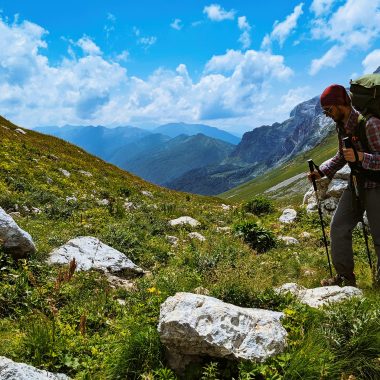
Trekking, on the other hand, frequently takes explorers into less predictable environments. Imagine trekking across mountain terrains with steep ascents and descents, through dense jungles, or over remote deserts. Such terrains often lack marked paths and may require navigation skills, including map reading and compass use. Trekkers must contend with unpredictable weather, loose rocks, and altitude sickness, demanding resilience and adaptability. The environment itself becomes an integral part of the challenge—where encounters with wildlife, cultural immersion, and survival skills enrich the adventure.
The differentiation in terrain complexity reflects the mental and physical preparation necessary for each activity. For example, a beginner might comfortably hike a well-maintained trail but would need extensive training to undertake a multi-day trek through the Andes or Himalayas. The terrain directly influences your gear needs, risk management, and overall enjoyment, making it crucial to choose activity appropriate to your experience and confidence.
Duration and Planning – From Short Hikes to Multi-Day Trekking Expeditions

One of the most notable differences when comparing Whats the difference between hiking and trekking is the duration of each activity. Time commitment directly impacts planning, gear, physical training, and mental readiness.
Hiking is predominantly a day activity. Most hikes are designed to be completed within a few hours to a full day, making them accessible to most people. The planning process involves selecting an accessible trail, checking weather conditions, and packing essentials like water, snacks, and comfortable footwear. Because hikes are shorter, they generally require less complex logistical arrangements, making them an attractive option for a quick escape into nature from urban life.
Trekking, however, extends over several days or even weeks. It requires detailed planning for accommodations—whether camping or staying in remote lodges—as well as provisions for food, water purification, navigation, and emergency survival techniques. Trekkers often carry heavier gear, including tents, sleeping bags, and specialized clothing for extreme weather conditions. The extended duration not only tests physical stamina but also mental resilience, as trekkers are far from the safety net of guided trails or urban facilities.
The planning involved in trekking also covers health preparations like altitude acclimatization and contingency procedures for injuries or unforeseen setbacks. Successful treks include route planning, permits, local guides, and risk assessments. For adventure seekers, the long-term planning acts as both a challenge and a thrill, offering a deep sense of accomplishment once the journey concludes.
In summary, while hikes are usually spontaneous and easy to plan, treks demand extensive organization, preparation, and commitment, making each experience uniquely rewarding depending on your goals and endurance levels.
Gear and Equipment – Tools for Safety, Comfort, and Performance
Gear plays a pivotal role in ensuring safety, comfort, and performance, especially when distinguishing Whats the difference between hiking and trekking. The equipment needed varies significantly based on activity duration, terrain difficulty, and environmental conditions.
For hiking, the essential gear list is minimal but crucial. A comfortable backpack, sturdy walking shoes or hiking boots, water bottles or hydration packs, weather-appropriate clothing, and some basic first aid supplies generally suffice. Many hiking trails are accessible and well-maintained, so technical equipment isn’t typically necessary. The focus here is on light packing and comfort, enabling freedom of movement for shorter excursions. Some hikers also carry binoculars, cameras, and maps for enhanced enjoyment.
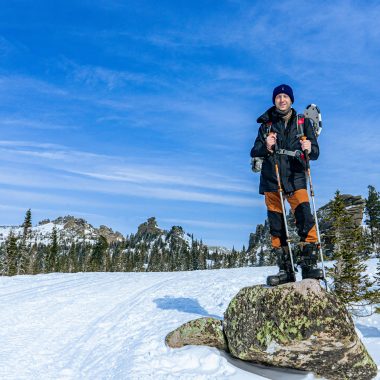
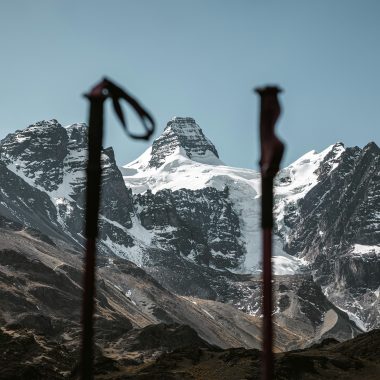
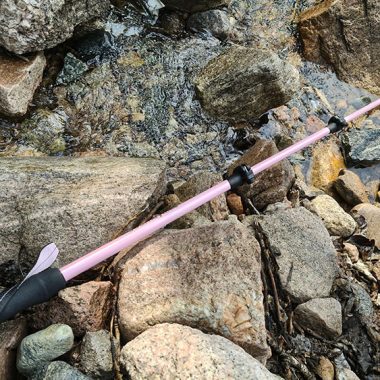
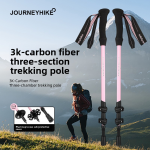
Trekking demands a more comprehensive gear approach. Since treks extend over multiple days across diverse terrains, equipment must cater to potential challenges. Heavy-duty hiking boots designed for rugged terrain, layered clothing for temperature fluctuations, tents, sleeping bags, cookware, and water purification systems become indispensable. Navigation tools such as GPS devices, altimeters, and detailed maps are also critical. Safety gear like crampons, trekking poles, and personal safety kits help manage unpredictable environments, especially at high altitudes or in snow-covered regions.
Choosing the right gear for trekking also involves weighing weight versus functionality. Trekkers often need to balance packing sufficient supplies with staying mobile and agile. Investing in high-quality gear can make or break an experience, especially in remote locations where help may not be readily available. Proper gear ensures not only safety but also enhances the adventure’s enjoyment by minimizing discomfort and stress.
When considering Whats the difference between hiking and trekking, remember that gear selection is tailored to the activity’s demands—be it a simple day hike or an extensive multi-day expedition. Proper preparation with appropriate equipment is fundamental to ensuring a safe and rewarding outdoor adventure.
FAQs on Hiking and Trekking – Clarifying Common Confusions
**What’s the main difference between hiking and trekking?
The core difference lies in duration, terrain, and difficulty. Hiking is usually a short, leisurely walk along maintained trails, often for a few hours or a day. Trekking involves longer, more strenuous journeys across remote, rugged terrains, often lasting multiple days, requiring more planning, endurance, and specialized gear.
How do I decide whether to hike or trek?
Your choice depends on your fitness level, experience, time availability, and adventure goals. Beginners seeking a quick nature escape should start with hikes. Those looking for a personal challenge and exploration into less accessible areas might opt for trekking. Consider your physical readiness and gear availability when deciding.
What safety precautions are necessary for trekking?
Trekkers should prepare appropriate gear, carry navigation tools and emergency supplies, inform someone about their route, and acclimate to altitude. Knowledge of basic first aid, weather forecasting, and local conditions are vital to mitigate risks associated with remote environments.
Can I hike or trek alone?
While solo hikes and treks are possible, especially in popular or well-marked areas, safety should always be prioritized. Always inform someone about your plans, carry communication devices, and consider joining guided groups for challenging or unfamiliar terrains.
What are some popular trekking destinations around the world?
Famous trekking routes include the Inca Trail to Machu Picchu, Everest Base Camp Trek in Nepal, Kilimanjaro in Tanzania, and the Annapurna Circuit. Popular hiking spots include the Appalachian Trail in the US, the Milford Track in New Zealand, and the trails of the Swiss Alps.
Conclusion
Understanding Whats the difference between hiking and trekking uncovers the layered distinctions that can transform your approach to outdoor activities. While hiking offers a manageable, scenic escape suitable for most ages and fitness levels, trekking presents an adventurous challenge pushing limits over extended periods and demanding rigorous preparation. Recognizing terrain, duration, gear, and skill requirements ensures that each experience aligns with your goals, capabilities, and safety standards. Whether you seek peaceful woodland walks or epic mountain expeditions, choosing the right activity enhances the connection with nature, fuels personal growth, and creates unforgettable memories. Embrace the adventure suited to your spirit, equip yourself appropriately, and venture confidently into the wild.