Hiking is an activity cherished by millions worldwide. It blends adventure, exercise, and tranquility into one energizing experience. But an intriguing question often arises among beginners and seasoned hikers alike: Is hiking basically walking? At first glance, the two activities seem similar—both involve moving on foot. However, when delving deeper, hiking presents distinct elements that elevate it far beyond ordinary walking. This article explores this nuanced relationship, examining technical, experiential, and cultural perspectives to ultimately answer the question thoroughly.
Understanding the Foundations: What Does ‘Walking’ Entail Compared to ‘Hiking’?
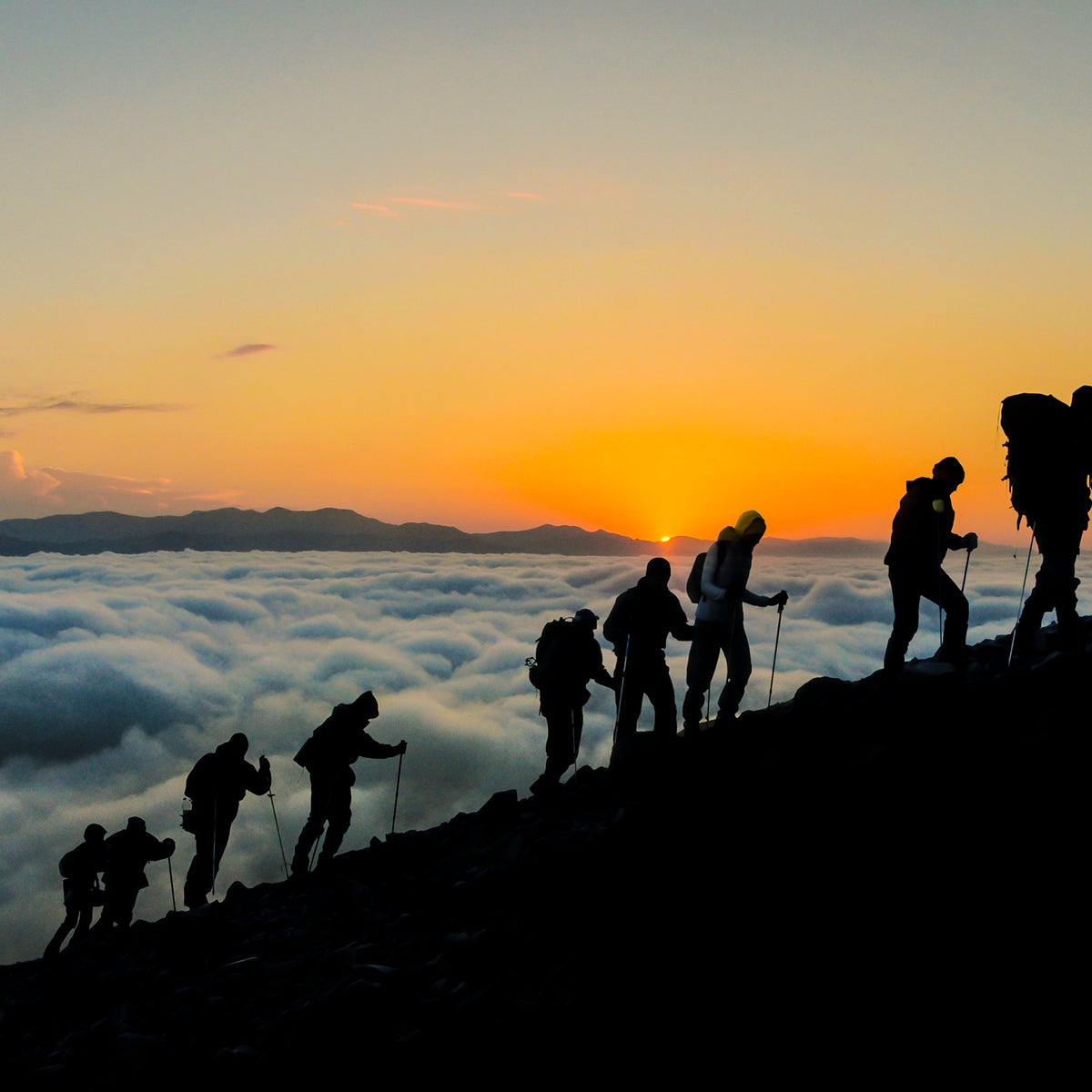
Walking, the most basic human movement, is often considered a simple, everyday activity. It involves straightforward locomotion, usually on flat or even surfaces, and is accessible to nearly everyone. Conversely, hiking is a form of extended walking but usually done outdoors, in natural terrains, with more diverse conditions. Before exploring whether is hiking basically walking?, it is essential to identify the core differences and similarities.
Walking is an activity that typically requires no specialized equipment or preparation. It is linear, routine, and often confined to city sidewalks, indoor tracks, or stable paths. It serves practical purposes such as commuting, running errands, or casual strolls. Hiking, on the other hand, involves traversing outdoor terrains—mountains, forests, rocky paths—and often combines physical expeditions with exploration, adventure, or fitness.
While both activities involve foot movement, the context, environment, equipment, and purpose significantly influence whether hiking can be regarded as a more specialized or elevated form of walking. Let’s unpack these components further to understand their relationship.
Environment and Terrain: The Defining Difference
Walking generally takes place on even, predictable surfaces. The goal is straightforward: move from Point A to Point B efficiently, comfortably, and comfortably. Activities like walking in a park or on a treadmill resemble basic locomotion. Despite this, walking can occur in varied environments—urban, rural, indoor circuits—but the terrain remains generally manageable for most people.
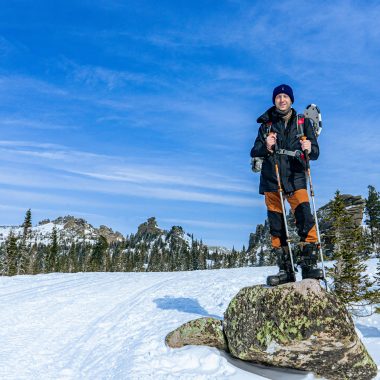
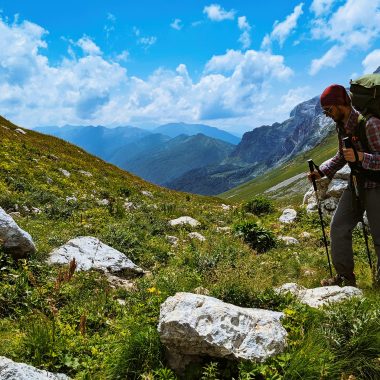
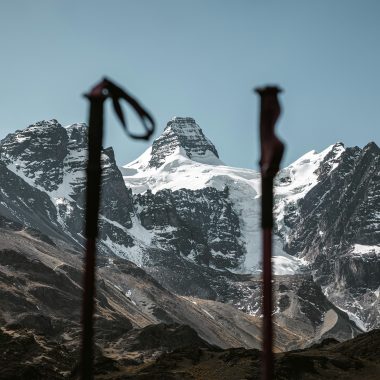
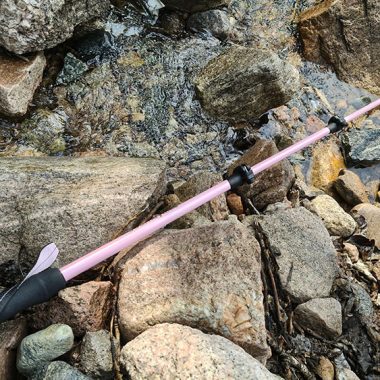
Hiking, by contrast, emphasizes navigating natural terrains that can be uneven, steep, or unpredictable. This environment demands additional skills, awareness, and sometimes specialized equipment like hiking boots, trekking poles, or navigation devices. The terrain itself is a crucial factor that separates hiking from simple walking.
Personalized Experience & Skill Level
For many, walking is a habitual activity—they do not need extensive training or planning. It is accessible and does not typically require risk assessment. Hiking, however, often involves planning, assessing weather and trail conditions, and sometimes undertaking physical challenges that require preparation and skill. For example, ascending a mountain trail differs substantially from walking along a suburban sidewalk.
Hikers often develop skills in trail navigation, map reading, and understanding natural hazards, making hiking a more complex activity. This complexity makes it understandable why some experts view hiking as a specialized form of walking rather than just a simple stroll.
Equipment and Preparation: Elevating Walking to Hiking
Basic walking demands little to no gear. A comfortable pair of shoes and appropriate clothing suffice for most walking activities. In contrast, hiking often involves meticulous preparation. Depending on the difficulty, hikers might carry backpacks with water, snacks, first aid kits, and extra clothing.
The necessity for equipment indicates an added layer of seriousness and intentionality that distinguishes hiking from walking. Furthermore, this equipment enhances safety and comfort, especially during long-distance or high-altitude hikes, thereby elevating the activity from mere walking to a structured outdoor sport.
Duration and Intensity: From Leisurely Strolls to Endurance Challenges
Walking can be swift, casual, or leisurely without any significant physical exertion. It can be a quick city errand or a light evening stroll. Hiking, however, frequently involves sustained effort over hours or even days, often requiring endurance and stamina.
This longer duration, coupled with varied physical demands like climbing, descending, or navigating rough terrain, transforms hiking into a different activity—one rooted in endurance, strength, and resilience, rather than simple movement.
The Evolution of Hiking as a Cultural and Recreational Phenomenon

While initially, hiking may seem just like walking into nature, its cultural significance, history, and evolution introduce additional layers that differentiate it from simple walking.
Historical Origins and Cultural Significance
The roots of hiking trace back centuries—initially as a practical activity for gathering resources or exploring unknown territories. Over time, it transitioned into a recreational activity tied closely with outdoor adventure and nature conservation movements. This historical evolution enhances its identity as an activity that combines physicality with cultural appreciation and environmental responsibility.
Unlike routine walking, which is mostly utilitarian, hiking became an activity associated with health, exploration, and cultural exchange. Recognizing this historical context can help us appreciate why hiking is considered more than just an extended walk.
Regulated Trails and Organized Hiking
The development of designated trails, national parks, and organized hiking groups emphasizes the activity’s structured nature. These organized efforts ensure safety, environmental sustainability, and community involvement, elevating hiking into a socially and environmentally conscious activity. Such organization does not typically accompany ordinary walking activities in urban settings.
Personal Experience and Connection to Nature
Hiking involves a spiritual or emotional connection to the environment. It often provides solitude, reflection, and a sense of accomplishment. Walking may offer similar benefits but on a different scale and in different contexts. The immersive outdoor experience—hearing the sounds of nature, seeing wildlife, and feeling the physical challenge—caters to a deeper engagement that significantly distinguishes hiking from walking.
The recreational and cultural importance of hiking promotes physical health, mental well-being, and environmental awareness, framing it as a lifestyle choice rather than just a foot movement.
Is Hiking Basically Walking? Analyzing the Similarities and Differences
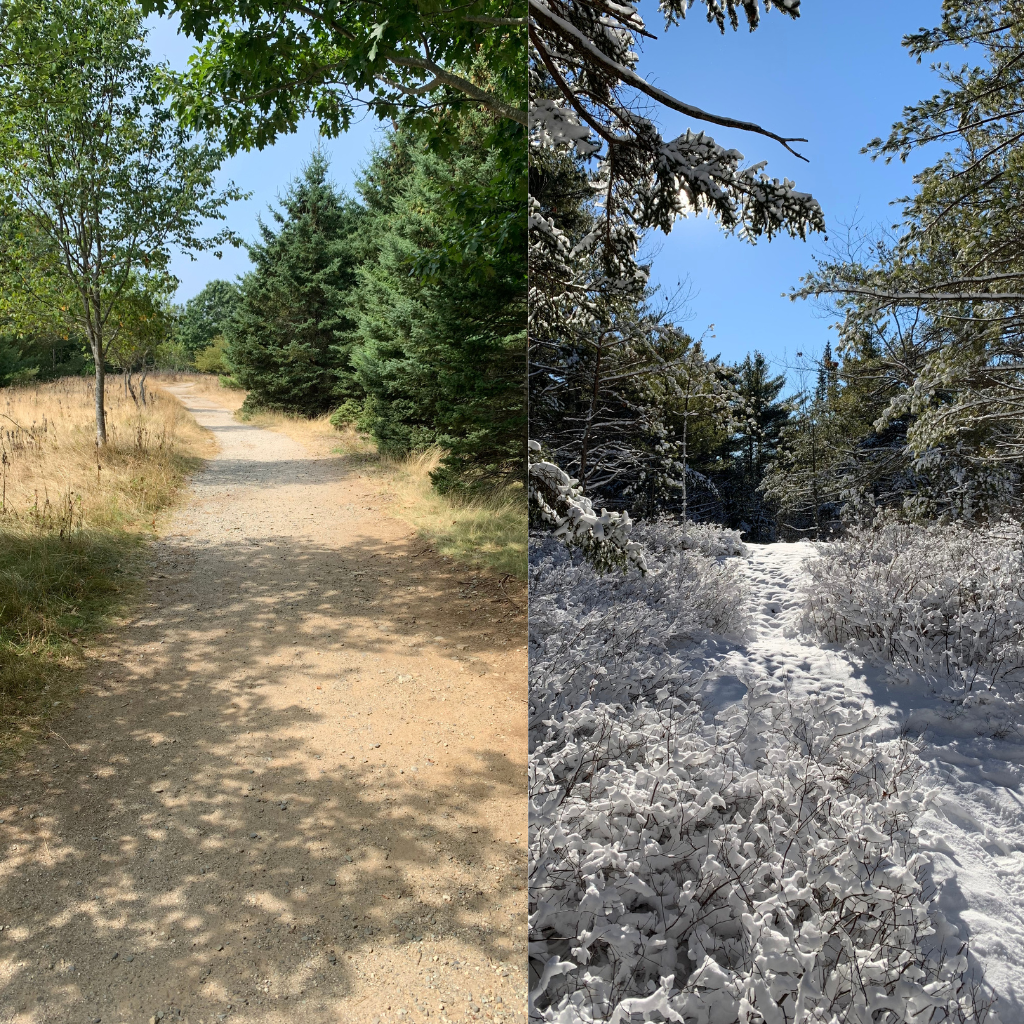
The core question remains: is hiking basically walking? To answer this, we must analyze both in terms of physical action, purpose, environment, and cultural context.
| Aspect | Walking | Hiking |
|---|---|---|
| Environment | Urban, indoor, predictable | Natural, unpredictable, rugged |
| Equipment | Minimal or none | Specialized gear necessary |
| Duration & Intensity | Usually short, low effort | Often long, physically demanding |
| Skill Level | Minimal | Often involves navigation skills |
| Environment Impact | Minimal | Significant—environmental awareness essential |
| Purpose | Practical, transportation | Recreation, exploration, fitness |
| Cultural Significance | Everyday activity | Adventure, conservation, tradition |
This table illustrates that while hiking involves physical movement akin to walking, it is enriched with additional elements that elevate it into a distinct activity.
How to Distinguish Hiking from Simple Walking
To leverage is hiking basically walking? into a practical understanding, consider these pointers:
- Consider the terrain: Slopes, uneven surfaces, and natural obstacles make hiking more demanding.
- Assess the purpose: If the activity aims for exploration or endurance beyond a casual stroll, it qualifies as hiking.
- Evaluate equipment: Using backpacks, trekking poles, or specialized footwear points toward hiking.
- Look at duration: Extensive effort over hours or days differentiates hiking from casual walking.
- Reflect on the environment: Engaging in outdoor natural landscapes versus urban streets signifies hiking.
Practical Advice: Use the above criteria to evaluate your activity. If it involves the outdoors and the elements of preparation, endurance, and navigation, it transcends basic walking into the realm of hiking.
FAQs
Q1: Is hiking just walking on uneven ground?
Hiking involves walking on natural, uneven terrain, but it also encompasses planning, endurance, and often the use of specialized equipment. So, while it’s a form of walking, it is more complex and structured.
Q2: Can walking on a trail count as hiking?
Yes, walking on a trail in nature, especially when using gears like hiking boots and backpacks, generally counts as hiking.
Q3: What makes hiking more physically demanding than walking?
Hiking frequently involves elevation changes, sustained effort over long distances, and obstacles like rocks or roots, demanding higher physical endurance.
Q4: Is it necessary to be experienced to go hiking?
Not necessarily. Beginners can enjoy easy hikes, but understanding terrain, navigation skills, and equipment enhances safety and enjoyment.
Q5: How does the purpose of hiking differ from walking?
While walking often serves transportation or casual activity purposes, hiking focuses on recreation, exploration, health, and connecting with nature.
Conclusion
In conclusion, is hiking basically walking? It is a nuanced question. Fundamentally, hiking is a form of walking—both involve foot movement and physical activity. However, the context, terrain, purpose, and equipment involved elevate hiking into a distinct activity characterized by adventure, endurance, and a deeper connection to nature. Unlike simple walking, which often takes place in controlled environments or urban spaces, hiking immerses individuals in the unpredictable outdoors, demanding preparation, skill, and resilience. Recognizing this difference is key to appreciating the richness of hiking as a recreational activity, and understanding when an activity transitions from routine walking to the fulfilling pursuit of hiking.