Embarking on outdoor adventures often raises a common question: Is trekking harder than hiking? While both activities revolve around outdoor exploration, they differ significantly in their purpose, challenge level, and required skills. This comprehensive guide delves into the distinctions to help enthusiasts understand what makes trekking more demanding than hiking, and how to prepare for each.
Understanding the Fundamentals: What Sets Trekking Apart from Hiking?
Before diving into the complexities, it’s essential to define what trekking and hiking entail. Though often used interchangeably, these terms describe different outdoor pursuits that vary in intensity, geographical scope, and physical demands. Recognizing these differences forms the foundation to answer the key question: Is trekking harder than hiking?
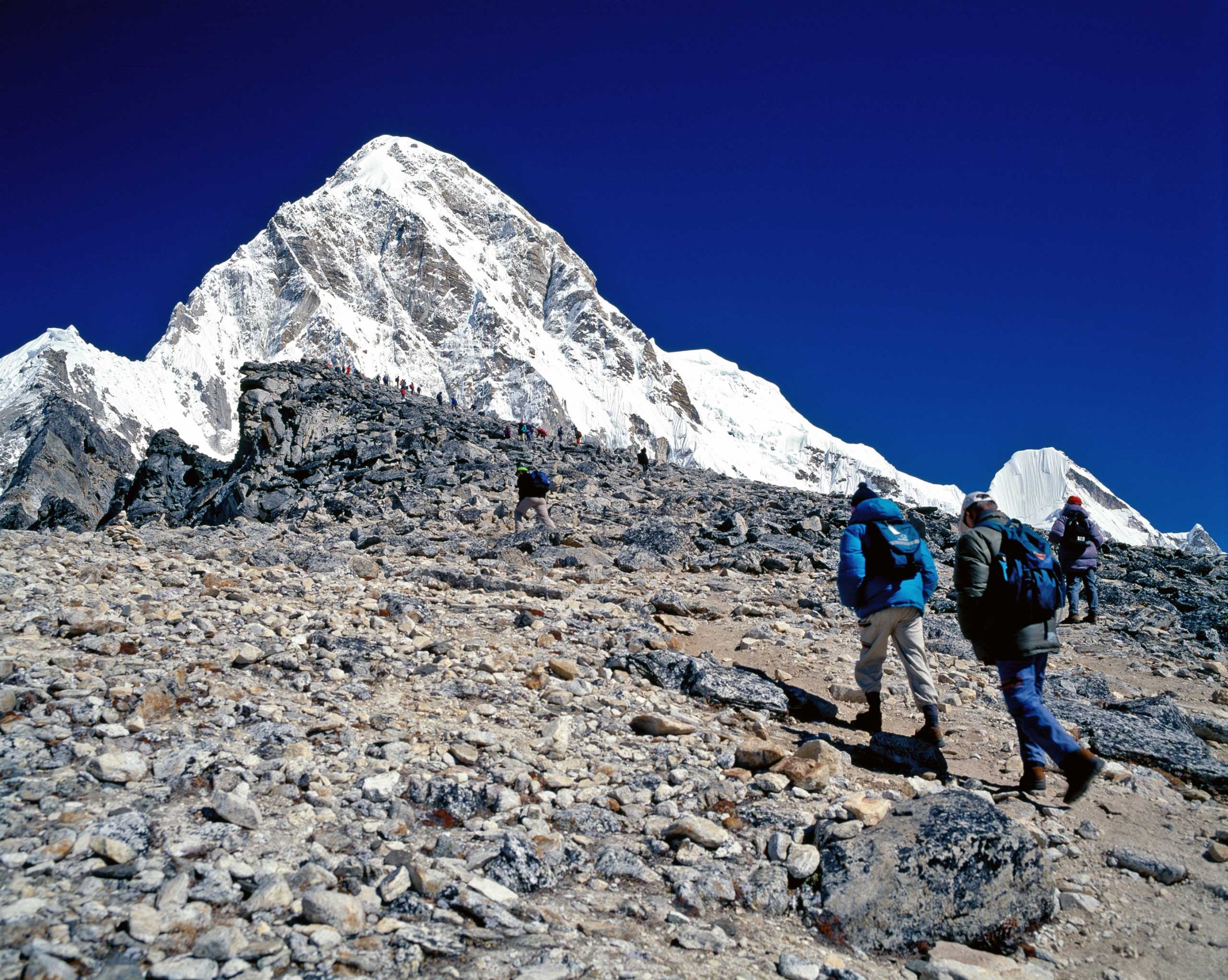
Trekking typically involves multi-day journeys through remote or rugged terrains, often crossing borders, terrains, and environmental zones. It demands greater physical endurance, mental resilience, and logistical planning. Hiking, by contrast, generally refers to day-trips on established trails, designed for leisure and accessible to most fitness levels. While hiking can be strenuous, it rarely tests survival skills or long-term endurance like trekking does.
This fundamental distinction suggests that trekking is generally more challenging, requiring specialized skills, equipment, and preparation. However, the difficulty level ultimately depends on various factors including terrain, weather conditions, and individual fitness. Let’s examine these factors through specific components.
The Size and Scope of the Journey
One major differentiating factor is the scope. Trekking usually involves extensive travel over several days, sometimes weeks, and often in inaccessible areas. These journeys demand endurance, proper gear, and logistical expertise.
Hiking typically entails shorter, solitary day-trips on designated paths, with well-marked routes and facilities nearby. This ease of access and shorter duration make hiking more manageable for most.
Given this, the sheer scale involved in trekking alone makes it inherently more difficult than hiking. Planning, stamina, and survival skills come into play when undertaking a trek, whereas hiking often requires only moderate fitness and basic navigation knowledge.
Physical and Mental Requirements: Is Trekking More Demanding Than Hiking?
The physical and mental toll of outdoor pursuits varies greatly depending on the activity. When considering Is trekking harder than hiking? it’s crucial to focus on the physical endurance, mental resilience, and adaptability needed for each.
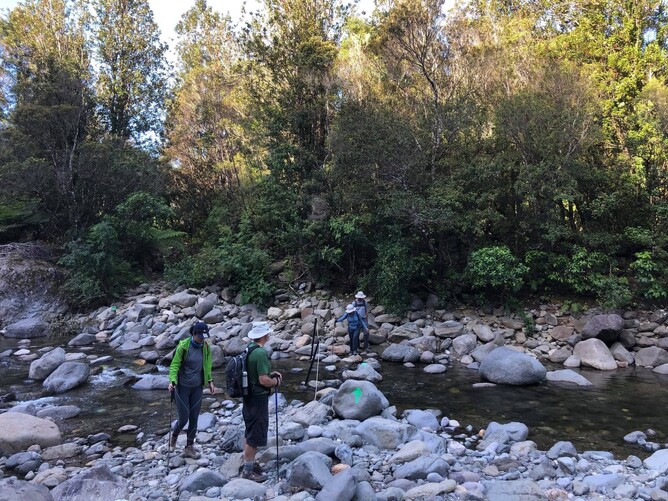
Trekking challenges individuals to sustain prolonged physical exertion under potentially adverse conditions, often with limited support or amenities. It requires strength to carry heavy backpacks, stamina to traverse rough terrains, and mental endurance to stay motivated over multiple days or weeks.
Hiking, while physically active, generally involves shorter durations and less physical strain. The mental challenge is usually limited to navigation, avoiding accidents, and enjoying nature, making it more accessible. However, difficult hikes with steep ascents or adverse weather can sometimes mirror the demands of trekking.
Endurance and Physical Fitness
Long-distance treks often involve traversing multiple terrains, from steep mountain paths and dense forests to arid deserts and snowfields. Carrying gear, food, and water amplifies physical stress. Trekking pushes individuals to their endurance limits, testing core strength, stamina, and flexibility.
Hikers may encounter similar terrains but on a smaller scale. Their focus remains on completing a specific trail within a day, where fatigue is usually manageable. Those with moderate fitness may still enjoy hiking without significant difficulty, but trekking necessitates rigorous physical preparation to prevent fatigue and injury.
Mental Resilience and Adaptability
The mental aspect of trekking is often underestimated. Extended journeys through unfamiliar, sometimes hostile environments demand resilience, problem-solving skills, and adaptability. Trekkers encounter unpredictable weather, limited resources, and logistical hurdles, requiring mental toughness and flexibility.
Hikers, on the other hand, usually have set routes and more support, making emotional resilience less critical. Yet, challenging hikes with unpredictable conditions, such as sudden storms or difficult terrain, can still test one’s mental resilience.
In essence, while both activities involve physical effort and mental tenacity, the duration, remote nature, and inherent unpredictability of trekking make Is trekking harder than hiking? a nuanced question, often affirming that trekking is more demanding in these aspects.
Equipment, Preparation, and Safety – Are They More Crucial in Trekking?
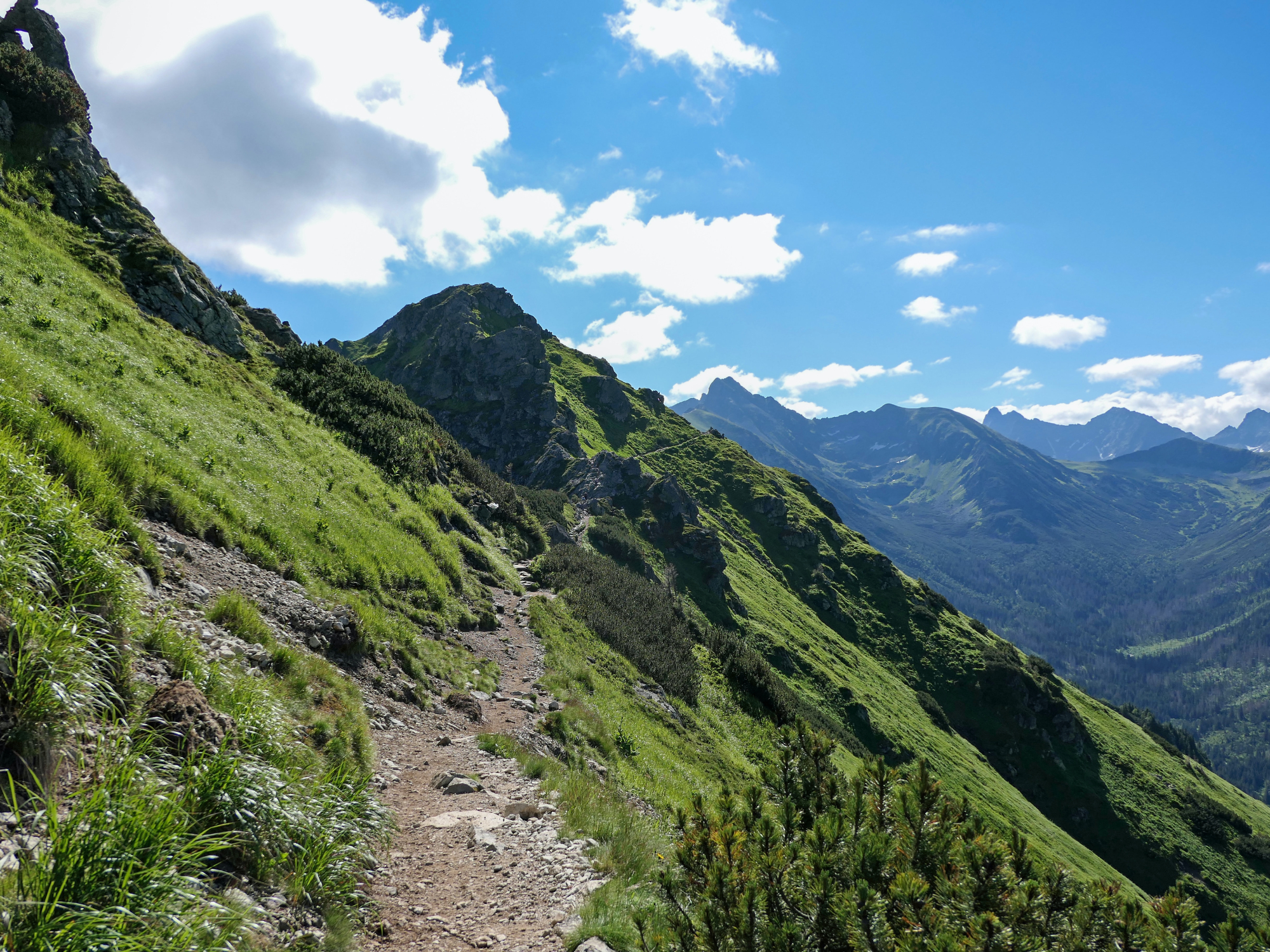
Equipment and preparation significantly influence the perceived difficulty of outdoor activities. This section evaluates whether trekking’s requirements make it inherently more challenging than hiking.
Trekking necessitates specialized gear like durable trekking boots, multi-day food supplies, sleeping bags, tents, and navigation tools like GPS devices. Proper outfit selections, such as layered clothing and survival gear, are essential to handle diverse environments and weather. The need for extensive logistical planning — permits, route mapping, contingency plans — amplifies the complexity.
Hiking, by contrast, often requires minimal gear—comfortable shoes, water, snacks, and basic navigation equipment. Trails are generally well-marked, and facilities are accessible, reducing the logistical burden.
Gear and Skills Required for Trekking
The gear needed for trekking is bulkier to ensure safety and comfort during long travels away from amenities. Understanding how to use this equipment — from setting up tents to reading maps and using compasses — is an essential skill. Developing these skills takes time and effort but greatly influences the activity’s safety and enjoyment.
In contrast, hiking gear focuses mainly on preparedness for minor emergencies. Skills involve trail navigation, first aid, and weather assessment. For many casual hikers, training is straightforward, but treks demand a higher level of competence given their complexity.
Safety and Emergency Preparedness
Safety measures are paramount, especially in remote trekking zones. Knowledge of wilderness survival, first aid, and emergency evacuation plans can mean the difference between life and death. Trekkers often operate in areas with limited mobile coverage, making self-reliance critical.
Hikers, because they’re closer to facilities and support, often rely on rescue services and established trail markers. However, safety is still a concern with serious accidents or adverse weather, but the overall risk and preparedness needed for trekking are substantially higher.
Thus, the extensive equipment and safety planning involved in trekking reinforce its status as the more challenging activity compared to hiking. This key difference feeds into the broader narrative of Is trekking harder than hiking?, making trekking a more complex pursuit for most outdoor enthusiasts.
How to Use the Knowledge: Is Trekking Harder Than Hiking? In Practice
Understanding the distinctions between trekking and hiking allows for smarter planning, training, and safety measures. Knowing Is trekking harder than hiking? helps enthusiasts choose activities aligned with their fitness levels, experience, and adventure goals.
Planning a trekking expedition should involve assessing one’s physical condition, acquiring necessary skills, and investing in quality gear. For beginners, starting with shorter, less demanding treks enables gradual building of endurance and competence. Conversely, experienced hikers can challenge themselves further through multi-day treks in remote locations.
For those questioning if trekking is suitable for them, adopting a phased approach is advisable. Engage in easier hikes first, gradually increasing difficulty, and acquire essential skills like navigation, first aid, and wilderness survival. This preparation reduces risks and enhances enjoyment.
Practical Examples and Comparisons
For example, a casual day-hike along a well-marked trail might require only moderate fitness and basic gear, making it accessible to most people. In contrast, a multi-day trek through mountain passes and remote villages demands comprehensive planning, physical endurance, and survival skills, illustrating how Is trekking harder than hiking? in practical terms.
Another comparison can involve participating in adventure races or mountain expeditions—these activities often combine endurance, technical skills, and mental resilience, aligning more with trekking than standard hiking.
Advice for Aspiring Trekkers and Hikers
Those interested in exploring these activities should evaluate their fitness levels and experience. It’s recommended to build up gradually from shorter hikes to longer, more challenging treks. Proper training, gear acquisition, and understanding environmental conditions are crucial for a safe and enjoyable experience.
Moreover, respecting nature and knowing one’s limits help prevent accidents. Listening to experienced guides and joining organized treks can provide valuable insights and safety assurance for beginners. Overcoming initial fears about Is trekking harder than hiking? can lead to rewarding adventures with proper preparation and mindset.
FAQs About Trekking vs. Hiking: Clarifying Common Queries
What makes trekking more difficult than hiking?
Trekking involves multi-day journeys through remote and rugged terrains, often with limited support, which demands greater physical endurance, mental resilience, and logistical planning. The longer duration and challenging environments naturally make trekking more demanding.
Can a beginner try trekking or should they stick to hiking first?
Beginners are advised to start with hiking to build fitness, navigation skills, and confidence. Progressing to trekking should be gradual, with proper training and guided experiences to ensure safety and enjoyment.
What kind of gear is essential for trekking compared to hiking?
Trekking gear includes sturdy boots, sleeping bags, tents, multi-day food supplies, and navigation tools. Hiking gear is generally lighter and involves only basic essentials like comfortable shoes, water, and simple maps.
Is trekking safe for solo travelers?
While trekking can be done solo, it carries risks greater than hiking, especially in remote areas. Proper preparation, local guides, and appropriate safety measures are vital for solo trekkers to mitigate hazards.
How can one prepare physically for trekking?
Regular cardio and strength training, hiking with a loaded backpack, and practicing navigation skills improve endurance and readiness. Building up gradually from day hikes to multi-day treks helps develop suitability for more demanding expeditions.
Conclusion
In conclusion, Is trekking harder than hiking? largely due to differences in duration, terrain, equipment, and mental demand. Trekking encompasses longer, more challenging journeys that require advanced skills, physical endurance, and comprehensive planning, whereas hiking is often more accessible and suitable for casual outdoor lovers. Choosing the appropriate activity depends on personal fitness, experience, and adventure goals. With proper preparation, training, and awareness, enthusiasts can safely enjoy both activities and embrace the natural world at their comfort level and challenge threshold.